
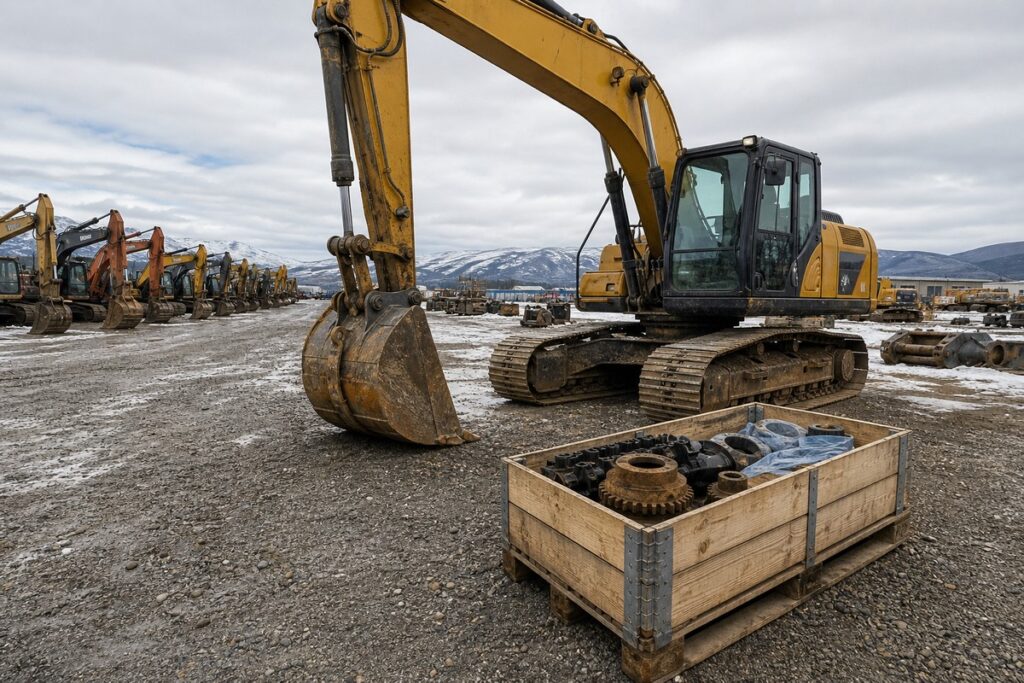
Canadian buyers sourcing used excavators or excavator parts from overseas should verify machine condition, serial number, inspection photos, wear measurements, parts availability, French/English part terminology, packing method, shipping route and documentation before committing to payment.
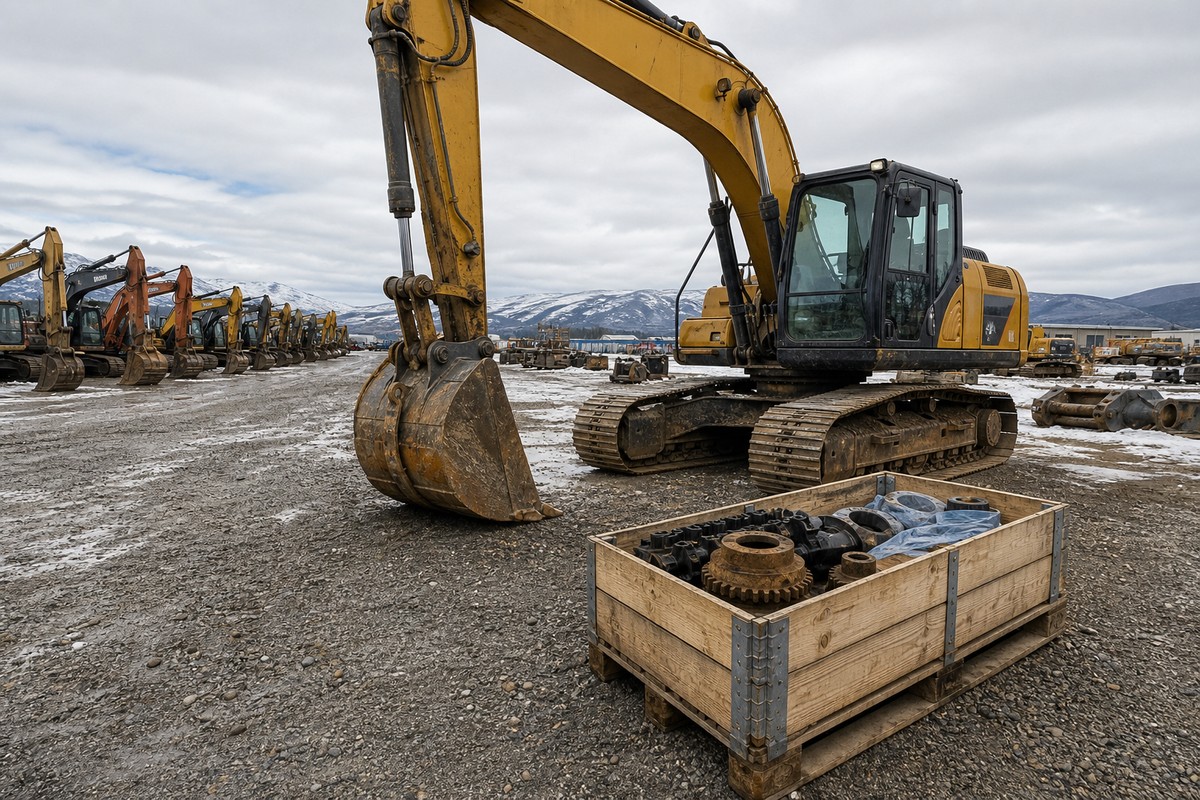
This page adds an English Canada support layer to PRIMA SEO without creating a premature full French translation. It is useful for Canadian equipment dealers, repair shops, contractors and importers comparing used excavators and parts support. Related PRIMA guides include used excavator supplier selection, pre-shipment inspection and the excavator parts supplier guide.
Buyer Summary
- Canada-focused sourcing should connect machine inspection with spare parts availability, not treat them as separate decisions.
- Quebec and French Canada buyers may use terms such as pieces d'excavatrice, mini excavatrice usagee, chenille d'excavatrice and pompe hydraulique d'excavatrice.
- Used excavator buyers should verify cold start, hydraulic response, undercarriage wear, bucket pins, leaks, serial number and documents.
- Parts buyers should confirm old-part photos, measurements, condition grade, warranty scope and packing evidence before shipment.
What should Canadian buyers check before sourcing a used excavator?
Buyers should review machine identity, inspection photos, running video, undercarriage condition, hydraulic response, leaks, documents and shipping plan.
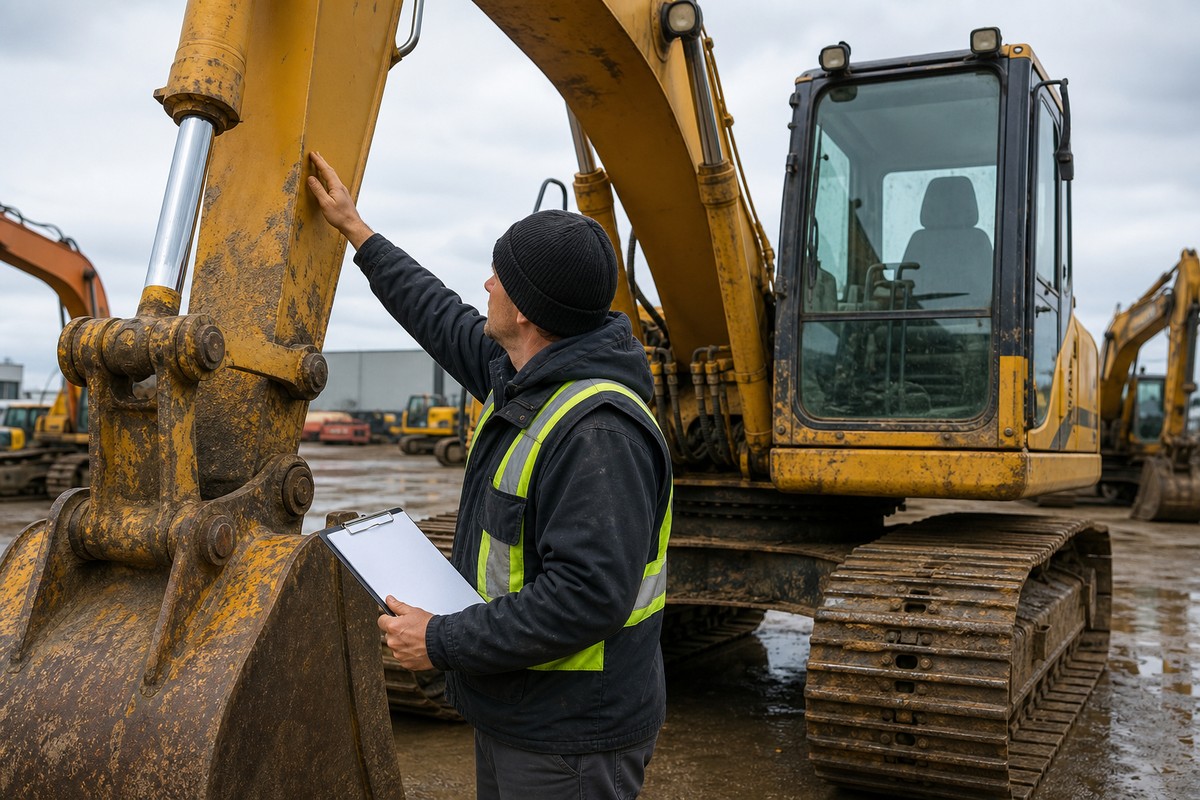
Canada has long distances, winter conditions and high downtime cost. A used excavator should not be evaluated only by year, hours and price. Buyers should ask for cold start evidence where possible, boom and stick condition, bucket pin wear, undercarriage wear and photos of the machine plate.
| Inspection item | Evidence | Why it matters |
|---|---|---|
| Machine identity | Serial plate and model photos | Confirms the machine being quoted |
| Running condition | Cold start and operating video | Reduces hidden engine/hydraulic risk |
| Wear areas | Undercarriage, pins, boom and bucket photos | Predicts repair cost after arrival |
Why should parts support be planned before the machine ships?
A cheaper used excavator can become expensive if hydraulic, undercarriage or drivetrain parts are hard to source after arrival.
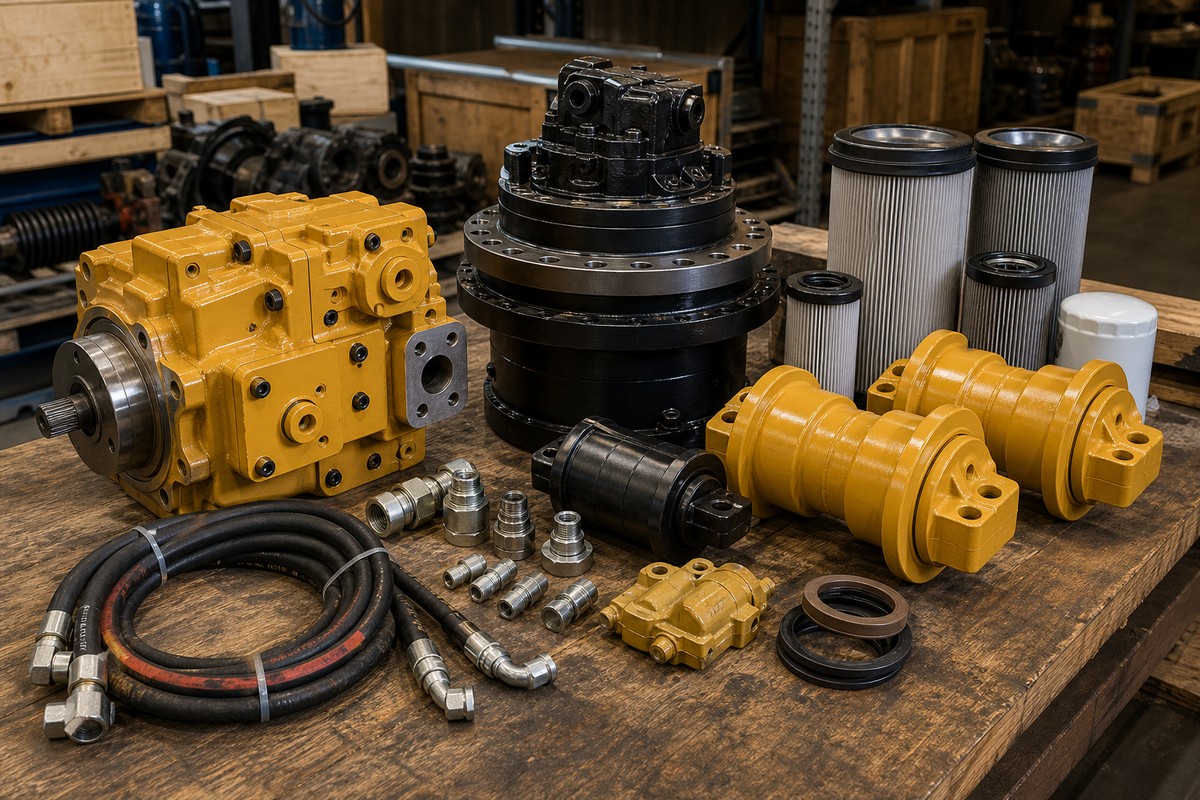
Canadian buyers should identify likely replacement parts before shipment. Hydraulic pump, final drive, track rollers, sprockets, idlers, track chains, filters and bucket wear parts should be considered when comparing machines. PRIMA can help buyers connect used machine selection with spare parts planning.
| Part group | Evidence to request | Buyer benefit |
|---|---|---|
| Hydraulic system | Pump, cylinder and hose photos | Controls early repair risk |
| Undercarriage | Track, roller, idler and sprocket photos | Estimates major wear cost |
| Bucket and pins | Bucket, tooth and pin photos | Shows immediate work readiness |
Which French Canada terms should be mapped for buyer communication?
French terms should help real buyers communicate clearly, not become keyword stuffing.
Useful terms include pieces d’excavatrice for excavator parts, mini excavatrice usagee for used mini excavator, chenille d’excavatrice for excavator track, pompe hydraulique d’excavatrice for excavator hydraulic pump and godet d’excavatrice for excavator bucket. Because some raw keyword imports had encoding noise, PRIMA should re-check native wording before publishing a full French page.
| English term | French Canada communication term | Use case |
|---|---|---|
| Excavator parts | pieces d'excavatrice | Parts inquiry |
| Used mini excavator | mini excavatrice usagee | Used machine search |
| Hydraulic pump | pompe hydraulique d'excavatrice | Hydraulic repair quote |
What fitment evidence should parts buyers send?
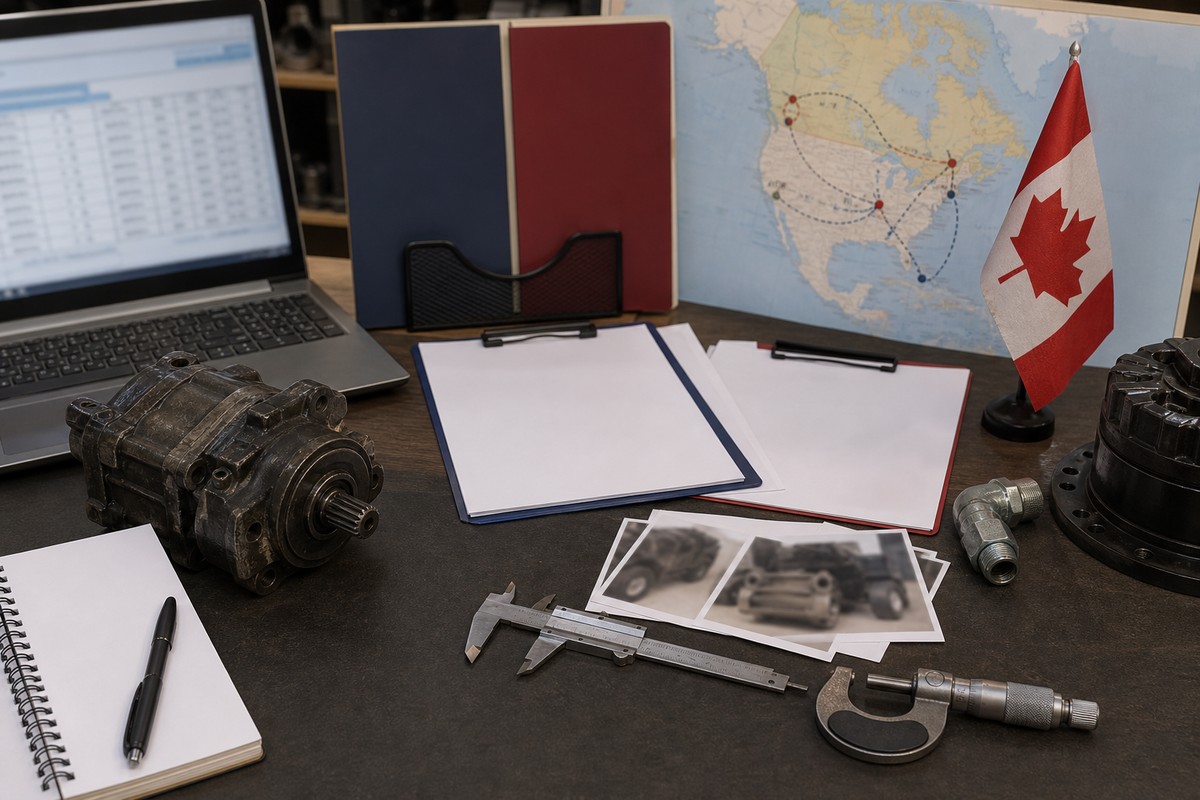
Parts buyers should send model, serial number, old-part photos, measurements, quantity, condition preference and urgency.
For Canadian repair shops and dealers, wrong parts are costly because shipping time is long. Old-part photos, port layout, bolt pattern, chain link count and measurement photos can matter more than a short text description. This is especially true for hydraulic pumps, final drives and undercarriage parts.
What should be confirmed before export shipping to Canada?
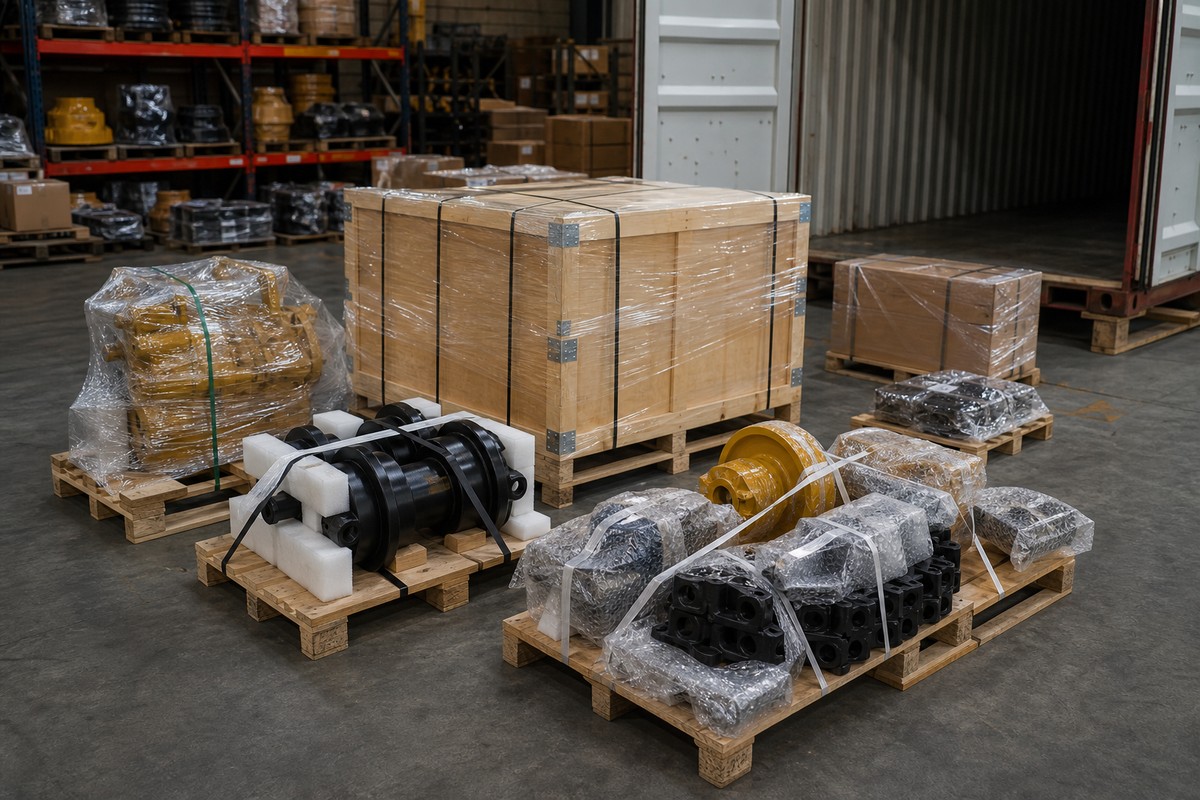
Before shipment, buyers should confirm packing photos, crate strength, moisture protection, documents, port plan and actual batch evidence.
Used machines and heavy parts need different shipping controls. Parts should be protected from impact and contamination. Used equipment should have photos and videos before loading. The buyer should keep a clear file of invoice, packing list, photos, video and shipment evidence.
Evidence Table
| Canadian buyer question | Evidence to request | Risk controlled |
|---|---|---|
| Is the used excavator worth importing? | Inspection photos, running video and document check | Hidden condition cost |
| Can it be repaired after arrival? | Likely parts list and old-part evidence | Downtime after delivery |
| Will shipment be controlled? | Packing, loading and document evidence | Damage and customs delay |
Buyer FAQ
Should Canadian buyers choose a used excavator only by price?
No. Inspection evidence, parts availability, shipping cost and repair risk should be compared with price.
Is a full French PRIMA page ready now?
Not yet. The current safer step is an English Canada support page with verified French communication terms while technical language metadata is improved.
What parts should Canadian buyers plan first?
Hydraulic pumps, final drives, undercarriage parts, filters, hoses, bucket teeth and pins are common planning items.
Conclusion
Canadian used-equipment sourcing should combine machine inspection, parts support and shipping evidence. PRIMA should help buyers verify condition, fitment and export readiness before payment, especially when replacement parts or French/English terminology could create confusion.
References
- Canada Border Services Agency importing: General Canadian importing reference.
- ISO 9001: General supplier quality-system reference.
- Caterpillar parts: Useful reference for parts identification logic.