
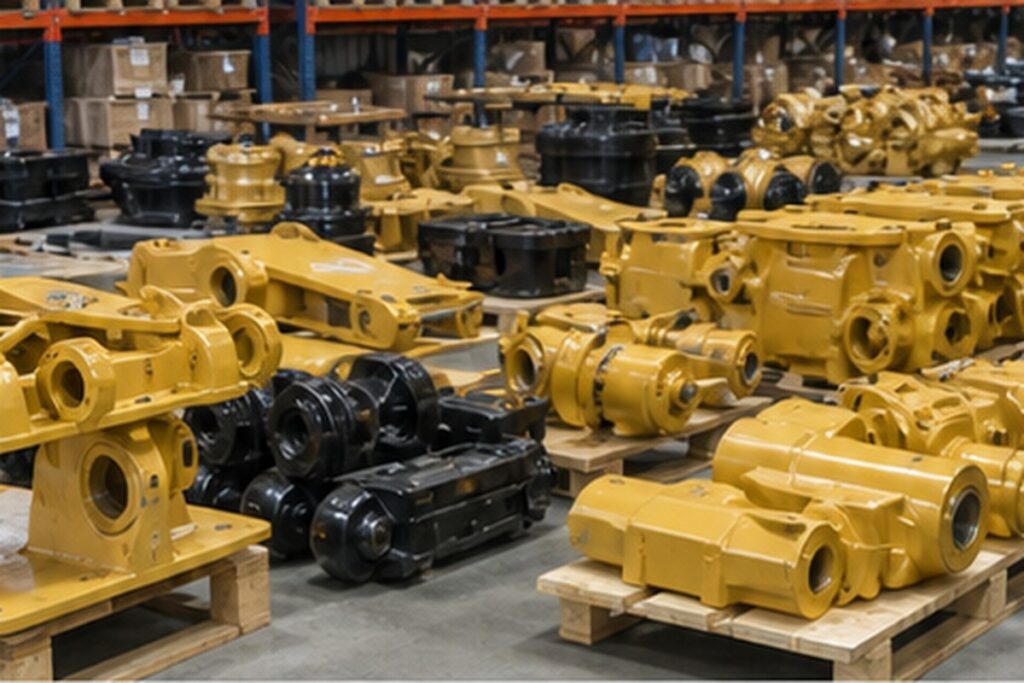
Buyers should compare heavy equipment parts suppliers by checking machine model coverage, serial and old-part evidence, part-number cross-reference, condition grade, new/aftermarket/used/rebuilt boundary, testing proof, packing quality, shipment documentation, communication speed and clear limits on brand authorization or local-stock claims.
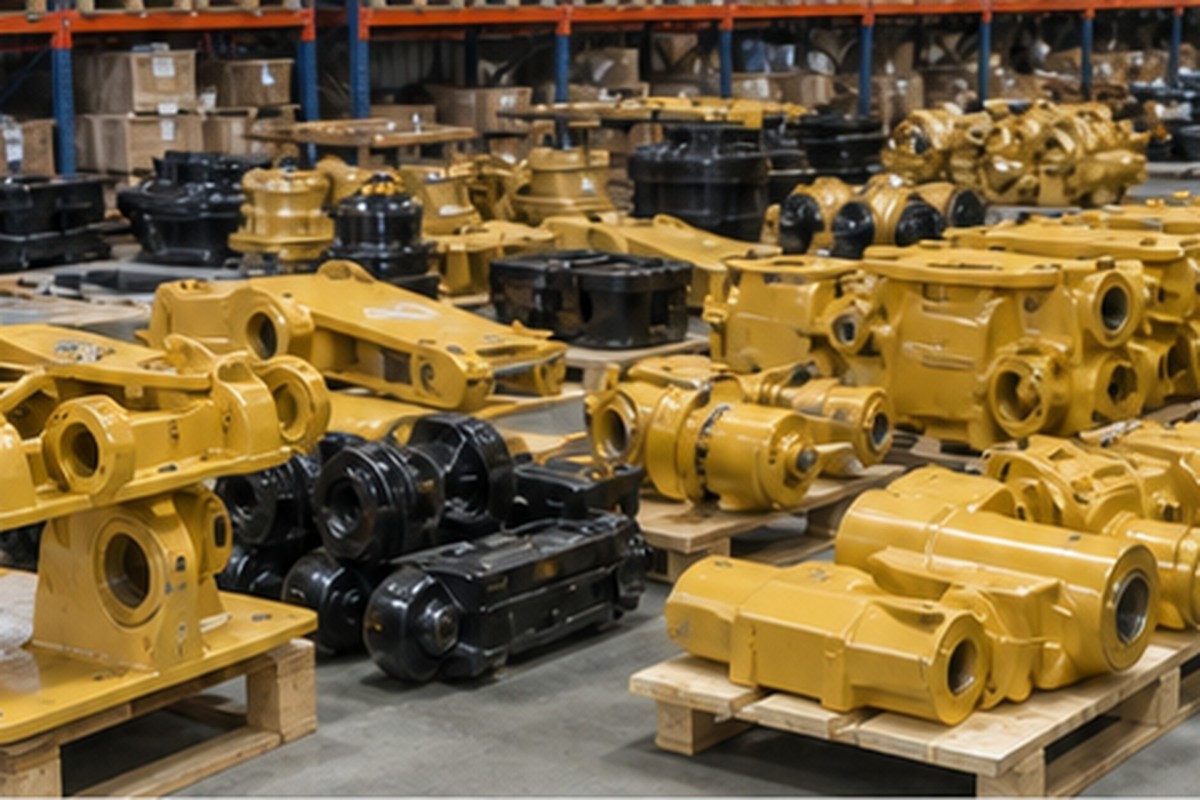
This PRIMA guide supports heavy equipment parts and heavy equipment parts supplier searches while keeping the scope tied to PRIMA’s excavator and parts evidence. It links to the excavator parts supplier hub, UAE heavy-equipment spare parts supplier guide, CAT parts checklist and hydraulic pump hub.
Quick answer: what separates a usable parts supplier from a risky one?
A usable heavy equipment parts supplier should ask for model, serial context, old-part photos, part number or casting evidence, measurements and failure symptoms before quoting critical parts. The supplier should state whether the item is new, aftermarket, used or rebuilt, provide photos or test boundaries, protect ports and machined surfaces, and show final packing proof. PRIMA should avoid official, OEM, exclusive, local-stock or authorized-dealer claims unless current evidence proves them. Buyer trust comes from fitment proof, transparent limits and shipment evidence.
Buyer Summary
- Supplier comparison should start from fitment evidence, not catalog width.
- Condition grade must be separated: new, aftermarket, used and rebuilt are different risks.
- Brand names should be descriptive compatibility terms unless authorization is proven.
- Packing and final photos are part of supplier quality, not an afterthought.
Which fitment questions should a supplier ask first?
A serious supplier asks for evidence before price.
For hydraulic, final drive, undercarriage, engine and bucket parts, the supplier should request model, serial context, old-part photos, part number, casting mark, dimensions or failure symptoms. If the buyer only sends a brand name, PRIMA should keep the quote conditional.
Heavy equipment parts may cross excavator, loader, dozer and other machine families. PRIMA should support relevant requests while staying clear about where evidence is excavator-specific.
| Check | Evidence | Buyer value |
|---|---|---|
| Model and serial | Machine and plate context | Correct routing |
| Old-part photos | Front, side, port and measurement views | Variant control |
| Symptoms | Video or mechanic notes | Avoids wrong diagnosis |
How should condition grade be compared?
Price is meaningful only after grade is clear.
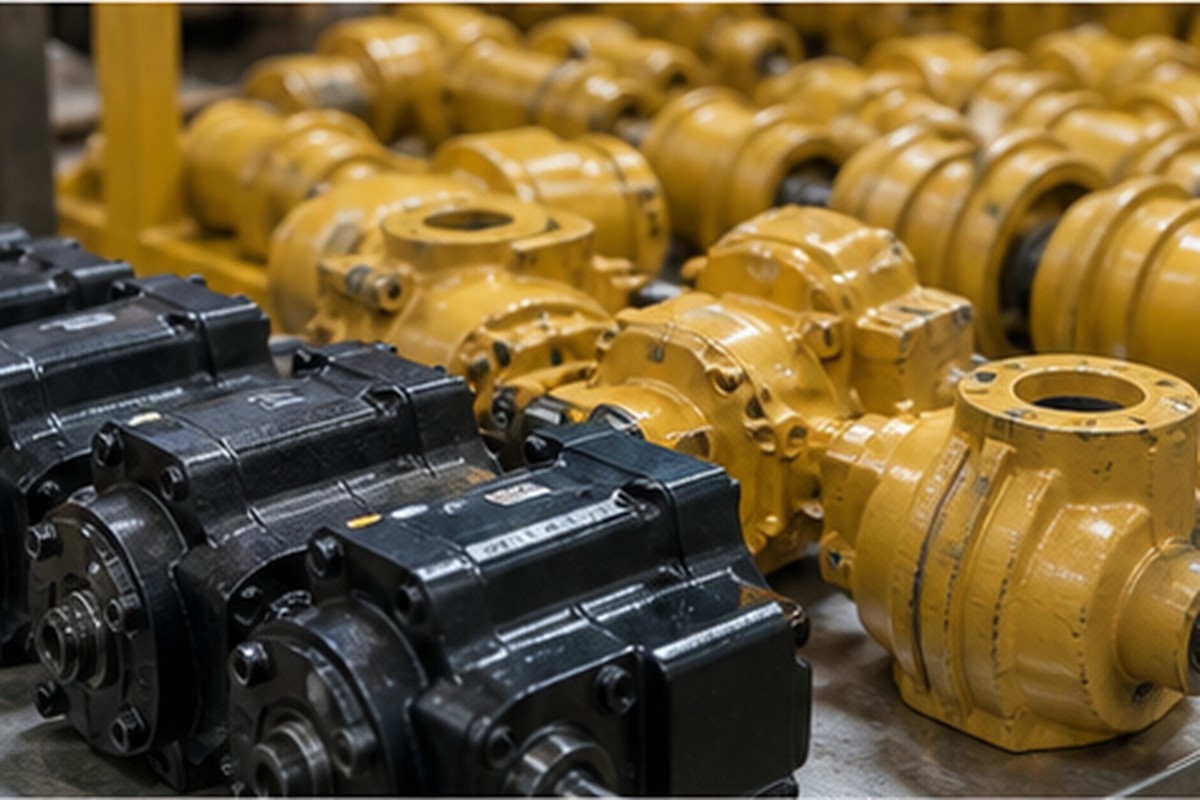
New, aftermarket, used and rebuilt parts should not be compared as if they carry the same risk. The quote should state condition, inspection boundary, test evidence where available, warranty limit and whether photos show the actual unit.
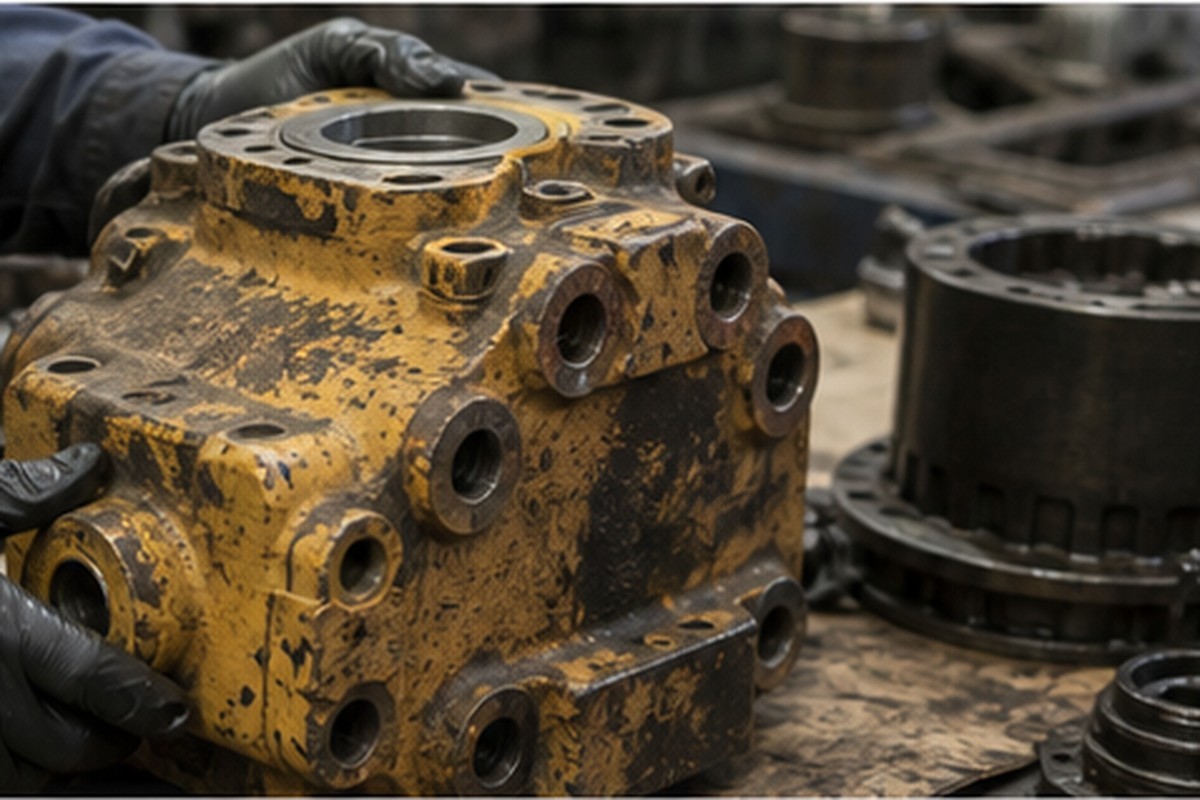
Used and rebuilt parts can be practical for older machines, but buyers need visible condition evidence and a clear limit on what has been tested or rebuilt.
| Check | Evidence | Buyer value |
|---|---|---|
| New/aftermarket | Finished product and QC photos | Predictable fitment path |
| Used | Actual-unit photos | Budget and urgency |
| Rebuilt | Repair scope and test boundary | Balanced risk |
What claims should be avoided without proof?
Overclaiming creates commercial and SEO risk.
PRIMA should not claim official, authorized, OEM, exclusive dealer, local warehouse or guaranteed stock status unless current evidence exists. Brand names such as CAT, Caterpillar, Komatsu, Hitachi, Volvo or SANY should be used descriptively for compatibility and buyer-search context.
A stronger page states practical proof: serial evidence, old-part photos, measurements, condition and packing. That is safer and more useful than unsupported status language.
| Check | Evidence | Buyer value |
|---|---|---|
| Brand wording | Descriptive compatibility only | Avoids false claims |
| Stock claims | Current item proof | Avoids disappointment |
| Warranty claims | Written boundary | Sets expectations |
How should packing and shipment proof be judged?
Supplier quality continues after the quote.
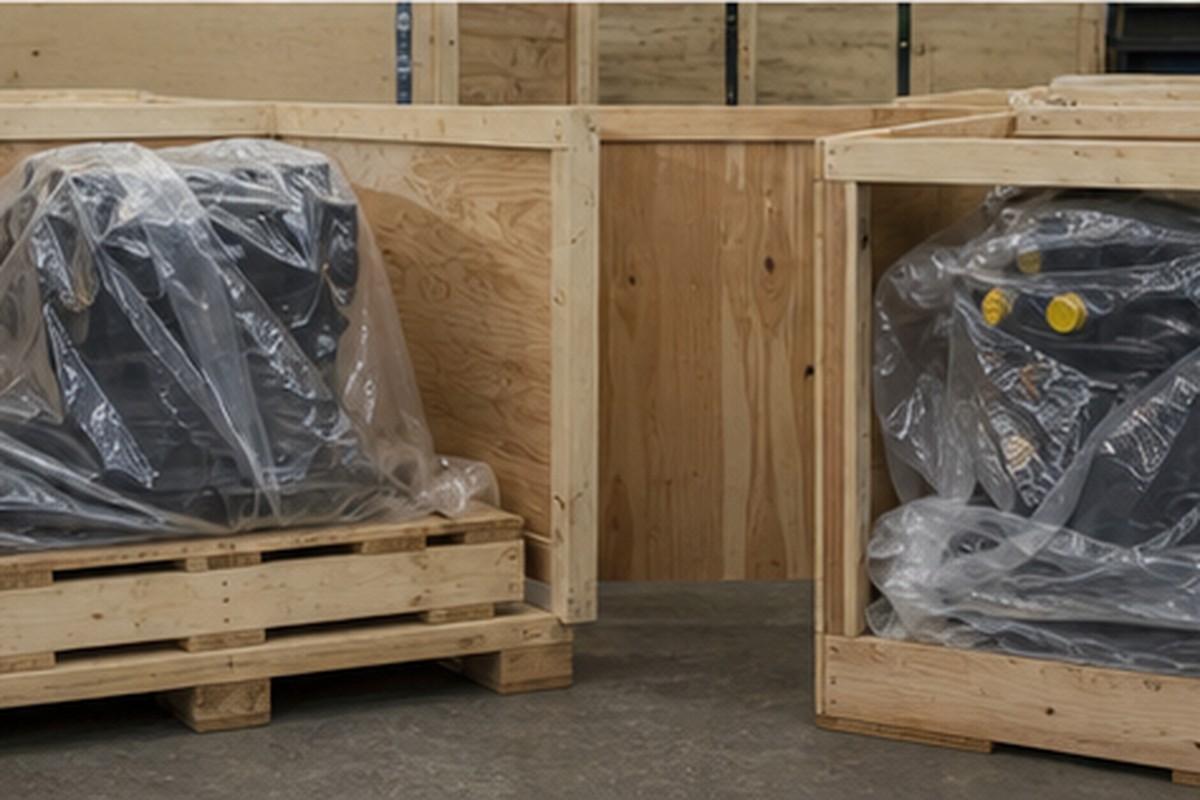
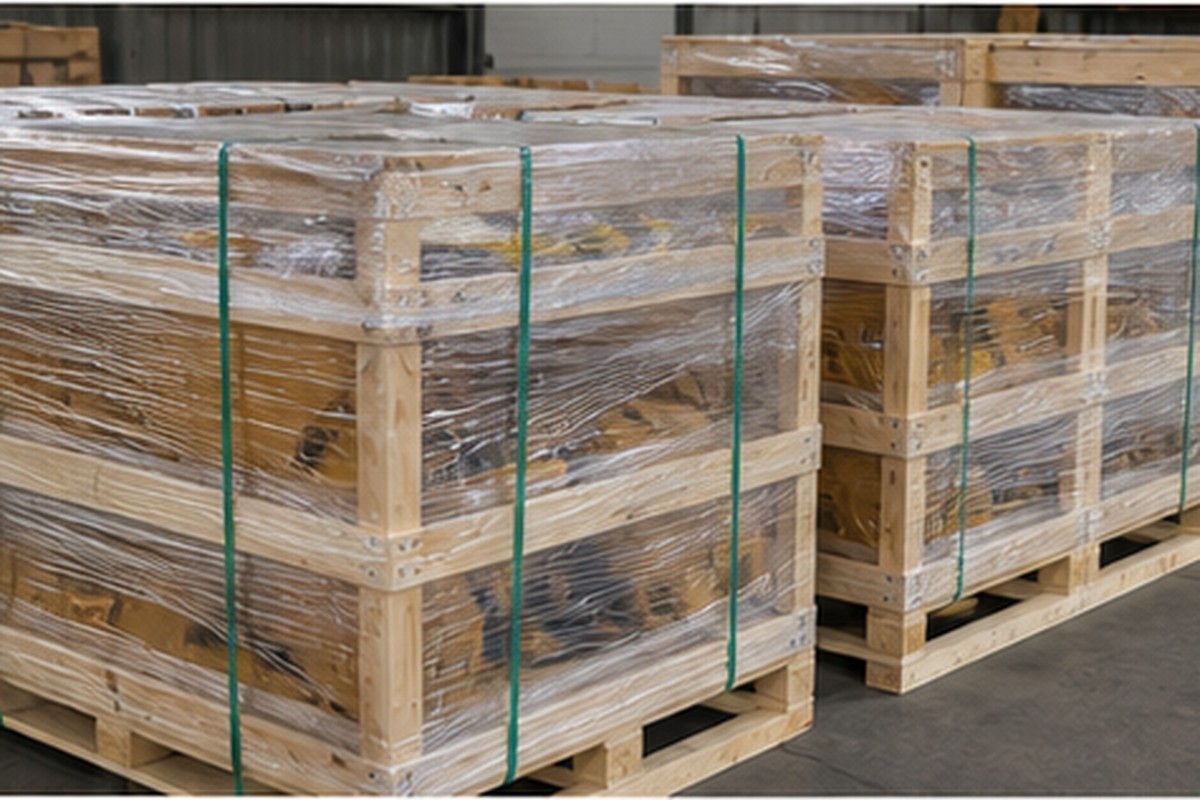
Hydraulic pumps, final drives, swing motors, rollers, sprockets, buckets and mixed parts need different packing. Ports should be capped, shafts protected, machined faces covered, heavy items supported and mixed orders separated clearly.
Final photos, packing list and shipment documents help the buyer receive and verify the order. They also reveal whether the supplier can handle heavy equipment parts, not just sell them.
| Check | Evidence | Buyer value |
|---|---|---|
| Ports and shafts | Caps and protection | Damage prevention |
| Heavy parts | Crate or pallet support | Safe handling |
| Mixed orders | Separated photos and packing list | Receiving control |
Evidence Table
| Buyer question | Evidence PRIMA should provide | Why it matters |
|---|---|---|
| Can the supplier confirm fitment? | Model, serial, old-part photos and measurements | Prevents wrong parts |
| Is the condition grade clear? | New, aftermarket, used or rebuilt boundary | Makes price comparison fair |
| Are claims supportable? | No official/local/OEM claims without proof | Reduces trust risk |
| Can the supplier ship safely? | Packing photos, crate support and shipment documents | Protects heavy parts |
Key Facts For PRIMA Buyers
- The 2026-06-01 priority CSV includes PRIMA P0 heavy equipment parts and heavy equipment parts supplier intent.
- PRIMA's strongest evidence path is fitment proof, condition grade and packing proof.
- Brand names should be descriptive unless authorization is proven.
- Final packing photos are a supplier-quality signal.
Buyer FAQ
Should buyers choose the cheapest heavy equipment parts supplier?
No. Compare fitment proof, condition grade, test boundary, packing and communication before price.
Can PRIMA use brand names in supplier pages?
Yes, descriptively for compatibility context, but not as official authorization claims.
What makes rebuilt parts different from used parts?
Rebuilt parts should state repair scope and test boundary; used parts need actual-unit photos and condition limits.
What proof should be saved before shipment?
Final item photos, packing photos, packing list and shipment document plan.
Conclusion
Heavy equipment parts supplier comparison should be evidence-led. PRIMA should win trust by asking for fitment proof, separating condition grades, avoiding unsupported claims and documenting packing before shipment.
References
- U.S. CBP importer guidance: Import-document responsibility reference.
- UK HSE excavator safety notes: General excavator safety and handling context.