
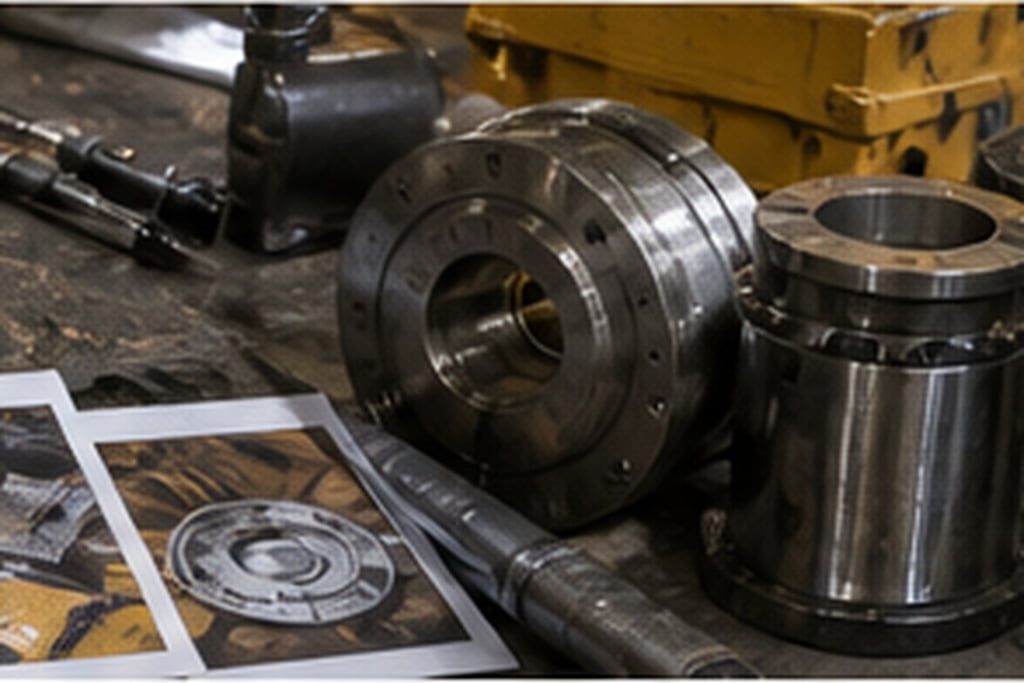
Before buying CAT excavator parts from an export supplier, buyers should confirm the machine model, serial number, old-part photos, visible part number, condition option, warranty boundary, destination and packing evidence, because PRIMA is not an official CAT channel and fitment evidence must carry the decision.
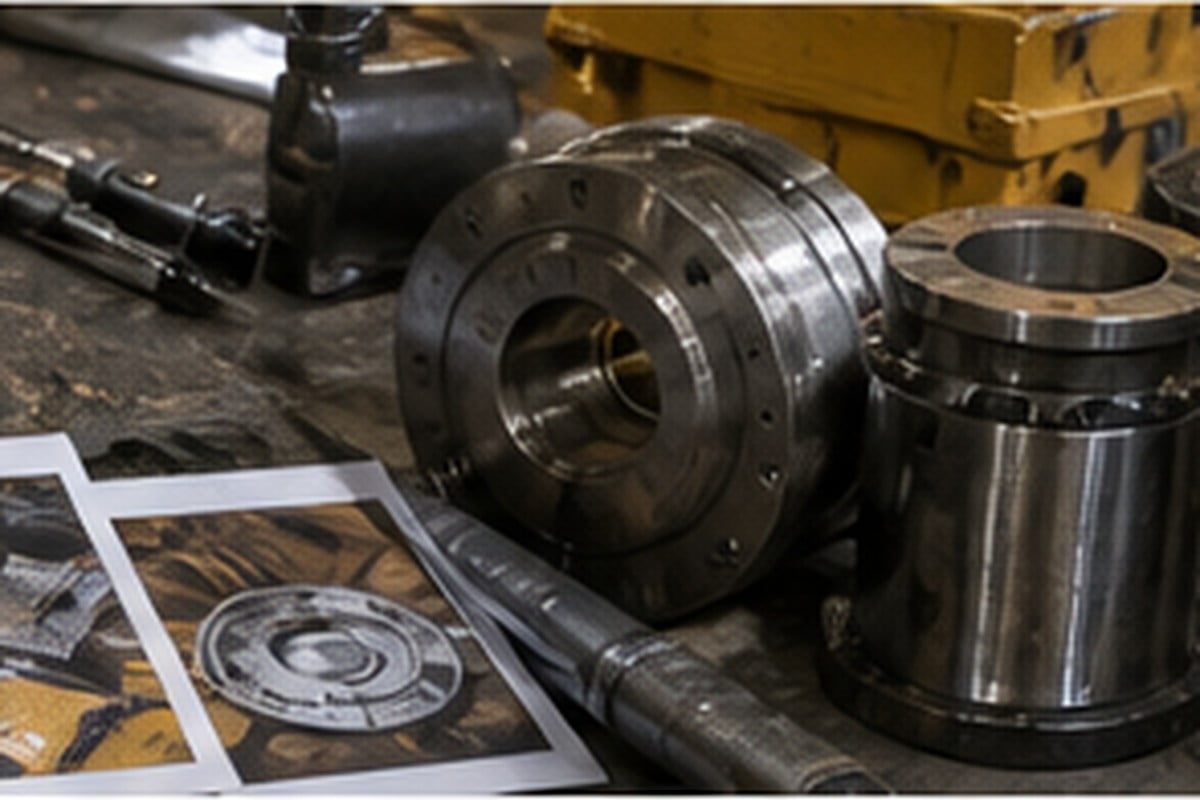
CAT and Caterpillar excavator parts searches are high intent, but they also create a risk: buyers may confuse official dealer channels, aftermarket suppliers, used-part traders and rebuilt-part offers. PRIMA should be positioned as a practical sourcing and verification partner, not as an authorized CAT dealer. This guide supports the CAT undercarriage guide, the excavator parts supplier guide and the spare-parts fitment checklist.
Buyer Summary
- Do not confirm CAT excavator parts from model name alone; serial number, part number and old-part photos reduce wrong-fit risk.
- OEM, aftermarket, used and rebuilt parts should be quoted with different evidence, price logic and warranty boundaries.
- Hydraulic, undercarriage, engine and drivetrain parts need more fitment evidence than simple filters or hardware.
- Export buyers should receive actual-part photos, packing photos and document consistency before final payment.
What should buyers confirm before requesting CAT excavator parts?
The first quote file should include full machine identity, the failed part, the required condition grade and the destination.
CAT model names are useful starting points, but they are not enough for final confirmation. A CAT 320, 312 or 336 can have different serial ranges, regional configurations, previous repairs or replacement components. PRIMA should ask for the complete model, serial plate photo, part-number photo if available, photos of the old part from several angles, failure symptoms and whether the buyer wants OEM, aftermarket, used or rebuilt condition.
This evidence also protects the commercial discussion. When the buyer sends only a short message such as CAT excavator parts, the quotation can only be provisional. Once the buyer sends actual photos and numbers, PRIMA can compare the option, warranty boundary, packing plan and delivery risk with much more confidence.
| Buyer data | Evidence to request | Why it matters |
|---|---|---|
| Machine identity | Model and serial plate photo | Confirms variant and range |
| Part identity | Part number, casting mark, old-part photos | Avoids similar but wrong parts |
| Condition need | OEM / aftermarket / used / rebuilt | Matches price, risk and warranty |
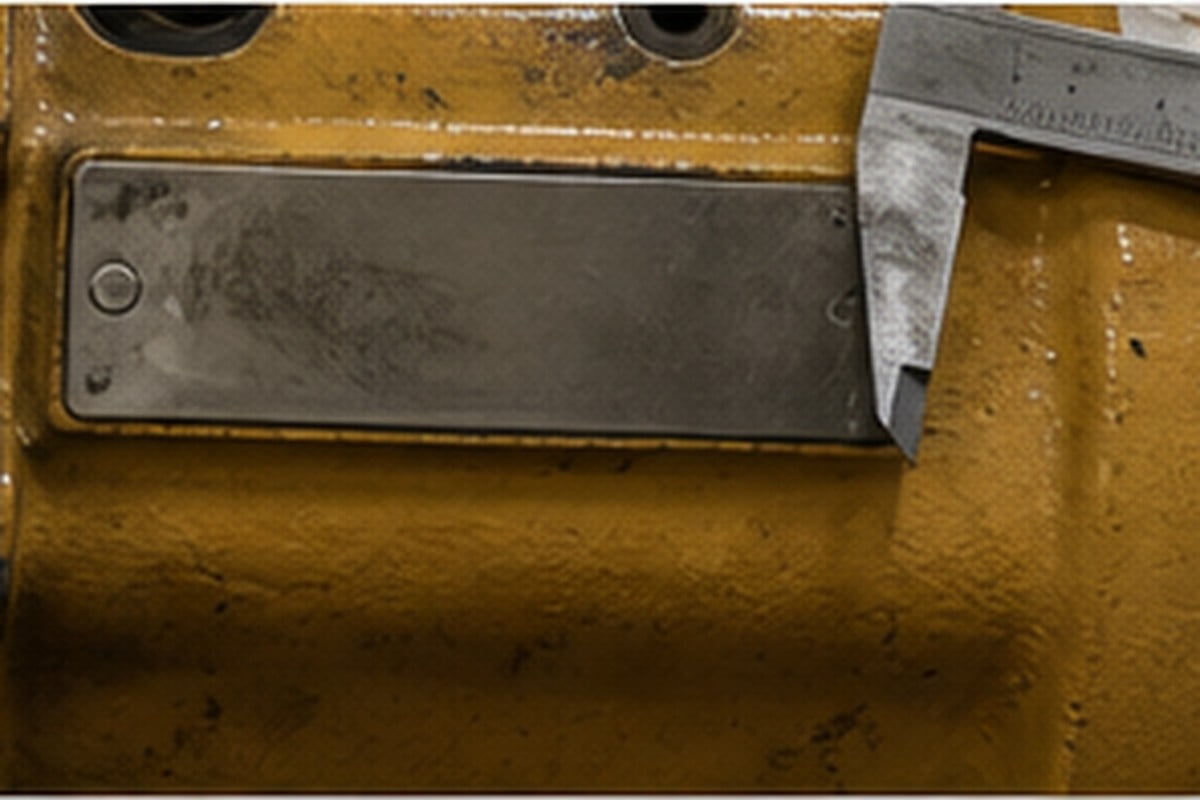
How part number, serial number and old-part photos reduce wrong-fit risk
Part-number evidence is strongest when it is paired with machine serial data and real photos of the removed component.
A visible part number can be useful, but it should not be treated as perfect by itself. Parts may have been replaced before, rebuilt with mixed housings or marked with supplier-specific numbers. Serial number and photos help PRIMA check whether the part belongs to the machine configuration and whether ports, bolt pattern, shaft, roller dimensions, link count or mounting geometry match.
For high-risk parts, PRIMA should keep the original buyer photos in the quote file. This makes later shipment evidence easier to compare: the shipped part, crate label, invoice and buyer request should all point to the same component. If a key photo is missing or blurry, the quote should stay conditional until better evidence arrives.
| Evidence | Best use | Weak point |
|---|---|---|
| Part number | Identifies catalog path | May be missing or replaced |
| Serial number | Confirms machine range | Does not show old-part condition |
| Old-part photos | Shows real geometry and wear | Needs clear angles |
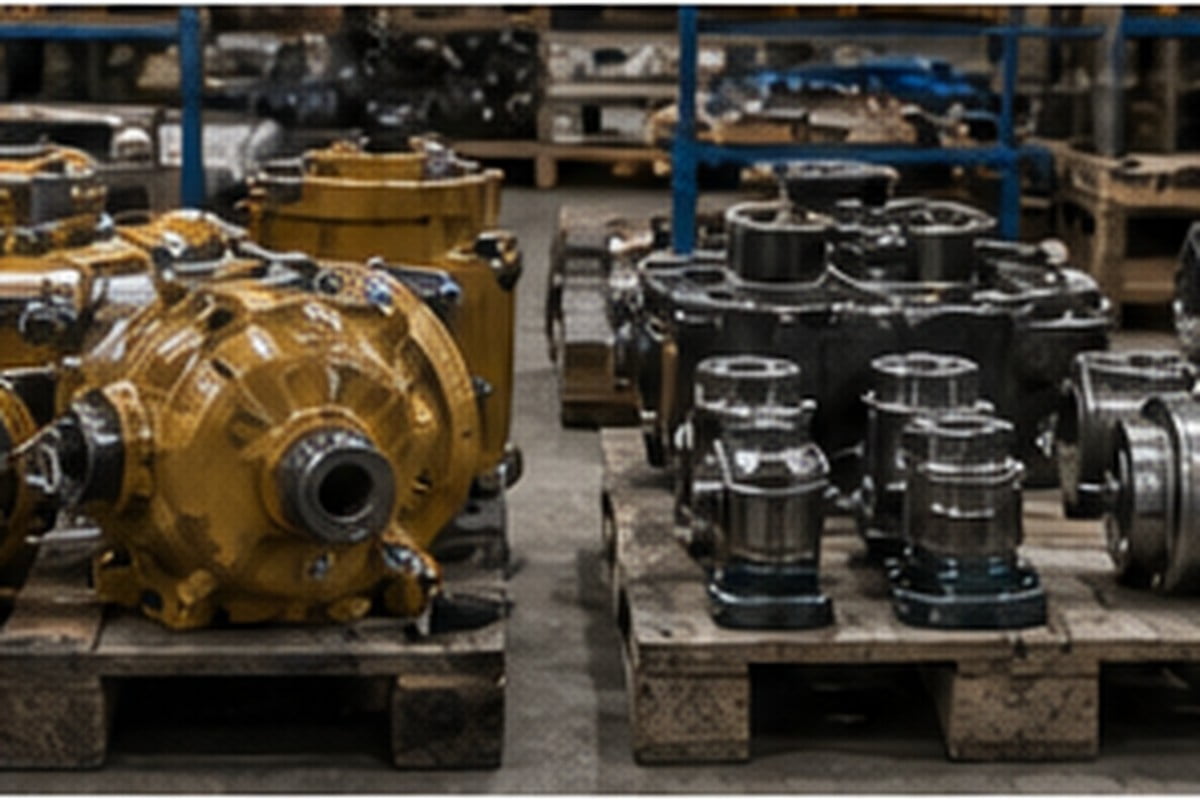
OEM, aftermarket, used and rebuilt CAT parts: what evidence should match each option?
Different condition grades can all be useful, but they should not be sold as if they carry the same evidence or risk.
OEM or original CAT parts may be best for critical repairs, long-life fleet machines or buyers who prioritize warranty clarity. Aftermarket parts may control cost when the supplier can show dimensions, material confidence and fitment checks. Used parts can solve budget or urgent supply problems, but they need actual photos and honest condition grading. Rebuilt hydraulic and drivetrain parts should include repair scope, test evidence when available and clear warranty boundaries.
PRIMA should explain these differences before the buyer chooses only by price. For original parts, most warranty expectations are longer; for used or consumable parts, warranty may be shorter or limited. The article should avoid promising a universal policy and should connect every claim to the buyer’s requested condition grade.
| Option | Good fit | Evidence to show |
|---|---|---|
| OEM/original | Critical machine, long-term use | Part number, source, warranty boundary |
| Aftermarket | Cost control with fitment proof | Dimensions and quality evidence |
| Used/rebuilt | Urgency or budget repair | Actual photos and inspection/test notes |
Which CAT excavator parts need extra fitment checks?
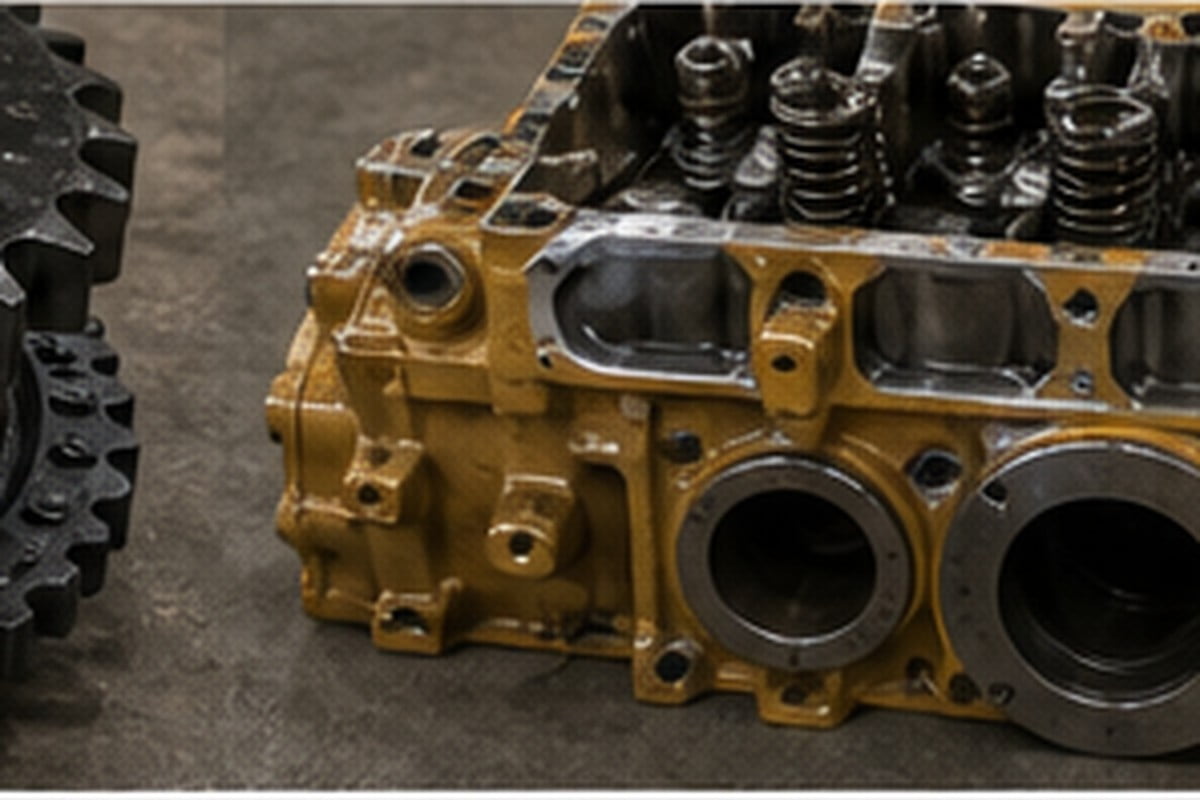
Hydraulic pumps, final drives, swing motors, undercarriage parts, buckets and engine assemblies need more than a quick model lookup.
Hydraulic pumps need port layout, regulator, rotation, mounting and old-pump photos. Final drives and swing motors need shaft, brake, case-drain, mounting and gear evidence. Undercarriage parts need dimensions, link count, pitch, shoe width, sprocket wear and idler/roller condition. Buckets need pin diameter, pin-center distance, ear width and coupler type.
PRIMA should separate simple repeat-buy parts from fitment-sensitive parts. If the buyer is ordering several groups at once, the quote file should be organized by part group so the warehouse and buyer can compare the same evidence before shipment. This is especially important for dealers and repair shops buying mixed CAT excavator parts for multiple machines.
| Part group | Extra fitment evidence | Common risk |
|---|---|---|
| Hydraulic parts | Ports, regulator, rotation | Hose or control mismatch |
| Undercarriage | Pitch, link count, dimensions | Premature wear or wrong fit |
| Bucket/attachment | Pin, ear and coupler data | Cannot install without rework |
How PRIMA verifies, packs and documents CAT parts before export
Export evidence should connect the quoted part, actual photos, packing protection and shipment documents.
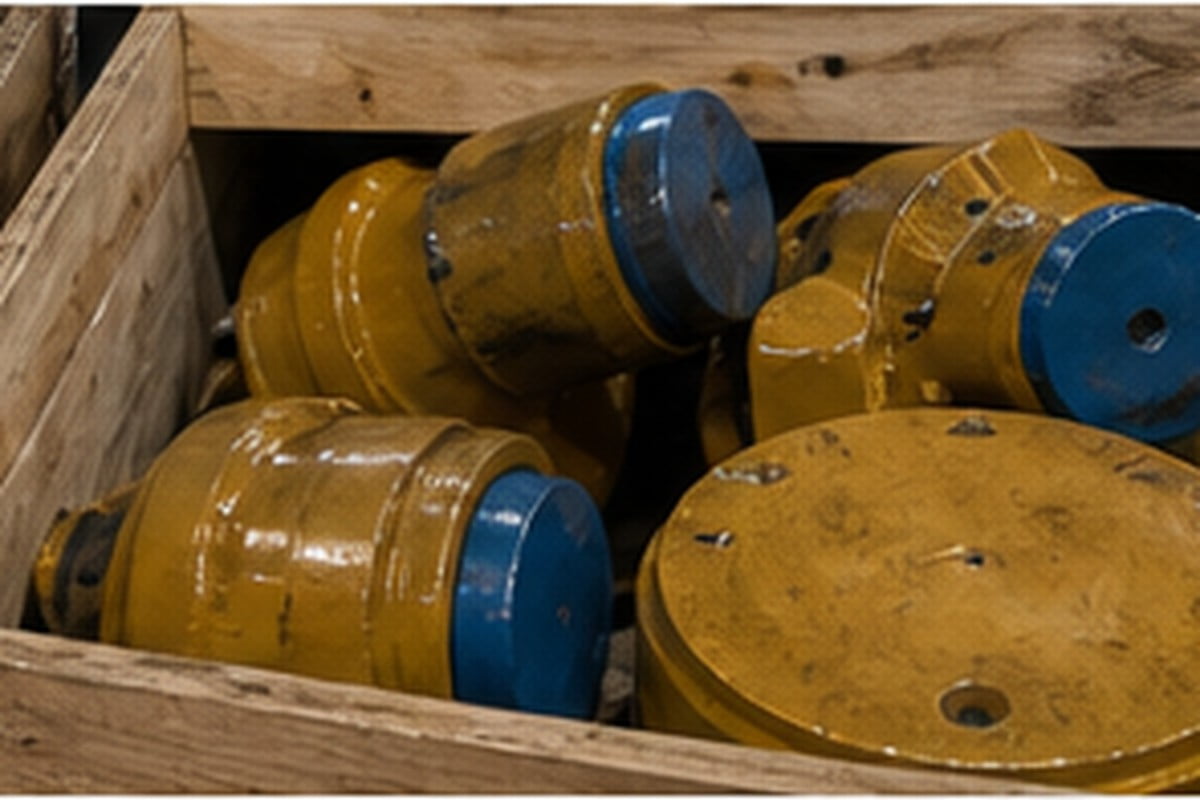
Before shipment, PRIMA can provide actual-part photos, measurement photos, packing photos and document checks. Hydraulic ports should be capped, machined faces protected, heavy components fixed inside crates and undercarriage parts secured against movement. The buyer should be able to compare the shipped part with the quote-file evidence before the cargo leaves.
For mixed CAT excavator parts orders, PRIMA should label groups clearly and keep photo records by machine or part group. This reduces the chance that a repair shop receives the right parts but cannot match them to the correct machine after arrival.
| Step | Proof | Buyer value |
|---|---|---|
| Pre-shipment check | Actual-part and measurement photos | Confirms match |
| Packing | Caps, crate, padding, labels | Reduces damage |
| Document match | Invoice and packing list consistency | Reduces arrival disputes |
Evidence Table
| Buyer question | Evidence PRIMA should request | Value |
|---|---|---|
| Will the CAT part fit? | Model, serial, part number and old-part photos | Prevents wrong shipment |
| Which condition grade is suitable? | OEM, aftermarket, used or rebuilt requirement | Aligns price and warranty |
| Can it survive export shipping? | Packing photos, labels and protected surfaces | Reduces damage and dispute risk |
Buyer FAQ
Is PRIMA an official CAT parts dealer?
No. PRIMA should not be presented as an official CAT channel. The value is sourcing, fitment checking, condition explanation and export evidence.
Is a CAT excavator model name enough for parts quotation?
No. It helps, but serial number, old-part photos and part-number evidence are needed before final confirmation.
Can used CAT excavator parts be acceptable?
Yes, when actual photos, condition grade, fitment evidence and warranty boundaries match the buyer's risk level.
Conclusion
CAT excavator-parts sourcing should be evidence-led. PRIMA can reduce wrong-fit and export risk by confirming serial number, part number, actual photos, condition grade and packing proof before shipment.
References
- Cat Parts official store: Useful reference for official-channel expectations and part-number discipline.
- CAT undercarriage overview: General reference for undercarriage component context.
2026-06-08 repair: Spanish Caterpillar support and part-number proof added
This repair links the CAT parts page to the Spanish Caterpillar-compatible support page and the general part-number verification checklist while keeping non-authorization wording clear.
Buyer Summary
- Added Spanish Caterpillar-compatible support link.
- Added part-number verification link.
- Reinforced descriptive CAT/Caterpillar wording.
Repair Evidence Table
| Gap | Repair | Buyer value |
|---|---|---|
| Spanish support | Localized page linked | LATAM route |
| Part number | General proof linked | Fitment control |
| Brand wording | No official-dealer claim | Safer sourcing |
Internal Link Updates
- Como verificar repuestos Caterpillar para excavadora antes de importar desde China?
- How Should Buyers Verify Excavator Part Numbers Before Ordering from China?
External Reference
2026-06-12 PRIMA evidence update
Adds Indonesian Caterpillar parts wording and fitment evidence without official-dealer overclaim.
2026 Component Fitment Evidence Update
CAT/Caterpillar parts page refreshed with engine-part and hydraulic support links while keeping brand-claim boundaries clear.