
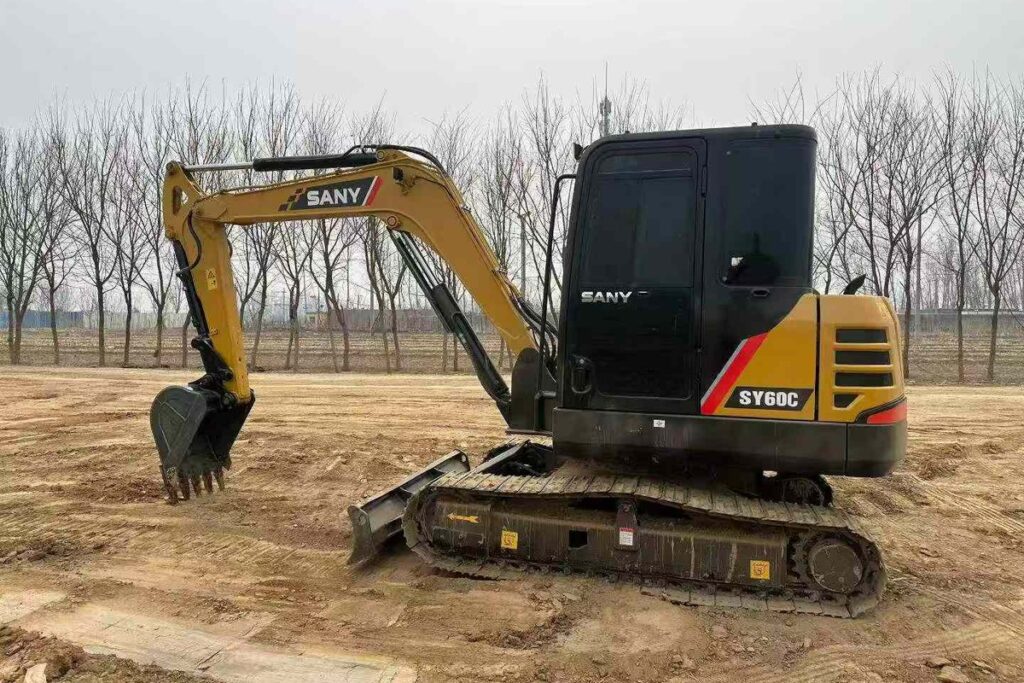
Buyers should check a used SANY SY60C mini excavator from China by confirming the exact product record, current availability, model and serial evidence, hour meter, all-side photos, cab monitor, engine condition, hydraulic movement, swing, travel, rubber-track and undercarriage wear, attachment fit, export documents, loading proof and parts support. A compact excavator can look clean in photos but still have travel, hydraulic or undercarriage costs, so the buyer should turn every missing proof item into a question before payment.
The SANY SY60C is a compact excavator class that many buyers compare for landscaping, municipal work, rental fleets and light construction. Because the machine is smaller than a 20-ton excavator, buyers sometimes underestimate inspection risk. Track wear, hydraulic performance, blade or bucket condition and missing documents can still change the landed cost.
This page works with PRIMA’s used mini excavator from China guide and the broader pre-shipment inspection guide. SANY wording is descriptive for used-machine identity and does not create an official-dealer claim.
Buyer Summary
- Best for buyers checking a compact used excavator before deposit, balance payment or container loading.
- Confirm one exact SY60C unit with product page, photos, hour meter and availability note.
- Review rubber tracks, rollers, blade, bucket, hydraulics, swing and travel videos before shipment.
- Keep documents and loading proof in the same file as the product record.
Quick answer: what matters most on a used SANY SY60C check?
A used SANY SY60C check should prove that the quoted mini excavator is the same machine shown in photos and videos. Buyers should request model and serial evidence, hour meter, all-side photos, rubber-track and roller views, bucket and blade photos, cold start, hydraulic cycle, swing, straight travel, turn response, warm leak check, invoice wording, loading photos and spare-parts support. The decision should not rely only on price or a clean paint view. PRIMA should clearly mark what is proven, unknown or conditional.
How should buyers confirm the SY60C product record?
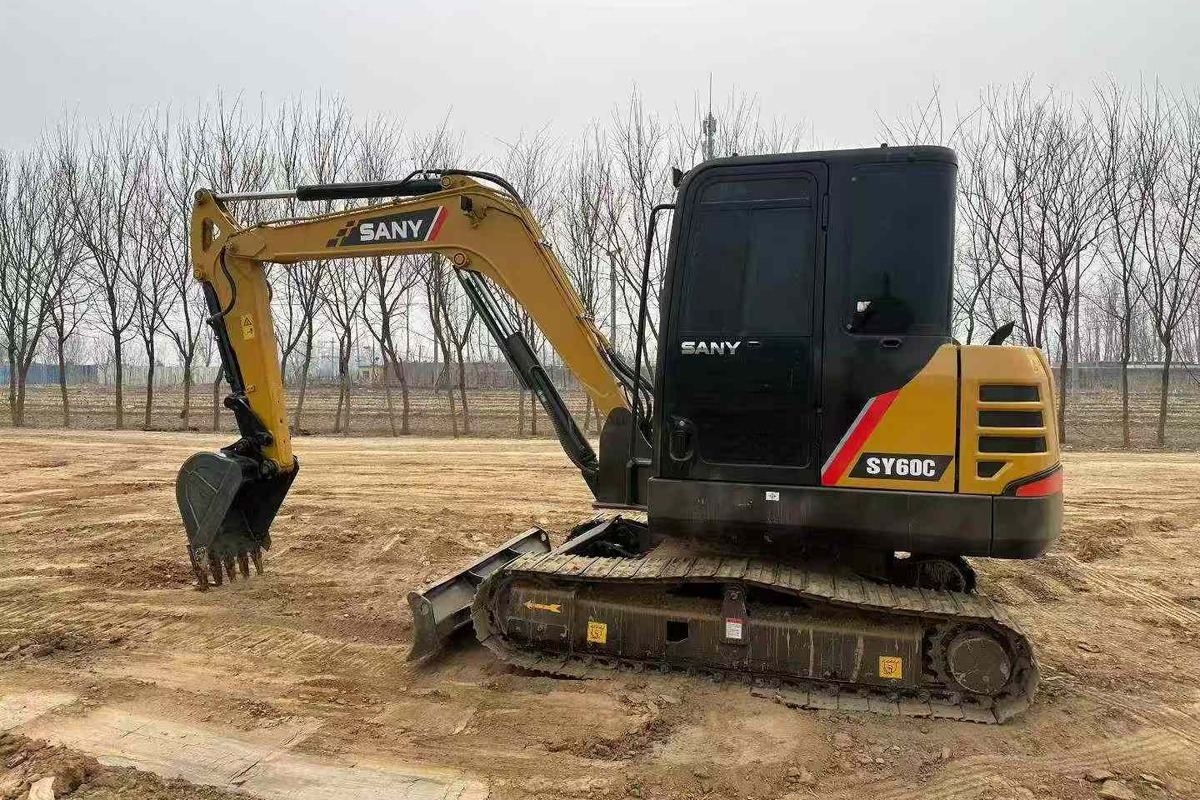
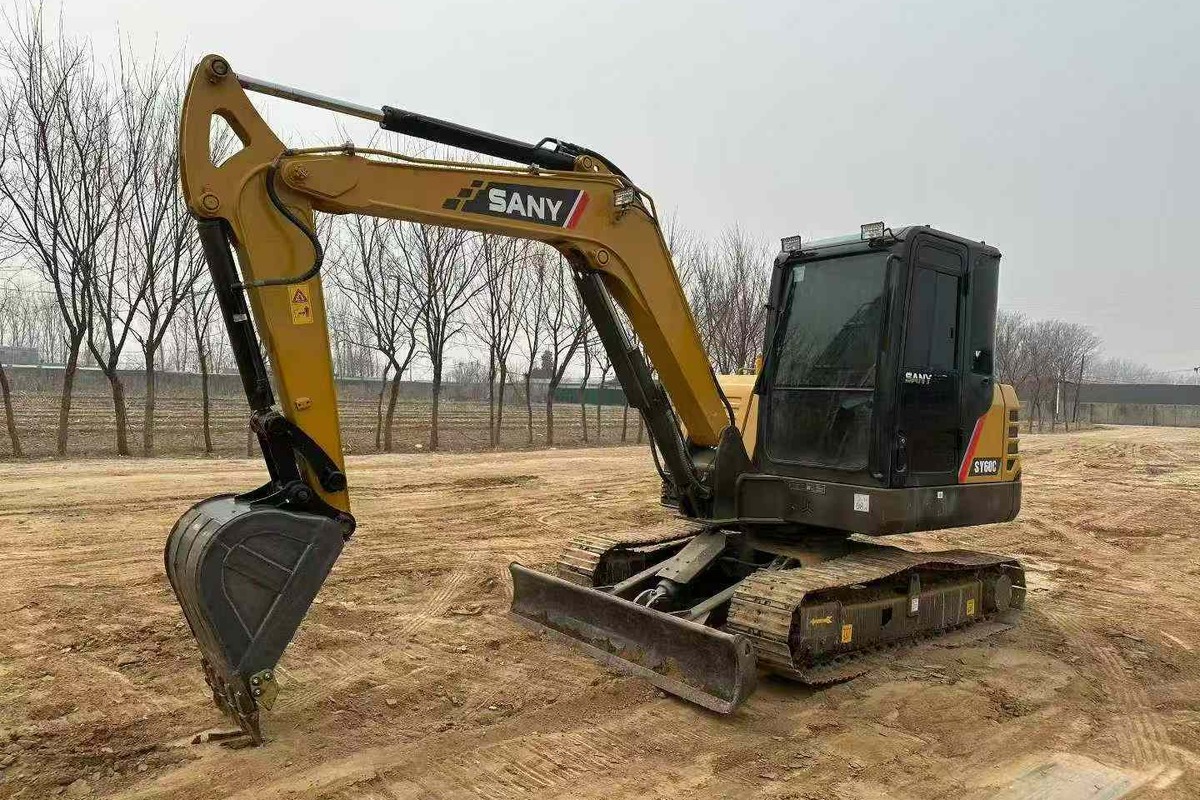
A compact excavator listing should still identify one exact machine. Buyers should save the product URL, model label, serial or identity photo when available, hour meter, quote and current availability note. If several similar SY60C units are in the yard, each record should have its own photos and video evidence.
The safest record lets the buyer compare the same exterior condition across side, front, rear and cab photos. When the record uses one attractive side photo only, the buyer should pause and ask for a complete current set.
| Check area | Evidence to request | Risk reduced |
|---|---|---|
| Exact unit | Product page, quote, model and serial context | Wrong-unit shipment |
| Hours | Meter photo plus visible wear comparison | Misleading use estimate |
| Availability | Current stock and reservation status | Paying for a sold unit |
Which compact-excavator wear points need close photos?
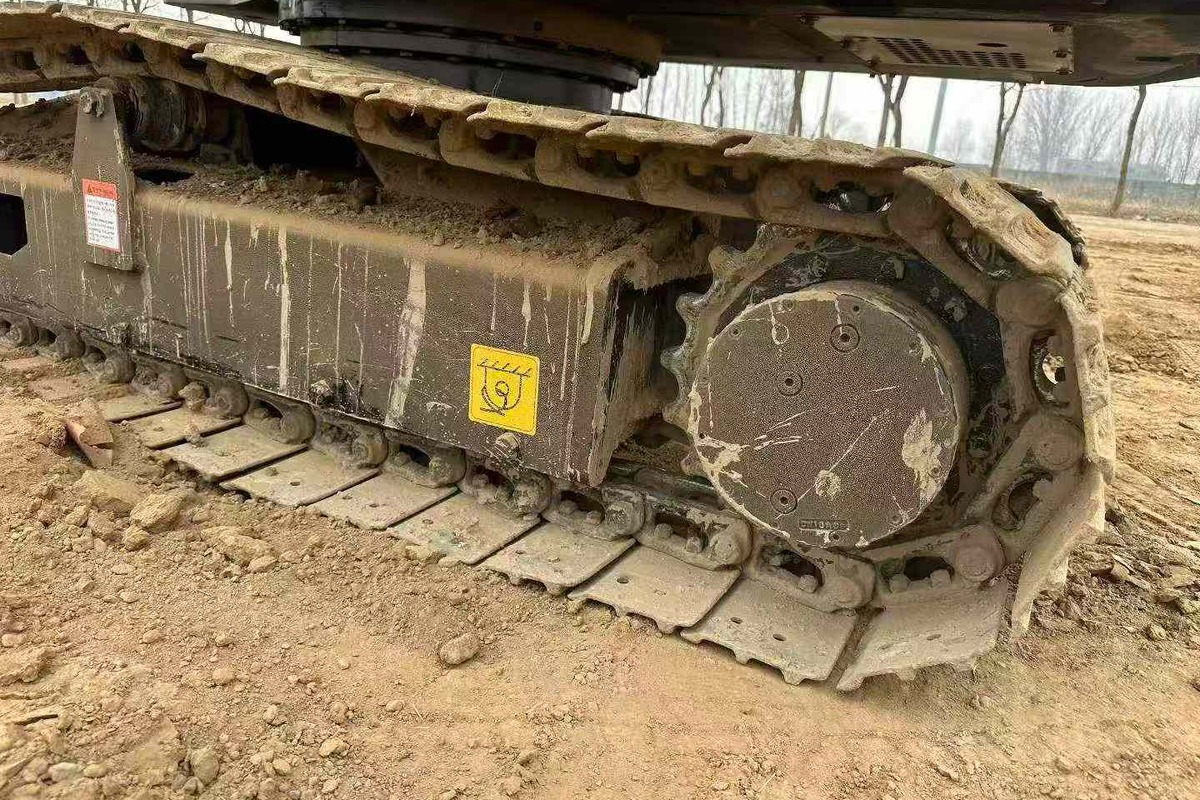
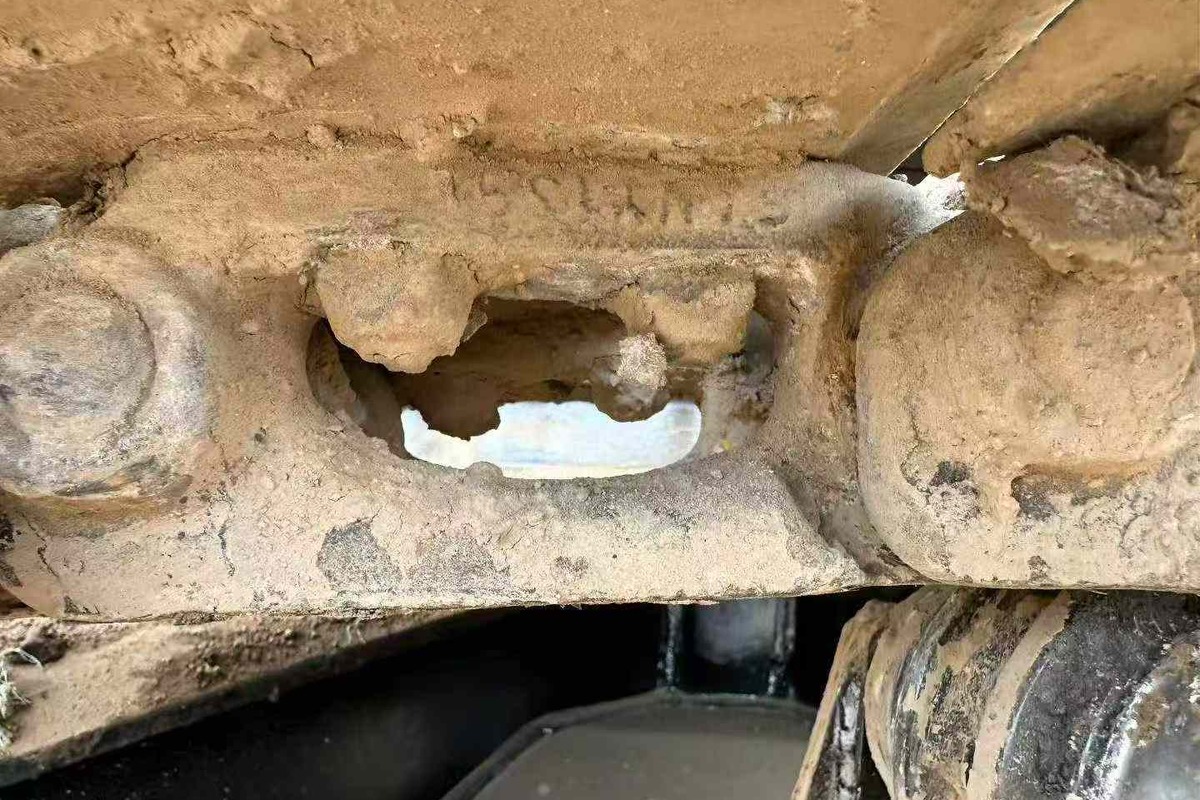
Small excavators often work in tight sites, so wear is not limited to engine hours. Buyers should inspect rubber tracks, sprockets, rollers, idlers, blade edge, bucket, pins, bushings, boom foot, cab floor, panel damage and hydraulic hoses. A compact unit can be profitable even with wear, but only if the buyer prices it before shipment.
Rubber tracks deserve special attention because cracks, missing chunks and weak tension can become immediate receiving repairs. Buyers should ask PRIMA whether replacement track sizes, bucket teeth, filters and common hydraulic parts can be supported after arrival.
| Check area | Evidence to request | Risk reduced |
|---|---|---|
| Rubber tracks | Cracks, tread, inner lugs and tension evidence | Immediate track replacement cost |
| Blade and bucket | Edge wear, bucket teeth, pins and bushings | Attachment repair or fitment risk |
| Hydraulic hoses | Leaks, rubbing and cylinder rod condition | Leak repair after arrival |
What operation videos should be requested?
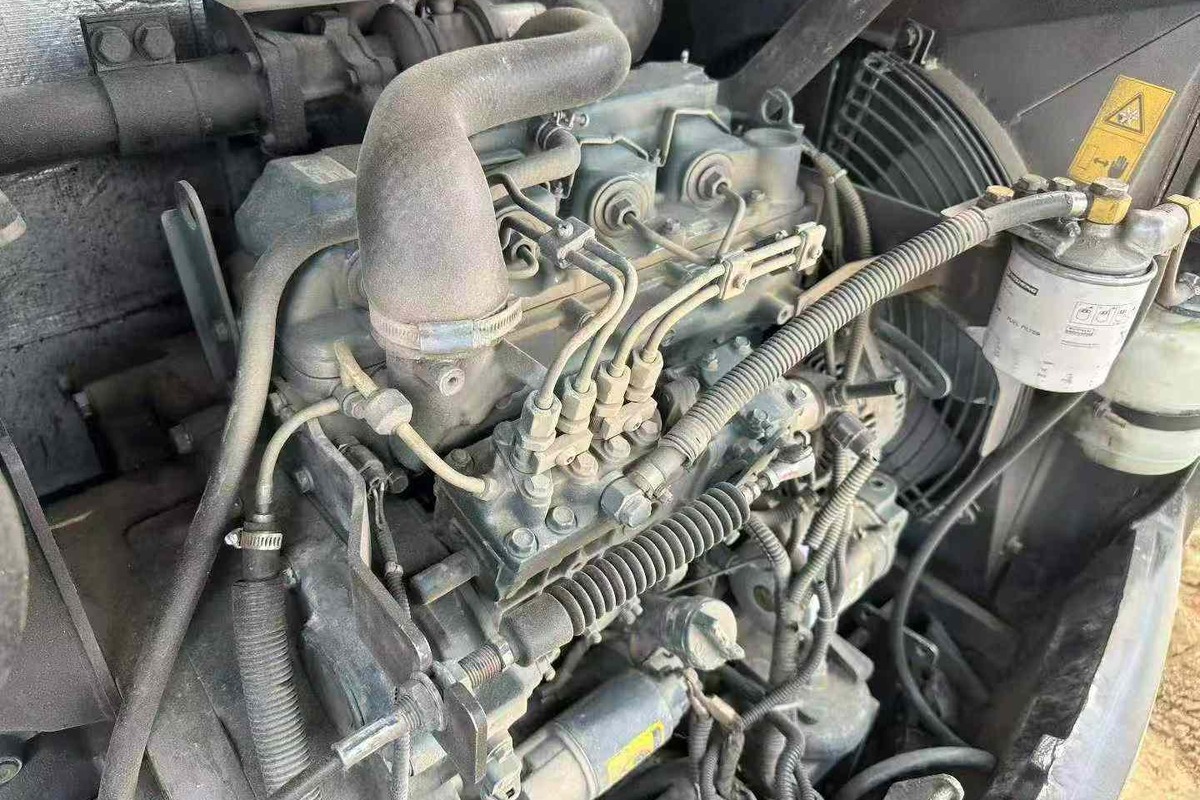
The buyer should request cold start, idle, throttle response, full hydraulic cycle, blade movement if equipped, swing, straight travel, turn response and a warm leak walkaround. For compact machines, travel response and rubber-track behavior matter because buyers often use them in confined jobsites.
Videos should be tied to the same unit, not reused from another machine. A short clip showing the hour meter, exterior view and then operation helps connect identity with performance.
| Check area | Evidence to request | Risk reduced |
|---|---|---|
| Cold start | Uncut start before warm-up | Hidden engine or battery issue |
| Hydraulic cycle | Boom, arm, bucket and blade movement | Weak pump or cylinder symptoms |
| Travel test | Straight travel and turning both directions | Track motor or undercarriage risk |
How should shipping, documents and support be checked?
Mini excavators may ship by container, flat rack or other route depending on size and attachment arrangement. The commercial file should describe the used machine accurately and connect to loading photos of the same unit. Buyers should ask their broker or local adviser about import requirements before final shipment.
The final decision should include spare-parts support. Filters, track parts, bucket teeth, hydraulic hoses and common wear items should be identified early. PRIMA should not promise impossible warranty coverage for used equipment; it should define support boundaries clearly.
| Check area | Evidence to request | Risk reduced |
|---|---|---|
| Documents | Quote, invoice, packing/loading notes and used-condition wording | Customs or payment dispute |
| Loading | Photos of the same mini excavator during loading | Machine swap or damage dispute |
| Support | Track, filter, bucket, hose and hydraulic follow-up path | Post-arrival downtime |
Evidence Table
| Decision area | Evidence PRIMA should save | Buyer value |
|---|---|---|
| Product file | URL, model, serial context, hours and current availability | Confirms one exact SY60C unit |
| Wear file | Rubber tracks, rollers, blade, bucket, pins and hoses | Prices visible compact-machine wear |
| Operation file | Cold start, hydraulics, swing, travel and leak videos | Checks working condition |
| Export file | Invoice, loading proof and support notes | Keeps shipment evidence complete |
Key Facts For PRIMA Buyers
- Compact excavators still need full inspection evidence before remote purchase.
- Rubber tracks, blade, bucket, pins and travel response can change the landed cost.
- SANY wording should remain descriptive unless official authorization is proven.
- Loading proof should show the same machine approved in the product record.
Buyer FAQ
Can I buy a used SANY SY60C from photos only?
It is risky. Photos are a starting point, but buyers should also request current identity, hours, operation videos, documents and loading proof.
Are rubber tracks more important than paint condition?
Often yes. Track wear, rollers and travel behavior can create immediate repair cost after arrival.
Should PRIMA provide a video test?
Yes. Cold start, hydraulic cycle, swing, travel and warm leak checks should be requested before payment.
Can the SY60C ship in a container?
Shipping method depends on configuration, attachment arrangement and logistics plan. Confirm dimensions and loading method before shipment.
What support should be discussed before buying?
Ask about filters, rubber tracks, bucket teeth, hoses, hydraulic parts and the realistic boundary of used-equipment support.
Useful PRIMA Links
- Used mini excavator from China guide
- Used excavator pre-shipment inspection guide
- Used excavator product-record comparison guide
- SANY SY60C product example
External References
- MachineryTrader SANY SY60C listings
- HQTS used excavator inspection guide
- Makana used excavator buying tips
- U.S. CBP basic importing and exporting guidance
Conclusion
A strong PRIMA buyer file is practical, not decorative. It connects the product page, current photos, test videos, commercial documents, loading proof and realistic parts-support notes before payment. When a proof item is missing, the buyer should mark it as unknown and decide whether to request more evidence, negotiate repair cost or stop the order.