
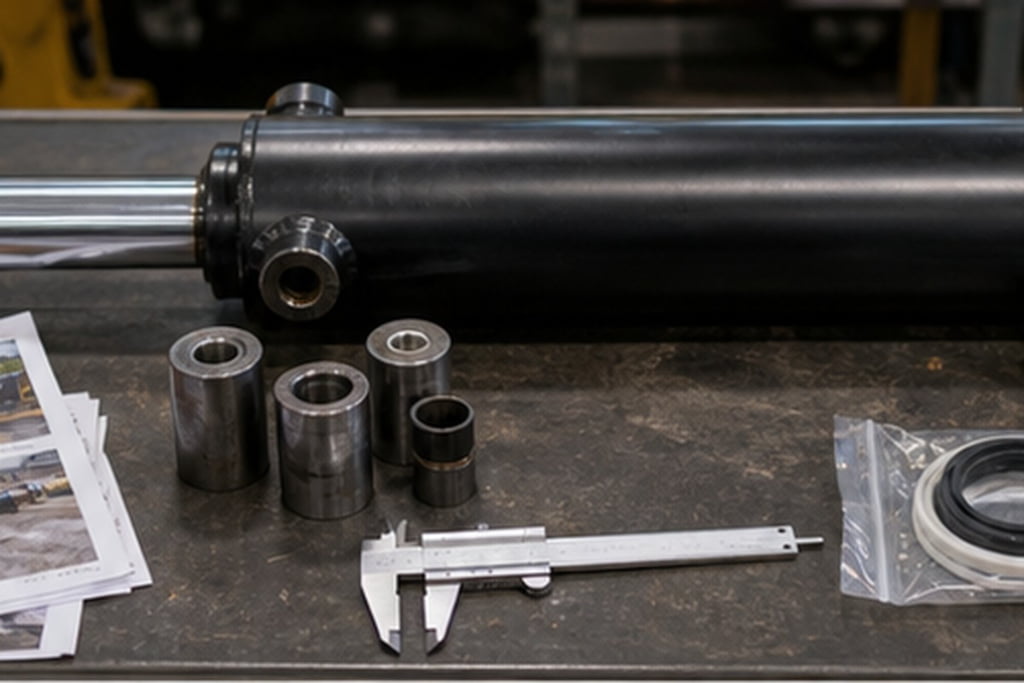
Before buying an excavator hydraulic cylinder, buyers should confirm the machine model, serial number, cylinder position, pin size, stroke, closed length, rod diameter, port layout, leakage symptoms, rod or bore damage, condition option and packing requirements.
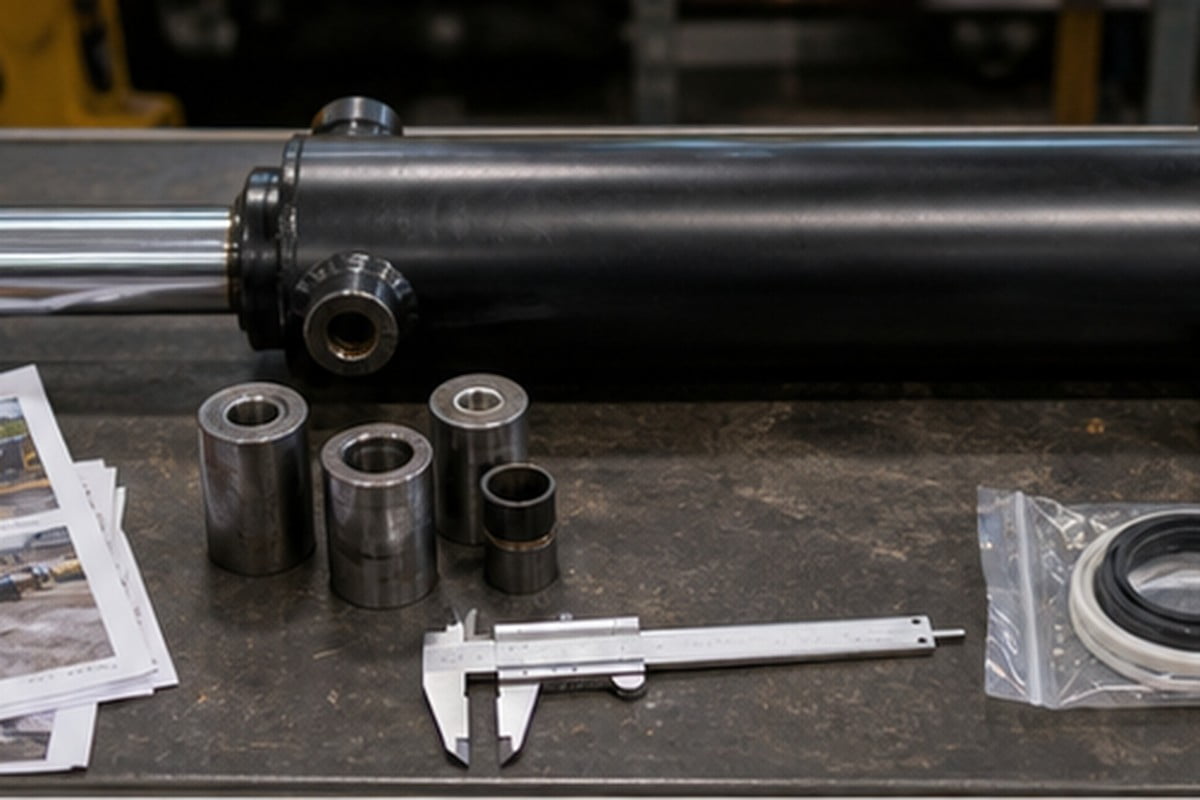
Hydraulic cylinders are high-risk parts because a small mismatch in pin size, stroke, port position or rod condition can stop installation. This guide supports PRIMA’s hydraulic pump buyer guide, Hitachi hydraulic pump guide, swing motor guide and excavator parts supplier checklist.
Buyer Summary
- Cylinder quote files should identify boom, arm or bucket position plus pin, stroke, rod and port data.
- Rod scoring, seal leakage, barrel damage and bent mounts can change the choice between repair and replacement.
- Seal kits, rebuilt cylinders, used cylinders and new replacements should not be quoted with the same evidence.
- Export packing must protect chrome rods, ports and mounting eyes from rust, impact and bending.
What cylinder data should buyers send before quotation?
The first file should show the machine identity, cylinder position, old cylinder photos, dimensions and failure symptoms.
A boom cylinder, arm cylinder and bucket cylinder may share a similar appearance but use different stroke, closed length, pin size, rod diameter and port direction. Buyers should send the excavator model, serial plate, cylinder position, old-cylinder photos, pin diameter, eye width, distance between pin centers, rod diameter, barrel diameter, stroke if available and port layout.
PRIMA should keep the quote conditional if the buyer only sends a model name. For cylinders removed from older machines, previous repair or welding can change fitment. Clear photos with a ruler or caliper make the quotation safer than a verbal measurement alone.
| Data | Evidence | Decision supported |
|---|---|---|
| Position | Boom / arm / bucket photo | Correct cylinder family |
| Dimensions | Pin, stroke and rod measurements | Fitment match |
| Failure | Leak, bend or scoring photos | Repair vs replacement |
How rod, seal, bore and chrome damage change the buying decision
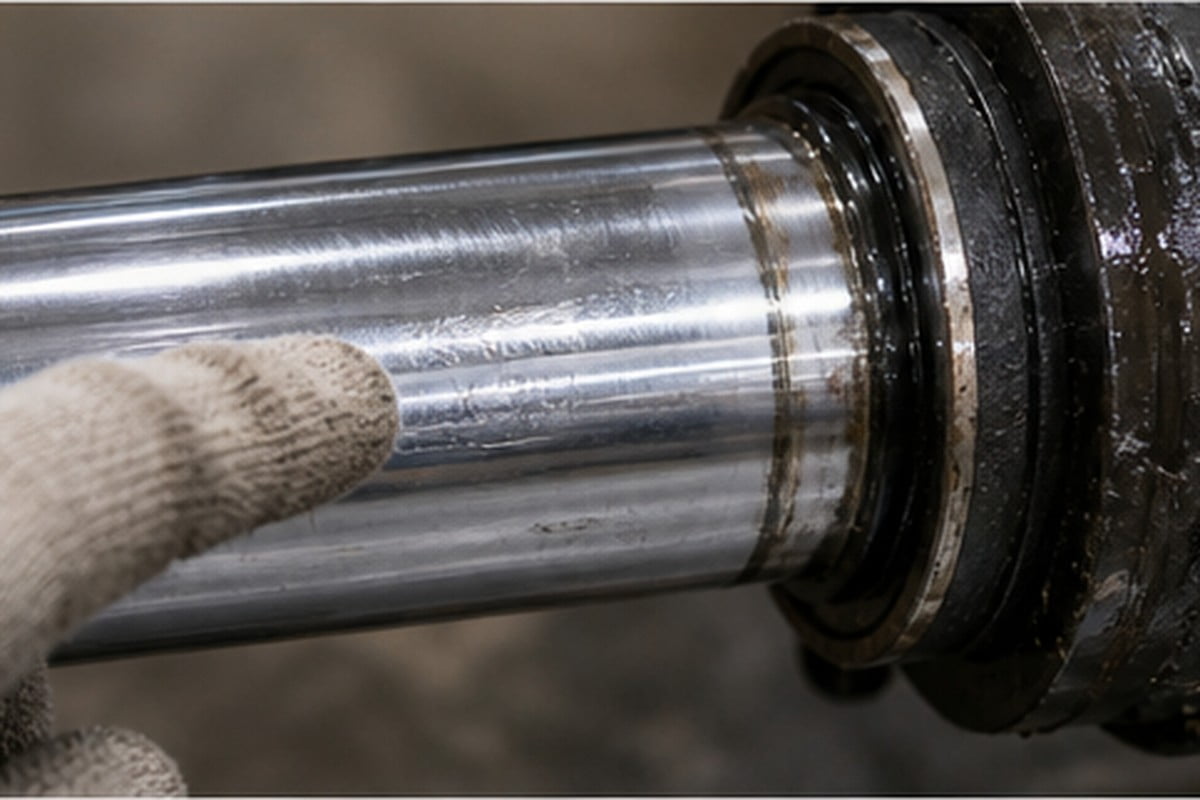
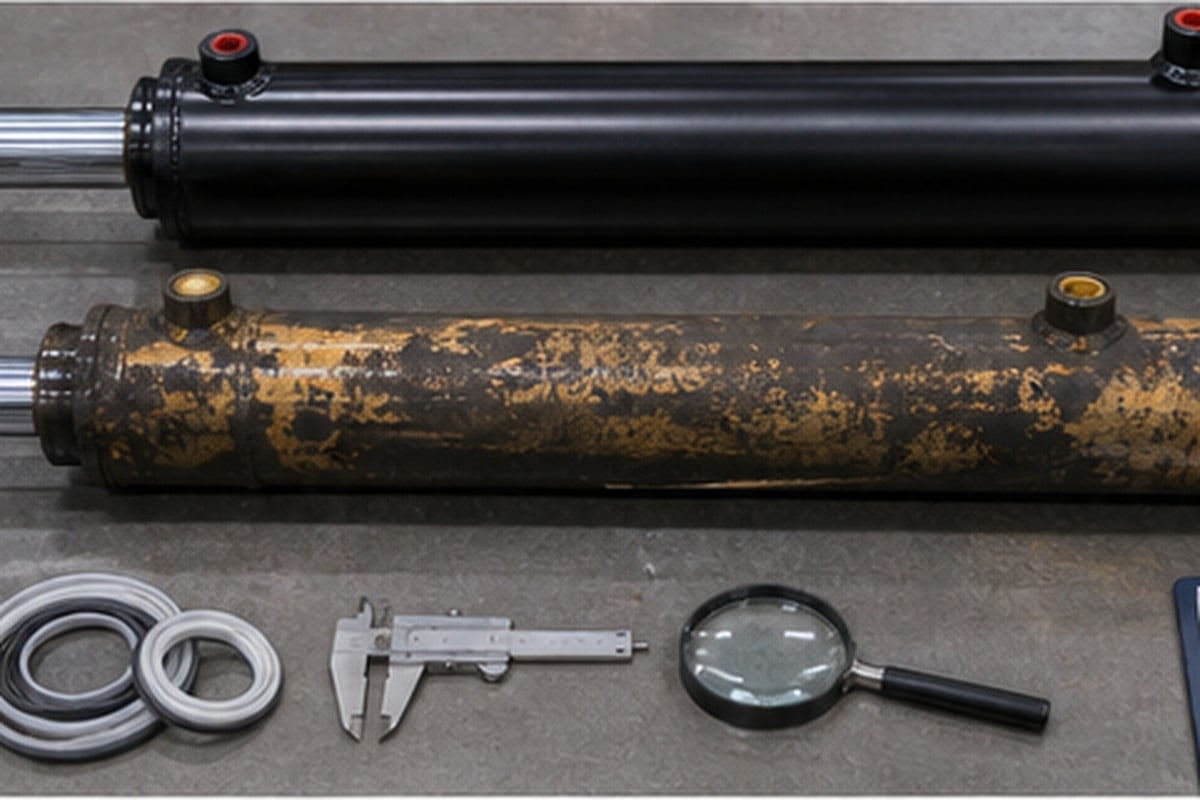
Leakage may need a seal kit, but chrome damage or bore scoring can require a rebuilt or replacement cylinder.
If the chrome rod is scratched, pitted, bent or peeling, replacing only seals may not stop leakage for long. If the barrel bore is scored or the piston is damaged, a rebuilt cylinder or replacement assembly may be more reliable. Pin-eye wear and cracked mounts also matter because they can create side load and repeat seal failure.
PRIMA should ask buyers to separate symptoms from causes. A wet rod seal photo shows leakage, but it does not prove whether the rod, seal kit, bore or alignment caused it. The quote should explain what evidence is still missing before the buyer chooses the cheapest option.
| Damage | Visible evidence | Likely decision |
|---|---|---|
| Seal leakage | Wet seal area | Seal kit or rebuild check |
| Rod scoring | Chrome scratch or pitting | Rod repair/replacement |
| Mount wear | Oval pin eye or crack | Fitment and safety check |
How boom, arm and bucket cylinders differ in fitment risk
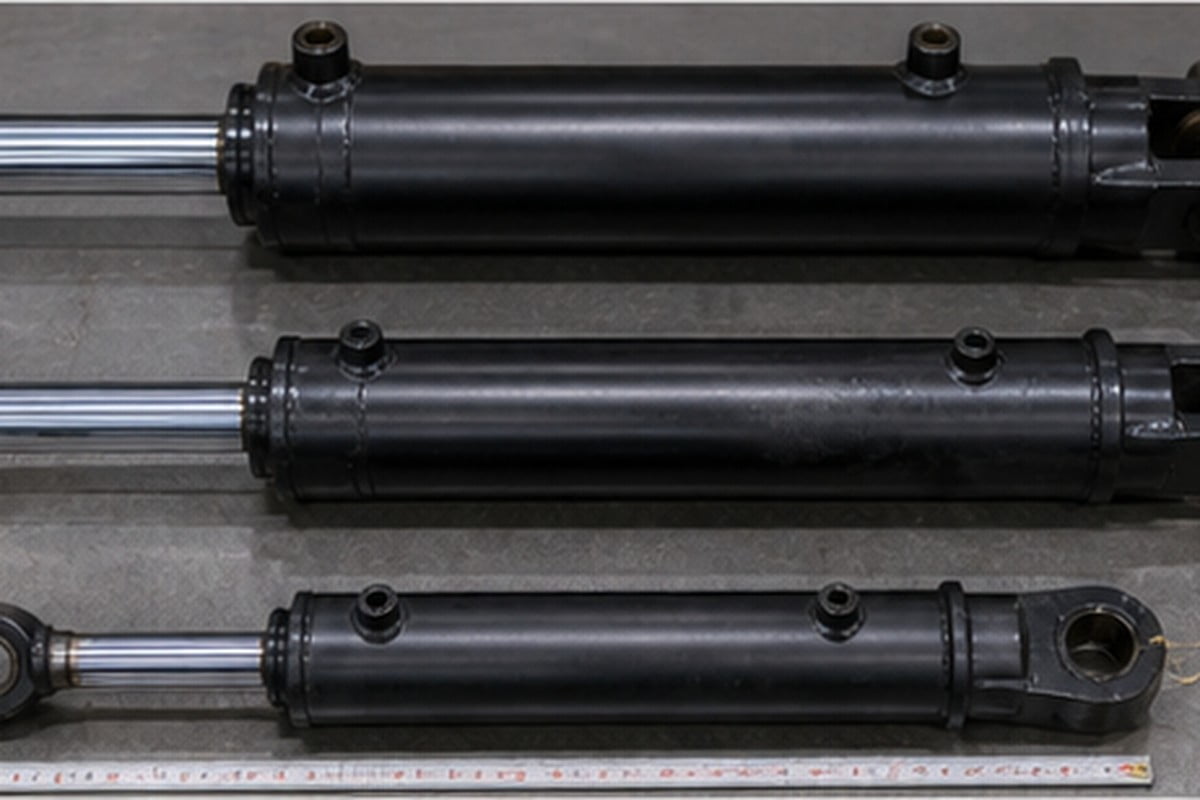
Each cylinder position carries different load, stroke and mounting risks.
Boom cylinders carry high lifting load and are often bought in matched pairs. Arm cylinders have long stroke and can be exposed to side load during digging. Bucket cylinders face frequent shock near the linkage, bucket pins and coupler. The buyer should identify the exact position before PRIMA confirms dimensions or condition options.
For matched boom cylinders, PRIMA should ask whether the buyer is replacing one side or both sides. A single used or rebuilt cylinder may function, but the buyer should understand wear balance and expected downtime risk. For bucket cylinders, pin and linkage photos are especially important.
| Cylinder | Extra evidence | Common risk |
|---|---|---|
| Boom cylinder | Pair condition and lift symptoms | Uneven lift or mismatch |
| Arm cylinder | Stroke and rod condition | Side load wear |
| Bucket cylinder | Pin/linkage photos | Cannot install or leaks again |
When to choose seal kits, rebuilt cylinders, used cylinders or new replacement
The right option depends on damage type, urgency, machine value and evidence quality.
A seal kit can be economical if the rod and bore are clean. A rebuilt cylinder may be suitable when the supplier can explain repair scope and condition. A used cylinder can help when time or budget is tight, but it needs actual photos and honest wear grading. A new replacement is safer when the buyer cannot accept repeat downtime.
PRIMA should avoid selling every option as equal. Original parts may carry a stronger warranty expectation, while used and some consumable parts may have shorter or more limited coverage. The quote should state the condition boundary clearly before payment.
| Option | Good fit | Evidence needed |
|---|---|---|
| Seal kit | Clean rod and bore | Leak location and dimensions |
| Rebuilt | Repairable core | Repair scope and photos |
| Used/new | Urgent or high-risk replacement | Actual condition and warranty boundary |
How PRIMA protects hydraulic cylinders for export packing
Chrome rods, ports and mounting eyes need protection before international shipment.
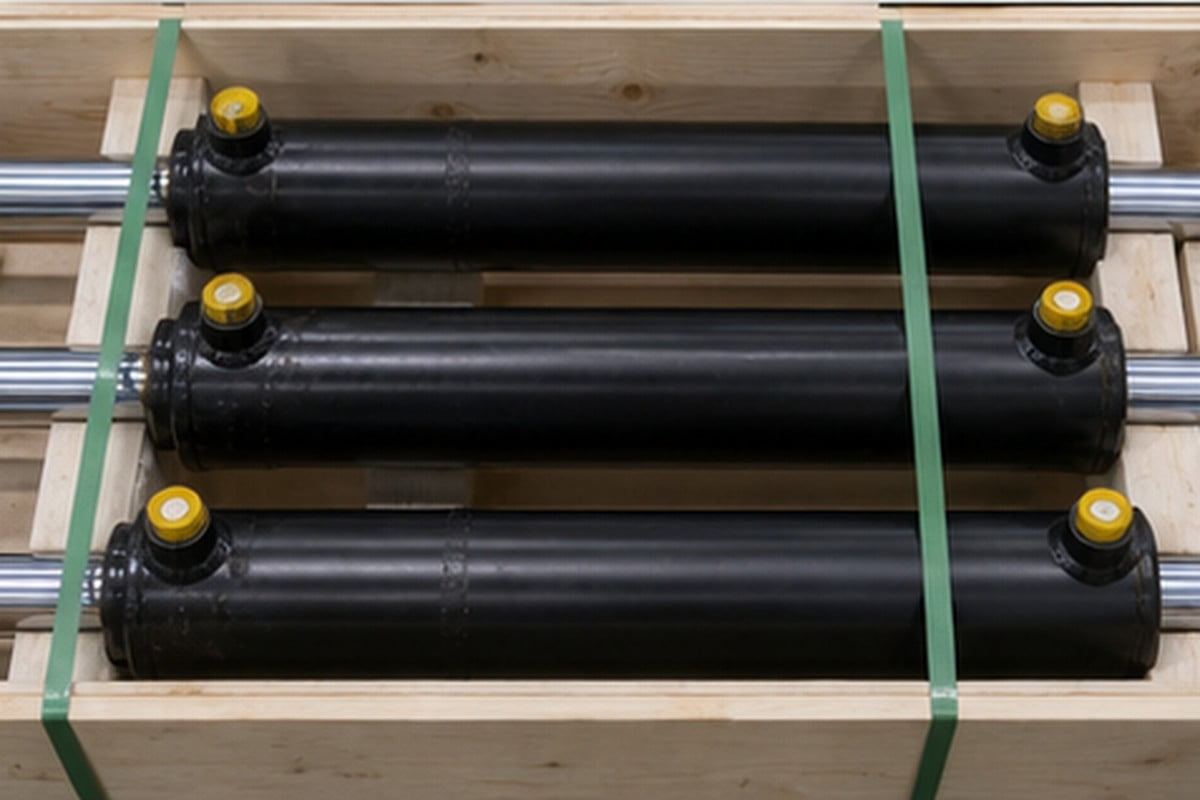
Hydraulic cylinders should be shipped with rods protected, ports capped, mounting eyes secured and heavy parts fixed inside the crate. The packing should prevent the rod from being scratched by other parts and should reduce rust risk during sea shipment. Photos before and after packing help buyers verify the actual cylinder.
For mixed hydraulic orders, PRIMA should label cylinders by machine, position and buyer reference. This helps the receiving warehouse connect each cylinder to the correct repair job without opening every package.
| Packing point | Proof | Buyer value |
|---|---|---|
| Rod protection | Wrapped chrome rod | Prevents scratches |
| Port protection | Caps and plugs | Keeps contamination out |
| Sorting | Position labels | Reduces receiving errors |
Evidence Table
| Buyer question | Evidence PRIMA should request | Value |
|---|---|---|
| Which cylinder is needed? | Position, serial, pin and stroke data | Confirms fitment |
| Repair or replace? | Leakage, rod, bore and mount photos | Controls cost and downtime |
| Can it ship safely? | Rod protection, port caps and crate photos | Reduces transport damage |
Buyer FAQ
Can PRIMA quote a cylinder from model name only?
Only provisionally. Final confirmation needs position, dimensions and old-cylinder photos.
Is a seal kit enough for a leaking excavator cylinder?
Only if the rod and bore are in good condition. Scoring, pitting or bending can require rebuild or replacement.
What photos should buyers send for a hydraulic cylinder?
Send the installed position, removed cylinder, pin eyes, rod, leakage area, ports, serial plate and measurements.
Conclusion
Hydraulic cylinder sourcing works best when buyers send position, dimensions, damage photos and condition expectations before shipment. PRIMA can then compare seal, rebuilt, used and replacement options with clearer risk control.
References
- Parker cylinder maintenance guidance: Reference for hydraulic cylinder component context.
- Caterpillar hydraulic systems overview: General hydraulic maintenance context.
2026-06-09 repair: seal-kit and Spanish cylinder paths added
This repair links the hydraulic cylinder page to the new seal-kit guide and Spanish hydraulic cylinder support page while reinforcing rod, bore, seal and condition checks.
Buyer Summary
- Added seal-kit reverse link.
- Added Spanish hydraulic cylinder support link.
- Strengthened rod, seal and rebuilt/replacement decision logic.
Repair Evidence Table
| Gap | Repair | Buyer value |
|---|---|---|
| Seal kits | New owner page linked | Better small-part routing |
| Spanish support | Localized page linked | LATAM support |
| Condition | Rod and seal checks reinforced | Avoids repeat leakage |
Internal Link Updates
- How Should Buyers Check an Excavator Seal Kit Before Ordering from China?
- Como verificar cilindro hidraulico de excavadora antes de comprar desde China?
External Reference
Buying a used excavator and parts together?
When a buyer is checking a used excavator from China, component pages should connect back to the machine evidence file. Ask for the machine link, serial or PIN plate, hour-meter photo, cold-start and hydraulic movement video, leak photos, final drive or cylinder photos, export-document expectations and the first parts-support questions before deposit.
PRIMA’s China used excavator sourcing service can review the machine-side evidence, the used excavator supplier guide explains inspection and shipping proof, and the excavator parts supplier China guide explains part number, serial, old-part photo and fitment checks.