
Buyers should compare used excavator product records from a China supplier by matching the product page, machine photos, serial or PIN evidence, hour meter, inspection report, test videos, quote, invoice wording, packing or loading proof and post-arrival parts-support plan. A product record is useful only when the same machine can be traced across the commercial file. PRIMA can provide product examples and inspection support as an independent China exporter, but buyers should still reconfirm current availability, condition, hours, documents and shipping details before payment.
Used excavator buyers often compare several listings quickly, but the safest comparison is a product-record comparison. The buyer should ask which facts are proven by photos, videos and documents, and which facts are only seller statements.
This guide supports PRIMA’s used excavator supplier China hub and pre-shipment inspection workflow. It also uses real PRIMA product-record photos as examples, while reminding buyers that every machine must be reconfirmed before payment.
Buyer Summary
- Best for import buyers shortlisting several used excavators from China before deposit or balance payment.
- Compare records by identity, photos, videos, inspection findings, commercial documents and parts backup.
- Treat missing serial, hour meter, undercarriage, leak, loading or document evidence as follow-up questions.
- Use brand names descriptively for machine identity; do not turn product records into official-dealer claims.
Quick answer: what makes a used excavator product record trustworthy?
A trustworthy used excavator product record ties the same machine to the product URL, model, serial or PIN plate, hour meter, visible condition photos, cold-start video, hydraulic and travel test video, undercarriage photos, seller quote, invoice description, packing or loading proof and after-sales parts-support notes. Buyers should compare several records side by side and mark what is proven, unknown or inconsistent. PRIMA should show real machine evidence, state used-equipment condition honestly, confirm export paperwork, and avoid unsupported official, OEM or guaranteed-availability claims unless current written proof exists.
Start With Product Identity And Photo Consistency
The first comparison is not price. It is whether each product record clearly identifies one machine. A buyer should match the page title, model, visible decals, serial or PIN plate if available, hour meter photo, quote description and the same exterior view. If the record only shows a generic excavator photo, the buyer cannot know whether the quote refers to that exact unit.
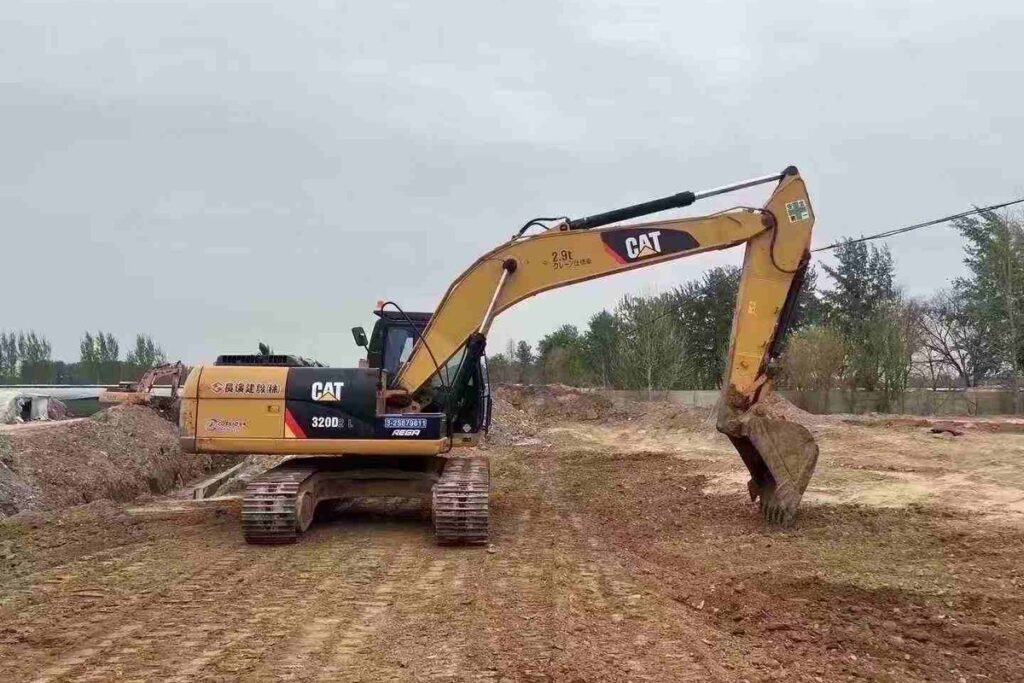
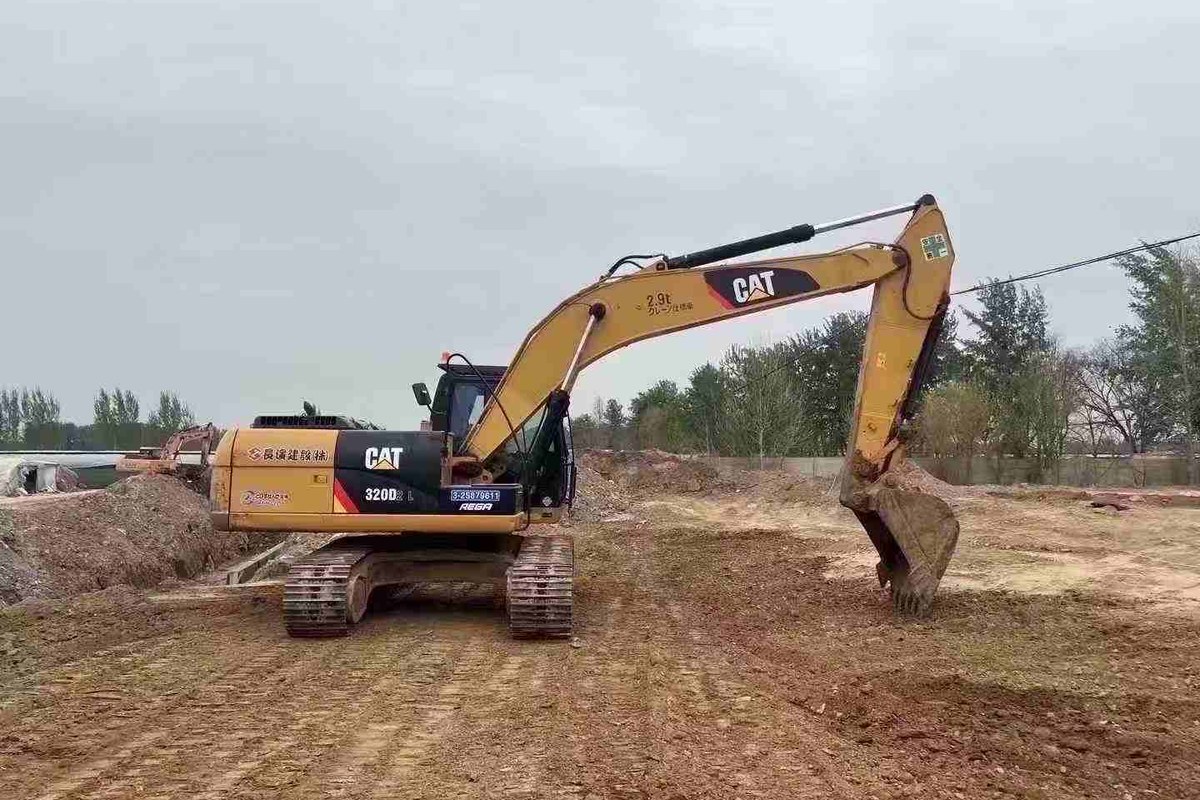
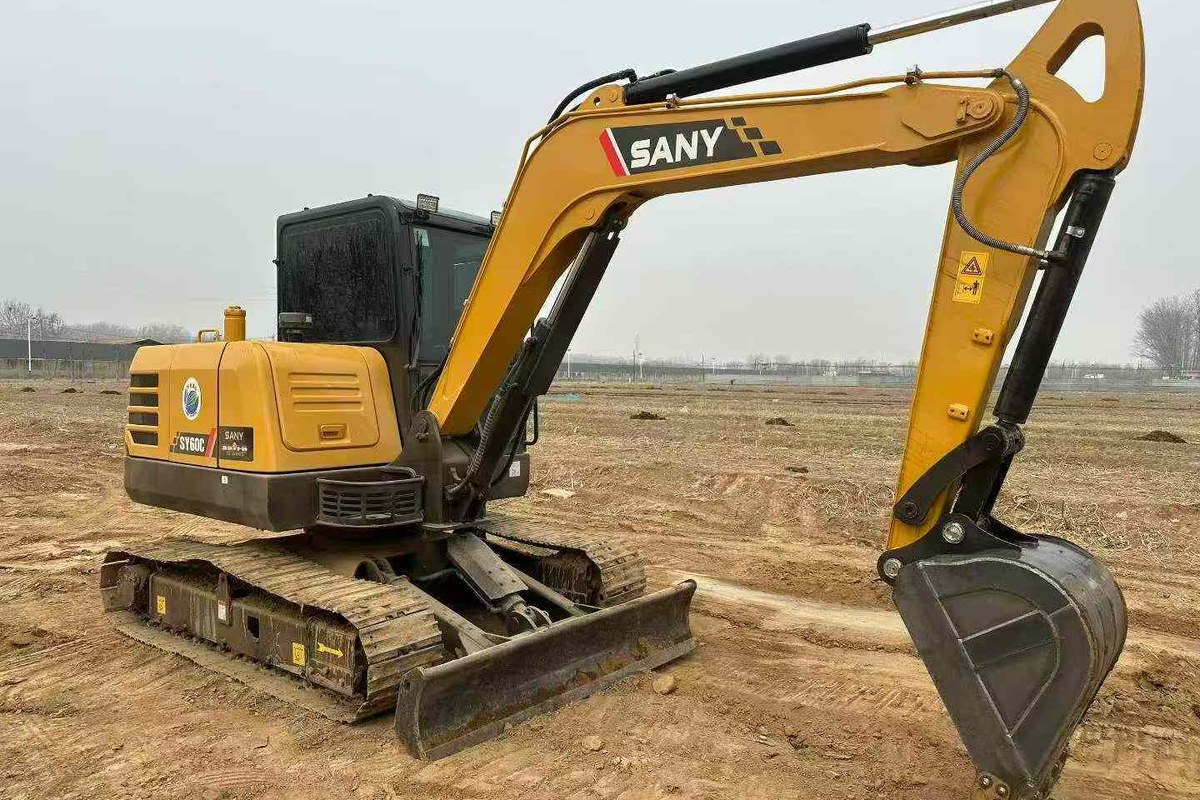
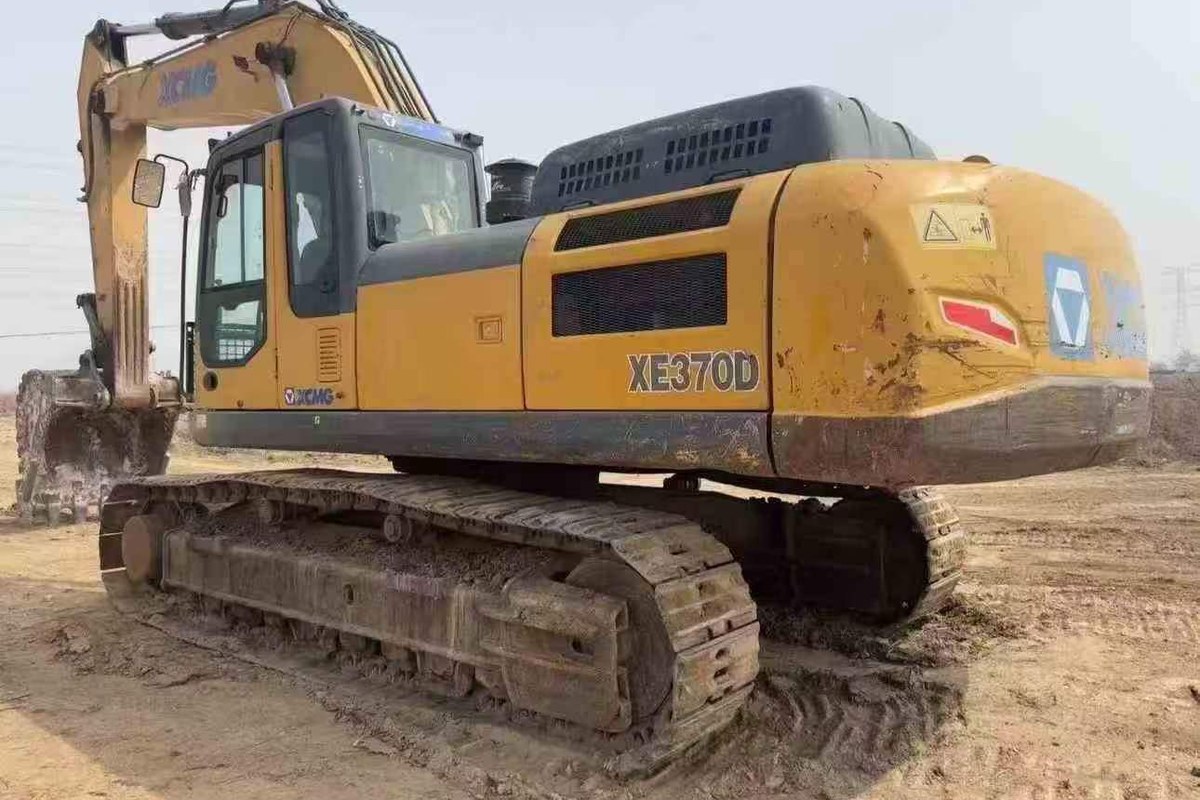
PRIMA product examples such as the CAT 320D2, SANY SY60C and XCMG XE370D records are useful because they give buyers concrete machine pages to review. They are still not a substitute for fresh confirmation. Before payment, ask whether the listed machine is still available, whether the hours and condition are current, and which photos or videos were taken for the actual order file. Review example product pages for CAT 320D2, SANY SY60C and XCMG XE370D as product-record examples, not as guaranteed live stock.
| Record area | Evidence to request | Risk controlled |
|---|---|---|
| Machine identity | Model, serial/PIN plate, decals and same-machine photos | Wrong-unit shipment or unclear quote |
| Product URL | Saved product page and quote file pointing to the same unit | Confusion between similar machines |
| Hour meter | Clear dashboard photo and video context | Misleading usage estimate |
| Freshness | Date of photos, current availability and updated condition note | Old listing used as current stock |
Read Product Photos As Evidence, Not Decoration
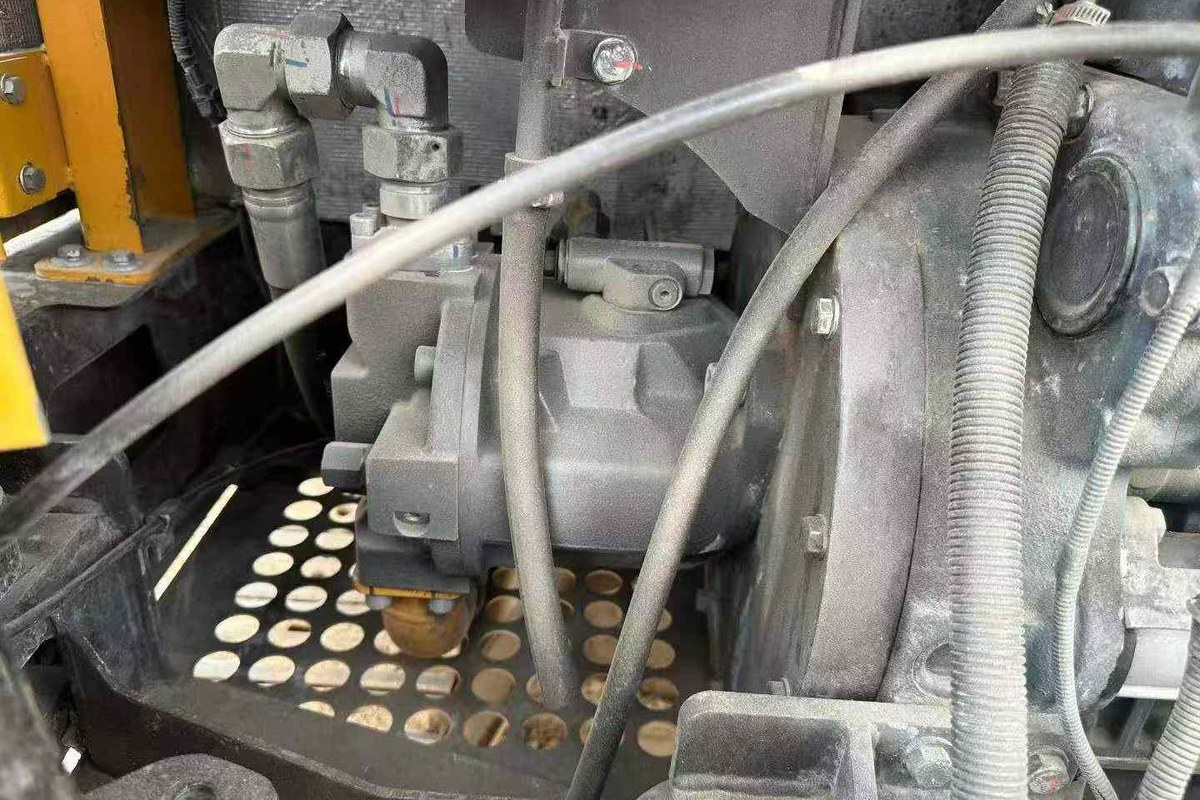
A good product record should show more than the attractive side angle. Buyers need enough views to read visible risk: undercarriage wear, bucket and attachment condition, boom and arm damage, engine-bay cleanliness, leak areas, cab monitor, track frame, hydraulic lines and whether the machine has been repainted heavily. Photos do not prove everything, but they tell the buyer what to ask next.
When comparing two excavators, separate visible evidence from seller adjectives. Phrases such as good condition or ready to work are weak unless the record shows the relevant surfaces. A lower-priced excavator may still be acceptable if the wear is visible and repair cost is budgeted; a clean-looking listing is risky if the expensive areas are hidden.
| Record area | Evidence to request | Risk controlled |
|---|---|---|
| Exterior views | Left, right, front, rear and boom/arm photos | Hidden body or structural damage |
| Undercarriage | Track chain, shoes, rollers, sprocket and idler views | Unexpected repair cost after arrival |
| Hydraulic areas | Pump, hoses, cylinders and warm leak walkaround | Leak or weak hydraulic function risk |
| Cab and monitor | Dashboard, alarms, seat, controls and hour meter | Missing operation context |
Connect The Product Record To Inspection Videos
The product record becomes stronger when it leads to uncut inspection videos. Buyers should ask for cold start, engine smoke, idle, throttle response, full boom-arm-bucket cycle, swing, travel on both sides, straight travel, steering or track response and a warm-machine leak walkaround. Short uncut clips are more useful than polished clips stitched together after the machine is warm.
For remote buying, the inspection file should label what was checked and what remains unknown. If the supplier cannot show an undercarriage measurement, that does not always kill the deal, but the buyer should price the risk. PRIMA should avoid converting missing evidence into confidence; unknown items belong in the quote notes.
| Record area | Evidence to request | Risk controlled |
|---|---|---|
| Cold start | Uncut start video before the machine is warmed | Hidden engine or starting issue |
| Hydraulic function | Boom, arm, bucket, swing and cylinder movement | Weak pump, valve or cylinder symptoms |
| Travel test | Both tracks forward/reverse and straight travel | Travel motor or final drive risk |
| Warm leak check | Final walkaround after operating temperature | Leaks hidden in cold photos |
Tie The Shortlist To Documents, Loading And Parts Support
The final shortlist should connect the product record to the commercial file. The model description, used-equipment condition, seller name, invoice, packing list, loading photos and shipping plan should not fight each other. For U.S. importers, customs and engine/equipment rules may require extra review, so buyers should confirm the applicable paperwork with their broker before shipping. For U.S. buyers, the CBP importing and exporting guidance and EPA importing vehicles and engines guidance are useful starting references for compliance questions.
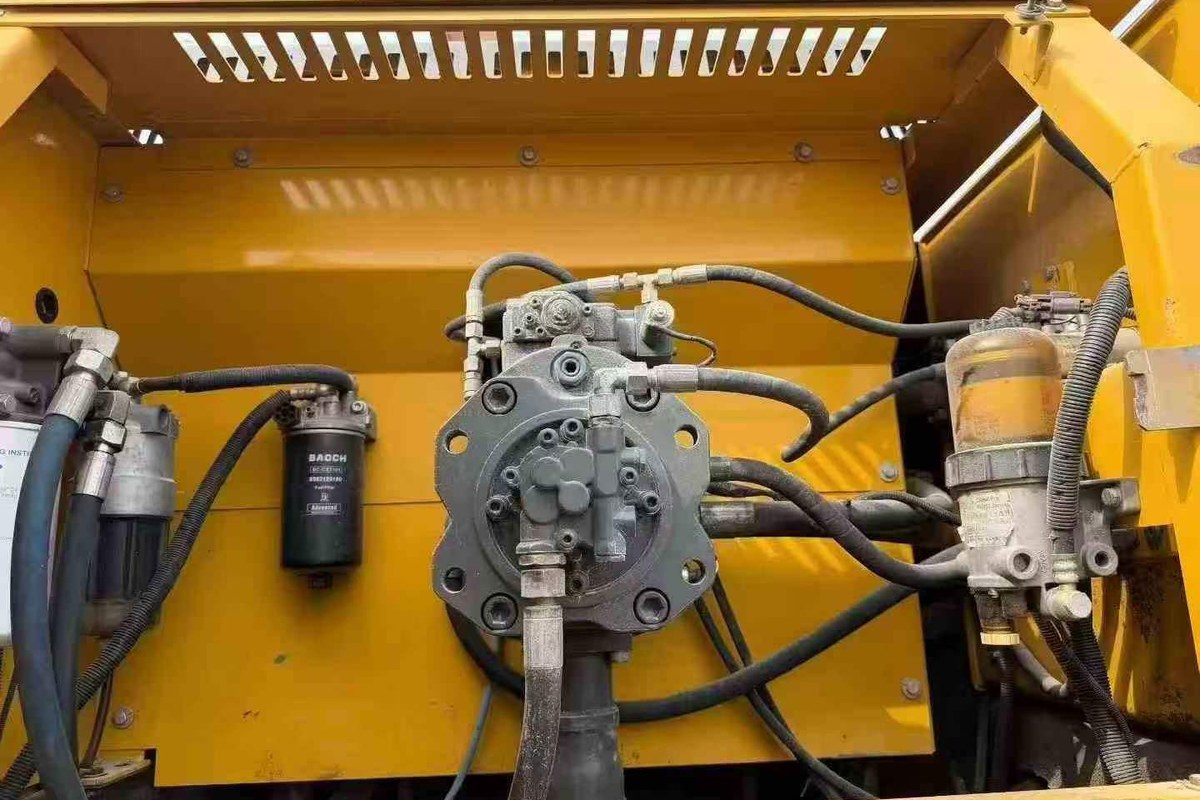
Parts support belongs in the same decision. A used excavator that arrives with no model/serial record, no common wear-part plan and no hydraulic or undercarriage support path can become expensive quickly. PRIMA should connect used-machine comparison with inspection, export paperwork and replacement-parts sourcing, while keeping brand names descriptive and not claiming official authorization without proof.
| Record area | Evidence to request | Risk controlled |
|---|---|---|
| Commercial documents | Invoice, packing list and used-equipment description | Customs, bank or dispute mismatch |
| Loading proof | Photos of the same machine during yard loading | Machine swap or transit-dispute risk |
| Import review | Broker check, CBP/EPA or local-market compliance notes where relevant | Clearance delay or wrong assumption |
| Parts support | Common wear parts, filters, hydraulic and undercarriage follow-up path | Post-arrival downtime |
Evidence Table
| Decision area | Evidence PRIMA should save | Buyer value |
|---|---|---|
| Identity | Product URL, quote, serial/PIN, hour meter and same-machine photos | Confirms the buyer is discussing one exact machine |
| Condition | All-side photos, undercarriage, cab, engine bay, leak and bucket views | Shows what is visible and what still needs testing |
| Operation | Cold start, hydraulic, swing, travel and warm leak videos | Separates photo condition from working condition |
| Export | Invoice wording, packing list, loading proof and shipping plan | Keeps the commercial file consistent |
| Support | Parts, filters, undercarriage and hydraulic follow-up notes | Reduces downtime after arrival |
Key Facts For PRIMA Buyers
- A used excavator product record should point to one exact machine, not a generic listing image.
- Product photos should trigger specific follow-up questions about identity, undercarriage, leaks and operation.
- Inspection videos should be tied to the same machine shown on the product page and quote.
- Commercial documents should describe the used machine accurately and match the loading file.
- PRIMA should use CAT, SANY, XCMG and other brand names descriptively, not as official-dealer claims.
Buyer FAQ
Is a product page enough proof before paying for a used excavator?
No. It is a starting record. Buyers should also request identity evidence, current availability, hour meter, condition photos, videos, documents and loading proof.
What if the supplier cannot show the serial or PIN plate?
Pause or mark the identity proof as incomplete. A missing plate does not automatically prove fraud, but it raises the risk of wrong-machine shipment and document mismatch.
Should buyers compare several product records side by side?
Yes. Side-by-side comparison makes missing photos, weak undercarriage evidence, unclear hours and incomplete document paths easier to see.
Can PRIMA export used CAT, SANY or XCMG excavators from China?
PRIMA can work as an independent used-equipment exporter when the transaction and documents are lawful and accurate. It should not claim official, OEM, authorized or exclusive dealer status without current written proof.
Which documents should be checked before shipment?
At minimum, compare the quote, invoice description, packing list, loading photos, shipping plan and any market-specific import requirements with a broker or compliance adviser.
Useful PRIMA Links
- Used excavator supplier China inspection and shipping hub
- Used excavator pre-shipment inspection guide
- Used excavator inspection checklist
- CAT 320D2 product example
- SANY SY60C product example
- XCMG XE370D product example
External References
- U.S. CBP basic importing and exporting guidance
- U.S. EPA importing vehicles and engines guidance
- U.S. CBP commercial importer guide PDF
Conclusion
The best used excavator product record is not the longest listing. It is the record that lets a buyer trace one exact machine from product page to quote, from inspection video to commercial document, and from loading proof to post-arrival parts support. PRIMA should keep that evidence path practical, honest and current before asking a buyer to approve payment.