
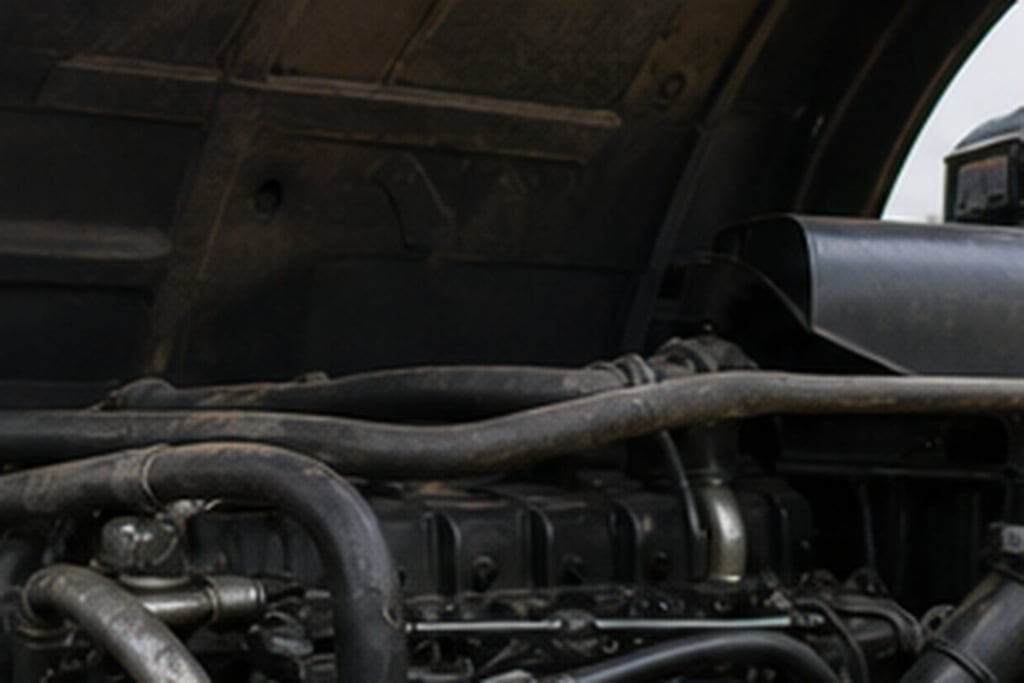
Use this used excavator inspection checklist to plan checks for one identified machine: serial/PIN and displayed hours, cold start, engine, hydraulics, swing, travel, undercarriage, structure, cab, attachments and shipment records. Record what was tested, what was found and what remains untested.
PRIMA can arrange yard visits and third-party inspection in Baoding, Hebei. Send the machine model or listing to start; agree the inspection scope, responsible person and any fee before the visit. This guide is not a completed inspection or a guarantee of condition.
Ask about inspecting a machine
For the next stage, use our pre-shipment inspection guide, export-buyer guide, marketplace and direct-supplier comparison, and shipping checklist.
What the checklist covers
A used excavator inspection checklist should confirm the exact serial-numbered machine, hour meter, cold-start behavior, engine bay condition, hydraulic movement, swing and travel, undercarriage wear, bucket and attachment fit, cab controls, leaks, repair notes, document plan and final loading proof. PRIMA can help export buyers organize those checks before a machine leaves China, but no supplier should call a used excavator low-risk without current photos and operation evidence. The checklist should protect the buyer from wrong-machine substitution, hidden repair cost, attachment mismatch and weak shipment traceability.
Buyer Summary
- This checklist is for export buyers who need practical inspection evidence before paying for a second-hand excavator.
- The report should record machine identity, observed function and wear, available documents and shipment continuity, with limits and untested items.
- Cold-start and hydraulic video should be tied to the same serial-numbered unit shown in the quote file.
- The final decision should consider repair risk, parts support and loading proof, not only purchase price.
Apply the checklist to real PRIMA machine photo sets
These seven machine records were published in September 2026. Open the individual gallery to compare the visible machine, cab, attachment and component views with the inspection areas below. The photographs are a starting point for choosing what to inspect, not completed inspection reports or confirmation that the machine is still available.
Photo coverage reviewed on 20 September 2026; this is not the date the photographs were taken. On a small screen, swipe the table sideways to read all three columns.
| Machine record and gallery | What you can examine in the photos | What to request next |
|---|---|---|
| U6722 — Refurbished DOOSAN DX210W 7 photos; wheeled excavator |
Exterior, wheels, bucket, cab exterior and engine compartment. | Refurbishment scope, readable serial plate and meter, brake/steering and stabilizer checks. Fresh paint does not establish mechanical condition. |
| U6635 — DOOSAN DH500LC-7 33 photos |
Cab and monitor, engine bay, hydraulic components, hoses, exterior and track assemblies. | A dated same-machine walkaround, genuine cold start where possible, hydraulic function and both travel directions; record test conditions and findings. |
| U6573 — SANY SY385H 9 photos |
Exterior, bucket, cab, track shoes, hydraulics and engine compartment. | Undercarriage measurements, bucket dimensions and attachment identity. Photos alone do not establish original-part provenance or a wear percentage. |
| U6563 — KOBELCO SK260-8 9 photos |
Exterior, cab, undercarriage, engine and hydraulic areas. | Cab-control and air-conditioning operation, leak checks after warm-up and measured wear. Separate appearance from tested function. |
| U6553 — CAT 336D2L 9 photos |
Exterior, engine, hydraulic components, tracks, cab and bucket. | A readable plate, meter and maintenance records, plus controlled boom, arm, bucket, swing and travel checks for the proposed unit. |
| U6541 — HITACHI ZX200 9 photos |
Four exterior angles, tracks, cab, engine and two hydraulic-area views. | The exact plate-confirmed model suffix and configuration, a current meter photo and measured undercarriage condition before using catalogue specifications. |
| U6669 — XCMG XE490DK 42 gallery photos; hours need verification |
Exterior, cab, engine, hydraulics and track details. | Resolve the conflicting hour information and connect a current meter reading to the serial-numbered unit. Do not treat the listed hours as verified. |
Turn a photo observation into a test request
For example, the ZX200 track photograph shows the shoes and undercarriage area, but it does not give measured remaining life. Ask the inspector for the measurement points, readings and applicable limits. An engine or hydraulic close-up similarly shows the photographed surfaces, not pressure-test results or leak behaviour after operation.
Send the record number, the view you want clarified and your main buying concern through the PRIMA enquiry form. We can discuss a current photo/video check, a yard visit or a third-party inspection scope. Keep unavailable, untested and conflicting items open until they are resolved.
Identify the exact machine before testing function
Inspection begins with identity because all later evidence depends on the machine being the quoted unit.
The buyer should receive a serial plate photo, hour meter photo, full machine views and date-current yard photos before checking price or function. Model name and brand are not enough. Two machines with the same model can have different hours, track wear, leakage, repair history, bucket condition and export value.
Keep the inspection file organized so the buyer can review the same unit throughout the transaction. The quote, serial evidence, operation videos, close-up photos, repair notes, shipping method and document plan should be connected. This turns a scattered chat conversation into a buyer-controlled evidence file.
| Identity check | Evidence | Why it matters |
|---|---|---|
| Serial plate | Clear photo tied to quote | Helps connect the report to the quoted unit |
| Hour meter | Photo plus wear comparison | Tests whether hours are plausible |
| Current condition | Full machine and close-up photos | Helps identify old or mismatched photos |
Record the inspector, date, method and limits
A machine-specific report needs the inspector or inspection provider, inspection date and location, serial/PIN, displayed meter reading, test conditions and a reference to each photo or video. For every item, record the observation or measurement, the method used, proposed follow-up and one status: checked, defect observed, not tested or not accessible. Do not mark missing evidence as passed.
Record repairs or replacement parts agreed with the buyer and any recheck after that work. True working hours, ownership, internal component condition and remaining service life cannot be established from a plate or walkaround alone. Obtain relevant records and specialist checks where needed.
Safe inspection: qualified operators and technicians should follow the machine manufacturer’s procedures and site rules. Keep observers outside travel and swing zones. Do not reach into moving equipment, search for a pressurized hydraulic leak by hand or work under unsupported attachments. An inaccessible area should be reported as untested, not inspected unsafely.
Record cold start, engine condition and hydraulic movement
Operation video is more useful when it follows a checklist instead of a quick sales walkaround.
Cold-start video should identify the same machine and record whether it was already warm, then show starting behavior, idle stability, smoke, unusual sounds and visible leaks. If a genuine cold start was not observed, mark it untested. The engine bay should be checked for oil leaks, coolant marks, hose condition, radiator area, belts and obvious repair signs. A warm machine shown only after running may hide starting issues.
Hydraulic testing should include boom, arm, bucket, swing and travel. Buyers should look for slow movement, drift, uneven travel, pump noise, cylinder leakage and hose damage. For export buyers, the video should remain tied to the serial-numbered machine so the supplier cannot substitute generic operation footage.
| Function check | Good evidence | Warning sign |
|---|---|---|
| Cold start | First-start video and idle observation | Heavy smoke, difficult start or edited video |
| Hydraulics | Full movement and leakage close-ups | Drift, slow action or oil around cylinders |
| Travel / swing | Both travel sides and swing test | Uneven tracking or abnormal noise |
Inspect undercarriage, bucket, attachment fit and cab controls
Wear items and controls often decide whether a used excavator is workable after arrival.
Undercarriage inspection should cover track chain, shoe width, rollers, idlers, sprockets, track tension and visible final-drive leakage. Buyers should request close-ups instead of only side photos. Ask the inspector to record measurements and the applicable manufacturer limits before assigning a wear percentage or recommending replacement; appearance alone is not a remaining-life measurement.
Bucket and attachment checks should include bucket floor, side cutters, teeth, pins, bushings, coupler, hydraulic lines and measurement photos. Cab checks should include controls, monitor and warning indicators, pedals, seat and seat belt, safety locks, glass and air conditioning where relevant. Also inspect visible boom, arm and frame areas for cracks, deformation or repair welds; a qualified technician should assess suspicious findings. A clean cabin is useful, but function and control response matter more.
| Inspection area | Evidence | Buyer action |
|---|---|---|
| Undercarriage | Track chain, rollers, idler, sprocket and tension photos | Estimate wear and negotiate |
| Bucket / attachment | Pins, bushings, coupler and measurements | Avoid attachment mismatch |
| Cab / controls | Controls, monitor and pedal operation | Confirm daily usability |
Close the file with documents, loading proof and receiving checks
A buying checklist should finish by proving how the inspected machine becomes the shipped machine.
Documents should match the quotation, buyer details, destination, machine identity and export handling plan. The final walkaround should show the machine before loading, including accessories and visible condition. Loading photos should capture boom position, bucket position, tie-down points and container or flat-rack context.
When the excavator arrives, the buyer should compare the receiving condition against the inspection file. Serial number, attachments, undercarriage photos, document references and loading evidence help resolve questions quickly. The same evidence also helps PRIMA support later parts quotes if replacement items are needed.
| Closeout item | Proof | Buyer protection |
|---|---|---|
| Documents | Invoice and shipment references tied to serial | Reduces paperwork confusion |
| Loading | Final walkaround and securing photos | Helps compare the inspected and loaded unit |
| Receiving | Compare arrival with inspection file | Supports dispute and parts follow-up |
Evidence Table
Use these records to identify unresolved risks; a checklist cannot eliminate all defects or guarantee the machine’s future performance.
| Checklist stage | Evidence to request | Risk to investigate |
|---|---|---|
| Identity | Serial plate, hour meter and current full-machine photos | Wrong-machine substitution |
| Operation | Cold-start, hydraulic, swing and travel video | Hidden mechanical issues |
| Wear | Undercarriage, bucket, attachment and cab close-ups | Unexpected repair cost |
| Export | Documents, final walkaround, loading and securing photos | Weak shipment traceability |
Key Facts For PRIMA Buyers
- A used excavator inspection file should begin with the exact serial-numbered machine before function video or price comparison.
- Cold-start, hydraulic movement, travel, swing and undercarriage evidence are core used excavator purchase checks.
- Shipment proof should connect the inspected machine to the exported cargo through final walkaround and loading evidence.
Turn the checklist into a machine-specific evidence request
Use this checklist to define the evidence needed for one quoted machine. A shortlist becomes more useful when the listing, model, serial/PIN plate, current photos, test videos, wear views, documents and loading file can be connected to the same unit.
| Decision stage | Machine-specific evidence | Boundary |
|---|---|---|
| Identity | Listing URL, model, serial/PIN plate, hour-meter photo and same-machine current walkaround. | These connect the file to one unit; they do not by themselves prove year, true hours, ownership or availability. |
| Function | Cold start, engine sound and smoke, hydraulic movement, swing, travel and visible leak areas. | Video supports observation at one time; it is not a warranty or lifetime-condition guarantee. |
| Wear | Track chain, shoes, rollers, idler, sprocket, bucket, pins, bushings, coupler and cab-control views. | Wear percentages require a documented method and measurements; photos alone support only bounded observations. |
| Release and shipment | Final same-machine walkaround, accessories, invoice/packing descriptions, loading and securing photos. | This helps compare inspected and loaded identity; destination-country approval still belongs with the buyer or broker. |
PRIMA boundary: PRIMA can organize and compare evidence received for a buyer. This page does not prove that a current machine is in stock, fully inspected, correctly represented, owned by a seller, suitable for a jobsite or approved for import.
Evidence status: this guide does not present a completed machine-specific inspection report. Request current photos, test records, findings and exclusions for the proposed unit.
Buyer FAQ
These answers help define the inspection scope; they are not findings about a specific machine.
What is the first item on a used excavator inspection checklist?
Confirm the exact unit with serial plate, hour meter and current photos before judging condition or price.
Is cold-start video necessary?
It is useful for observing starting behavior, smoke and idle. If the machine was already warm or a cold start was not observed, record that limitation rather than calling the test passed.
What undercarriage photos should buyers request?
Ask for track chain, shoe width, rollers, idlers, sprockets, track tension and final-drive area close-ups.
Why does an inspection checklist include loading proof?
Because the buyer needs to compare the inspected machine with the machine placed into export handling.
Conclusion
A used excavator inspection checklist protects the buyer only when it follows the machine from identity to operation, wear, documents and loading. Keep those records together and resolve material gaps before accepting the machine or its shipment scope.
References
- MEVAS excavator inspection checklist: Professional inspection checklist reference; not evidence that MEVAS inspected a PRIMA machine.
- Wagner used excavator guide: Dealer buying and inspection guide; not an endorsement of PRIMA.
Ask about inspecting a used excavator
Start with the model or listing URL, your main concern and a reply contact. Add the machine location, destination country and any serial/PIN photos or proposed tests you already have. You do not need a complete report to make a first enquiry; we can identify the missing information before the inspection scope is agreed.
Send the request by WhatsAppEmail the inspection request · Use the enquiry form
Evidence boundary: a request file is not a completed inspection. Do not treat it as proof of seller legitimacy, current stock, true year or hours, final condition, ownership, warranty, fitment, import approval or shipment outcome.