
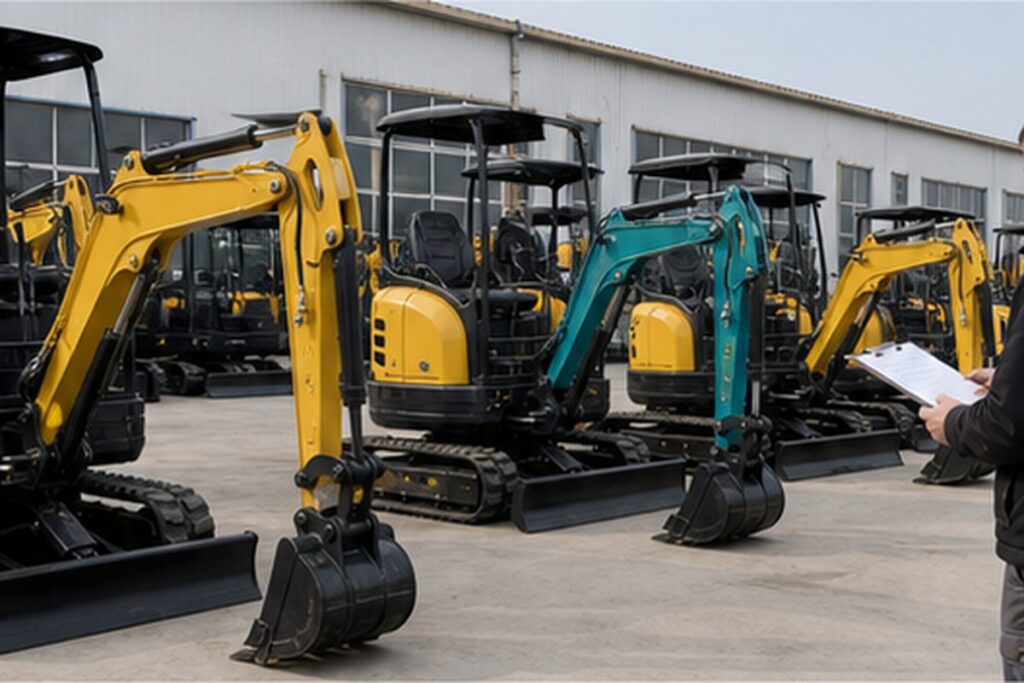
Buyers should compare compact excavators for sale only after the exact machine, serial plate, hours, cold-start behavior, hydraulic movement, rubber-track or undercarriage condition, bucket and coupler fit, export loading method and parts-support path are clear.
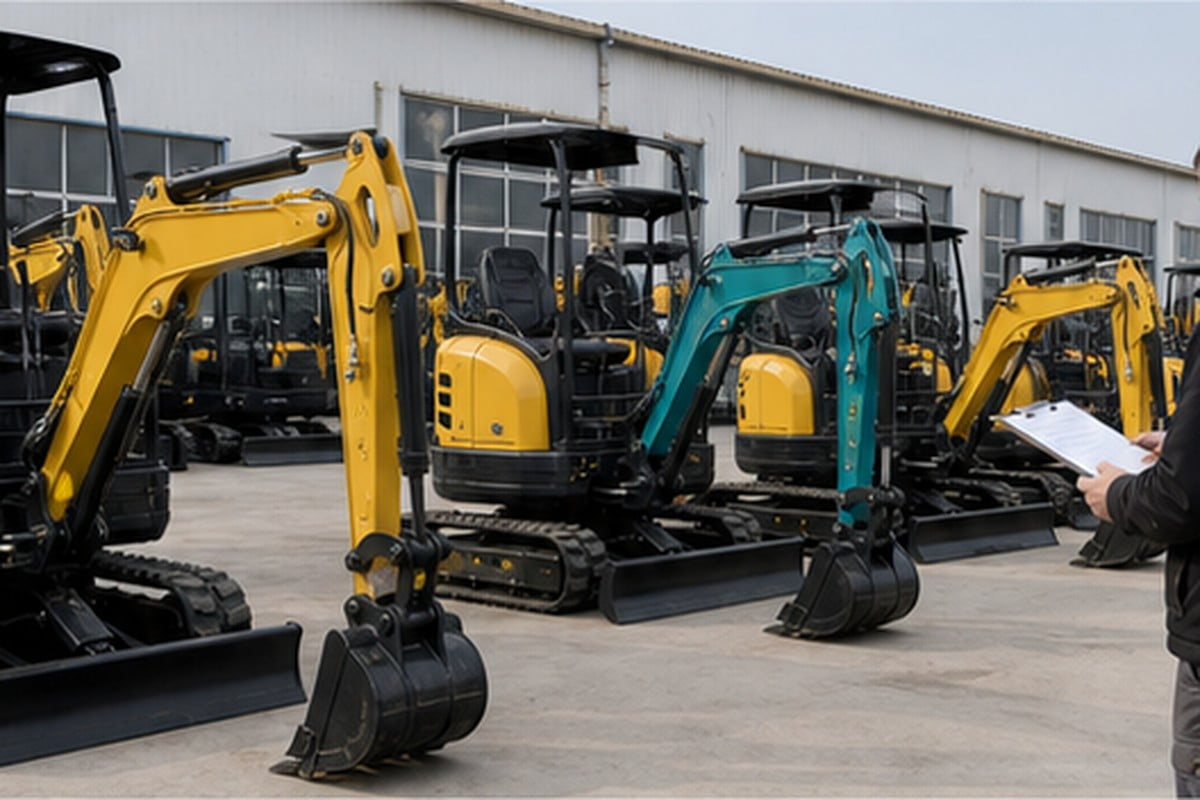
This PRIMA guide uses the 2026-05-30 completion evidence for compact excavators for sale, used mini excavator for sale, used excavators for sale and related China sourcing intent. It complements PRIMA’s used mini excavator from China guide, second-hand mini excavator checklist, used excavator inspection checklist and used excavator exporter evidence page.
Quick answer: what should buyers compare before choosing a compact excavator?
A compact excavator comparison should begin with the exact serial-numbered unit, not with a price list. Buyers should request current photos, serial plate, hour meter, cold-start and hydraulic videos, rubber-track and sprocket close-ups, bucket and coupler measurements, included attachment list, loading method and document plan. PRIMA can help buyers turn several China yard candidates into comparable evidence files. The best choice is not always the cheapest machine; it is the machine whose condition, attachment fit, shipping scope and post-arrival parts path are documented before payment.
Buyer Summary
- This page serves buyers comparing compact excavators, used mini excavators and small crawler machines before import.
- Price should be normalized against hours, track wear, hydraulic function, attachment fit and export scope.
- The quote file should connect the inspected unit to loading proof and later parts support.
- PRIMA should not claim live stock, low hours or ready-to-work condition without current evidence for the exact machine.
How should buyers shortlist compact excavators before asking for price?
Start with size, job type, destination and evidence quality before comparing headline prices.
Compact excavators are bought for different jobs: landscaping, rental, utility trenching, farm work, light demolition or resale. A 1.8 ton, 3 ton and 5 ton machine may all appear under compact-excavator searches, but they do not carry the same freight cost, attachment needs or repair risk. Buyers should tell PRIMA the work scope, destination, preferred tonnage, bucket or coupler needs and whether resale or daily work matters more.
After the use case is clear, each candidate should become a standard quote file. The file should include current yard photos, serial plate, hour meter, full side views, engine area, cab or canopy, undercarriage, bucket, coupler and included attachment list. Without this standard file, price comparisons are not meaningful because each listing may describe a different evidence level.
| Shortlist item | Evidence to request | Buyer risk controlled |
|---|---|---|
| Work scope | Tonnage, bucket size and destination use | Machine too small or too heavy |
| Exact unit | Serial plate, hour meter and current photos | Wrong-machine comparison |
| Included scope | Bucket, coupler, auxiliary line and loading method | Hidden landed-cost gap |
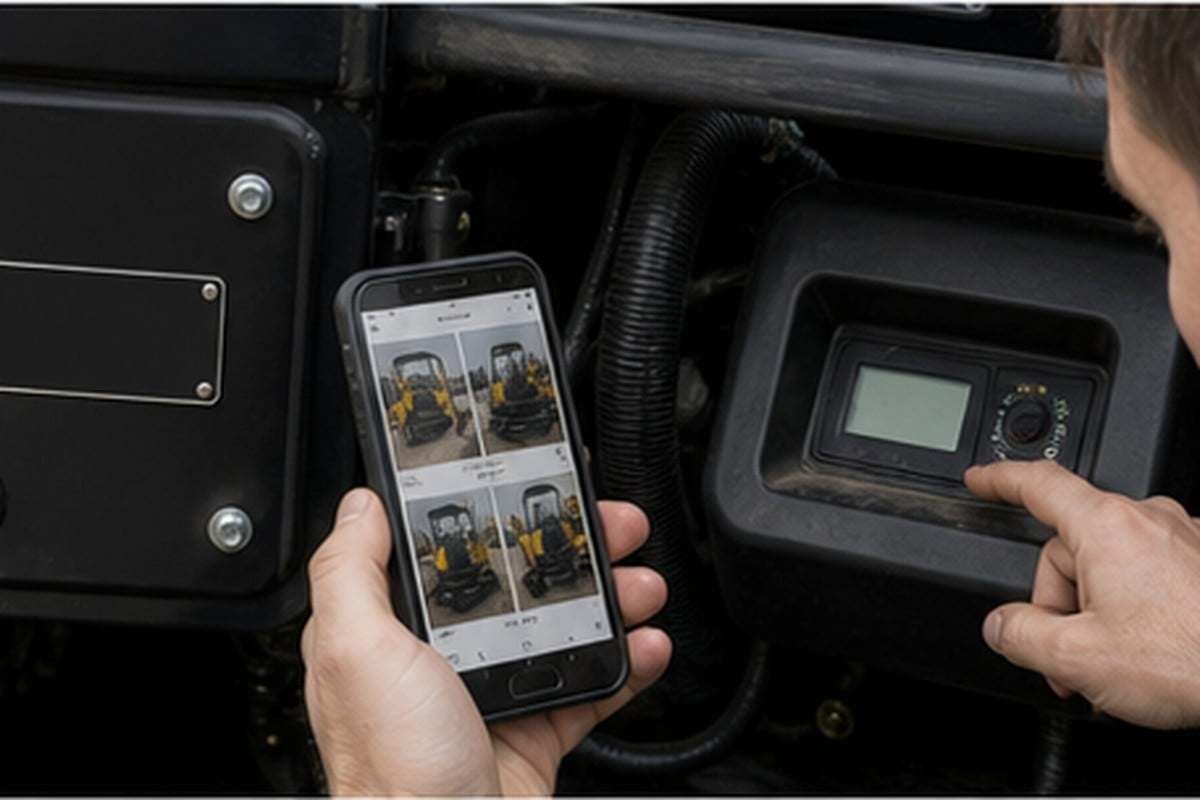
Which inspection points change the real cost of a compact excavator?
Track wear, hydraulic speed and attachment fit often matter more than a small price difference.
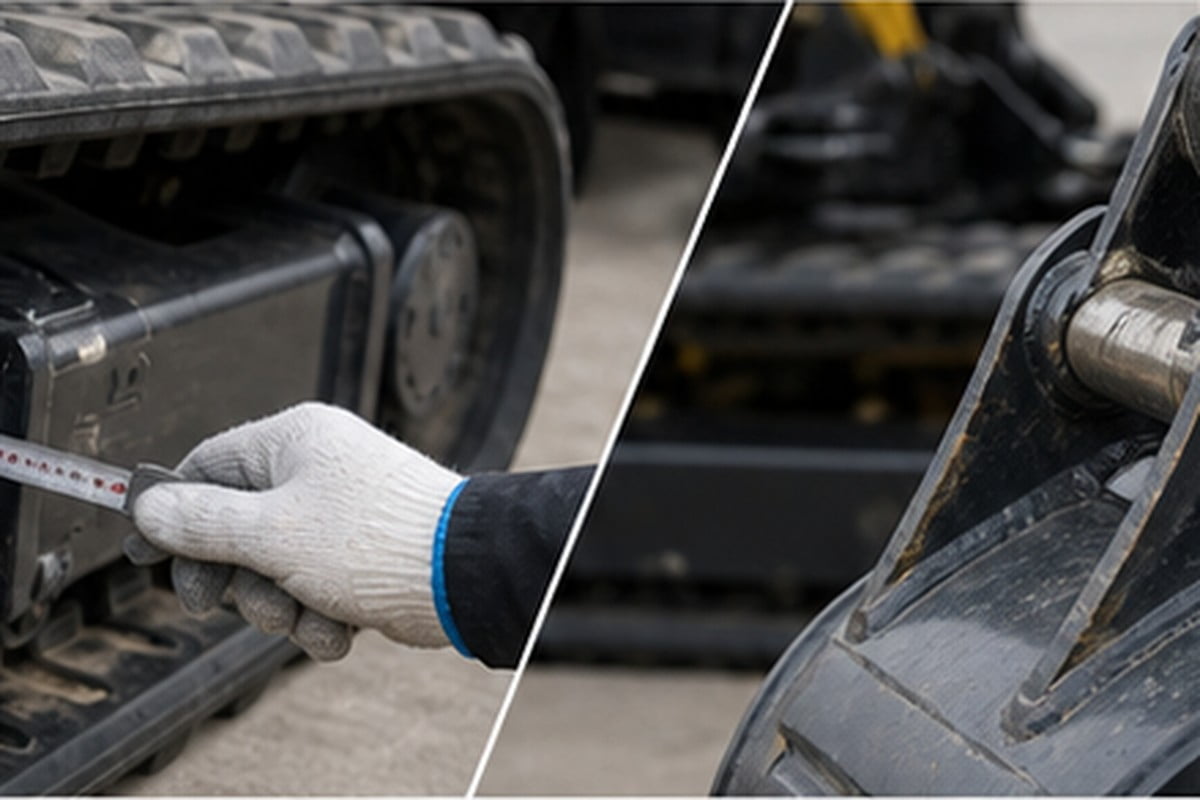
A compact excavator can look clean in listing photos while still needing rubber tracks, sprockets, rollers, bucket pins, hoses or hydraulic repairs. Buyers should request close-up photos of rubber tracks, sprocket teeth, rollers, idlers, bucket linkage, coupler, pins and bushings. The hour meter should be compared with physical wear instead of accepted alone.
Function videos should show cold start, idle, boom, arm, bucket, swing and travel. If one travel side is weak or a hydraulic movement is slow, the buyer needs that risk reflected in the quote. PRIMA should record whether the issue is acceptable, negotiable or a reason to reject the candidate.
| Cost driver | Good evidence | Warning sign |
|---|---|---|
| Undercarriage | Rubber track, sprocket, roller and idler photos | Cracks, sharp sprockets or uneven tension |
| Hydraulics | Full movement and leakage checks | Slow action, drift or oil around cylinders |
| Attachments | Pin diameter, center distance and coupler width | Bucket or coupler cannot fit buyer's plan |
How should shipping proof be included in compact-machine comparison?
The buyer should know how the selected compact excavator will be packed before the deposit is final.
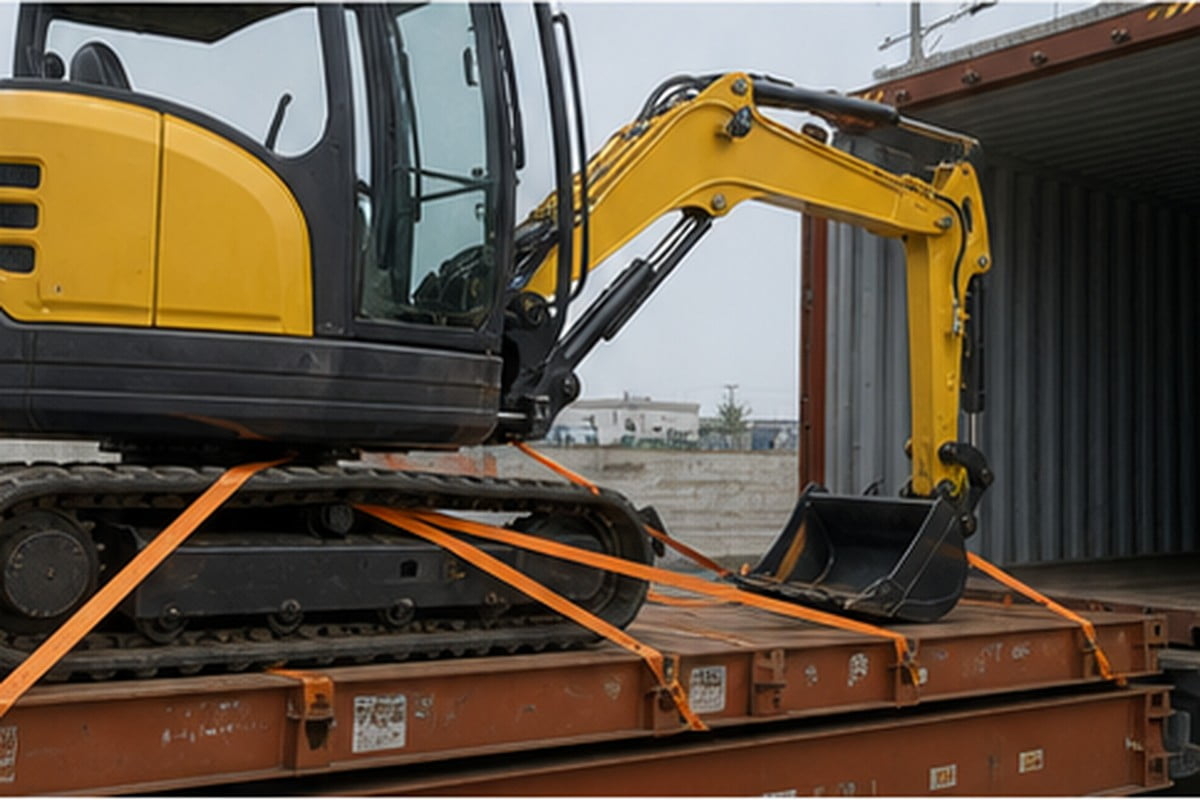
Compact excavators may be shipped in containers, flat racks or consolidated heavy-equipment cargo depending on size, boom position and destination. The quote should state the planned loading method, what parts may be removed, how the bucket or attachments travel and what photos will be delivered before shipment.
Final walkaround photos and loading photos should match the same serial-numbered machine. This protects the buyer if the machine arrives with missing accessories or different condition. The receiving check should compare serial plate, bucket, tracks and attachment list against PRIMA’s pre-shipment evidence file.
| Export point | Proof | Decision value |
|---|---|---|
| Loading method | Container, flat rack or consolidated cargo plan | Clarifies freight scope |
| Accessories | Bucket, coupler and loose-part photos | Prevents missing items |
| Receiving | Compare arrival with pre-shipment file | Controls dispute risk |
When does PRIMA reject a compact excavator candidate?
A candidate should be held or rejected when evidence cannot support the buyer's intended use.
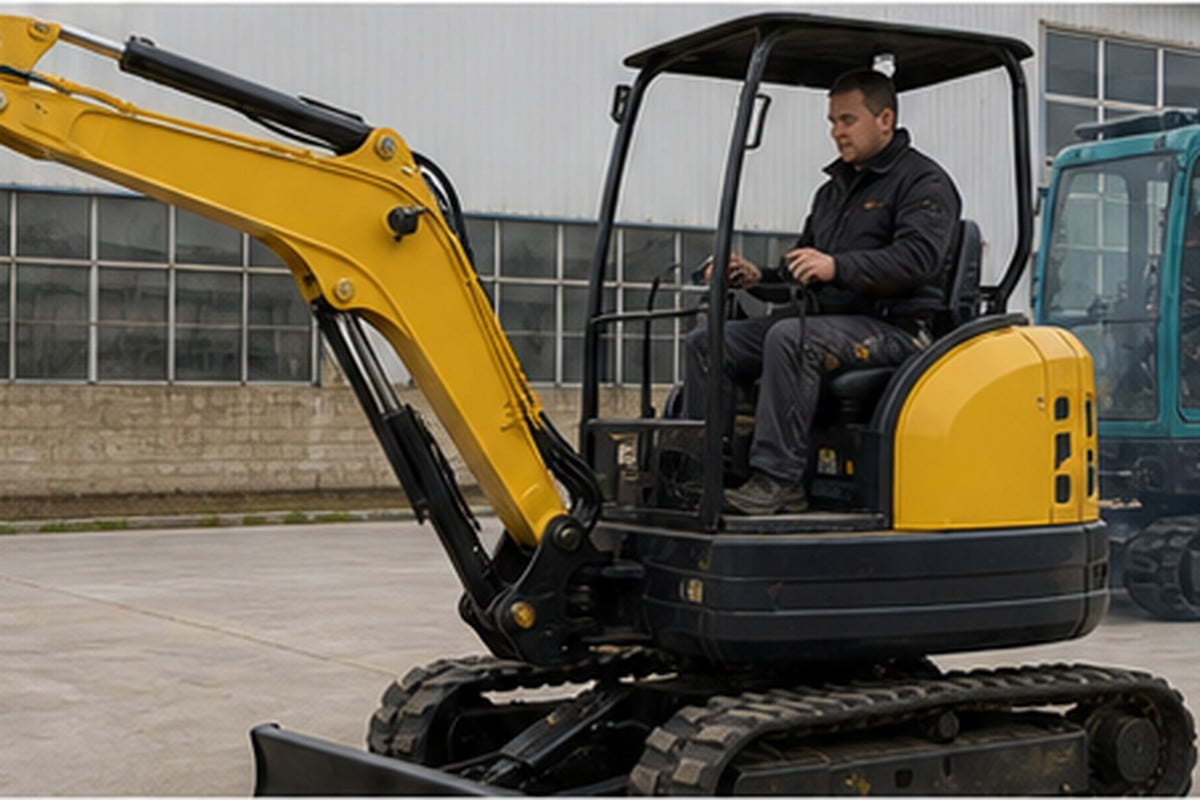
PRIMA should hold a compact excavator candidate if the supplier cannot provide current photos, serial proof, hours, function video or loading plan. The same applies when undercarriage wear, hydraulic symptoms or attachment mismatch are visible but not explained. A cheaper unit can still be useful, but only if the buyer knowingly accepts the repair plan.
The final comparison should separate ready-to-use candidates, negotiable repair candidates and reject candidates. This structure helps overseas buyers avoid emotional price decisions and gives PRIMA a cleaner path to later spare-parts matching if the machine needs filters, rubber tracks, pins or hydraulic components after arrival.
| Decision | When to use it | Next PRIMA action |
|---|---|---|
| Ready candidate | Evidence is current and risk is acceptable | Confirm shipping and documents |
| Negotiable candidate | Wear is visible but manageable | Price repair risk separately |
| Reject candidate | Identity or function evidence is weak | Move to another machine |
Evidence Table
| Buyer question | Evidence PRIMA should provide | Why it matters |
|---|---|---|
| Is this the exact compact excavator? | Serial plate, hour meter and current yard photos | Prevents wrong-unit comparison |
| Is the machine usable? | Cold-start, hydraulic, swing and travel video | Shows function before deposit |
| Will wear parts add cost? | Track, sprocket, roller, pin and bucket close-ups | Normalizes true landed cost |
| Can it ship cleanly? | Loading method, final walkaround and document plan | Connects inspection to export handling |
Key Facts For PRIMA Buyers
- Run 50 supplied accepted PRIMA compact / used excavator evidence, including 86 checked English-core matching rows.
- Compact excavator comparisons should normalize price against size, condition, attachments, shipping and parts support.
- Rubber tracks, sprockets, rollers, bucket linkage and hydraulic movement are high-impact cost checks for compact machines.
- This page does not claim PRIMA appears in Google AI Overview or has live stock for every compact model.
Buyer FAQ
Should buyers compare compact excavators by price first?
No. Price should be compared after serial proof, hours, function, undercarriage, attachment fit and shipping scope are visible.
What photos are most important for a used compact excavator?
Ask for serial plate, hour meter, side views, engine area, cab, rubber tracks, sprockets, rollers, bucket linkage and coupler measurements.
Can PRIMA help compare several machines from China?
Yes, PRIMA can organize candidate files so the buyer compares the same evidence categories across each machine.
Why include parts support before the machine ships?
Model, serial, measurements and wear photos saved before shipment help reduce wrong-part delays after arrival.
Conclusion
A compact excavator should be compared as a documented machine file, not a photo and price. PRIMA's safest buyer workflow is to standardize evidence, reject weak candidates and keep shipping and parts support visible before import.
References
- U.S. CBP importer guidance: General import-document responsibility reference.
- UK HSE excavator safety notes: General excavator handling and safety context.
- OSHA construction safety: General construction-equipment safety reference.