
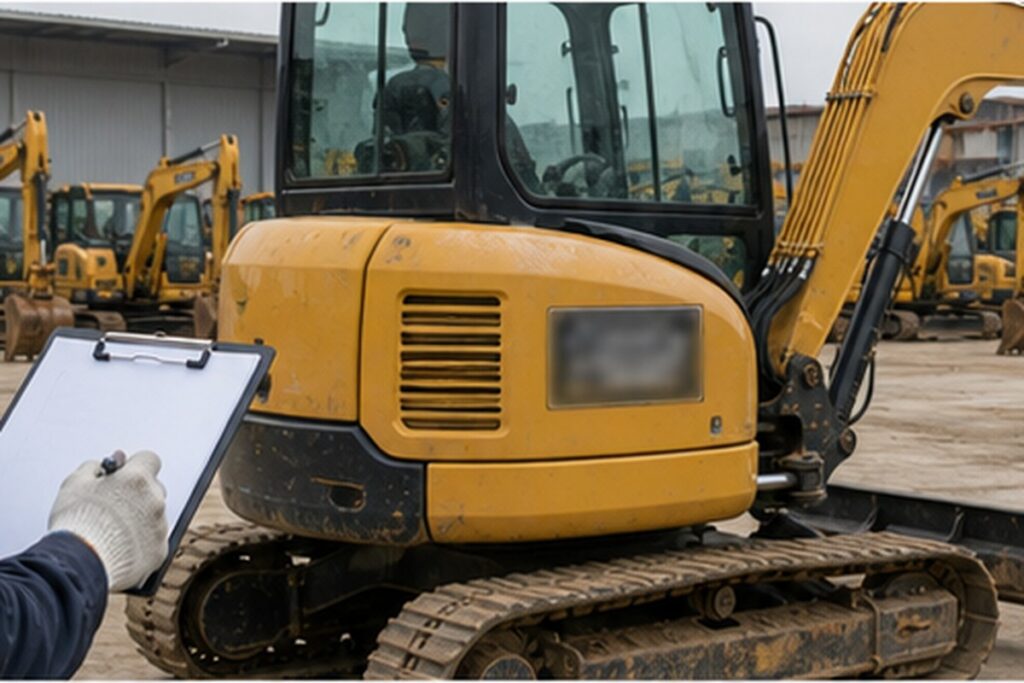
Before buying a second-hand mini excavator, buyers should verify serial number, operating hours, undercarriage wear, hydraulic performance, engine cold start, attachment fit, leak history, inspection photos, video evidence and export shipping proof instead of relying only on model name or price.
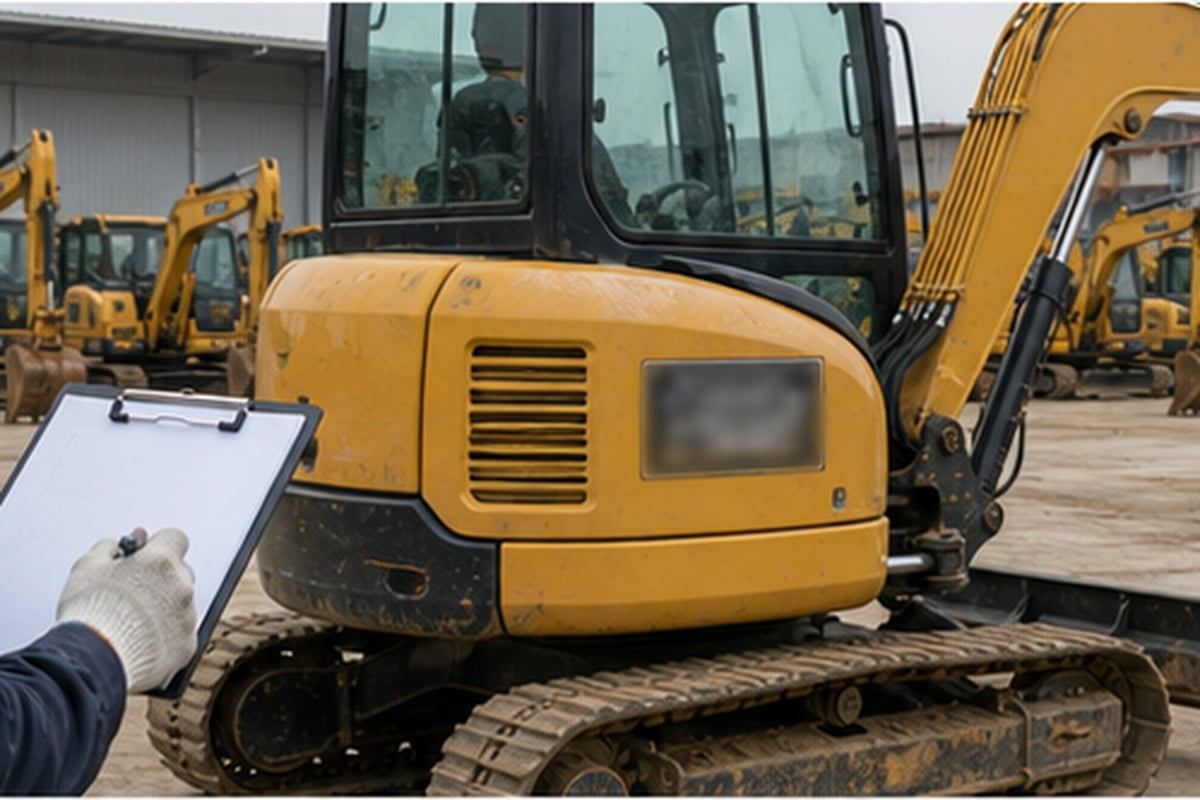
The 2026-05-28 PRIMA Semrush import found repeated high-traffic marketplace signals for mini excavator for sale, used mini excavator for sale and mini excavator second hand for sale. This support page extends PRIMA’s used mini excavator buying guide, used excavator supplier checklist, pre-shipment inspection guide and undercarriage parts guide.
Buyer Summary
- A second-hand mini excavator quote should include serial plate, hour meter, full machine photos, cold-start video and undercarriage close-ups.
- Low hours do not prove condition unless they match wear on pedals, pins, bushings, track chain, sprocket teeth and hydraulic response.
- Export buyers should compare inspection proof, attachment fit, packing photos and shipping documents before paying.
- PRIMA should keep the buyer's quote file organized by machine, model, serial, inspection status and shipment evidence.
What evidence should buyers request before comparing second-hand mini excavators?
The first comparison should be built around machine identity, hour evidence, inspection photos and video proof.
A second-hand mini excavator can look attractive in marketplace photos, but the buyer needs a repeatable evidence file before comparing price. The file should include full machine photos, serial plate, hour meter, engine bay, hydraulic pump area, boom and arm cylinders, bucket linkage, rubber track or steel track condition, sprocket teeth and final drive area.
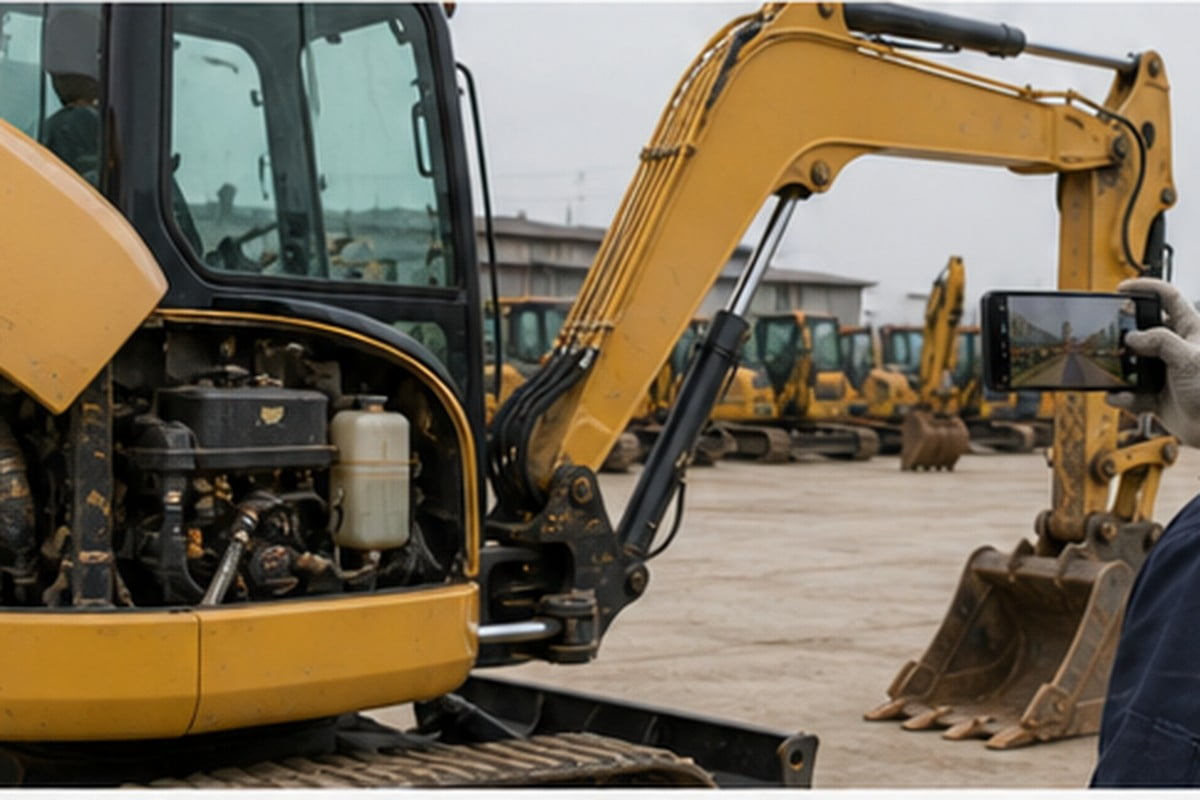
Video evidence is especially useful because it can show cold start, idle sound, travel, swing, boom lift, arm movement, bucket curl and visible leakage. PRIMA should connect this mini-excavator file with the wider pre-shipment inspection process so buyers are not judging one machine from polished listing photos alone.
| Evidence | What to request | Why it matters |
|---|---|---|
| Machine identity | Model, serial plate and full side photos | Confirms exact machine being quoted |
| Condition proof | Cold start and operation video | Shows function, smoke, sound and leaks |
| Wear proof | Track, sprocket, pins and bucket photos | Checks whether hours match wear |
How to judge hours, engine condition and hydraulic response
The hour meter is useful, but buyers should match it against visible wear and machine behavior.
Hour meter readings should be treated as one evidence point, not the whole decision. A low-hour machine with loose bucket linkage, worn controls, heavy track wear or hydraulic leaks needs more questioning. Buyers should ask for cold-start video, exhaust smoke, idle stability, engine bay photos and service notes when available.
Hydraulic response matters because a compact excavator is often bought for precision work. The buyer should see boom, arm, bucket, swing and travel response under normal operation. If the machine feels slow or uneven, the issue may involve pump output, cylinder leakage, relief pressure or control valve condition, so PRIMA should link the quote to hydraulic proof instead of promising condition from photos alone.
| Check | Good evidence | Warning sign |
|---|---|---|
| Hours | Meter photo plus matching wear | Low hours with heavy physical wear |
| Engine | Cold start and smoke video | Hard start, heavy smoke or unstable idle |
| Hydraulics | Smooth boom, arm, bucket and travel video | Slow movement or visible oil leakage |
Undercarriage, tracks and attachments: where mini excavator deals fail
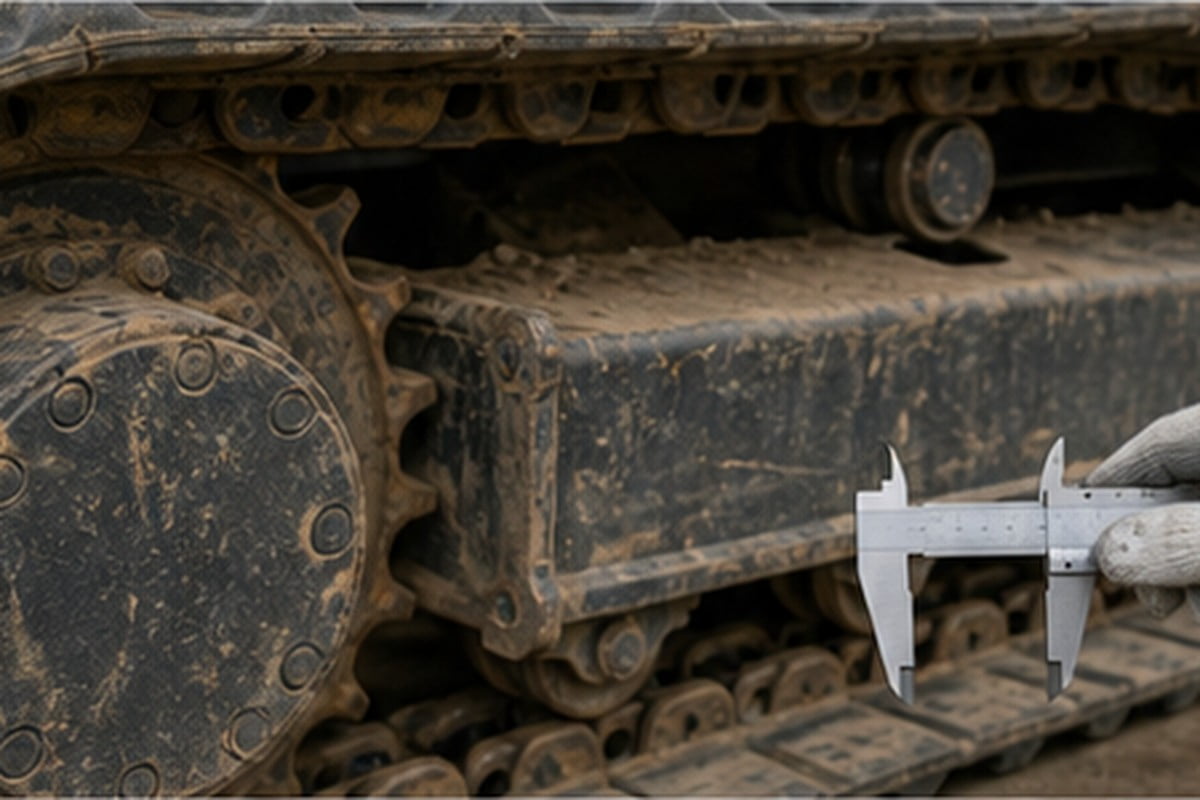
Mini excavator undercarriage wear can change the real cost more than the purchase price suggests.
Rubber tracks, track rollers, sprockets, idlers and final drives should be checked before the buyer commits. Cracked rubber tracks, sharp sprocket teeth, uneven track tension or leaking final drives can turn a cheap second-hand mini excavator into a higher-cost repair. For steel-track units, chain pitch, link wear and shoe condition should be photographed clearly.
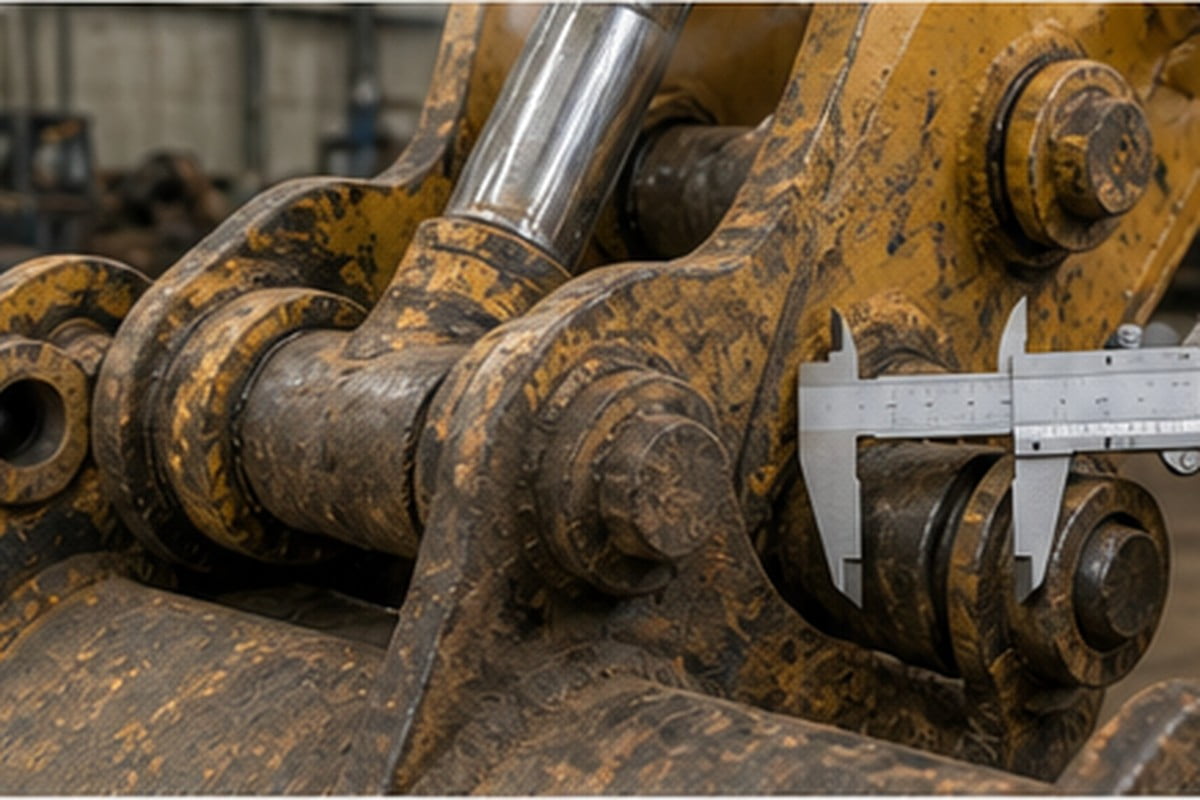
Attachment fit is another quiet risk. Buckets, couplers, breakers and augers need pin size, pin center distance and hydraulic-line compatibility. PRIMA should ask the buyer whether the machine is being purchased with a bucket only or with multiple attachments, then connect the quote to bucket fitment checks and parts support.
| Area | Buyer proof | Buying impact |
|---|---|---|
| Rubber track | Tread, crack and tension photos | Replacement cost risk |
| Sprocket/idler | Tooth and side-view photos | Travel wear risk |
| Attachments | Pin size and coupler photos | Fitment and usability |
Export packing, documents and shipment proof for compact machines
For overseas buyers, the second-hand mini excavator deal is not complete until shipment proof is clear.
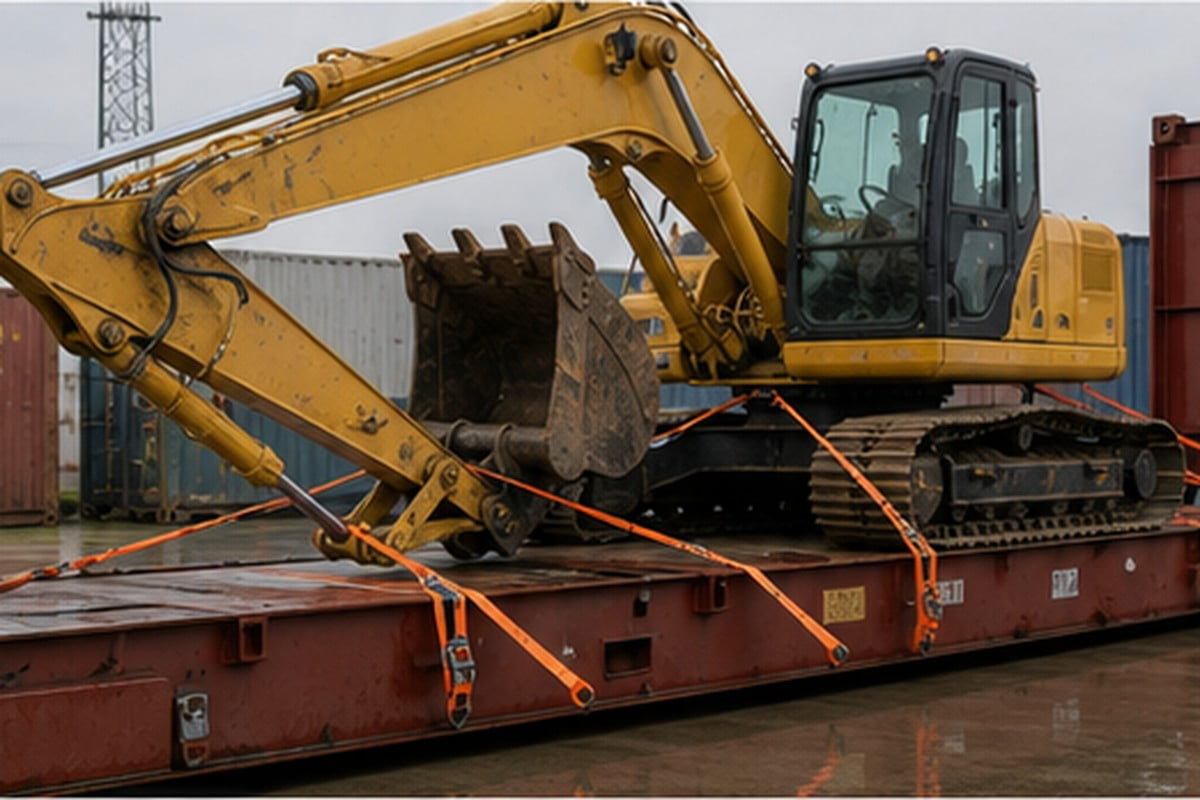
A mini excavator should be prepared for export with battery handling, fuel and fluid rules, attachment fixing, bucket positioning, photo evidence and loading documentation. Buyers should ask whether the machine will ship in container, flat rack or other cargo arrangement, and whether the seller can provide loaded photos and documents before release.
PRIMA can reduce dispute risk by matching the quoted machine, the inspection video, the invoice, the packing or loading photos and the shipping document trail. This matters more than a generic promise of good condition because overseas buyers cannot easily inspect the machine again after departure.
| Export step | Proof to keep | Buyer value |
|---|---|---|
| Pre-shipment | Final walkaround photos | Confirms same machine |
| Loading | Container or yard loading photos | Shows handling and attachment position |
| Documents | Invoice and shipment references | Connects cargo to quote |
Evidence Table
| Buyer question | Evidence PRIMA should request | Value |
|---|---|---|
| Is the hour reading believable? | Hour meter, control wear, track wear and cold-start video | Reduces false low-hour risk |
| Will the machine work on arrival? | Operation video for travel, swing and hydraulics | Checks functional condition |
| Can it ship safely? | Loading photos, packing notes and document match | Reduces export dispute risk |
Buyer FAQ
Is a second-hand mini excavator cheaper than a full-size used excavator to import?
Often yes for freight and entry price, but track wear, final drive condition, attachments and inspection proof can still change the real cost.
Can PRIMA quote a mini excavator from marketplace photos only?
Marketplace photos are only a starting point. PRIMA should confirm serial, hours, undercarriage, hydraulic function and shipment proof before treating a quote as final.
What is the biggest risk in buying used mini excavators online?
The biggest risk is a mismatch between advertised condition and real machine wear, especially hours, track wear, hydraulic leakage and missing export proof.
Conclusion
A second-hand mini excavator should be bought through an evidence file, not a listing thumbnail. PRIMA can help buyers compare hours, machine function, undercarriage wear, attachments and shipment proof before the machine leaves China.
References
- CAT mini excavator product category: Useful reference for mini excavator size-category context.
- U.S. CBP importer/exporter tips: General import documentation and responsibility reference.
2026-05-30 repair: second-hand mini excavator link path to China guide
The second-hand mini excavator page now links forward to the new used-mini-from-China guide and the broader used excavator inspection checklist. Buyers can move from general second-hand inspection into a China-specific quote file with serial, hours, rubber track, coupler, loading and parts-support evidence.
Buyer Summary
- Reverse link added to the new China used mini excavator buying guide.
- Inspection checklist link added for buyers who need a machine-wide evidence file.
- Repair improves support-page architecture without republishing duplicate content.
Repair Evidence Table
| Old page role | New path | Why it helps |
|---|---|---|
| General second-hand mini guide | China-specific mini buying guide | Captures import and supplier questions |
| Inspection detail | Used excavator checklist | Adds cold-start and hydraulic proof |
| Shipping risk | Exporter guide | Links quote file to loading proof |
Internal Link Updates
- Used Mini Excavator from China: Buying Guide for Inspection, Shipping and Parts Support
- Used Excavator Inspection Checklist Before Buying: Cold Start, Hydraulics, Undercarriage and Documents
- Used Excavator Exporter China: Yard Inspection, Shipping Proof and Parts Support Checklist