
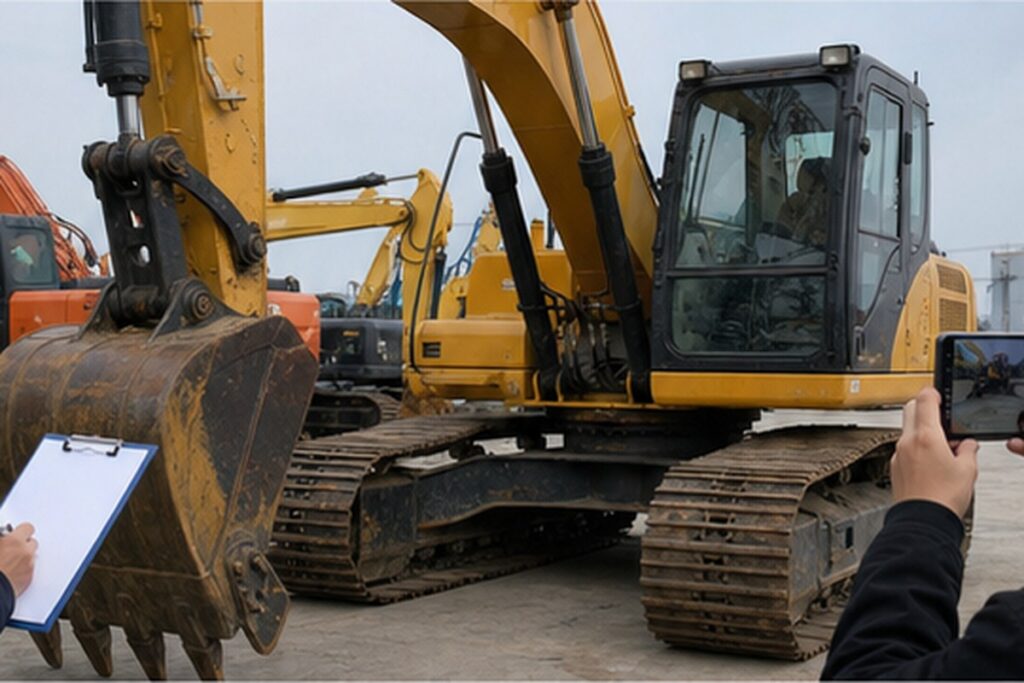
Planning to ship a used excavator from China? Start with the machine model or listing and the destination country or port. PRIMA can discuss the next shipping checks; a firm freight quote requires the exact machine, shipping dimensions and weight, attachments, delivery scope and current route confirmation.
Ask about shipping your excavator. You can make a first enquiry before every measurement is available.
This is a planning checklist, not a completed shipment case. It does not confirm current stock, a booking, freight price, transit time or import approval. Request dated, serial-linked records for the quoted unit.
Use this checklist with the supplier evidence guide, marketplace vs direct supplier comparison, pre-shipment inspection guide and mini excavator inspection page. Use the inspection guides to review condition before release; this page explains the cargo plan, shipping handoff and receiving records for that same serial-confirmed unit.
What a used excavator shipping file should contain
A used excavator shipping file should connect the quoted machine to the loaded cargo. Buyers should request the serial plate, final walkaround photos, attachment list, dimensions, weight estimate, shipping route, container or flat-rack decision, loading photos, tie-down or blocking photos, document references and receiving checklist. PRIMA can reduce export dispute risk when it keeps inspection media, invoice, packing or cargo notes and shipment proof together, but shipping evidence should not be treated as a guarantee of machine condition. It supports review of handling, identity and document continuity; photos alone do not certify safe securing or completed delivery. Buyers should still judge the machine from inspection videos and wear evidence before shipment and then use loading photos to verify that the inspected unit is the unit leaving the yard.
Buyer Summary
- Shipping proof should connect the serial-confirmed machine, final inspection file, loading photos and documents.
- Container, flat rack and other cargo plans depend on dimensions, weight, attachments, destination and carrier rules.
- Photos should show final walkaround, bucket and boom position, securing, blocking, loading status and document references.
- Receiving teams should compare serial, photos, attachment list and cargo condition before unloading is treated as complete.
Start shipping planning from the inspected machine
Build the shipping plan from the same identified machine and the inspection findings accepted for that transaction.
A used excavator deal becomes risky when inspection, invoice and shipping are treated as separate files. The buyer should first confirm the exact machine through serial plate, hour meter, full photos and inspection video. Then the shipping plan should use that same machine’s dimensions, weight, attachments and destination requirements.
Keep the quotation, inspection findings, final walkaround and shipment records together. If several similar machines are parked in the yard, the serial and distinctive photos help the buyer confirm that the unit loaded for export is the unit that was inspected.
| File stage | Evidence | Risk controlled |
|---|---|---|
| Inspection | Serial, hours, photos and video | Wrong machine |
| Shipping plan | Dimensions, weight and attachments | Wrong cargo method |
| Loading | Final photos and securing proof | Handling dispute |
Container vs flat rack: what buyers should confirm
The loading method depends on machine size, route, destination and how attachments are handled.
A container, flat rack, roll-on/roll-off service or another heavy-cargo method may be considered. Selection depends on the actual shipping configuration, packed dimensions and weight, equipment limits, route, terminal handling and carrier acceptance. Model name or operating weight alone is insufficient. Do not choose a method only because the quoted freight is lower.
Before payment or release, the buyer should ask how the boom, arm, bucket, counterweight, tracks and accessories will be positioned. If parts or attachments are separated, they should be photographed and listed so receiving teams know what should arrive with the machine.
| Shipping option | When it may fit | Evidence needed |
|---|---|---|
| Container | Measured cargo fits the equipment and accepted load limits | Fit plan and loading photos |
| Flat rack | Out-of-gauge cargo accepted for the proposed equipment and route | Securing, blocking and route confirmation |
| Other heavy cargo | Oversize or special route | Carrier and port handling notes |
Check the measured cargo configuration
Confirm transport length, width and height, shipping weight and the source/date of each figure. List the bucket, attachments, spare parts and loose packages separately, including any planned removal and reassembly responsibilities. Ask the forwarder or carrier to confirm equipment availability, cargo limits and terminal handling for that configuration.
A dimensions-only estimate is not a booking. A qualified cargo-handling provider must decide loading, blocking and securing requirements; this page does not supply a universal lashing design or authorize dismantling.
Loading photos, securing and damage prevention
Loading photos should show practical handling evidence, not just a machine near a container.
Useful loading photos show the machine before movement, during positioning, after securing and after final checks. Buyers should look for bucket position, boom support, track blocking, straps or chains, wood blocks, hydraulic area protection and whether loose accessories are fixed. The goal is to document handling and identity.
A photo cannot replace professional cargo securing, but it helps the buyer review whether the supplier followed an evidence-led process. For expensive used machines, the final loading file is also useful if there is damage, missing accessory confusion or receiving-port questions later.
| Photo | What it should show | Buyer value |
|---|---|---|
| Before loading | Full machine and serial context | Same-unit confirmation |
| During loading | Positioning, ramp or flat rack handling | Handling evidence |
| After securing | Tie-downs, blocks and accessories | Damage and missing-part control |
Documents and receiving checks after shipment
The document trail should match the machine, attachments and loading evidence.
The buyer should keep invoice, packing or cargo notes, loading photos, shipping references and any document copies required for import. Those documents should describe the machine and accessories consistently enough for the receiving team to compare against the photos. If the buyer has customs or destination-specific requirements, they should be raised before shipment.
After arrival, the receiving team should compare serial, machine photos, attachment list, visible damage and cargo condition before unloading is treated as finished. This final step closes the evidence loop from the machine inspection to the buyer’s destination.
| Document / check | Evidence | Reason |
|---|---|---|
| Invoice / cargo notes | Machine and accessory match | Import and receiving |
| Shipping references | Route and cargo identity | Document continuity |
| Receiving photos | Arrival condition and serial | Claim or dispute record |
Evidence Table
Connect each record to the quoted machine and proposed route, and record any missing confirmation before release.
| Buyer question | Evidence to review | Decision value |
|---|---|---|
| Is this the inspected machine? | Serial, final walkaround and loading photos | Helps verify the same unit |
| Is the shipping method practical? | Dimensions, weight, attachments and route plan | Controls freight and handling risk |
| Can receiving teams verify cargo? | Document references and arrival checklist | Supports customs, receiving and claims |
Key Facts For PRIMA Buyers
Agree the following points for the proposed shipment before release.
- A decision-ready shipping file starts with the exact machine, named destination and agreed Incoterm.
- Shipping proof should connect inspection evidence, machine identity, loading photos and documents.
- Container and flat-rack decisions depend on dimensions, route, attachment handling and carrier requirements.
- Shipping evidence supports identity and handling; it does not replace condition inspection.
Can every used excavator ship in a container?
No. The shipping configuration, measured dimensions and weight, equipment limits and carrier acceptance determine the option. Do not assume container suitability from the model name or machine size class.
What photos should buyers request before shipment?
Request final walkaround, serial context, attachment list, loading, securing, blocking and packed accessory photos.
Does loading proof guarantee machine condition?
No. Loading records support identity and handling checks; they do not guarantee condition, safe securing or delivery. Review the same-machine inspection findings and agreed shipment scope separately.
Why should documents be checked before release?
Documents should match the inspected machine and cargo plan so import, receiving and dispute records remain consistent.
Ask PRIMA about a shipping plan
Start with the model or listing URL, destination country or port and a reply contact. The following details help develop a route-specific quote; unknown fields can be confirmed later instead of guessed. A firm freight figure needs the exact machine and agreed trade terms.
Send the shipping brief: WhatsApp +86 138 2031 8813 or [email protected]. Share the details you have so PRIMA can identify the next checks for one machine and one route. You can also use the enquiry form.
Details to confirm for a freight quote
- Quoted machine URL or model plus readable PIN/serial evidence; include the bucket and every loose attachment.
- Destination country, destination port or final city, and whether port-only or inland delivery is required.
- Preferred Incoterm and named place, or a request for PRIMA to state comparable options.
- Required delivery window, import/document requirements, and any known port, road, crane or unloading constraint.
What to check in the shipping quotation
- Source of the machine dimensions and working/shipping weight, proposed cargo method, and how the boom, arm, bucket and loose attachments will be handled.
- Loading, blocking and securing plan; itemized included and excluded origin, ocean, destination and inland charges; insurance scope if offered; quote date, validity, currency, Incoterm version and named place. Identify which party arranges and pays each service.
- Route-specific timing as a dated forwarder estimate, with carrier/route scope and an explicit statement that schedules can change.
- Document list, final walkaround/loading evidence plan, and receiving checks tied to the same machine identity.
Before accepting a quote: confirm the exact machine, destination, Incoterm and named place, exclusions and a current route-specific freight or handling offer. Freight, schedules, port charges and available equipment can change. A website estimate is not a booking or shipment promise.
Ask the buyer’s destination broker and the appointed forwarder to confirm the applicable import requirements and required documents before release. This guide does not guarantee customs clearance, tax treatment, an arrival date or delivery to every destination. Record any missing confirmation and who will obtain it.
Related planning guides: use the shipping-cost and quotation guide to build a dated cost stack from machine dimensions, route, Incoterm and exclusions. If the exact machine has not been selected, start from the used-excavator catalogue; no logistics figure should be treated as machine-specific until a dated record and cargo inputs are confirmed.
Confirm receipt and the scope in writing. Enquiring about freight does not create a booking or confirm a carrier, rate, stock status or shipment date.
Conclusion
Used excavator shipping should close the loop between inspection, quotation, loading and receiving. PRIMA can help buyers reduce export disputes by keeping serial proof, final photos, loading evidence and documents in one traceable shipping file.
References
- IMO CTU Code: Non-mandatory international guidance on packing, securing and receiving cargo transport units; not evidence that a particular PRIMA shipment has been approved.