
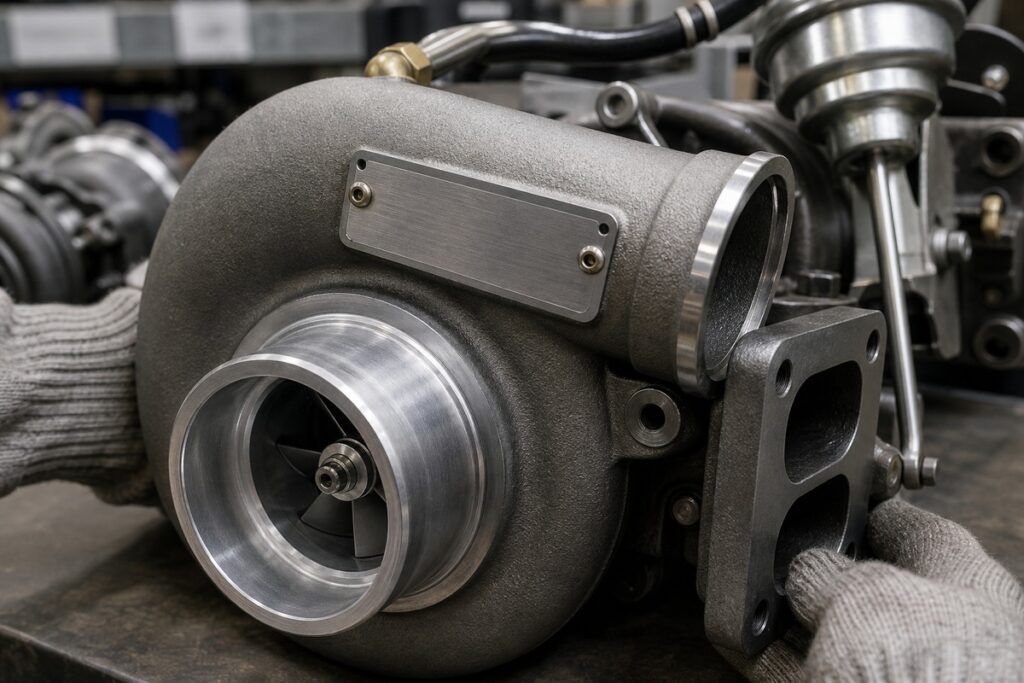
Buyers should check an excavator turbocharger before ordering from China by treating the old unit as the reference point, not by approving a similar catalog photo. The safer file includes excavator model, engine model, serial context, old turbo nameplate or casting mark, compressor and turbine housing photos, exhaust and intake flange layout, oil feed and drain position, actuator style, shaft-play or wheel-condition evidence, gasket set and packing proof. PRIMA can support turbocharger sourcing when the buyer shares the machine and old-part evidence, but the quote should stay conditional when the part number, flange pattern or condition grade is not yet proven.
A turbocharger is one of the engine parts where a close-looking mismatch can still create a failed repair. Two units may share a similar housing shape while the wastegate, oil drain angle, flange thickness or hose connection points differ enough to stop installation.
This repaired PRIMA guide links the turbocharger check to the excavator engine parts quote checklist, part-number verification guide and excavator parts supplier guide. It is written for importers, repair shops and fleet buyers who need a repeatable quotation file before deposit.
Quick answer: what proves an excavator turbocharger is safe to order?
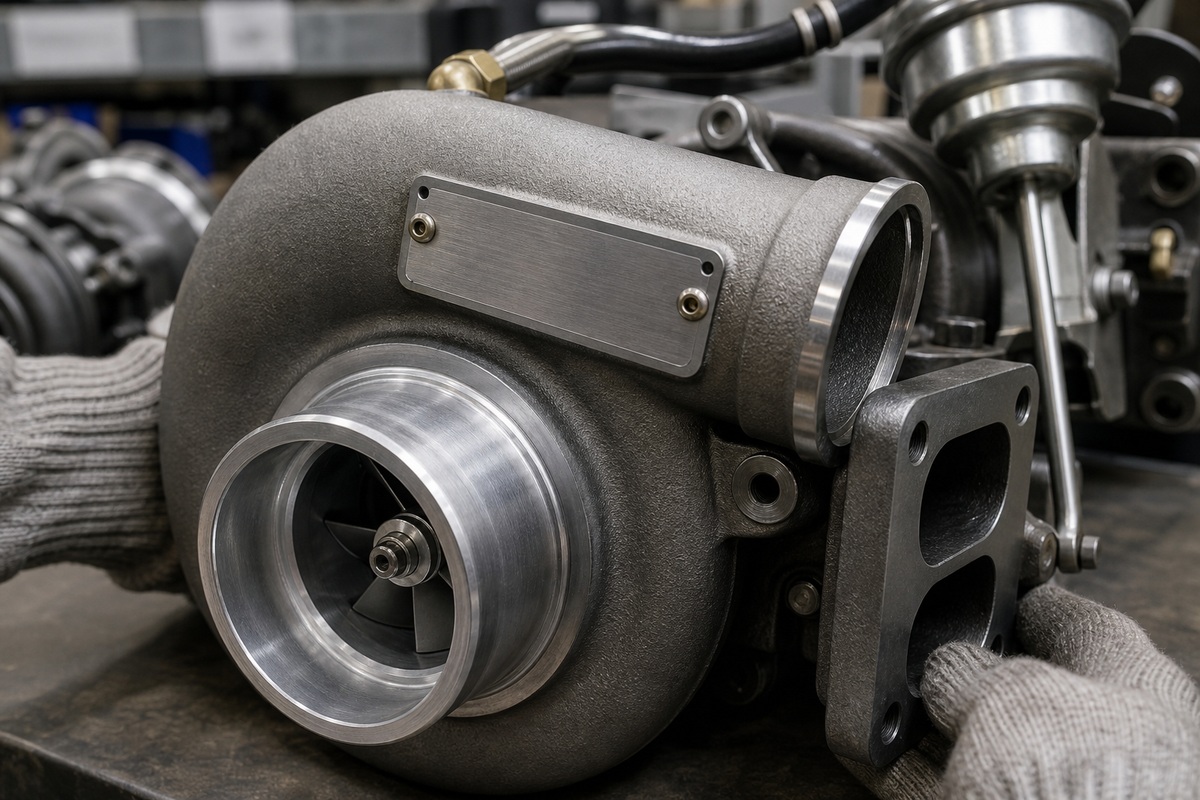
An excavator turbocharger should be verified with engine identity and old-unit evidence before purchase approval. Buyers should send the excavator model, engine model, serial context, old turbo nameplate or casting mark, compressor and turbine housing photos, inlet and exhaust flange layout, oil feed and oil drain orientation, actuator style and gasket requirements. For rebuilt or used turbochargers, condition evidence should include wheel photos, housing damage checks, shaft-play or bench inspection notes and a clear warranty boundary. PRIMA can use brand and model names descriptively for fitment discussion, but should not claim official, authorized, OEM or exclusive supply unless current written evidence supports that specific turbocharger. The final export file should include packing photos that protect the compressor wheel, ports and actuator.
Buyer Summary
- Best for repair shops, importers and fleet buyers sourcing replacement excavator turbochargers from China.
- Required evidence: engine model, old turbo nameplate or casting, flange photos, oil-line layout, actuator style and condition proof.
- Main buyer risk: a similar housing can fail installation because of flange, hose, actuator or oil-drain differences.
- PRIMA should separate new aftermarket, rebuilt and used options, and avoid official or OEM claims unless current written proof supports the exact item.
Which identity proof should come before the price?
The first check is not the polished turbo photo. It is the identity chain between the excavator, engine and old turbocharger. Buyers should send the engine model, machine serial context, old turbo nameplate, casting marks and photos from the compressor side, turbine side and mounting face. If the old nameplate is missing, a quote can still move forward, but it should be marked conditional until casting and flange evidence are strong enough.
For older machines, engine swaps and previous repairs can make model-name matching unreliable. A buyer may say the machine is a CAT 320, SANY, Komatsu or Hitachi model, but the useful sourcing evidence is the actual engine and old turbo. PRIMA should record any uncertainty instead of presenting a guessed match as confirmed.
| Check | Evidence | Buyer value |
|---|---|---|
| Engine identity | Engine model, machine serial context and old-unit photos | Prevents wrong turbo family |
| Turbo ID | Nameplate, casting mark or part number | Controls close-looking variants |
| Part number or casting | Must match old turbo or engine application | Do not approve only by excavator model |
How should condition be checked on new, rebuilt or used turbochargers?
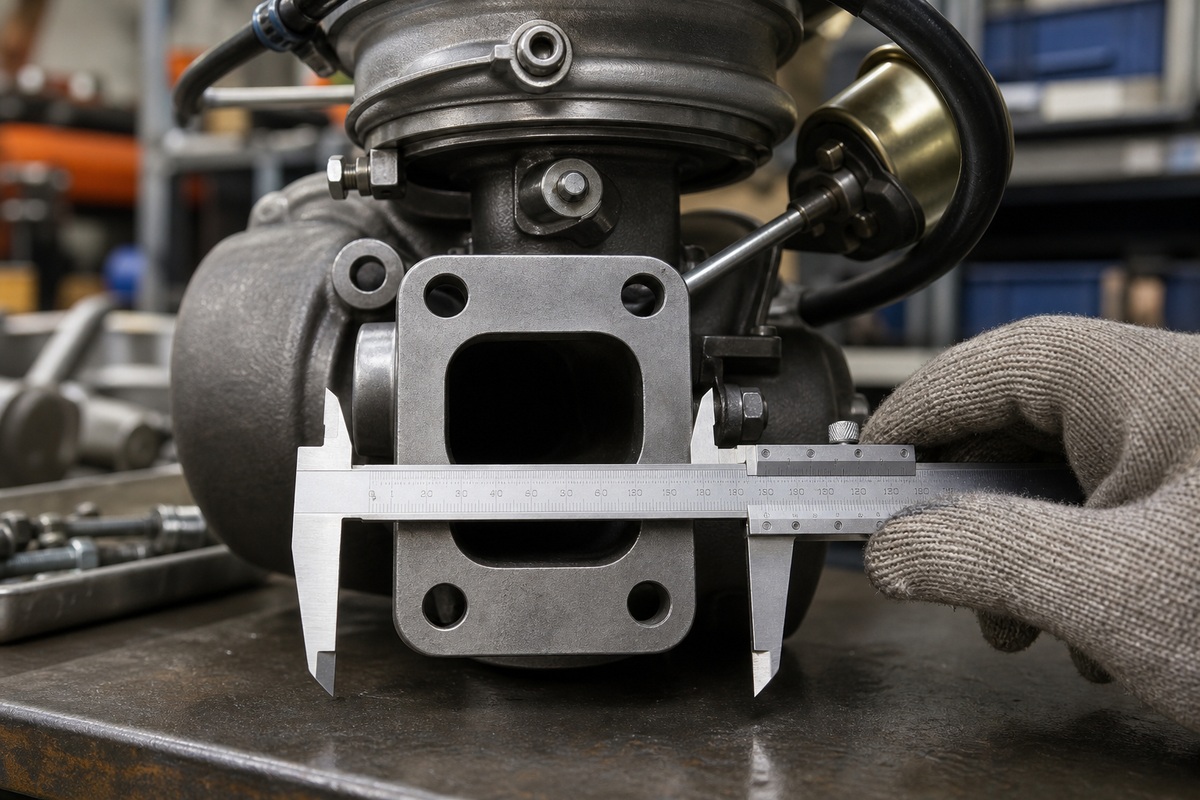
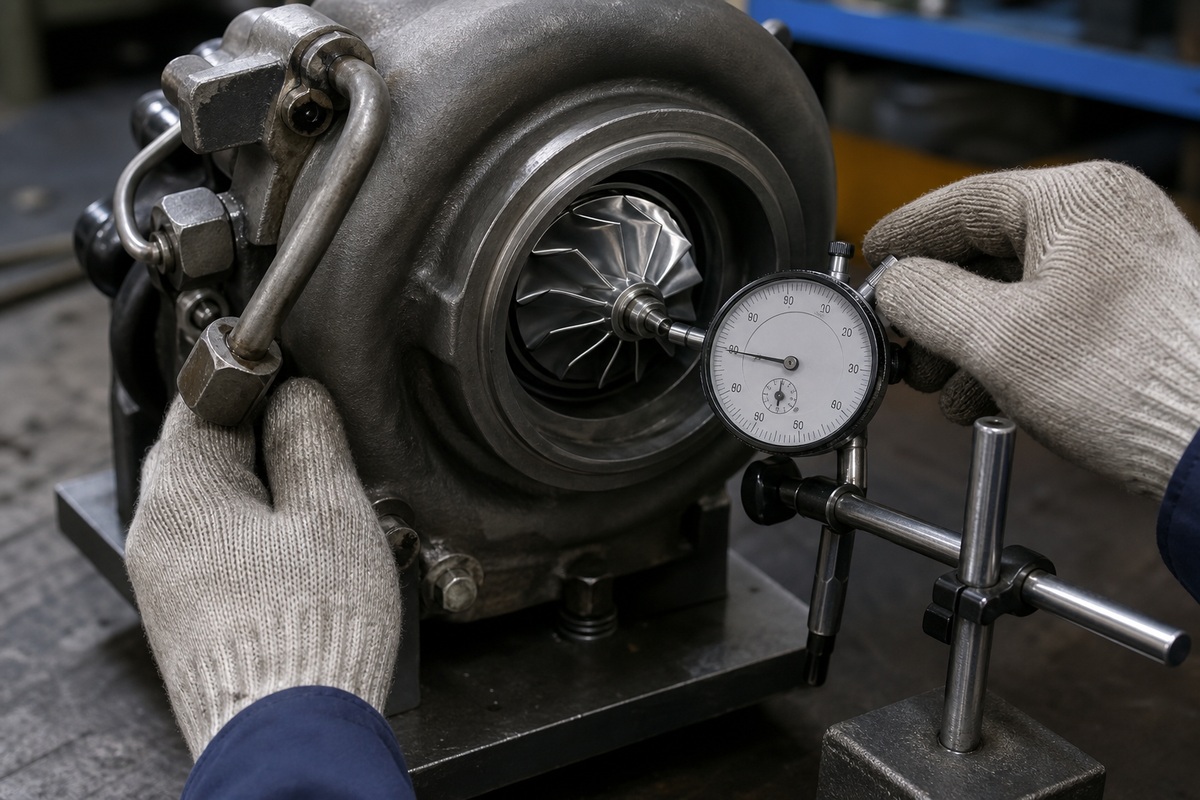
Condition language must be precise. A new aftermarket turbocharger, a rebuilt turbocharger and a used turbocharger are different risk levels. The buyer should see wheel condition, housing edges, oil-port cleanliness and actuator condition. For rebuilt or used units, a shaft-play or bench-inspection note is useful because external cleaning can hide wear.
Visible damage such as chipped compressor blades, contact marks, cracked housings, worn actuator rods or oil carbon around ports should change the decision. If the turbo is sold as used or rebuilt, PRIMA should state the warranty boundary, what has been checked and what is not guaranteed after installation.
| Check | Evidence | Buyer value |
|---|---|---|
| Flange pattern | Bolt spacing, gasket outline and housing clocking | Common mismatch point |
| Oil line position | Feed and drain angle plus thread style | Wrong drain angle can create leakage |
| Condition grade | Wheel, shaft-play, housing and bench evidence if used or rebuilt | Avoids hidden quality disputes |
Which fitment details prevent wrong-part shipments?
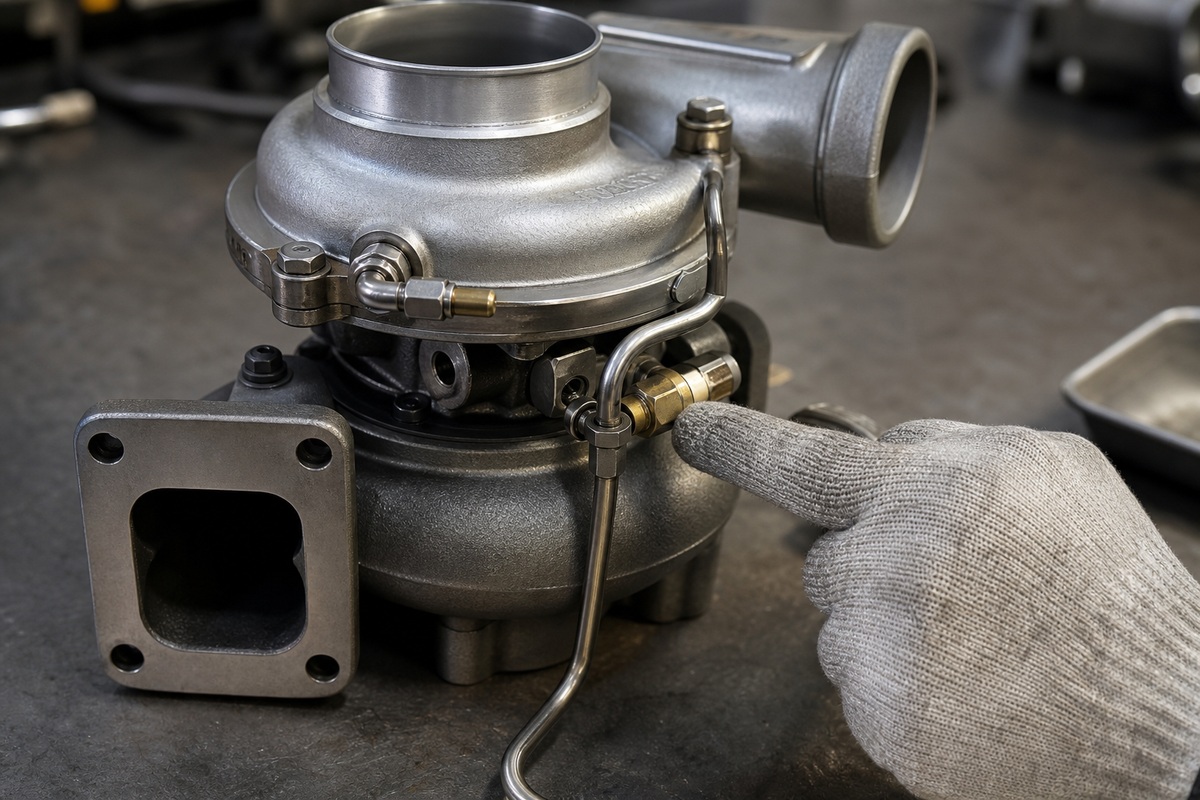
Fitment is decided by the parts that bolt and connect to the engine: exhaust flange, compressor outlet, oil feed, oil drain, actuator position, housing clocking and gasket outline. Buyers should compare each point with the old turbocharger, because small differences are easy to miss in one front-facing photo.
The safest quotation file shows measurement photos where needed. A caliper on the flange, a photo of the oil drain face and a side view of the actuator can prevent an expensive return. If a supplier proposes an alternative part number, the comparison should be documented instead of accepted as a verbal substitution.
| Check | Evidence | Buyer value |
|---|---|---|
| Oil line position | Feed and drain angle plus thread style | Wrong drain angle can create leakage |
| Actuator | Wastegate or control style and rod position | Affects boost control and installation |
| Fitment layout | Exhaust flange, intake flange, oil feed, oil drain and actuator photos | Reduces installation failure |
What should be clear before payment and shipment?
The quote should state the condition grade, included accessories, packing method and claim boundary. If PRIMA is using the turbocharger for descriptive brand/model fitment, the page should not imply official dealer status or OEM authorization without current evidence.
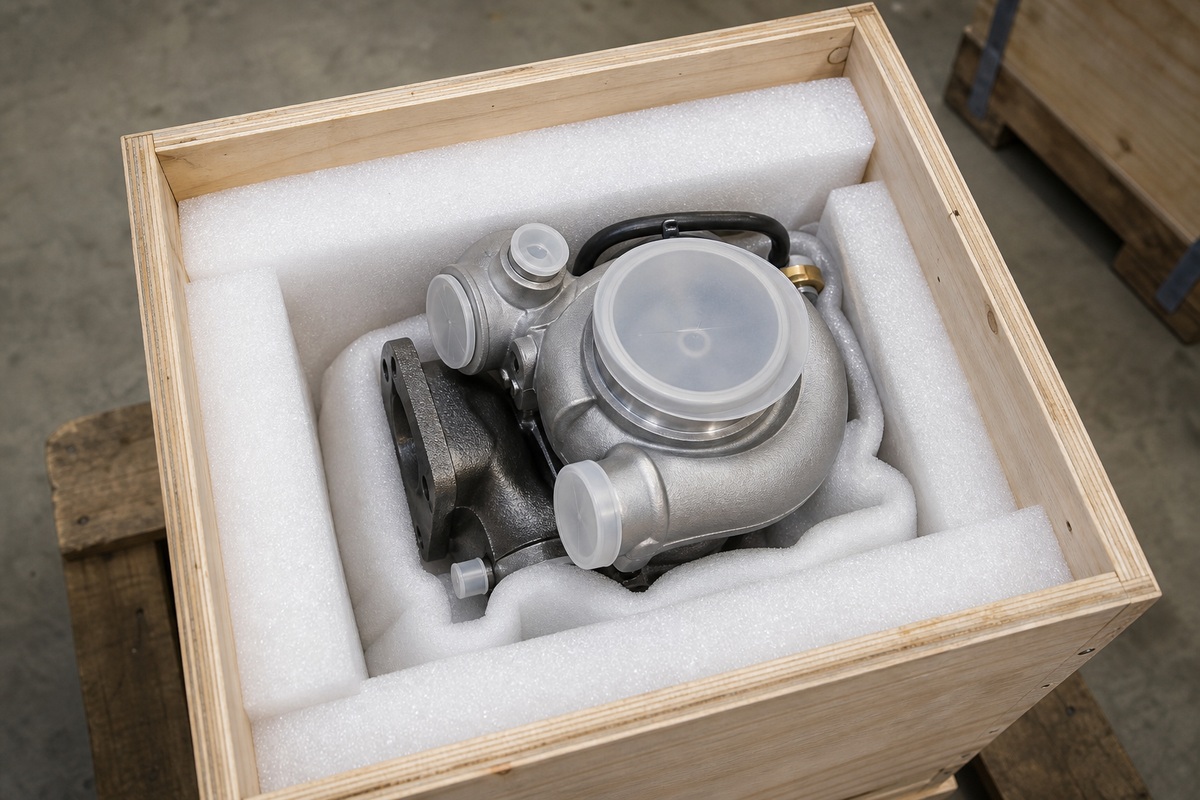
Before shipment, request a final packing photo. The compressor wheel, open ports and actuator should be protected against impact and dust. For urgent repairs, the receiving team should also prepare gaskets, oil-line cleaning and installation checks before the part arrives.
| Check | Evidence | Buyer value |
|---|---|---|
| Included parts | Gasket, clamps, studs or oil-line accessories | Avoids missing installation items |
| Export packing | Foam, port covers and crate or carton photo | Reduces shipment damage |
| Receiving file | Compare arrived part with approved photos | Controls post-arrival disputes |
Evidence Table
| Buyer question | Evidence PRIMA should provide | Why it matters |
|---|---|---|
| Engine identity | Engine model, machine serial context and old-unit photos | Prevents wrong turbo family |
| Turbo ID | Nameplate, casting mark or part number | Controls close-looking variants |
| Fitment layout | Exhaust flange, intake flange, oil feed, oil drain and actuator photos | Reduces installation failure |
| Condition grade | Wheel, shaft-play, housing and bench evidence if used or rebuilt | Avoids hidden quality disputes |
| Export packing | Foam, port covers and crate or carton photo | Reduces shipment damage |
Key Facts For PRIMA Buyers
- Turbocharger fitment is controlled by engine identity, old-unit evidence and flange/oil-line layout.
- A similar turbo housing can still fail installation if the actuator or oil drain orientation differs.
- Used and rebuilt turbochargers need condition evidence beyond cleaned exterior photos.
- Packing should protect the compressor wheel, ports and actuator.
- Brand names should be used descriptively only unless current authorization evidence exists.
Buyer FAQ
Can buyers order an excavator turbocharger by machine model only?
It is risky. The buyer should also confirm engine model, serial context, old turbo photos, nameplate or casting and flange layout.
What is the most common turbocharger fitment mistake?
A close-looking housing with different flange, oil-drain angle, actuator or hose orientation can cause installation failure.
Are rebuilt or used turbochargers acceptable?
They can be considered only when condition grade, wheel photos, shaft-play or bench evidence and warranty boundary are clear.
Should the gasket set be included?
The quote should state exactly whether gasket, studs, clamps or oil-line accessories are included.
Can PRIMA claim OEM turbocharger supply?
Only if current written evidence supports the exact part. Otherwise PRIMA should describe condition and fitment evidence without overclaiming.
Conclusion
The safest order is not the fastest visual match. It is the order with machine identity, old-part evidence, fitment comparison, condition boundary and packing proof saved before payment. PRIMA should keep each quote tied to the evidence file, explain what is confirmed, and leave uncertain claims conditional until the buyer or supplier provides stronger proof.