
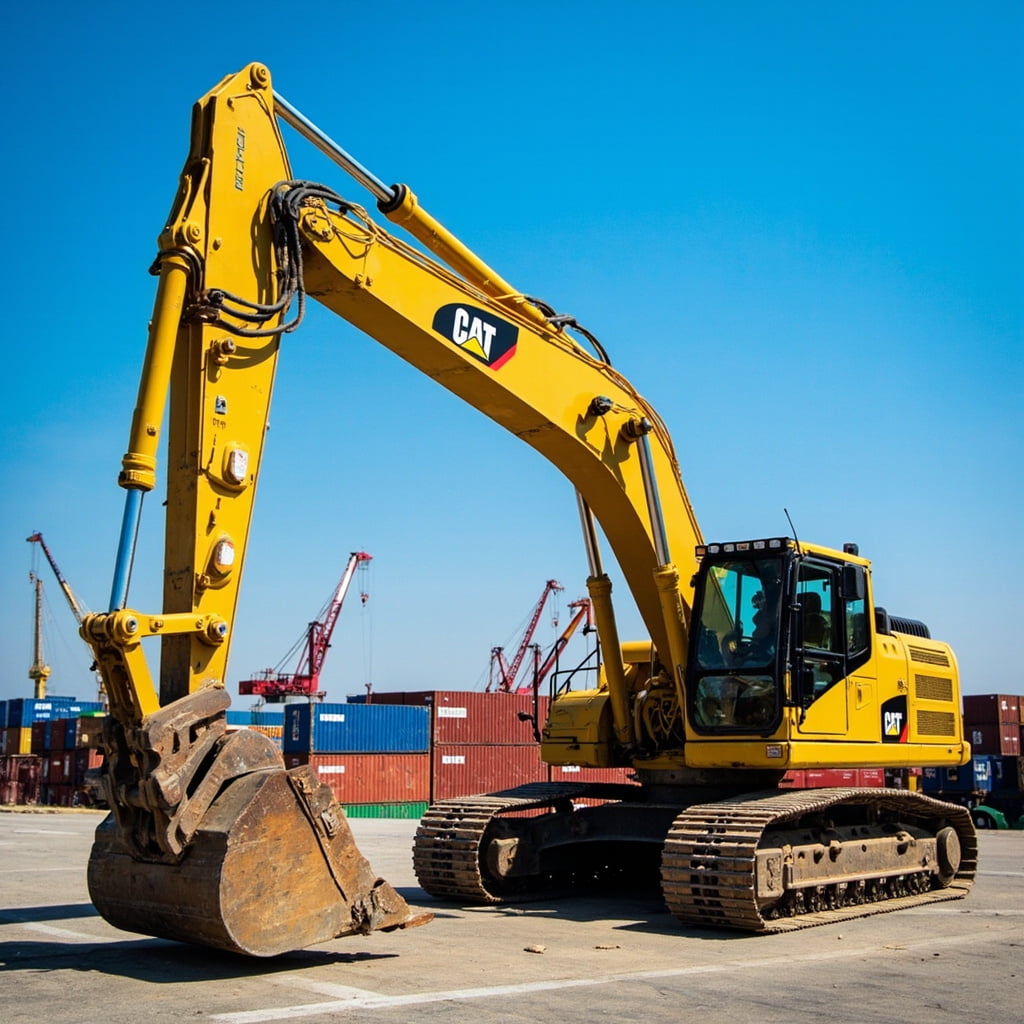
Buying a used excavator from China sounds straightforward on paper—but I’ve seen too many buyers from Africa and the Middle East make the same expensive mistakes over and over again. After more than a decade running our sourcing operation in China’s largest used excavator market, I’ve learned what separates a smooth purchase from a nightmare. Our team operates in Baoding, China—where some of the largest used excavator dealers in the country actually source from us. This guide walks through the most common pitfalls and how to avoid them.
Why China Has Become the Go-To Source for Used Excavators
Global demand for construction and mining equipment continues rising, and many buyers find that Chinese used excavator markets offer advantages that domestic suppliers can’t match. China’s manufacturing scale means more equipment available in more configurations than almost anywhere else—and at competitive price points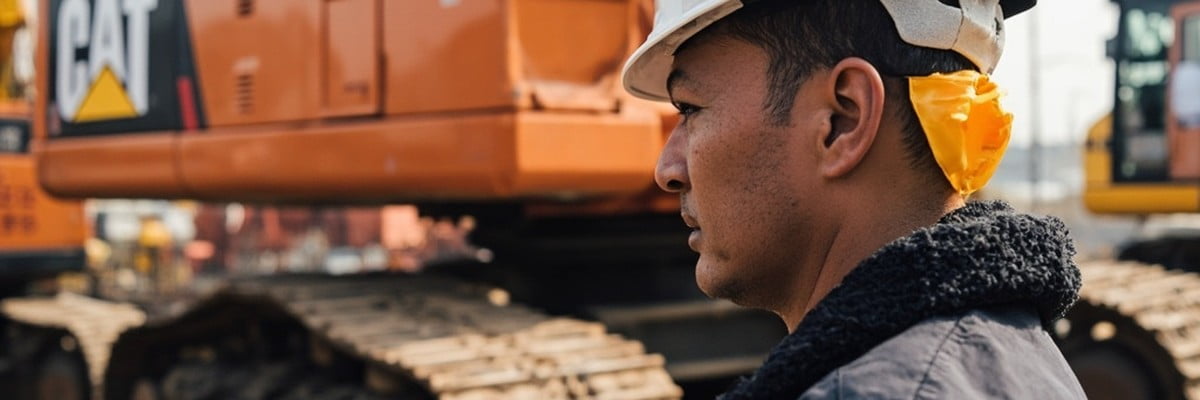
Used Excavator Quality Inspection for African Buyers
that make sense for businesses managing tight project budgets.
For buyers in Africa, the economics are particularly compelling. A new excavator loses 20-30% of its value within the first year. Well-maintained used units retain reliable performance while costing 40-60% less than new equipment. The global market for pre-owned construction equipment is well-documented in industry research on construction equipment lifecycles. This value retention makes used the logical choice for contractors, rental companies, and mining operations who need equipment that performs without the new-machine price tag.
The Most Common Mistakes Buyers Make
Based on what I see in our market, buyers repeatedly fall into the same traps. Understanding these mistakes before you buy saves far more than the time it takes to learn about them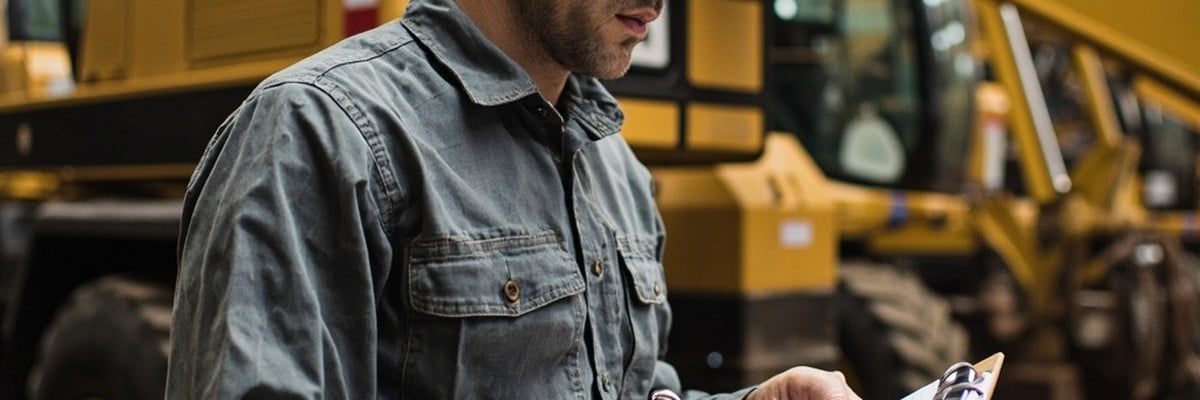
Pre-Shipment Quality Checklist for Used Excavators
.
- Skipping proper inspection: Whether through video call or third-party inspection service, never buy without verifying the machine’s actual condition. Engine hours, hydraulic function, undercarriage wear—all of these affect value significantly.
- Ignoring parts availability: In Africa, getting spare parts can mean weeks of downtime if your supplier doesn’t have reliable access. We’ve seen buyers choose cheap options only to discover the specific parts they need aren’t available locally or take months to import.
- Not planning for African fuel quality: Diesel fuel standards vary enormously between countries. Machines built for European or Japanese fuel specs sometimes struggle with African fuel quality. This is a real operational issue that experienced suppliers know how to address.
- Failing to verify export documentation: I’ve heard too many stories about shipments held at customs because documentation wasn’t properly handled. Working with suppliers who understand export regulations prevents cargo from being seized or delayed.
- Focusing only on purchase price: The machine price is just the beginning. Consider shipping costs, customs duties, and the real cost of potential downtime when parts aren’t available. The cheapest initial price rarely means the lowest total cost.
What Every Buyer Should Verify Before Purchasing
Whether you’re buying a CAT 320, Komatsu PC200, SANY, or any other brand, certain checks apply universally:
Hours and condition: Under 5,000 hours is generally excellent for a machine that’s been properly maintained. Between 5,000-8,000 hours represents good value if the service history checks out. Above 8,000 hours requires more careful evaluation of wear items.
Hydraulic system: Listen for unusual noises. Check for visible leaks around cylinders and connections. The hydraulic system is one of the most expensive components to repair—catching problems before purchase saves significant money.
Undercarriage: Track wear patterns tell you how the machine has been operated. Even track wear can be misleading if you don’t know what to look for. We always walk buyers through these details because we believe informed customers make better long-term partners.
Service documentation: Any reputable supplier should be able to provide maintenance records. If a seller can’t or won’t show service history, that’s a red flag worth taking seriously.
Why Parts Supply Matters More Than You Think
For African buyers especially, parts availability can make or break your investment. When I talk to customers in Tanzania, Nigeria, or Kenya, the ones who’ve been in this business longest always ask about parts first—because they’ve experienced the cost of downtime.
In our experience, sourcing parts through established channels with proven suppliers means regular components can often be found within days rather than weeks. The difference between finding parts quickly and waiting months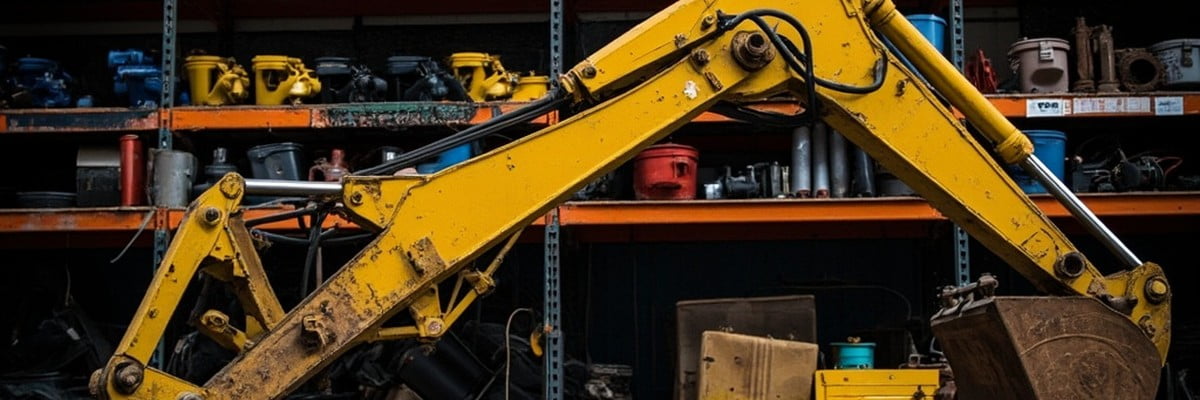
Organized Spare Parts for Excavator Maintenance
directly impacts your project timelines and profitability. We maintain relationships with suppliers who understand the urgency of keeping machines running.
Frequently Asked Questions
What’s a reasonable budget for a quality used excavator?
A well-maintained 2018-2021 model CAT 320 with under 5,000 hours typically ranges from $20,000-$30,000 depending on condition and configuration. The exact price varies based on hours, service history, and included attachments. I always tell buyers to focus on total cost of ownership rather than just the purchase price.
How do I verify machine hours are accurate?
Request video verification showing the actual hour meter display. Compare the meter reading against documented service records. Any supplier who refuses video verification before purchase should raise concerns.
What’s the real cost of shipping from China to Africa?
Shipping costs depend on the port of departure, destination port, and whether you use consolidated or full container loading. Most buyers in our experience find that sea freight with proper documentation handling adds roughly 15-25% to the total purchase cost when all logistics are included.
How do I handle fuel quality issues in Africa?
Some suppliers offer fuel system modifications or guidance on operating in regions with variable fuel quality. We discuss these considerations with African buyers specifically because it’s a known operational challenge. Ask potential suppliers what experience they have with your destination country.
What payment terms are standard for international buyers?
In our operation, we typically work with 30% deposit and the balance before shipment. T/T transfers are the standard payment method. We don’t work with letters of credit because the added complexity often costs buyers more than it protects them.
Making a Smart Purchase Decision
Buying used equipment from China doesn’t have to be risky if you approach it with the right information. Focus on verifying actual machine condition, understand total costs beyond the purchase price, and work with suppliers who have documented experience supporting buyers in your region.
If you’re exploring options for used excavators from China, we’re happy to share what we’ve learned over years of helping buyers in Africa and beyond. Our approach at Prima Excavator is straightforward: transparent pricing, documented quality verification, and support that continues after your machine ships.