
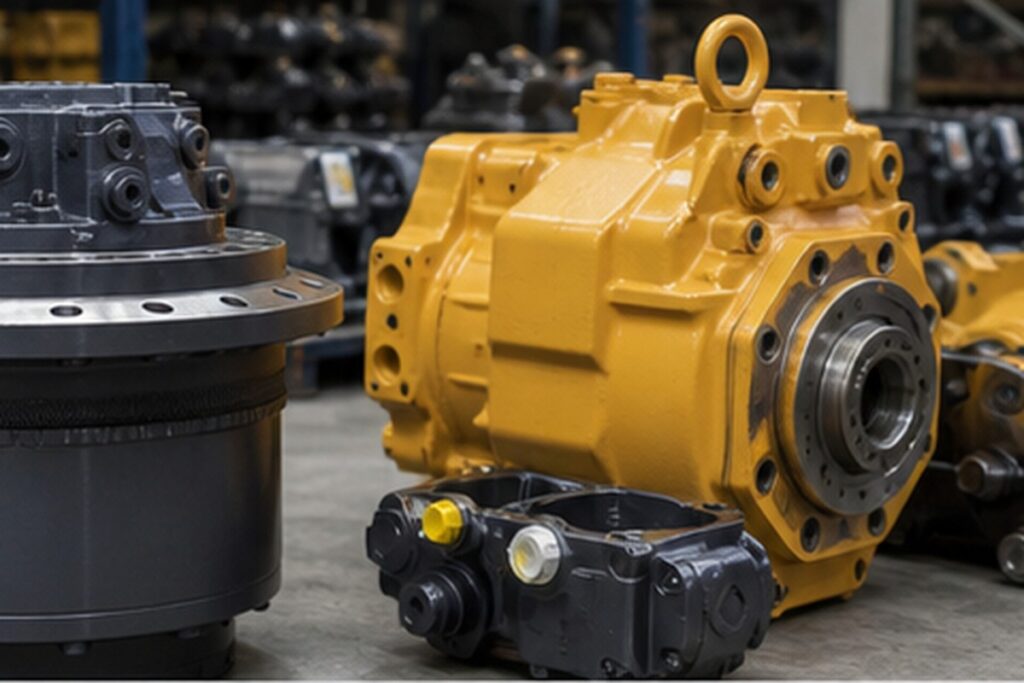
Buyers should compare OEM, aftermarket, used and rebuilt excavator parts by first confirming fitment, then separating condition grade, warranty boundary, current photos, test evidence, lead time, packing and landed-cost risk.
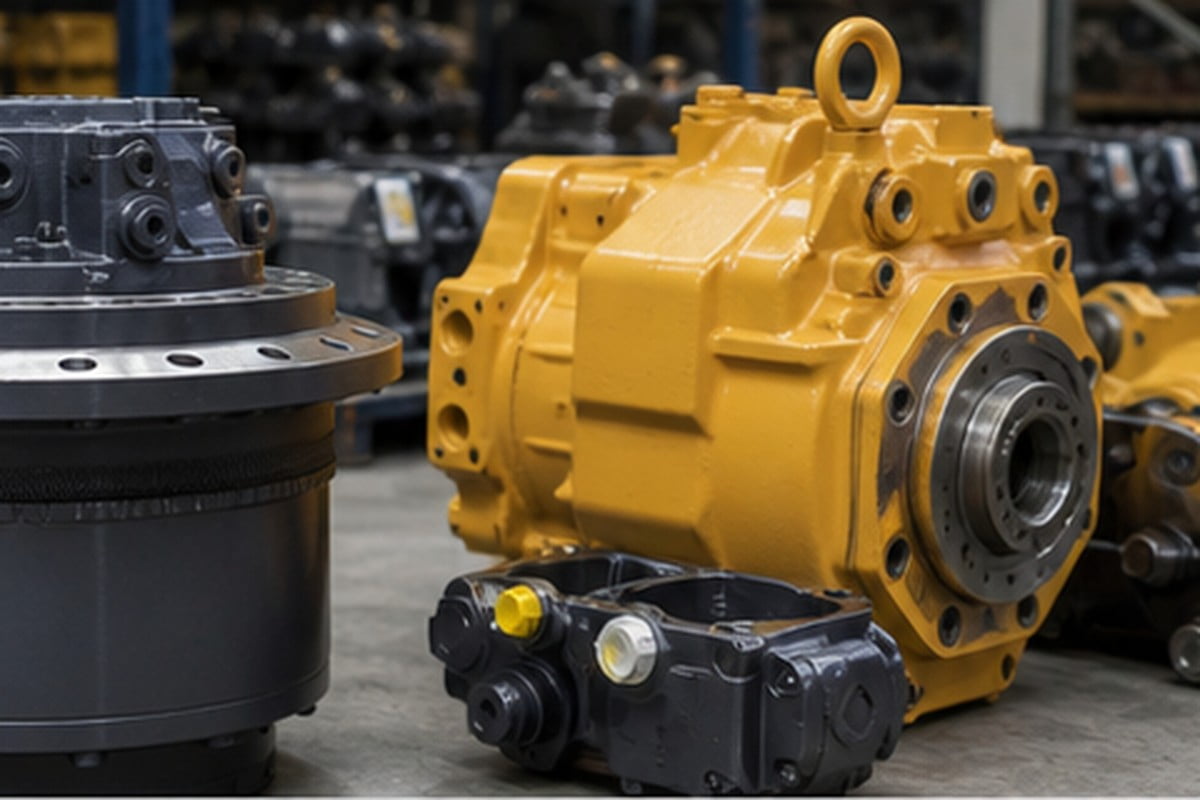
This guide supports PRIMA’s spare-parts fitment checklist, excavator parts supplier hub, CAT excavator parts checklist, final drive guide and hydraulic pump guide. It explains condition-grade comparison without claiming authorization or live stock.
Quick answer: which excavator parts condition grade should buyers choose?
The right excavator parts condition grade depends on fitment certainty, downtime risk, budget, warranty boundary and proof. OEM or genuine parts may be preferred when risk is high and documentation is available. Aftermarket parts can be practical when dimensions, part numbers and supplier quality are confirmed. Used parts need current photos and wear notes. Rebuilt parts need repair-scope and test evidence. PRIMA should keep each quote option separate so buyers do not compare a tested rebuilt component against an unverified used component as if they were the same product.
Buyer Summary
- This page is for buyers comparing excavator spare parts options before importing from China.
- Fitment evidence comes before condition grade and price comparison.
- Used and rebuilt options need stronger photo, repair and test evidence than new parts.
- PRIMA should define warranty boundaries clearly and avoid unsupported authorization claims.
Why should fitment be checked before condition grade?
A genuine or rebuilt part is still wrong if it cannot fit the machine.
Before comparing OEM, aftermarket, used or rebuilt options, the buyer should send model, serial number, old part photos, part number tag if available, dimensions, port layout or mounting details. This is especially important for hydraulic pumps, final drives, swing motors, cylinders, undercarriage parts and engine components.
PRIMA should separate fitment evidence from quality evidence in the quote file. First prove that the part can match the machine or old component. Then compare condition, warranty, lead time and price. This prevents a low-price used option from distracting the buyer before compatibility is clear.
| Fitment input | Useful evidence | Common risk |
|---|---|---|
| Model and serial | Machine plate and market version | Wrong variant |
| Old part | Photos from several sides | Wrong port or mounting |
| Measurements | Diameter, bolt pattern, link count or pitch | Dimension mismatch |
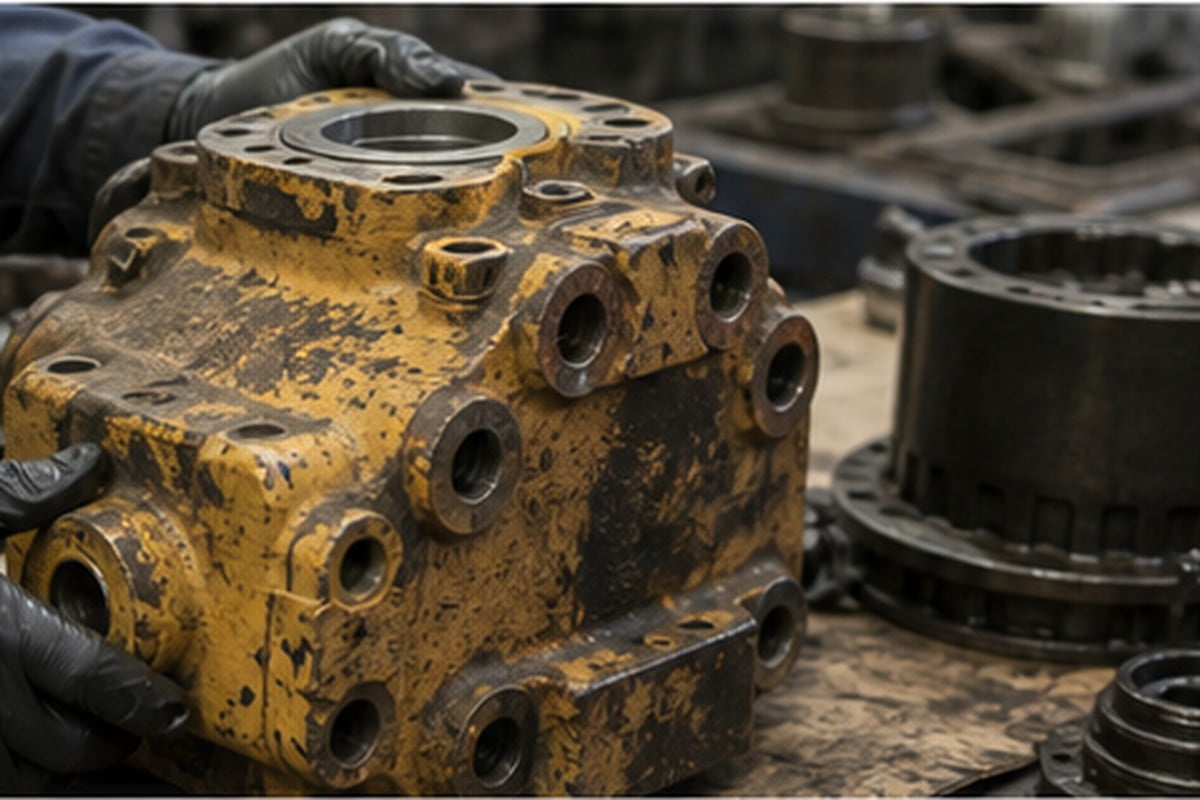
How do OEM and aftermarket parts differ in buyer risk?
The buyer should compare documentation, lead time and supplier proof, not labels alone.
OEM or genuine parts may reduce uncertainty when the supplier can provide reliable part identity and the buyer is willing to pay for it. However, PRIMA should not imply authorization unless it is documented. If the exact source cannot be verified, the quote should use safer wording such as original, genuine-condition evidence or supplier-declared grade only when evidence supports it.
Aftermarket parts can be a practical choice for undercarriage, buckets, wear parts and some hydraulic or engine components. The buyer should check dimensions, materials, machining, supplier photos, packaging and warranty terms. A good aftermarket quote should make the replacement logic visible instead of simply saying compatible.
| Option | Good use case | Evidence needed |
|---|---|---|
| OEM or original | High-risk or exact-match replacement | Part number and source proof |
| Aftermarket | Price-sensitive replacement with stable fitment | Dimensions and supplier QC evidence |
| Mixed quote | Buyer wants options | Separate price and warranty boundaries |
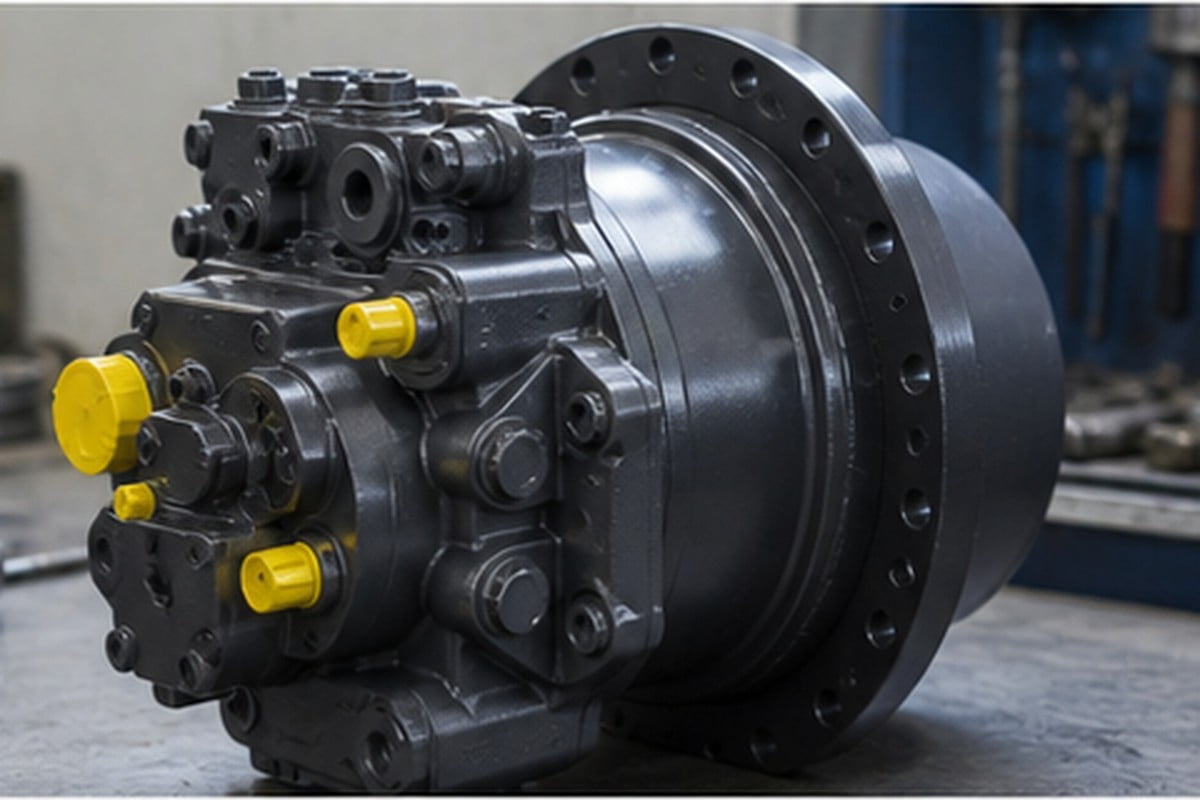
When are used or rebuilt excavator parts acceptable?
Used and rebuilt parts can save cost only when condition evidence is honest.
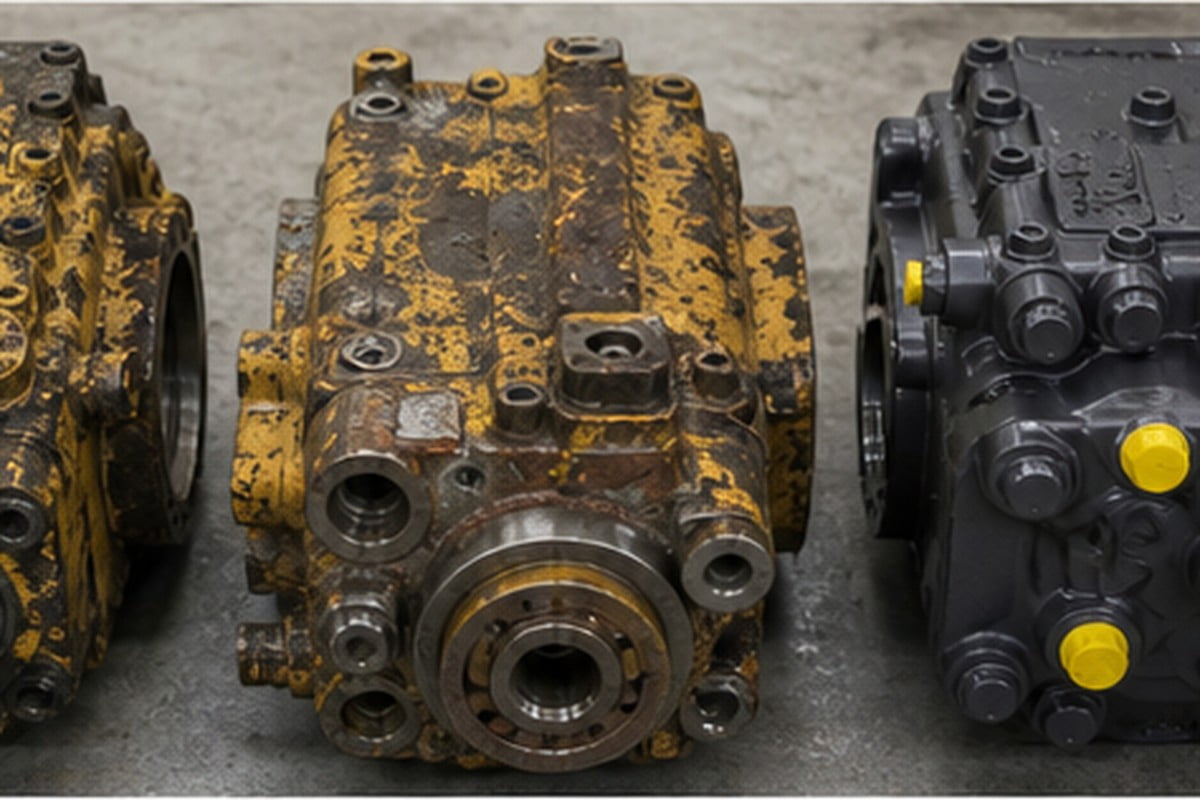
Used excavator parts should show actual photos, wear areas, damage notes and what is included. For final drives, pumps and motors, buyers should ask for port caps, shaft condition, mounting face and visible leakage areas. For undercarriage parts, link count, pitch, roller surface and sprocket wear matter.
Rebuilt parts need a repair-scope explanation. The buyer should know what was replaced, whether testing was done, whether accessories or regulators are included and what warranty boundary applies. PRIMA should not let a rebuilt part look equivalent to a new part unless the quote explains the evidence clearly.
| Condition | Required proof | Hold reason |
|---|---|---|
| Used | Current photos and wear notes | Condition hidden |
| Rebuilt | Repair scope and test status | Unclear rebuild boundary |
| Core exchange | Return terms and old-part condition | Unexpected cost |
How should the final quote compare options?
A useful quote file gives the buyer a decision table, not a confusing price list.
PRIMA should show option, fitment basis, condition grade, included parts, lead time, warranty boundary, packing method and unresolved risk. This lets the buyer choose by downtime tolerance and budget instead of price alone. For urgent repair shops, a tested used or rebuilt option may be acceptable; for fleet-critical work, a more documented option may be safer.
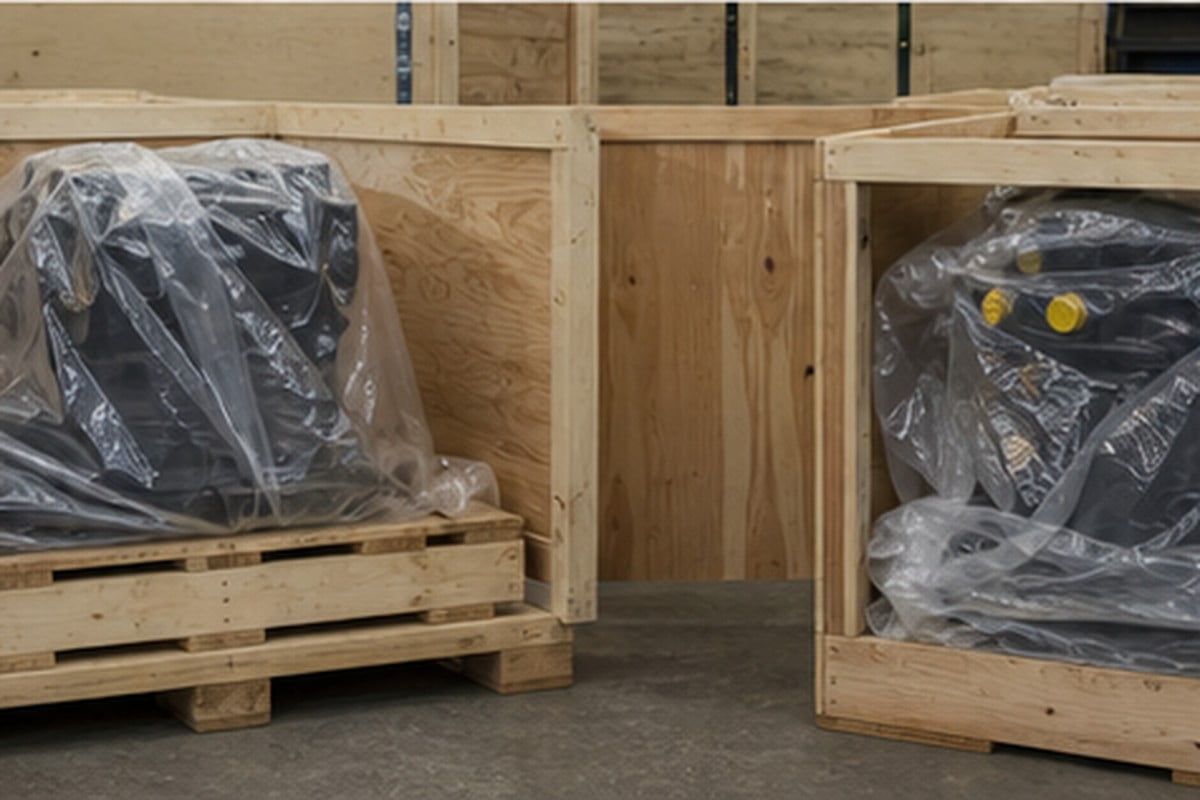
The quote should also include packing photos before shipment. Capped hydraulic ports, protected shafts, separated small parts, wooden crates and pallet photos help prevent damage and disputes. If the received part differs from the approved evidence, the buyer has a clear file to compare.
| Quote column | Why it matters | Buyer decision |
|---|---|---|
| Fitment basis | Shows how compatibility was checked | Accept or ask for more proof |
| Condition grade | Separates new, used and rebuilt | Compare fair value |
| Packing proof | Protects the shipment | Approve dispatch |
Evidence Table
| Decision step | Evidence | Buyer value |
|---|---|---|
| Fitment | Model, serial, old part photos, dimensions | Avoid wrong part |
| Condition | OEM, aftermarket, used or rebuilt separated | Fair comparison |
| Warranty | Boundary and exclusions stated | Risk control |
| Packing | Capped ports, crate and pallet photos | Shipment protection |
Key Facts For PRIMA Buyers
- Fitment should be confirmed before buyers compare OEM, aftermarket, used or rebuilt price.
- Used parts need current photos and wear notes; rebuilt parts need repair-scope and test evidence.
- PRIMA should avoid authorization claims unless the supplier evidence supports them.
- A condition-grade comparison page strengthens the broad PRIMA parts supplier hub.
Buyer FAQ
Are aftermarket excavator parts always risky?
No. They can be practical when dimensions, fitment and supplier QC evidence are clear.
Is a rebuilt hydraulic pump the same as new?
No. A rebuilt pump needs repair-scope and test evidence, and the quote should state the warranty boundary.
Can I compare used and OEM parts by price only?
No. Compare fitment certainty, condition proof, lead time, warranty and packing first.
What should PRIMA include in a quote?
Model, serial, old-part evidence, grade, included parts, warranty boundary, lead time and packing proof.
Conclusion
The safest excavator parts quote separates compatibility, condition grade and shipment proof. PRIMA should help buyers compare real options instead of mixing OEM, aftermarket, used and rebuilt parts into one unclear price list.
References
- U.S. CBP importer guidance: General importer responsibility reference.
- HSE excavator safety notes: General excavator safety reference.