
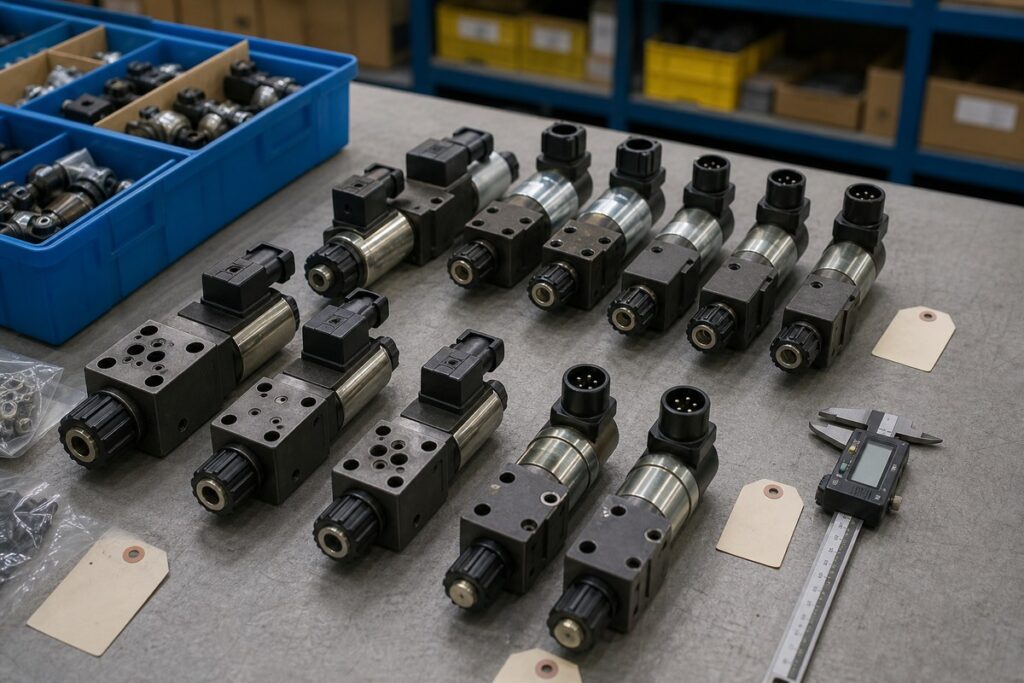
Buyers should check an excavator main control valve before ordering from China by comparing the old valve and proposed valve through part number, spool count, port direction, pilot connections, mounting face, relief-valve positions, sensor or solenoid connectors, machine symptoms, condition grade and export packing proof. The excavator model alone is not enough because similar machines can use different valve banks or pilot layouts. PRIMA should keep the quote conditional until the evidence file proves both fitment and function.
This guide helps importers, repair shops and fleet owners check an excavator main control valve before approving an order from China. The goal is not to buy from a catalog photo; it is to save evidence that connects the old part, the proposed part, the machine symptoms, the condition grade and export packing.
PRIMA can handle used, rebuilt, aftermarket and replacement equipment or parts when they are described honestly and exported with real documents. Buyers do not need an official dealer authorization for a second-hand or replacement-parts transaction, but they do need clear wording that avoids false official claims.
Buyer Summary
- Use this page when a buyer needs to quote an excavator main control valve from China with inspection evidence.
- Confirm the old part, part number, photos, ports, mounting face, measurements and machine serial context before treating the quote as final.
- Separate fitment evidence, condition evidence, function evidence and export-packing evidence.
- Keep the commercial file honest: real invoice, real exporter, real description and no borrowed declaration.
Quick answer: what evidence makes this order safe?
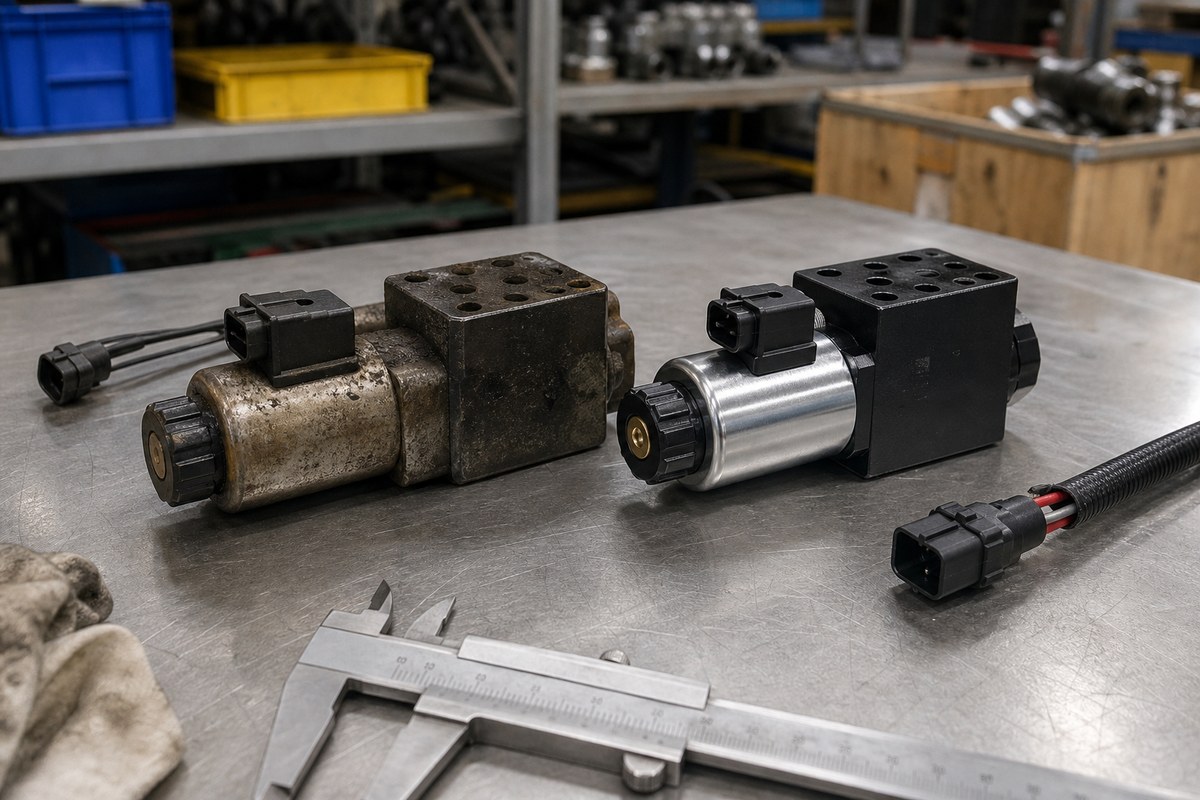
A safe main control valve order starts with all-side photos of the removed valve, visible casting or tag marks, spool-bank layout, port labels, pilot-line direction and connector photos. Buyers should also describe symptoms such as slow boom, weak travel, drift, heating or one-function failure. PRIMA should then compare those symptoms with pump, cylinder, pilot pressure and relief-valve evidence so the buyer does not replace the valve when another hydraulic fault is responsible.
Which identity evidence should come before price?
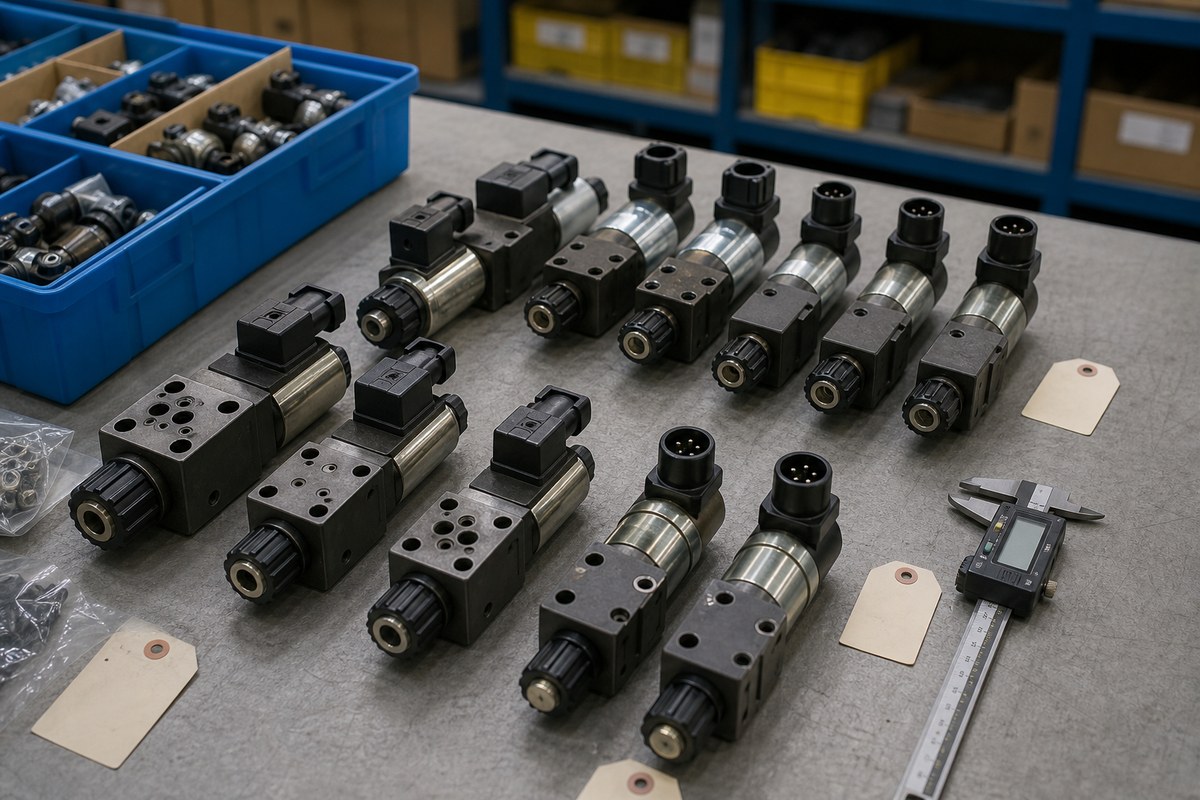
The safest starting point is the removed part, not only the excavator model. An excavator main control valve can vary by serial range, hydraulic package, market configuration, prior repair history and optional attachments. Buyers should collect all-side photos, casting marks, tags, port locations, mounting faces and measurement photos before approving a price.
If only a model name is available, PRIMA should treat the quote as a search estimate. Final approval needs a direct comparison between the old evidence and the proposed supply. This habit prevents a familiar problem in international parts sourcing: a part looks correct in a chat photo but fails when the workshop tries to install it.
| Area | Evidence to request | Risk reduced |
|---|---|---|
| Photo | old valve photos | Needs saved proof before payment |
| Measurement | part number or casting mark | Needs saved proof before payment |
| Comparison | spool count | Needs saved proof before payment |
Which inspection details reduce mismatch?
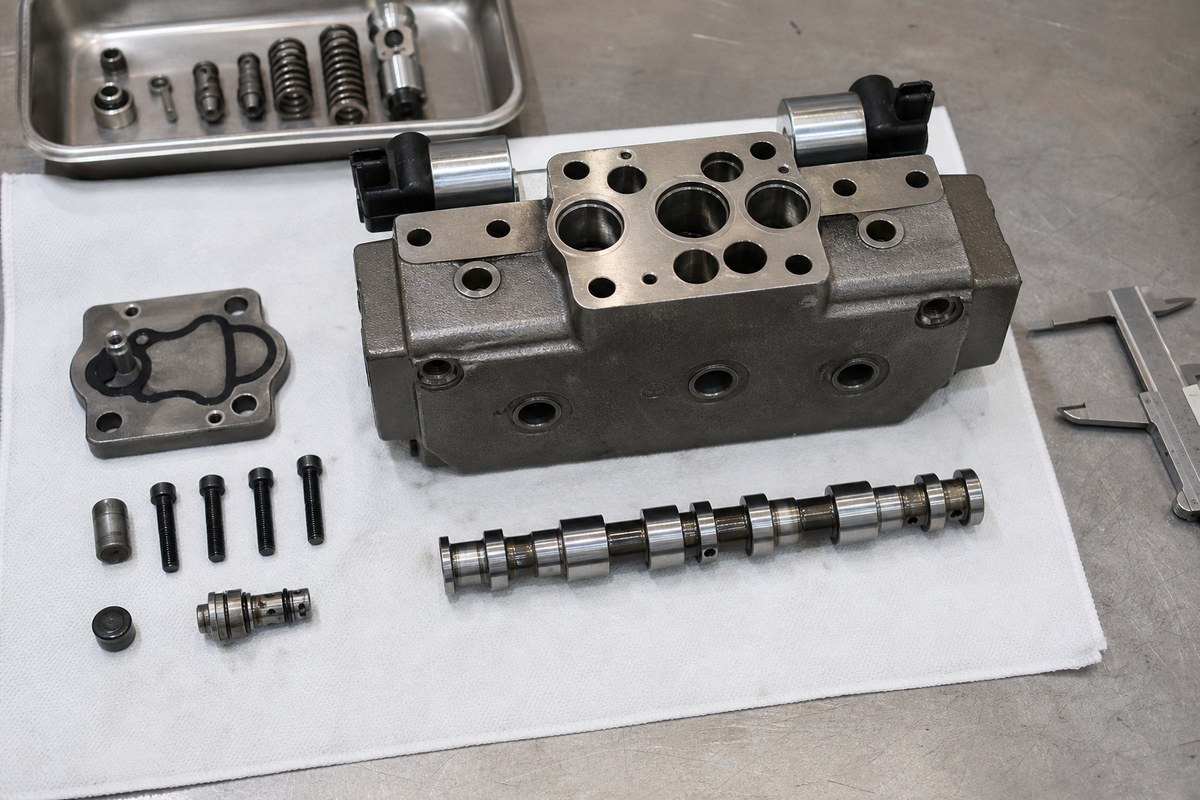
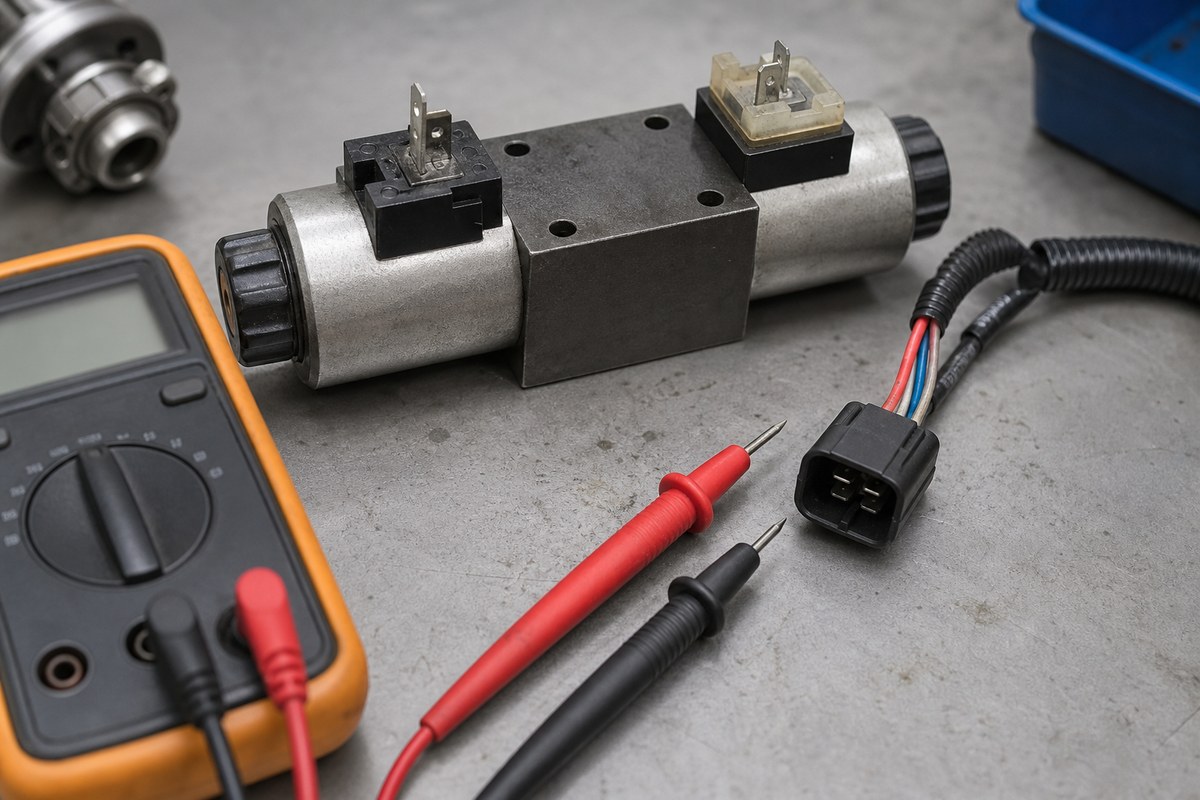
Inspection should prove both physical fit and system function. On hydraulic and heavy equipment parts, a different spool, port angle, connector, shaft, seal surface or bolt pattern can make a technically good component unusable for the buyer’s machine.
PRIMA should build an evidence chain: old part photo, measurement, candidate part photo, compatibility note, condition note and packing photo. When one link is missing, the buyer can still discuss options, but the order should not be presented as fully confirmed.
| Area | Evidence to request | Risk reduced |
|---|---|---|
| Photo | function symptoms | Needs saved proof before payment |
| Measurement | port direction | Needs saved proof before payment |
| Comparison | solenoid connector shape | Needs saved proof before payment |
How should buyers judge condition and warranty boundary?
The condition of an excavator main control valve should be named plainly: new, used, rebuilt, tested, replacement or core for repair. Clear condition language protects both sides better than a broad claim that sounds official but is not supported by documents for the exact item.
For legal China export, the key is not a borrowed export declaration or a fake brand story. The key is a real seller, real invoice, accurate description, proper value declaration and export documents that match the goods. PRIMA should keep this evidence in the order file.
| Area | Evidence to request | Risk reduced |
|---|---|---|
| Photo | used or rebuilt grade | Needs saved proof before payment |
| Measurement | bench visual proof | Needs saved proof before payment |
| Comparison | included relief valves | Needs saved proof before payment |
Which packing and export proof should be saved?
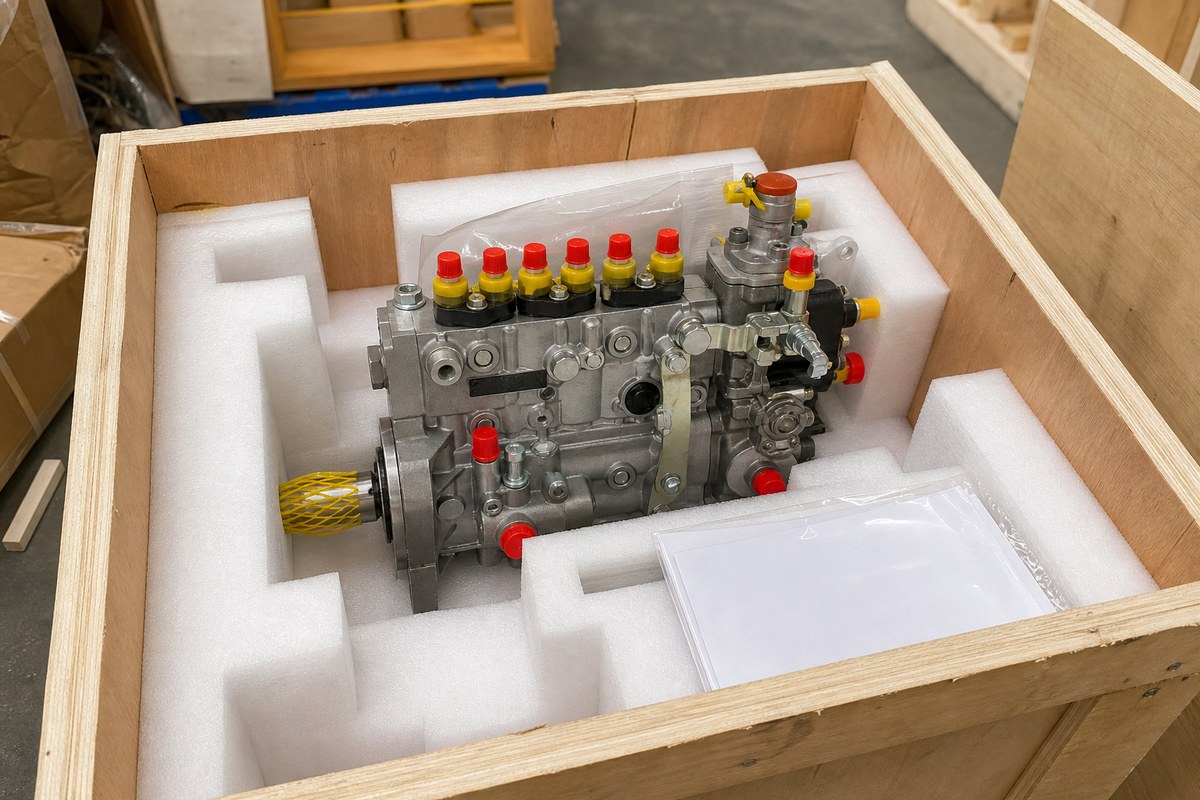
An excavator main control valve can be damaged before installation if ports are open, machined faces are exposed, heavy parts shift in the crate or small fittings are mixed without labels. Packing photos are part of the quality record, not a cosmetic extra.
The final evidence file should show the approved item, included accessories, caps or plugs, foam or wooden support, label, crate or carton and shipping mark. For repeat buyers, this record becomes the template for the next order and helps the receiving workshop check the goods quickly.
| Area | Evidence to request | Risk reduced |
|---|---|---|
| Photo | plugged ports | Needs saved proof before payment |
| Measurement | protected machined faces | Needs saved proof before payment |
| Comparison | wooden case support | Needs saved proof before payment |
Evidence Table
| Area | Evidence to request | Risk reduced |
|---|---|---|
| Identity | old valve photos, part number or casting mark, spool count, port and pilot layout | Wrong part selection |
| Inspection | function symptoms, port direction, solenoid connector shape, mounting face | Installation mismatch or unresolved system fault |
| Condition | used or rebuilt grade, bench visual proof, included relief valves, warranty boundary | Expectation dispute after arrival |
| Export | plugged ports, protected machined faces, wooden case support, order label | Transit damage or document mismatch |
Key Facts For PRIMA Buyers
- Use this page when a buyer needs to quote an excavator main control valve from China with inspection evidence.
- Confirm the old part, part number, photos, ports, mounting face, measurements and machine serial context before treating the quote as final.
- Separate fitment evidence, condition evidence, function evidence and export-packing evidence.
- Keep the commercial file honest: real invoice, real exporter, real description and no borrowed declaration.
- Every image, caption and schema block should support the same buyer intent.
- PRIMA should keep uncertain items marked as conditional until evidence closes the gap.
Buyer FAQ
Can I order an excavator main control valve by excavator model only?
The model is useful for searching, but final approval should include old-part photos, measurements, port or mounting details and serial context when possible.
Does PRIMA need official authorization to export used or replacement parts?
No. A second-hand or replacement-parts transaction can be compliant when it is described honestly and exported with real documents. PRIMA should not claim official dealer status unless it has proof for that exact scope.
What should be saved before payment?
Save the quote, old-part evidence, proposed-part photos, condition grade, function or inspection proof, packing method, invoice details and shipping plan.
When should the buyer pause the order?
Pause when the supplier cannot show key photos, measurements, condition boundary, port orientation, included accessories or export packing proof.
Useful PRIMA Links
- Excavator hydraulic leak inspection before importing
- Excavator hydraulic pump replacement evidence checklist
- Used excavator pre-shipment inspection guide
Conclusion
Buying an excavator main control valve from China is safer when PRIMA turns the quote into an evidence file. The buyer should be able to review identity, fitment, condition, testing, packing and real export documents before payment and before shipment.