
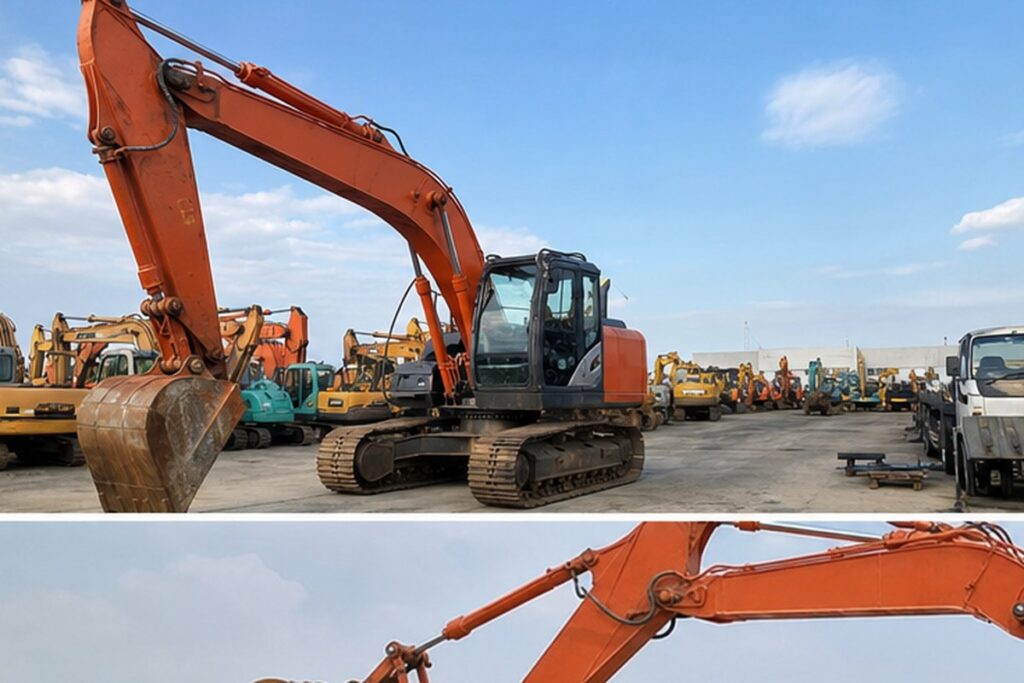
Buyers should inspect a used Hitachi excavator from China by tying the quote to one exact machine: serial-area proof, hour meter, cold-start video, engine smoke, hydraulic movement, swing and travel response, undercarriage wear, hydraulic-leak evidence, parts-support route and final loading photos.
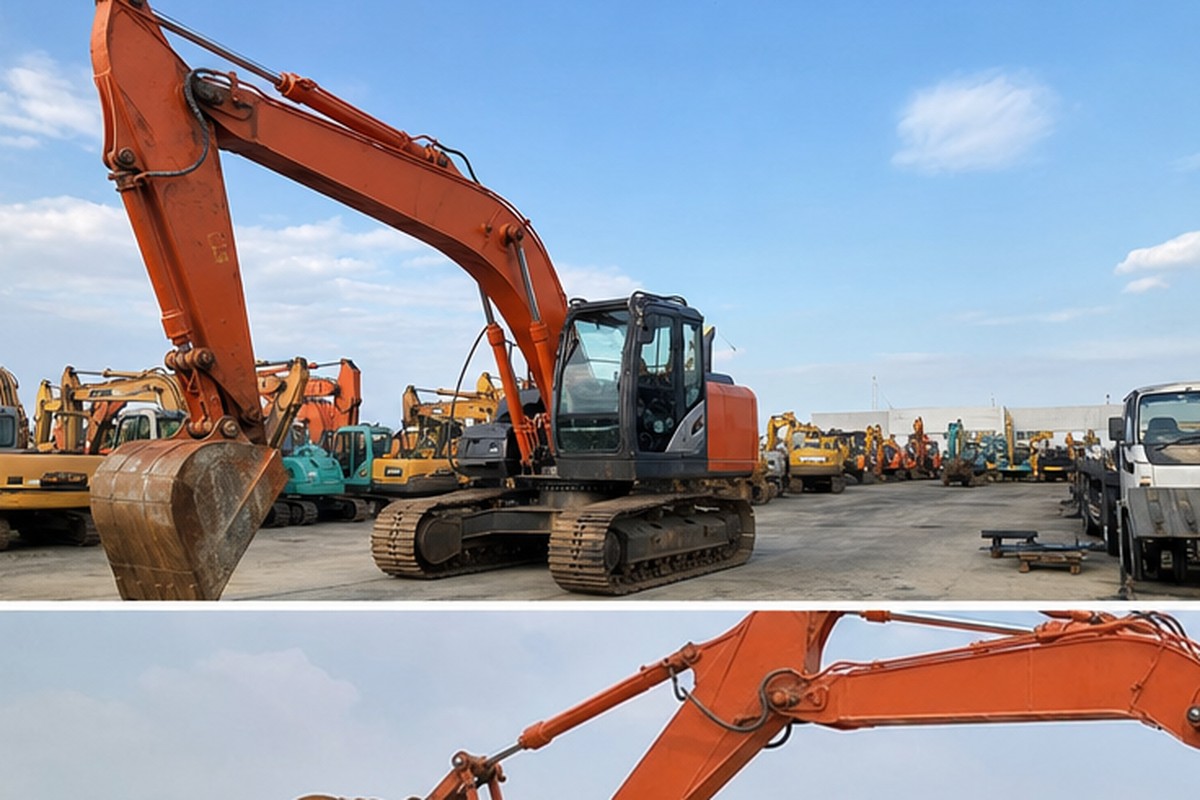
This PRIMA guide supports used Hitachi excavator from China searches. It links to the used excavator supplier guide, pre-shipment inspection guide, Hitachi hydraulic pump support page and undercarriage parts hub.
Quick answer: what proof matters for a used Hitachi excavator import?
A used Hitachi excavator import should be approved through an exact-machine evidence file, not a model-name promise. The file should show serial-area context, hour meter, cold-start video, engine smoke, hydraulic movement, swing and travel response, pump noise, undercarriage wear, hydraulic leak checks, document plan and final loading photos. PRIMA can use Hitachi descriptively for model identification, but should not claim official authorization, local stock, warranty coverage or ready-to-work condition unless current proof supports the exact machine being quoted.
Buyer Summary
- Exact-machine identity should be verified before price approval.
- Cold start, hydraulics, swing, travel and leak checks reduce hidden repair risk.
- Hitachi hydraulic and undercarriage support should be planned before shipment.
- Final loading photos connect the inspected machine to the shipped machine.
Which Hitachi identity evidence should come first?
The first risk is approving the wrong machine.
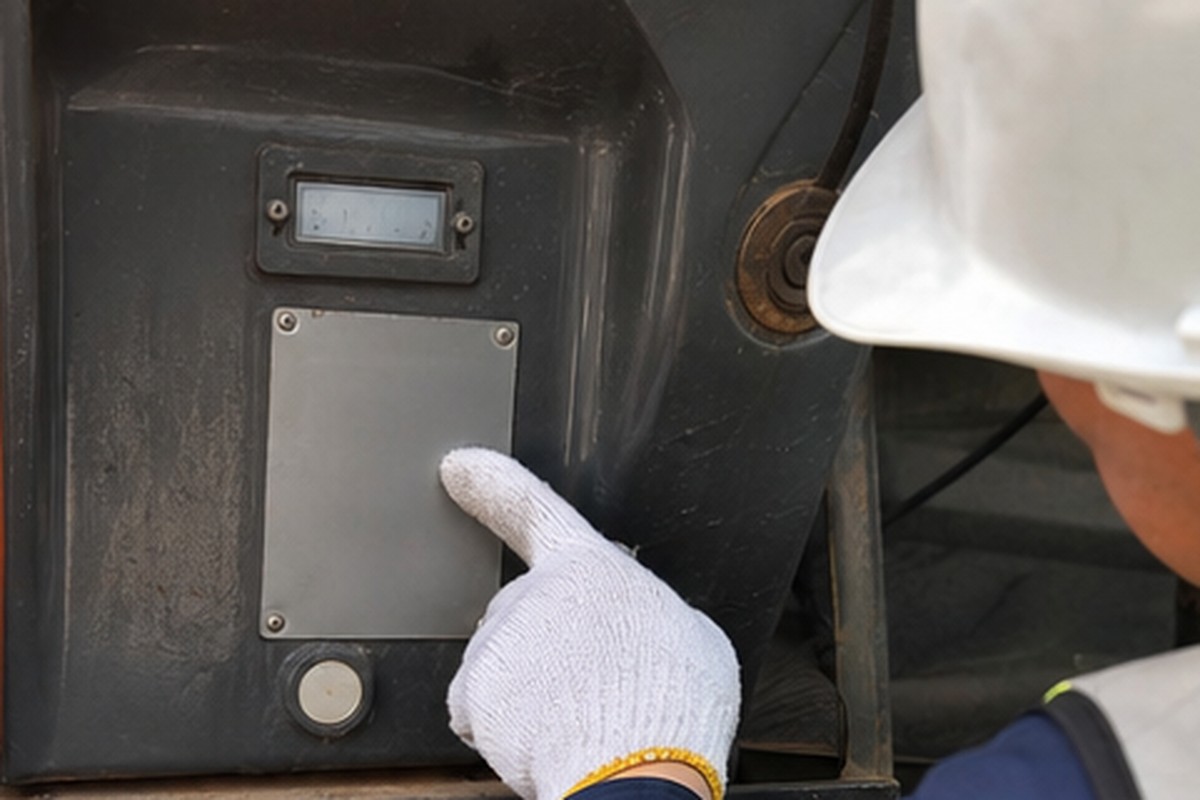
The buyer should request model, serial plate or serial-area photo, hour meter, wide walkaround, cab, engine bay, pump area, bucket and track-frame views. If the serial plate is hidden, unreadable or missing, PRIMA should record that limitation instead of treating the unit as fully verified.
Hitachi model names can span multiple years and configurations. A stronger quote connects the same unit across photos, videos, repair notes and loading proof.
| Check | Evidence | Buyer value |
|---|---|---|
| Model and serial | Plate or serial-area photo | Avoids wrong-unit approval |
| Hour meter | Photo plus condition context | Checks realism |
| Same unit | Walkaround plus loading proof | Prevents listing mismatch |
How should cold start and hydraulics be tested?
A useful video starts before ignition.
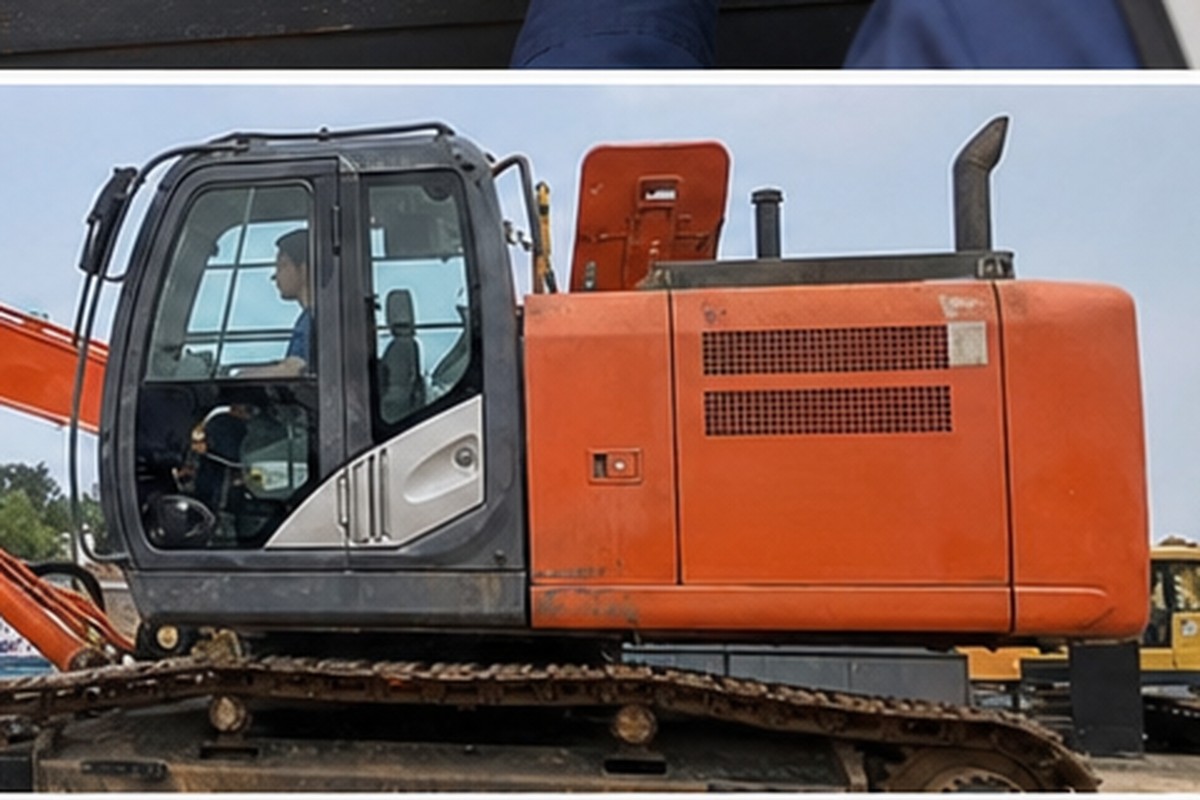
Cold-start evidence should show engine response, idle stability and smoke after warm-up. A second video should show boom, arm, bucket, swing, travel forward, reverse and turning under normal operation.
Slow or jerky movement can come from pump, valve, cylinder, hose, oil, final drive or undercarriage resistance. PRIMA should keep diagnosis cautious until the symptom file supports it.
| Check | Evidence | Buyer value |
|---|---|---|
| Cold start | Video before ignition | Engine risk |
| Hydraulics | Boom, arm, bucket and swing | System response |
| Travel | Forward, reverse and turn | Drive risk |
What undercarriage and leak evidence changes landed cost?
Low purchase price can hide a high arrival repair bill.
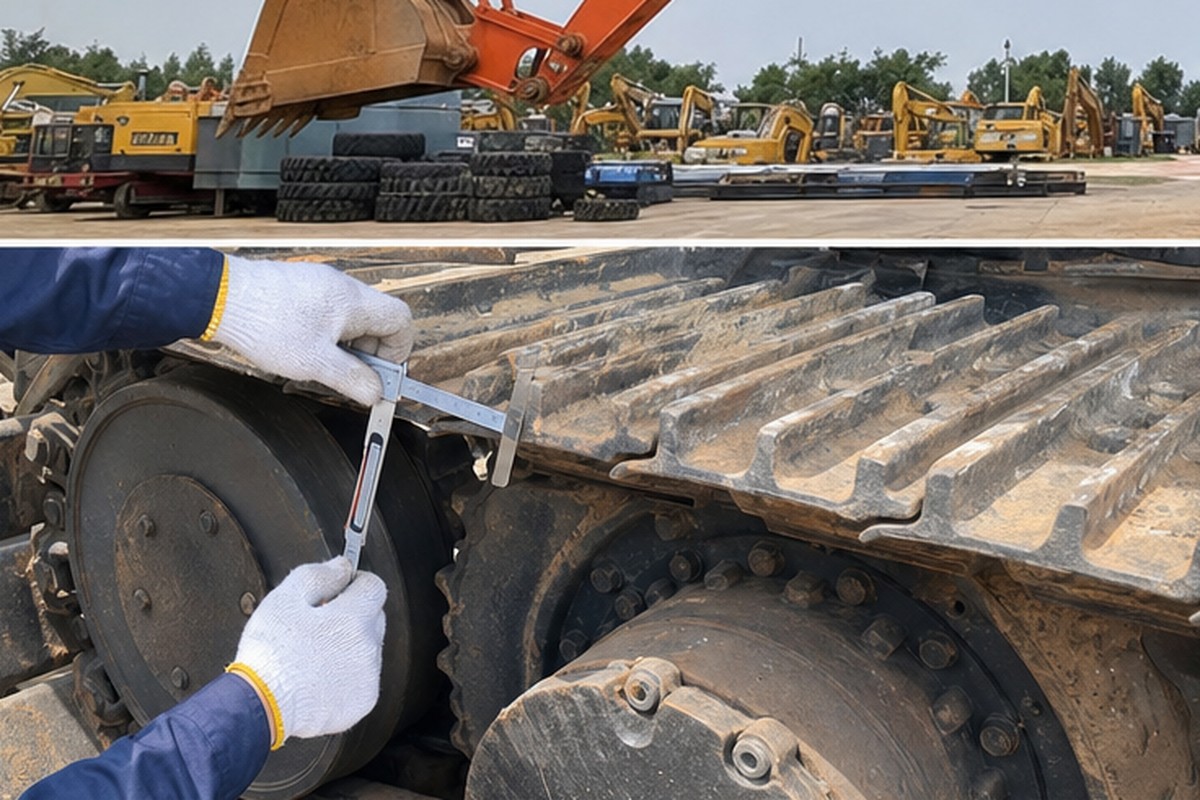
Track chain, rollers, idlers, sprockets, shoes, bucket pins, hoses, cylinders, pump area and travel motors should be checked with close photos. Hydraulic residue, fresh drips or wet dirt should be separated from old stains.
If a leak or undercarriage issue is accepted, the quote should state whether repair, replacement, extra photos or buyer-side service is expected after arrival.
| Check | Evidence | Buyer value |
|---|---|---|
| Undercarriage | Chain, roller, idler and sprocket photos | Predicts repair cost |
| Leak areas | Cylinders, hoses, pump and travel hubs | Finds hidden work |
| Repair scope | Written boundary | Controls expectation |
What export proof should be saved before shipment?
The final file should prove the inspected unit is the shipped unit.
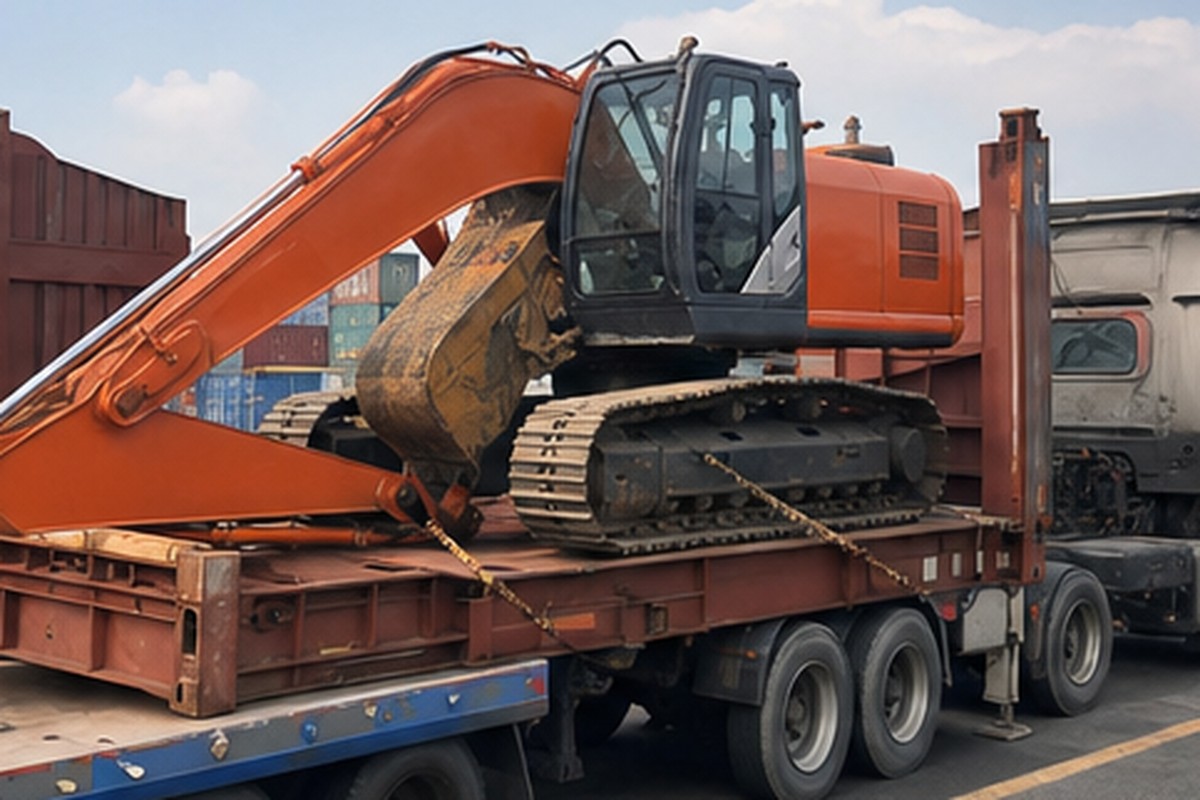
Before shipment, buyers should receive final walkaround photos, loading photos, document plan and attachment evidence. If any repair was agreed, completion proof belongs in the same file.
This helps the receiving team compare arrival with the approved evidence and reduces disputes about identity, condition, documents or included attachments.
| Check | Evidence | Buyer value |
|---|---|---|
| Before deposit | Inspection file | Risk agreement |
| Before loading | Final photos | Same-unit proof |
| After arrival | Compare with approved file | Receiving control |
Evidence Table
| Buyer question | Evidence PRIMA should provide | Why it matters |
|---|---|---|
| Is the exact Hitachi machine verified? | Serial-area, hour meter and walkaround file | Avoids listing mismatch |
| Does it start and move properly? | Cold start, hydraulic, swing and travel videos | Finds engine and system risk |
| Are leaks or worn tracks visible? | Cylinder, hose, pump and undercarriage close photos | Predicts landed repair cost |
| Can parts be supported? | Serial context, photos and packing proof | Reduces downtime after import |
Key Facts For PRIMA Buyers
- PRIMA business memory includes Hitachi in the brand/model support scope.
- Hitachi is used descriptively for model identification only.
- Cold-start video is stronger evidence than warm idle photos.
- Final loading photos connect inspection and shipment.
Buyer FAQ
Can buyers approve a used Hitachi excavator from listing photos alone?
No. They should request serial context, cold-start video, hydraulic movement, undercarriage photos, leak checks and loading proof.
Does PRIMA claim official Hitachi authorization?
No. Hitachi is used only as descriptive model-identification language.
What is the biggest hidden cost risk?
Hydraulics, leaks, undercarriage wear and engine condition can change landed repair cost.
Should parts support be checked before import?
Yes. Serial context and actual photos make follow-up parts support faster after arrival.
Conclusion
A used Hitachi excavator should be bought through an exact-unit evidence file. PRIMA should verify identity, cold start, hydraulics, undercarriage, leaks, parts support and loading proof before the buyer commits.
References
- U.S. CBP importer guidance: Import-document responsibility reference.
- UK HSE excavator safety notes: General excavator safety and handling context.