
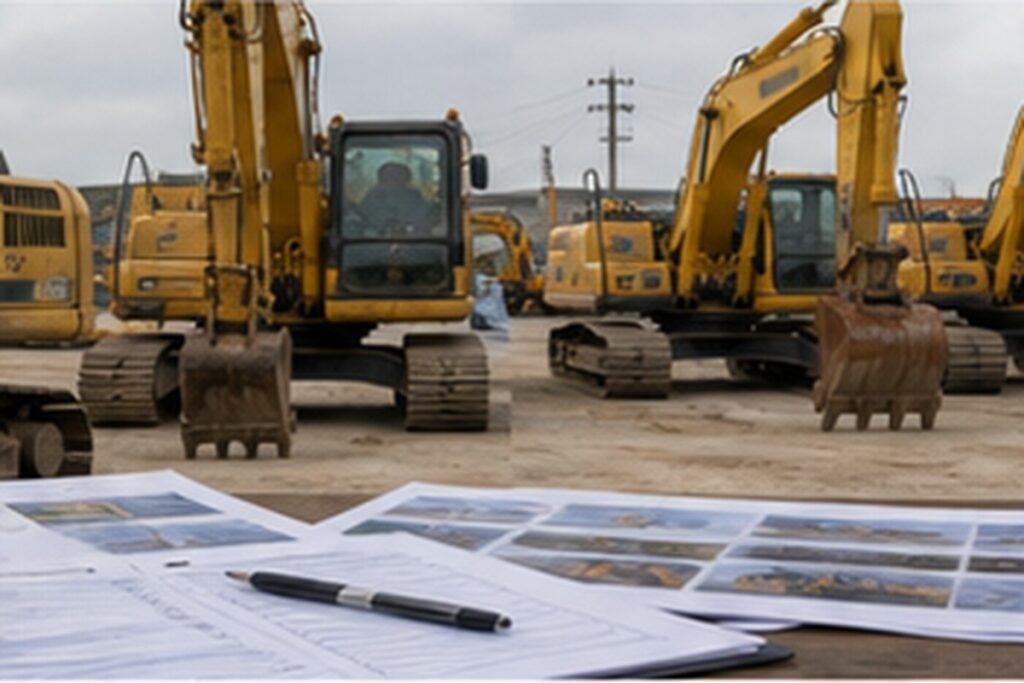
Buyers comparing a used excavator for sale on marketplaces versus a direct China supplier should compare real machine identity, inspection depth, condition proof, parts support, payment and shipment process, document trail and after-sale communication instead of choosing only by listing price.
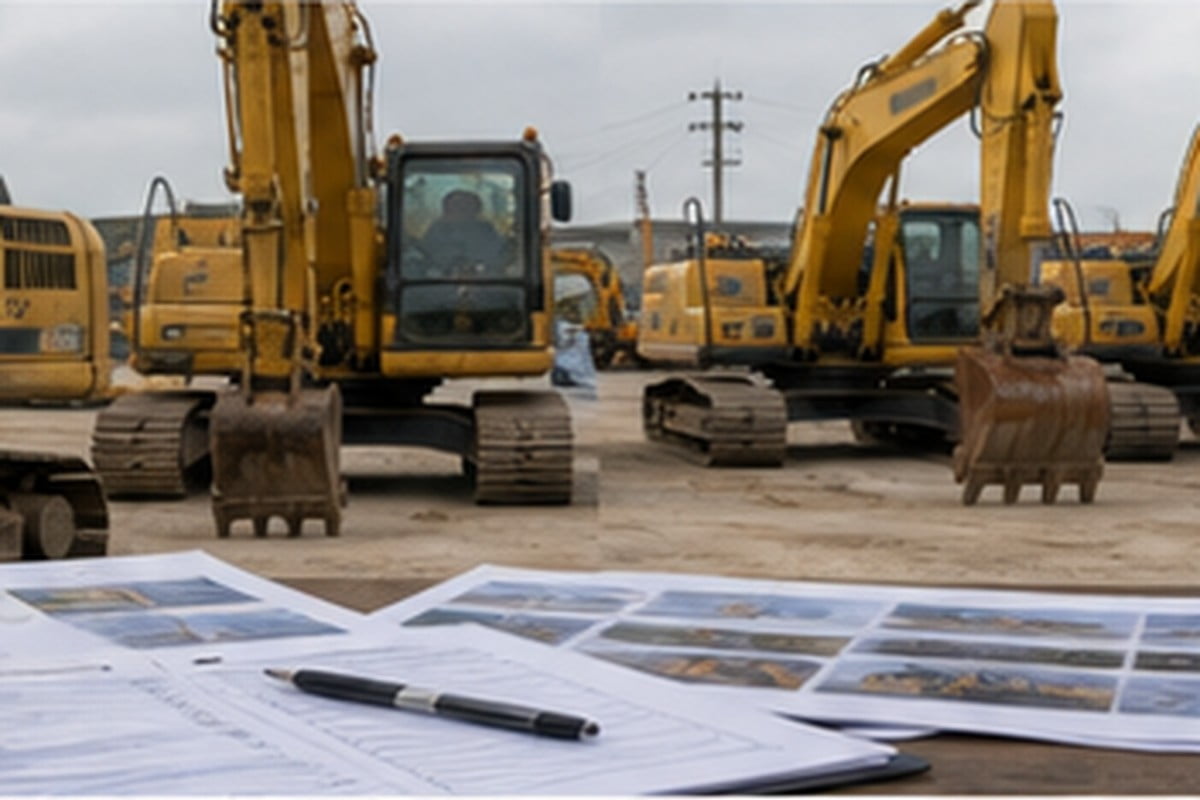
The 2026-05-28 PRIMA high-traffic Semrush refresh showed strong marketplace demand around used excavator for sale, used excavators and marketplace ranking pages. This comparison page connects that demand with PRIMA’s used excavator supplier page, inspection guide, Canada sourcing guide and parts supplier checklist.
Buyer Summary
- Marketplaces help buyers discover machines, but direct suppliers may provide deeper inspection, parts and export support.
- The buyer should compare photos, videos, serial proof, condition notes, shipment plan and communication speed.
- A low listing price can become expensive when undercarriage, hydraulic, engine or shipping proof is weak.
- PRIMA should build each used-excavator quote around machine evidence, pre-shipment verification and post-arrival parts support.
Marketplace listings vs direct supplier quotes: what is actually different?
Marketplaces organize discovery; direct suppliers should prove the exact machine and export workflow.
A marketplace listing can be useful because it exposes model, price range, location, photos and competing sellers. But the buyer still needs to verify whether the listed machine is available, whether the photos are current, who controls inspection, how payment is handled and who manages export loading.
A direct supplier quote should go deeper than a listing page. PRIMA should provide serial evidence, inspection photos, operation videos, condition notes, parts support options and shipment proof. The buyer can then compare the real quote file against marketplace alternatives instead of comparing only the headline price.
| Buying route | Strength | Risk to check |
|---|---|---|
| Marketplace | Broad discovery and price comparison | Listing freshness and inspection depth |
| Direct supplier | Closer evidence and export communication | Supplier proof and condition honesty |
| Hybrid search | Use marketplace data to ask better supplier questions | Do not skip verification |
Inspection proof that should beat a low listing price
A used excavator price is only meaningful after the buyer sees the machine evidence behind it.
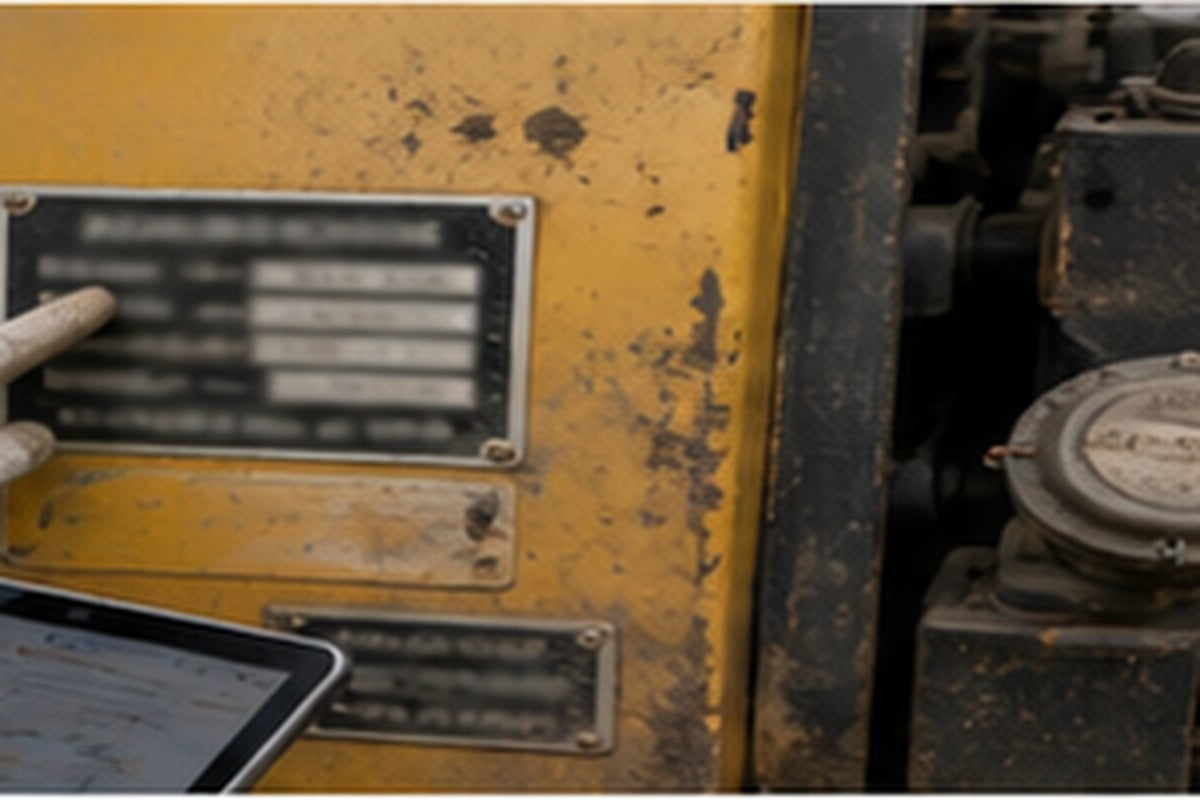
The buyer should ask for serial plate, hour meter, full machine photos, engine cold-start video, hydraulic movement video, track and undercarriage close-ups, bucket and linkage photos, cab condition, leak points and final walkaround. These checks reveal whether the listing description matches reality.
PRIMA’s inspection process should also note what is not yet proven. For example, a video may show travel, but not long-duration digging under load. A clean paint surface may not show track-chain wear. A direct supplier should help the buyer separate proven facts from assumptions.
| Proof | What it shows | Why it beats price-only buying |
|---|---|---|
| Serial and hour photos | Identity and reported use | Prevents wrong-machine quote |
| Operation video | Engine, hydraulics and travel | Finds functional risk |
| Undercarriage photos | Track, roller and sprocket wear | Reveals high repair cost |
Parts support and after-arrival risk
Used excavator buyers should compare parts support before the machine leaves the yard.
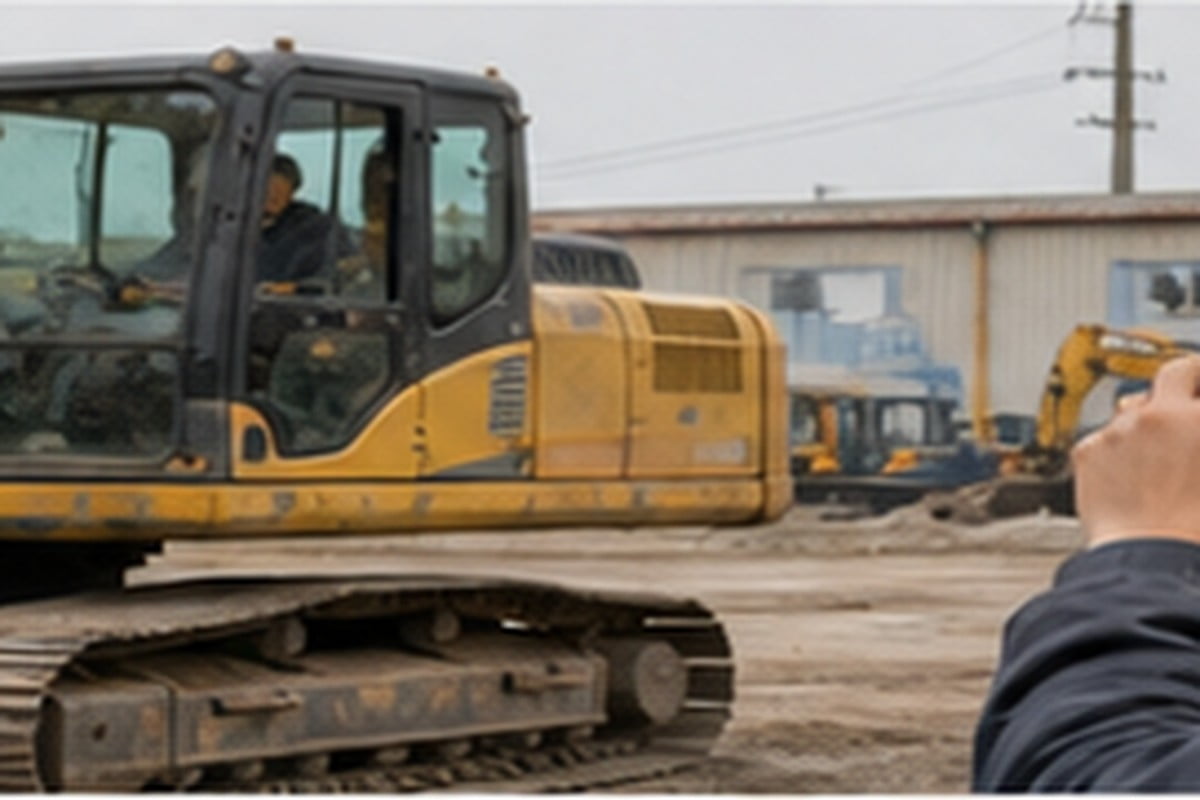
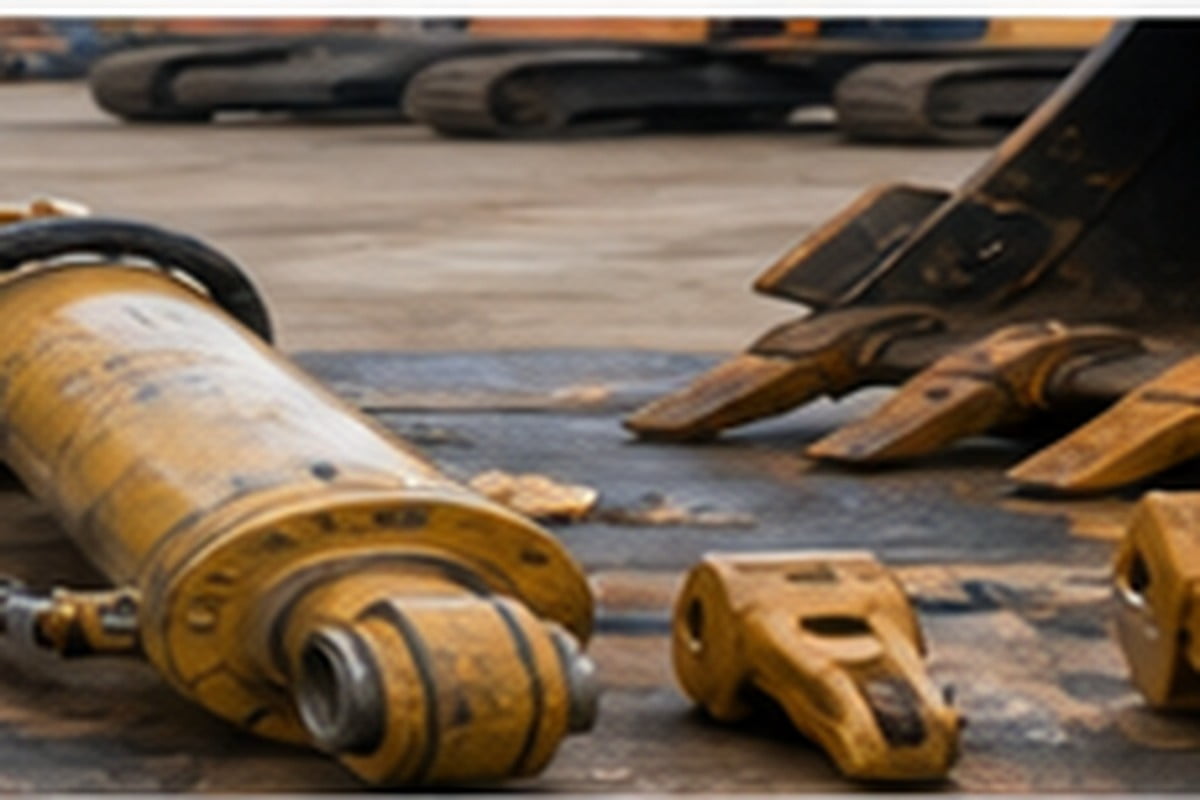
An overseas buyer may need filters, bucket teeth, track rollers, carrier rollers, hydraulic cylinders, final drive, engine parts or electrical items after arrival. A listing page may not help with those details after the sale. Direct supplier support is more useful when the supplier can connect the machine serial, model and old-part photos to future quote files.
This is where PRIMA’s excavator parts layer matters. If the buyer is choosing a used CAT, SANY, Volvo, XCMG, Komatsu or Hitachi machine, the supplier should explain what evidence is needed for parts matching. The same logic applies to bucket fitment, hydraulic parts and undercarriage support.
| Future need | Evidence to keep | Support value |
|---|---|---|
| Undercarriage | Track, roller, idler and sprocket photos | Faster replacement quote |
| Hydraulics | Pump, cylinder and hose photos | Better failure diagnosis |
| Bucket/attachments | Pin and coupler measurements | Avoids wrong attachment order |
Shipping proof, documents and final confirmation
The export process should confirm the same machine from quote to loading.
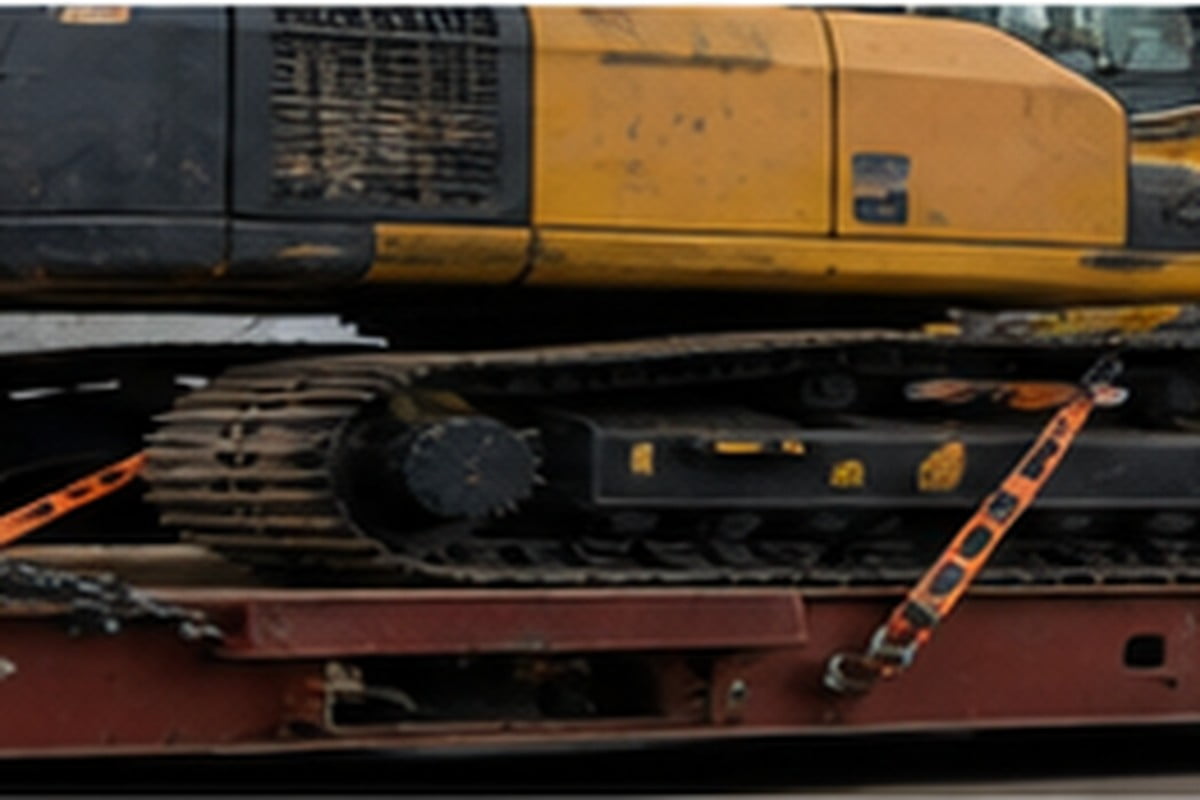
Before payment or release, the buyer should connect quotation, serial number, inspection file, invoice, final photos, loading photos and shipping documents. This prevents confusion when multiple similar machines are parked in the same yard or when attachments are separated for shipment.
Direct suppliers should make shipment evidence easy to review. For used excavators from China, PRIMA can provide pre-shipment photos, videos, inspection reports when available, real inventory photos, measurement photos and shipment photos. The buyer should keep those records for receiving and after-sale communication.
| Stage | Evidence | Controlled risk |
|---|---|---|
| Before payment | Serial, condition and quote file | Wrong machine or unclear condition |
| Before loading | Final walkaround and accessory photos | Missing bucket or attachment |
| After loading | Shipping and cargo proof | Receiving and dispute record |
Evidence Table
| Comparison point | Marketplace-only risk | Direct supplier proof to request |
|---|---|---|
| Machine identity | Photos may be stale or incomplete | Serial, current date photos and video |
| Condition | Description may be generic | Inspection checklist and operation proof |
| Export process | Listing may not explain shipment | Loading photos and document trail |
Buyer FAQ
Are marketplaces bad for used excavator buyers?
No. Marketplaces are useful for discovery and price context, but buyers still need machine-specific inspection and shipment proof.
What should a direct supplier provide that a listing may not show?
A direct supplier should provide current photos, serial evidence, operation videos, condition notes, export packing or loading proof and parts-support guidance.
Can PRIMA help compare a marketplace machine with a China supplier quote?
PRIMA can help buyers structure the evidence checklist, compare condition proof and request fitment or shipping details before purchase.
Auction, marketplace, dealer and direct-supplier decision table
No buying route is automatically safer or cheaper. Compare the total payable amount, access to the exact machine, seller identity, written sale terms, payment deadline, release documents, pickup responsibilities, export loading and after-sale boundary for the specific transaction.
| Decision point | Auction or marketplace check | Dealer or direct-supplier check |
|---|---|---|
| Total payable amount | Read the sale-specific terms for buyer fees or premiums, taxes, payment deadlines, currency and any storage or removal charges. A winning bid or headline price may not be the total payable amount. | Request a written quote that identifies the machine, included attachment, quote validity, trade term and which inland, port or ocean costs are excluded. |
| Inspection access | Confirm whether preview, operation, third-party inspection or only visual review is allowed, and read the exact sale-specific condition or as-is language. | Request current serial/PIN and hour-meter photos, cold-start and operating video, undercarriage close-ups, leak notes and a list of functions that were not tested. |
| Machine and seller identity | Match the lot number, seller or consignor, machine serial/PIN, location and current photos. Do not infer identity from a model label or image filename. | Match the quotation, machine identity, current evidence set and seller/exporting entity before deposit. |
| Payment and release | Verify accepted payment method, due date, invoice or bill-of-sale availability, release conditions and the dispute process stated for that sale. | Verify the contracting entity, proforma invoice, payment milestone, final acceptance evidence and release documents in writing. |
| Pickup, loading and export | Check the removal deadline, yard access, storage rules, dismantling responsibility, inland transport and whether export loading is included or must be arranged separately. | Define inland transport, dismantling if needed, container or flat-rack loading scope, customs documents, cargo evidence and the handoff point under the agreed trade term. |
| After-sale and parts boundary | Treat warranty, returns, dispute handling and technical support as sale-specific; never assume they exist when the terms do not state them. | Request the written support and parts-identification boundary for the exact machine. Keep serial/PIN, old-part photos and measurements for later fitment checks. |
Build one comparison file before bidding or requesting a quote
Record the listing or auction URL, sale terms, model, serial/PIN evidence, reported hours, machine location, sale or quote date, destination port or city, required attachment and purchase timing. Missing fields should stay marked not yet verified rather than being guessed.
PRIMA can compare the supplied listing evidence with a direct-supplier evidence checklist and can prepare a quote path only after the actual machine identity and current status are confirmed. This is not an independent appraisal, a guarantee of auction condition or a promise that one route has a lower total cost.
Browse the PRIMA used-excavator inventory owner, then confirm the current status and evidence file for the exact unit before treating it as available.
For a channel comparison, send the listing URL, model, destination and timing to [email protected] or WhatsApp +86 138 2031 8813. Sending a request is not an inquiry outcome until a real buyer message is received and recorded.
Conclusion
Used excavator buyers should use marketplace visibility as research, then make the final decision from verified machine evidence. PRIMA can support direct-supplier comparison with inspection, parts, export and document proof that a listing alone may not provide.
References
- U.S. CBP importer/exporter tips: General import and documentation responsibility reference.
- OSHA construction struck-by eTool: General safety context for heavy equipment and jobsite struck-by hazards.
2026-05-30 repair: marketplace discovery to exporter evidence file
The marketplace-vs-direct-supplier page now gives buyers a next step after discovering machines online: move the candidate into a PRIMA exporter evidence file with serial, hours, cold-start, hydraulic, undercarriage, documents and shipping proof. Marketplace discovery is useful, but export buying needs traceable verification.
Buyer Summary
- Reverse links added to exporter and inspection checklist pages.
- Repair clarifies when marketplace discovery should turn into direct supplier verification.
- Shipping and document proof remain the final gate before treating a used excavator purchase as safe.
Repair Evidence Table
| Buying stage | Repair link | Purpose |
|---|---|---|
| Discovery | Exporter guide | Turns a listing into a controlled quote file |
| Verification | Inspection checklist | Checks machine condition before deposit |
| Export | Shipping proof page retained | Connects inspected unit to cargo |
Internal Link Updates
- Used Excavator Exporter China: Yard Inspection, Shipping Proof and Parts Support Checklist
- Used Excavator Inspection Checklist Before Buying: Cold Start, Hydraulics, Undercarriage and Documents
- Used Excavator Shipping From China Container Flat Rack Loading Documents Checklist