
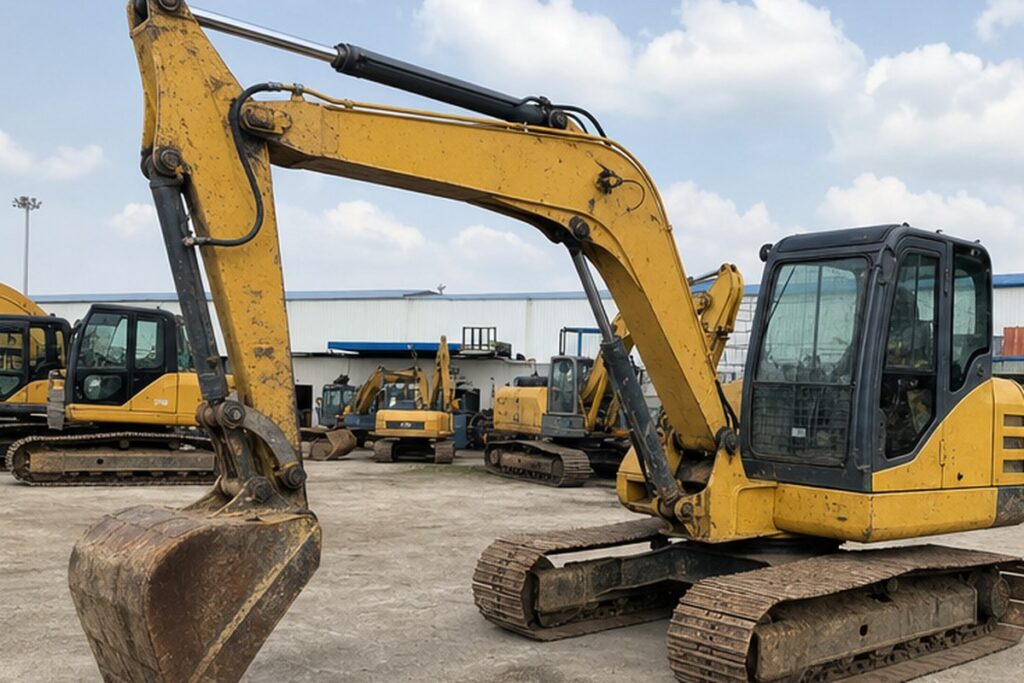
Buyers should inspect a used XCMG excavator from China by confirming the exact machine identity, hour meter, cold-start behavior, hydraulic response, swing and travel movement, undercarriage wear, bucket condition, parts route, export documents and final loading photos before approval.
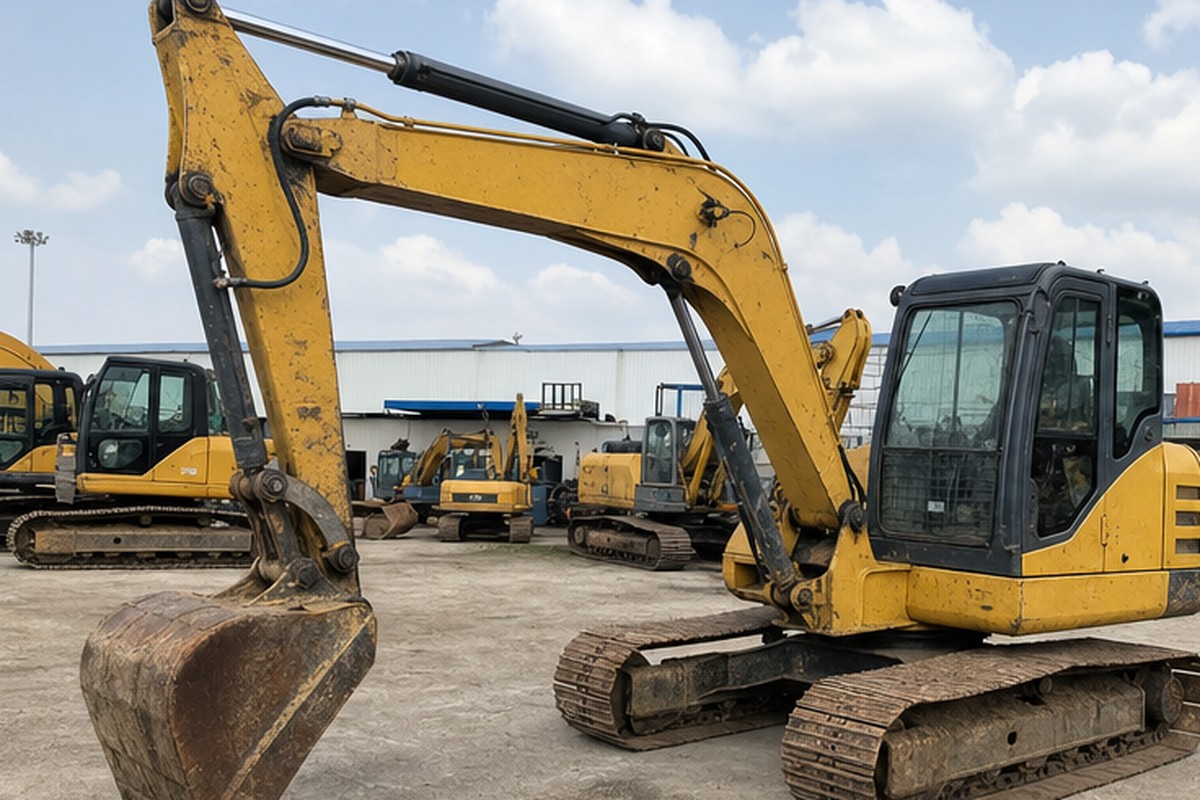
This PRIMA guide supports used XCMG excavator from China searches and links to the XCMG excavator parts checklist, used excavator supplier guide, used excavator inspection checklist and undercarriage parts hub.
Quick answer: what should be checked before importing a used XCMG excavator?
A used XCMG excavator should be checked through a complete evidence file: model and serial context, hour meter, cold start, engine smoke, hydraulic movement, swing and travel response, undercarriage wear, bucket or attachment condition, parts-support route and final loading photos. PRIMA should use XCMG as descriptive model-identification language only. Claims about official authorization, exact condition, local stock or warranty coverage should not be made unless the current unit evidence and written terms support them.
Buyer Summary
- The quote should identify one exact XCMG machine with serial and hour context.
- Hydraulic, swing and travel tests should be recorded before deposit approval.
- Undercarriage and bucket evidence can change landed repair cost.
- Parts support and final loading proof reduce after-arrival disputes.
Which identity checks should buyers request first?
The machine identity file should be stronger than the listing.
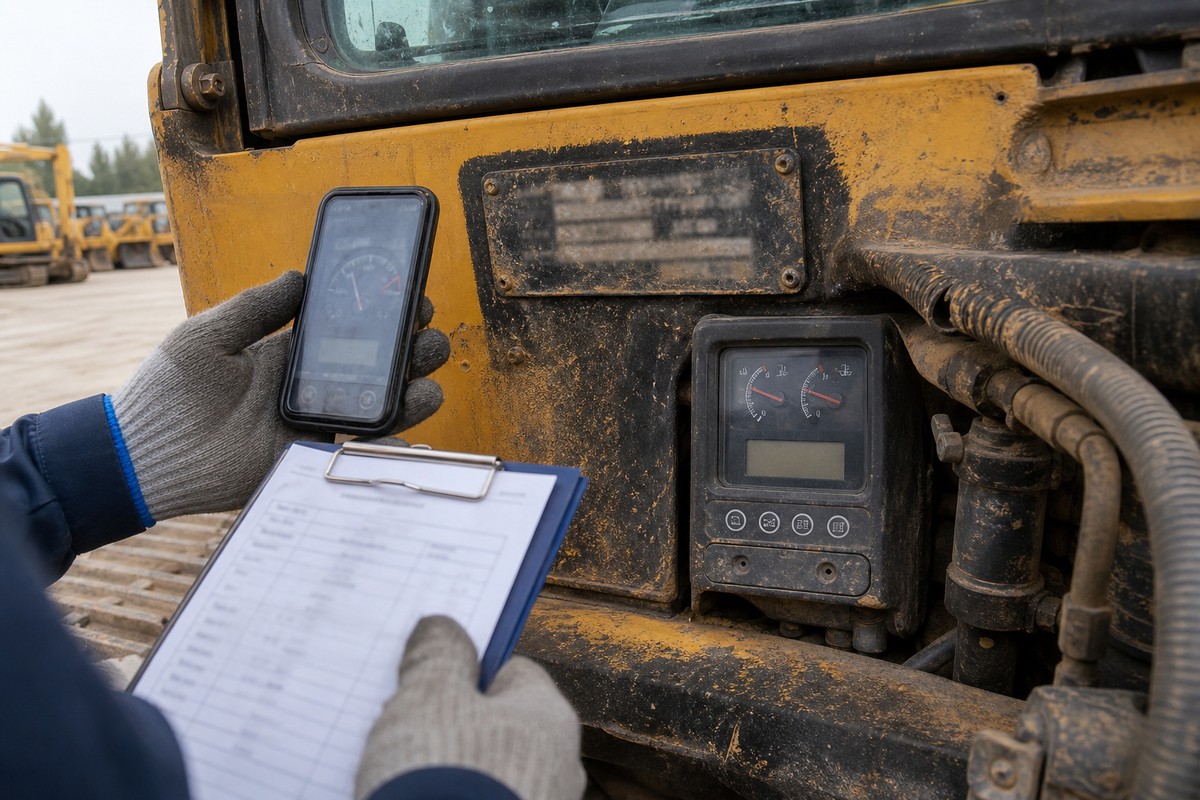
Buyers should request model, serial-area photo, hour meter, wide walkaround and matching cab, engine, boom, bucket and undercarriage photos. If the same unit cannot be followed through the file, approval should be held.
For export sourcing, PRIMA should connect inspection and loading proof to the same excavator. A model name alone is not enough for purchase approval.
| Check | Evidence | Buyer value |
|---|---|---|
| Model and serial | Plate or serial-area photo | Wrong-unit control |
| Hour meter | Photo plus wear context | Condition check |
| Walkaround | Same machine in all views | Listing control |
How should hydraulic movement be reviewed?
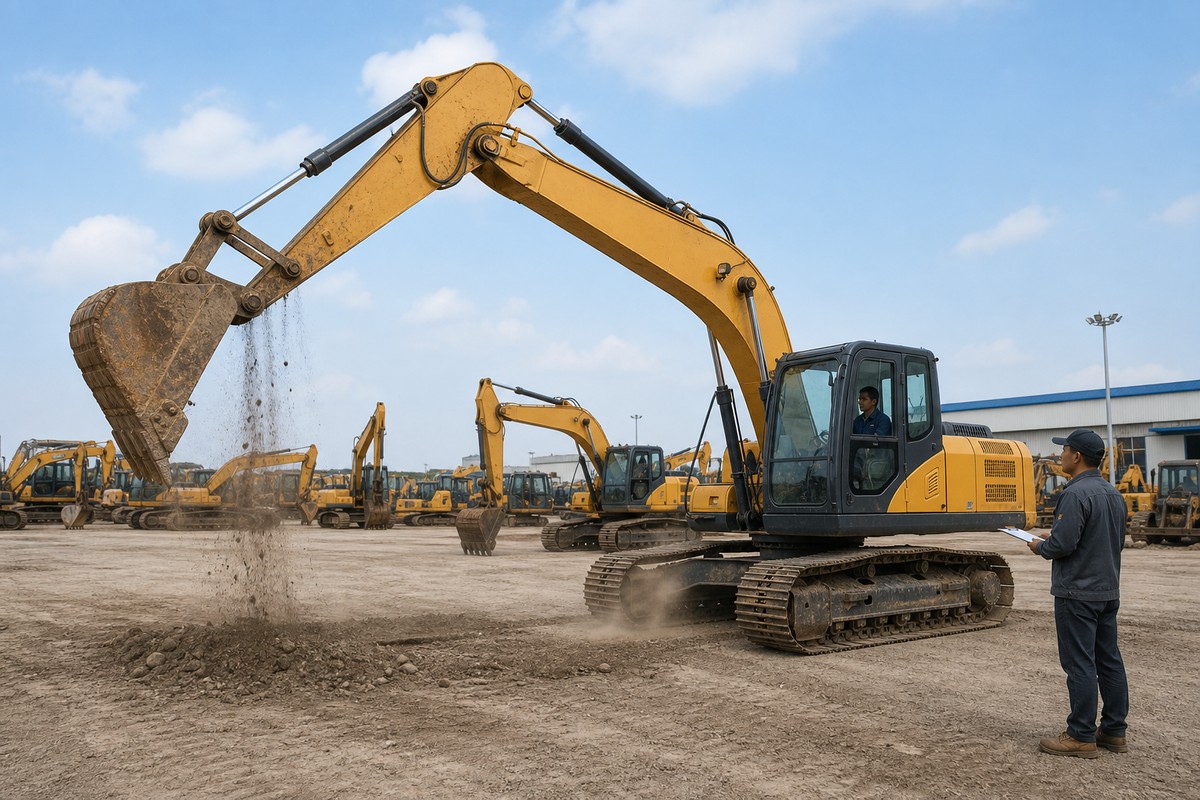
Movement tests should show work functions, not only idle.
The buyer should see boom, arm, bucket, swing, travel forward, reverse and turning. If movement is weak, the file should separate possible hydraulic, final-drive, travel-motor or undercarriage causes.
PRIMA can route parts after diagnosis, but should not claim a confirmed failed component from a vague symptom.
| Check | Evidence | Buyer value |
|---|---|---|
| Boom/arm/bucket | Video movement test | Hydraulic response |
| Swing | Side movement and sound | Swing system risk |
| Travel | Forward, reverse and turn | Drive risk |
What undercarriage and attachment details matter?
Wear below the machine can erase a low purchase price.
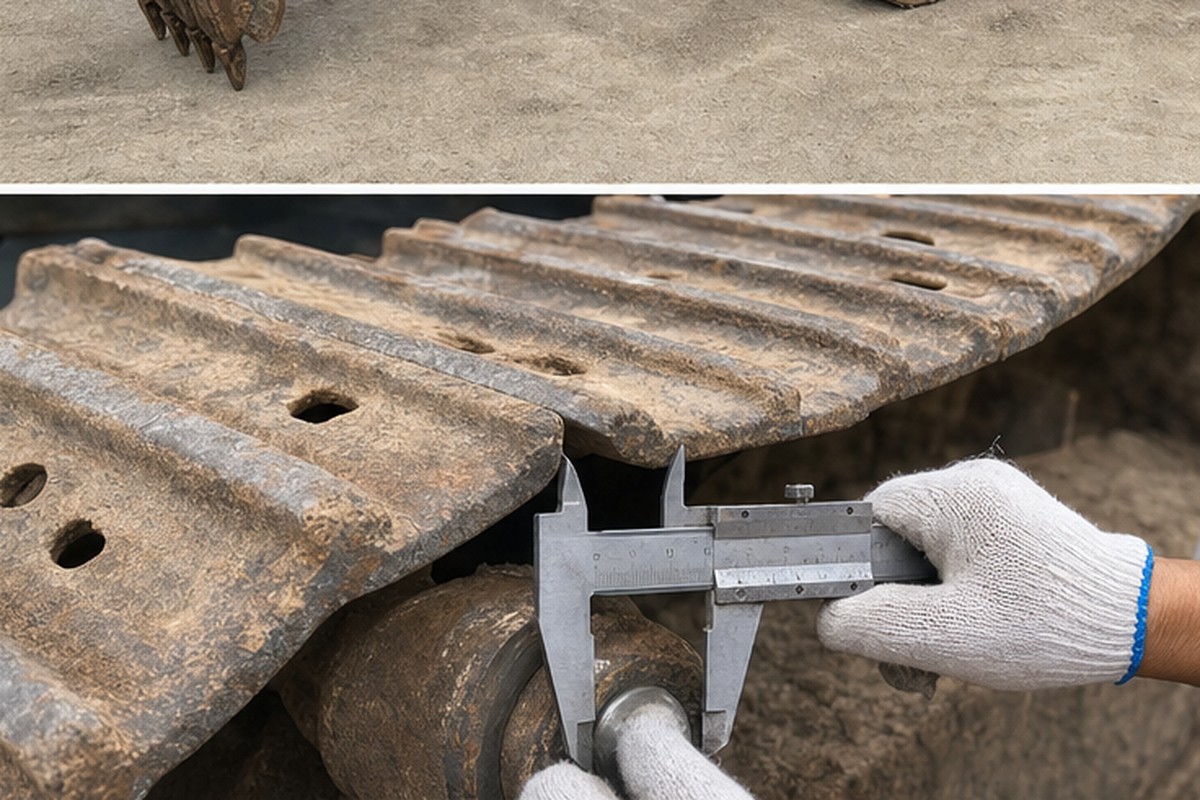
Track shoes, chain, rollers, idlers, sprockets, bucket teeth, pins and welds should be photographed close up. The buyer should ask what is included, what is repaired and what remains buyer risk.
If the machine needs follow-up parts, XCMG part routing should still use serial context, old-part photos and measurements.
| Check | Evidence | Buyer value |
|---|---|---|
| Track system | Shoes, chain, roller and sprocket photos | Repair cost |
| Attachment | Bucket, teeth, pins and weld views | Work readiness |
| Parts route | Serial and old-part photos | Downtime control |
What should be saved before loading?
Shipment proof should close the evidence loop.
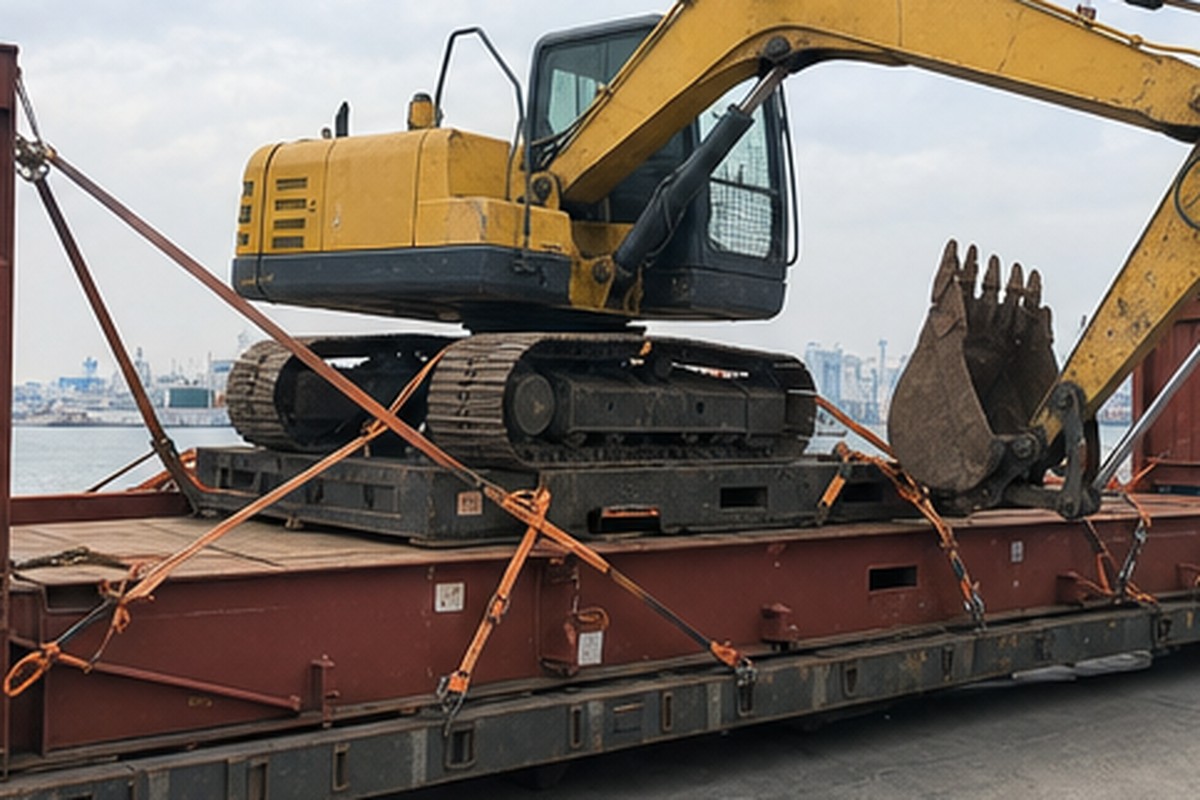
Final photos should show the inspected unit, attachment, transport position, loading, tie-downs and document plan. If the unit ships with loose parts, those should appear in the packing file.
This lets the buyer compare the arrival with approved evidence and reduces disputes over unit identity or missing attachments.
| Check | Evidence | Buyer value |
|---|---|---|
| Final unit | Pre-loading walkaround | Same-machine proof |
| Tie-down | Loading photo | Transport control |
| Documents | Export plan | Receiving control |
Evidence Table
| Buyer question | Evidence PRIMA should provide | Why it matters |
|---|---|---|
| Is the used XCMG unit exact? | Serial context, hour meter and walkaround | Avoids listing mismatch |
| Does it perform core movements? | Hydraulic, swing and travel video | Finds system risk |
| Is undercarriage cost visible? | Roller, idler, sprocket, shoe and chain photos | Predicts repair needs |
| Can follow-up parts be routed? | Serial and old-part evidence | Reduces downtime |
Key Facts For PRIMA Buyers
- PRIMA business memory lists XCMG as one of the stronger current advantages.
- XCMG is used descriptively for model identification only.
- Hydraulic movement should be separated from travel and undercarriage diagnosis.
- Loading photos help connect the inspected unit with the exported unit.
Buyer FAQ
Can a used XCMG excavator be approved by model name only?
No. Buyers need serial context, condition photos, movement video and loading proof.
Does PRIMA claim official XCMG authorization?
No. XCMG is used only as descriptive model-identification language.
Which video matters most?
Cold start, hydraulic movement, swing and travel videos matter more than parked photos.
What if the buyer needs parts later?
PRIMA should use serial context, old-part photos and measurements to route parts.
Conclusion
A used XCMG excavator import should be approved only after identity, condition, movement, undercarriage, parts support and loading proof are visible in the same evidence file.
References
- U.S. CBP importer guidance: Import-document responsibility reference.
- UK HSE excavator safety notes: General excavator safety and handling context.