
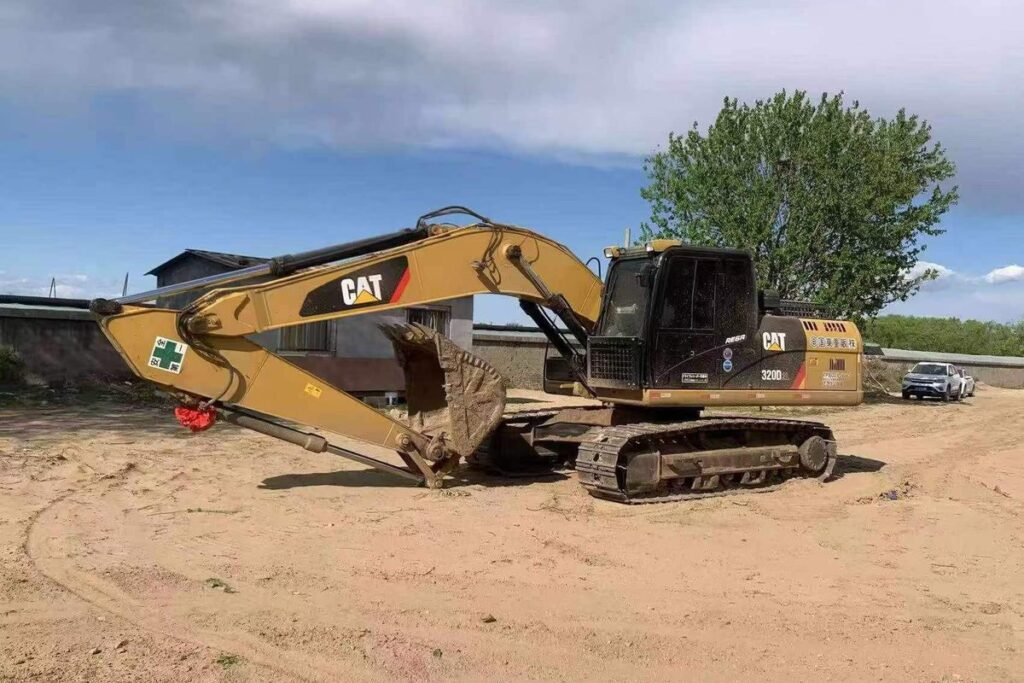
Buyers should not choose a used excavator by brand name alone. The safer path is to start with the jobsite, choose the right size class, then compare condition proof, hydraulic performance, undercarriage wear, local parts support, resale demand and budget. CAT, Komatsu, Hitachi, Volvo, SANY and XCMG can all be suitable choices in the right working condition, but each brand and model family has different strengths, serial ranges and parts-identification risks. Before payment, buyers should request machine identity evidence, walkaround photos, cold-start and movement videos, undercarriage close-ups, leakage checks, service history if available and loading or export evidence.
A buyer often starts with a simple question: should I buy CAT, Komatsu, Hitachi, Volvo, SANY or XCMG? That question is useful, but it is too early. A machine that works well for trenching may be slow in hard rock. A strong quarry machine may be expensive to move on narrow city jobs. A famous brand with weak inspection proof can be riskier than a newer Chinese-brand unit with clear videos, photos and documents.
This PRIMA guide is written for importers, dealers, contractors and repair teams comparing second-hand excavators from China. It focuses on the decision file a buyer should build before approving a used excavator: working condition, size class, machine identity, inspection proof, parts route, warranty boundary, shipping evidence and realistic budget.
Buyer Summary
- Brand is useful, but jobsite and size class decide whether the machine is suitable.
- The common 20-24 ton class fits many general construction jobs, but model, serial and configuration differences still matter.
- Premium used brands may offer resale and mechanic familiarity; SANY and XCMG may offer price-performance and availability.
- Condition proof matters more than hour meter alone.
- PRIMA should compare options by evidence and fitment risk, not unsupported brand ranking.
Quick answer: what should decide a used excavator brand and model?
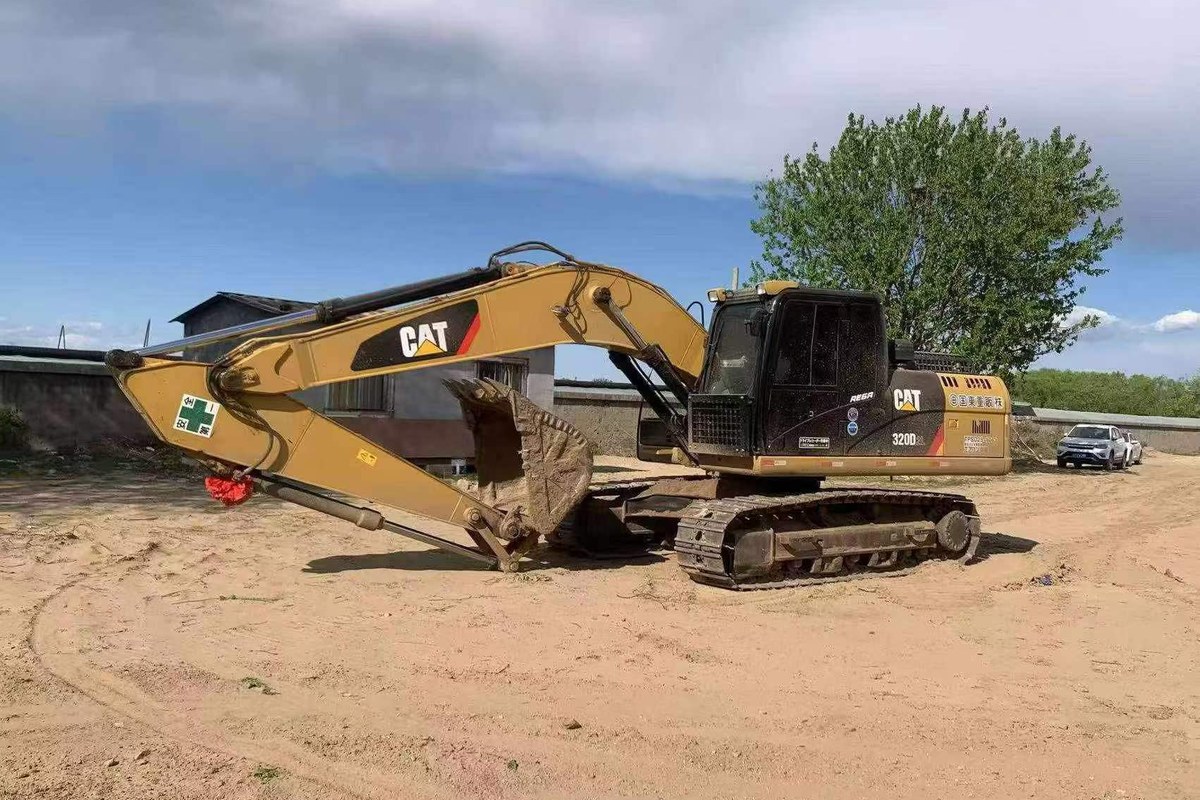
A buyer should choose a used excavator brand and model by matching the machine to the jobsite first, then checking condition proof, local parts support, resale plan and budget. For general construction, the 20-24 ton class is common, but a CAT 320, Komatsu PC200/PC210, Hitachi ZX200/ZX210, Volvo EC210, SANY SY215 or XCMG XE215 should still be verified by machine plate, serial/PIN, undercarriage photos, hydraulic test video, leakage checks, cab controls, bucket condition and loading evidence. The best choice is the excavator with the clearest proof for the buyer’s actual work, not the brand with the loudest reputation.
Why should buyers start with working condition before brand?
Working condition decides whether a brand or model makes sense. Landscaping, narrow utility work, road repair, general construction, quarry support and mining need different machine classes. A machine that is too small works slowly and wears fast. A machine that is too large raises fuel cost, transport cost, attachment cost and ownership risk.
Before comparing brands, buyers should describe the material, daily hours, bucket size, attachment use, transport limits, operator familiarity, mechanic support and resale plan. PRIMA can then compare the machine as a practical work tool instead of treating the brand name as the whole decision.
| Decision area | Better evidence or choice | Risk reduced |
|---|---|---|
| Landscaping or narrow site | Mini / compact / zero-tail model | Access problems, ground damage or transport cost |
| Urban road or trenching | 6-15 ton class | Too small is slow; too large is hard to move |
| General construction | 20-24 ton class | Common class, but configuration differences are frequent |
| Quarry or heavy earthwork | 30-45 ton class | Undercarriage and structure proof become critical |
| Mining or hard rock | 45 ton and above | Undersized machines wear out quickly |
How do CAT, Komatsu, Hitachi, Volvo, SANY and XCMG differ for buyers?
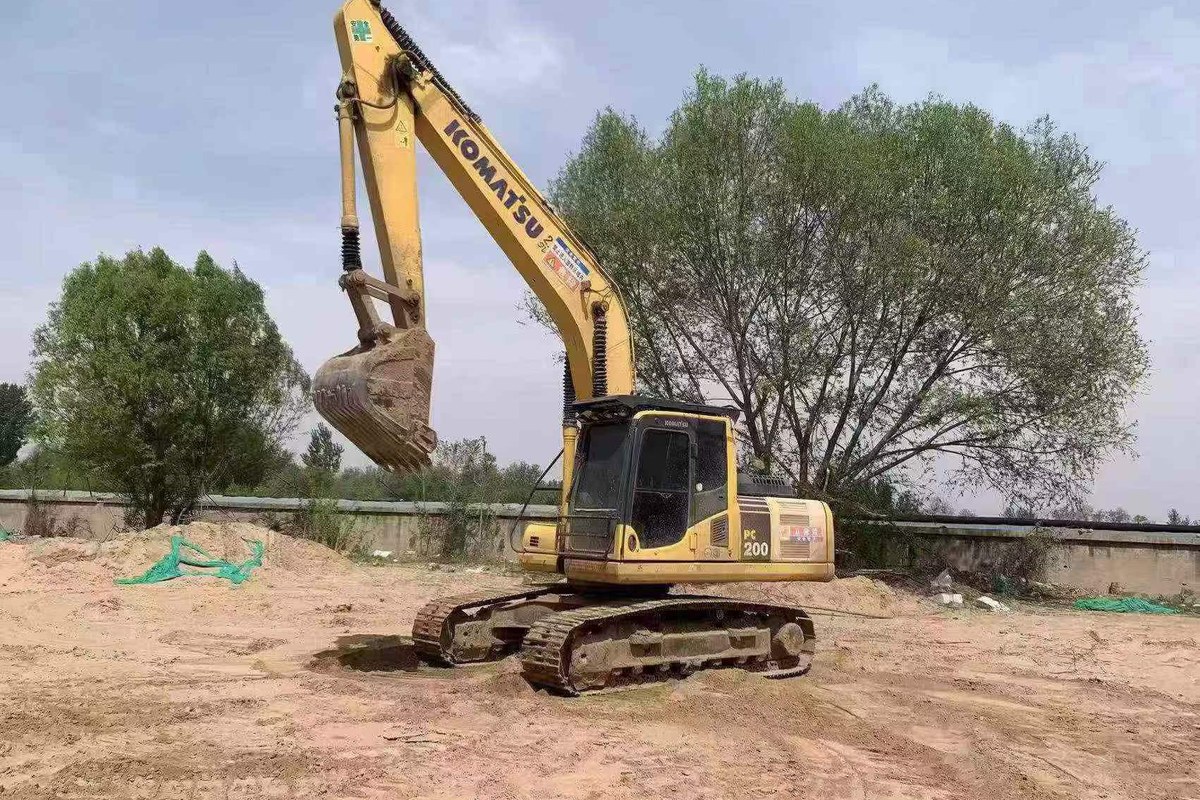
Brand comparison should be practical, not emotional. CAT is often valued for global recognition, resale demand and familiar parts routes, but serial and version differences can affect fitment. Komatsu is widely used for productive earthmoving, while electronic or regional variants should be checked carefully. Hitachi is often discussed for hydraulic smoothness, so buyers should verify pump, valve, sensor and controller evidence when the machine is used.
Volvo buyers may care about fuel use, cab comfort and work modes, but the exact EC/ECR model and region matter. SANY and XCMG can be strong price-performance choices when buyers want available China-sourced machines, but domestic/export configuration, plate evidence, parts photos and local support should be confirmed. PRIMA should describe these as tradeoffs, not as a claim that one brand is always best.
| Decision area | Better evidence or choice | Risk reduced |
|---|---|---|
| CAT / Caterpillar | Resale, global familiarity and many known model families | Serial range, region and version differences |
| Komatsu | Productivity and familiar earthmoving models | Electronics, iMC options and regional variants |
| Hitachi | Hydraulic feel and compound movement reputation | Pump, valve, controller and sensor matching |
| Volvo | Fuel, cab comfort and work modes | EC/ECR family, region and emission version |
| SANY | Price-performance and China supply availability | Domestic/export configuration and parts route |
| XCMG | Industrial range and special-application choices | Series naming, plate proof and special setup |
What should buyers compare in the 20-ton class?
The 20-ton class is popular because it can handle general construction, road work, medium earthmoving and many rental-fleet tasks. Public model pages show that machines such as the CAT 320, Komatsu PC210LC-11, Hitachi ZX210LC-6, Volvo EC210, SANY SY215C and XCMG XE215G sit around this practical class, but the exact operating weight and specification vary by configuration, market and attachment.
For a used machine, the model number should only start the file. Buyers should still check the serial or PIN plate, true working condition, hydraulic speed, leakage, undercarriage link count, roller and idler wear, sprocket condition, bucket pin/bushing condition, engine smoke, cooling behavior and local parts route.
| Decision area | Better evidence or choice | Risk reduced |
|---|---|---|
| CAT 320 / 323 family | Common premium benchmark for many buyers | Check exact configuration and serial range |
| Komatsu PC200 / PC210 family | Often compared for general earthmoving | Check PC200 vs PC210 class, electronics and region |
| Hitachi ZX200 / ZX210 family | Hydraulic performance is a common buyer focus | Check pump, valve, controller and leak evidence |
| Volvo EC210 / EC220 family | Fuel, comfort and work-mode comparison | Check EC/ECR version, region and emission plate |
| SANY SY215 / SY235 family | Strong China price-performance comparison | Check export configuration and aftersales parts path |
| XCMG XE210 / XE215 family | Useful for China-source industrial availability | Check series, plate, special setup and parts photos |
Used premium brand or newer Chinese brand: how should buyers decide?
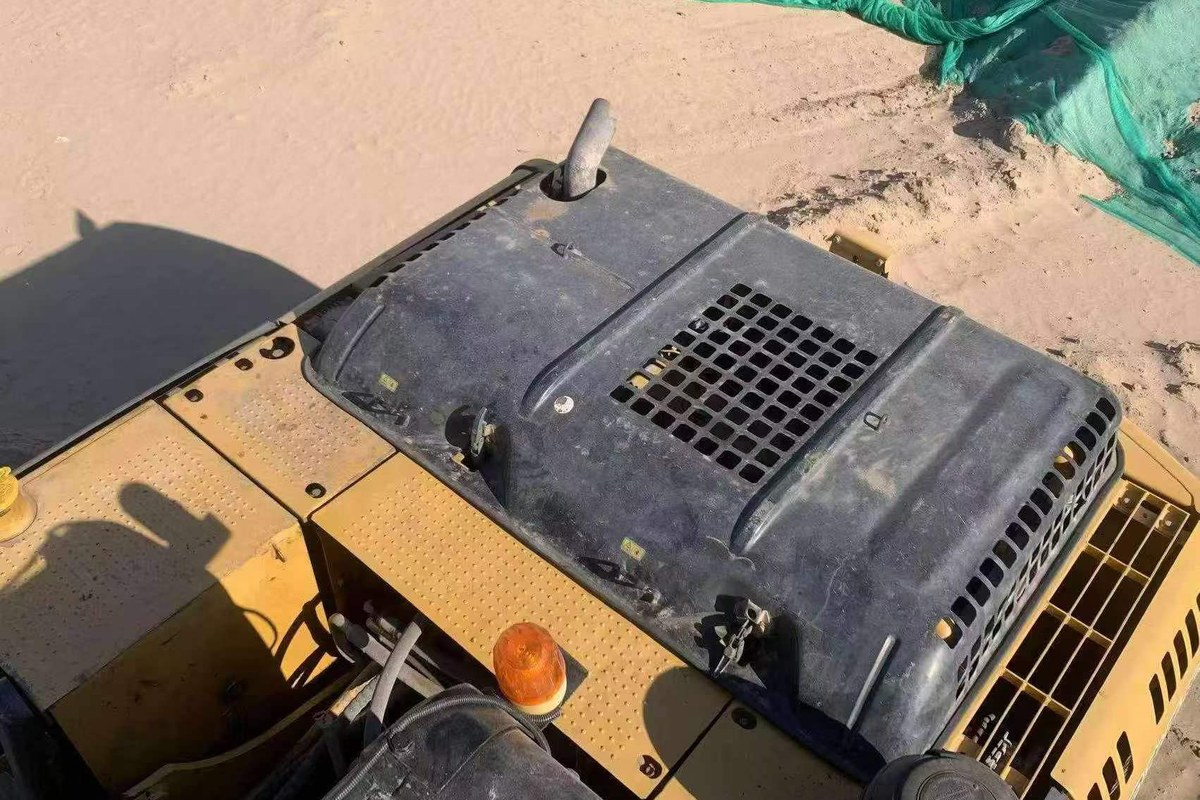
Used CAT, Komatsu, Hitachi or Volvo may fit buyers who value resale, mechanic familiarity and established parts routes. A newer SANY or XCMG may fit buyers who need price-performance, easier China-source supply and practical availability. The better choice depends on the buyer’s jobsite, maintenance team, market resale behavior and total ownership cost.
Condition proof can reverse the decision. A well-documented SANY or XCMG can be safer than a poorly documented premium-brand machine. A carefully inspected CAT, Komatsu, Hitachi or Volvo can justify a higher price when the buyer has clear cold-start video, movement test, undercarriage photos, leak checks, plate proof and shipping evidence.
| Decision area | Better evidence or choice | Risk reduced |
|---|---|---|
| Buyer priority | Premium used brand may fit | Chinese brand may fit |
| Resale and local mechanic familiarity | Often stronger in many markets | Depends on local installed base |
| Purchase budget | Higher price can be justified by proof | Often stronger price-performance |
| Parts route | Broad channels but serial differences matter | China-source availability can help |
| Risk control | Inspection proof still decides | Inspection proof still decides |
What inspection proof should buyers request before paying?
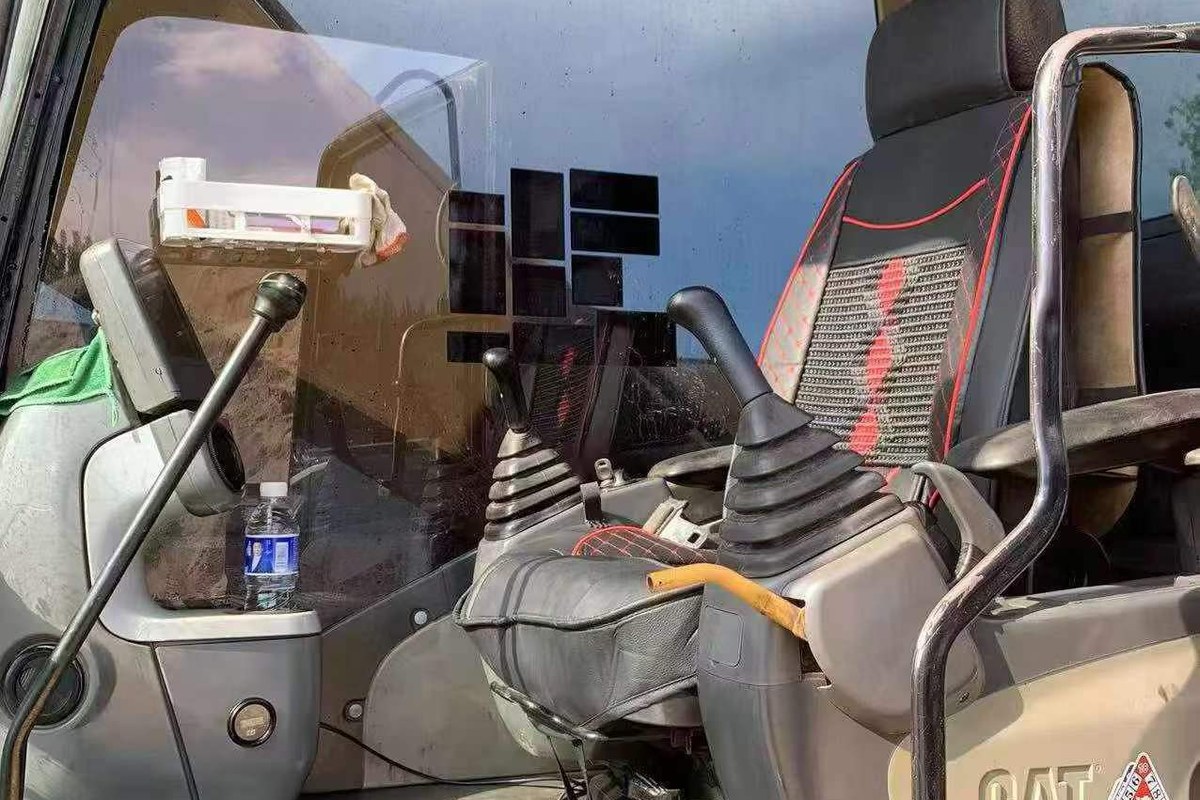
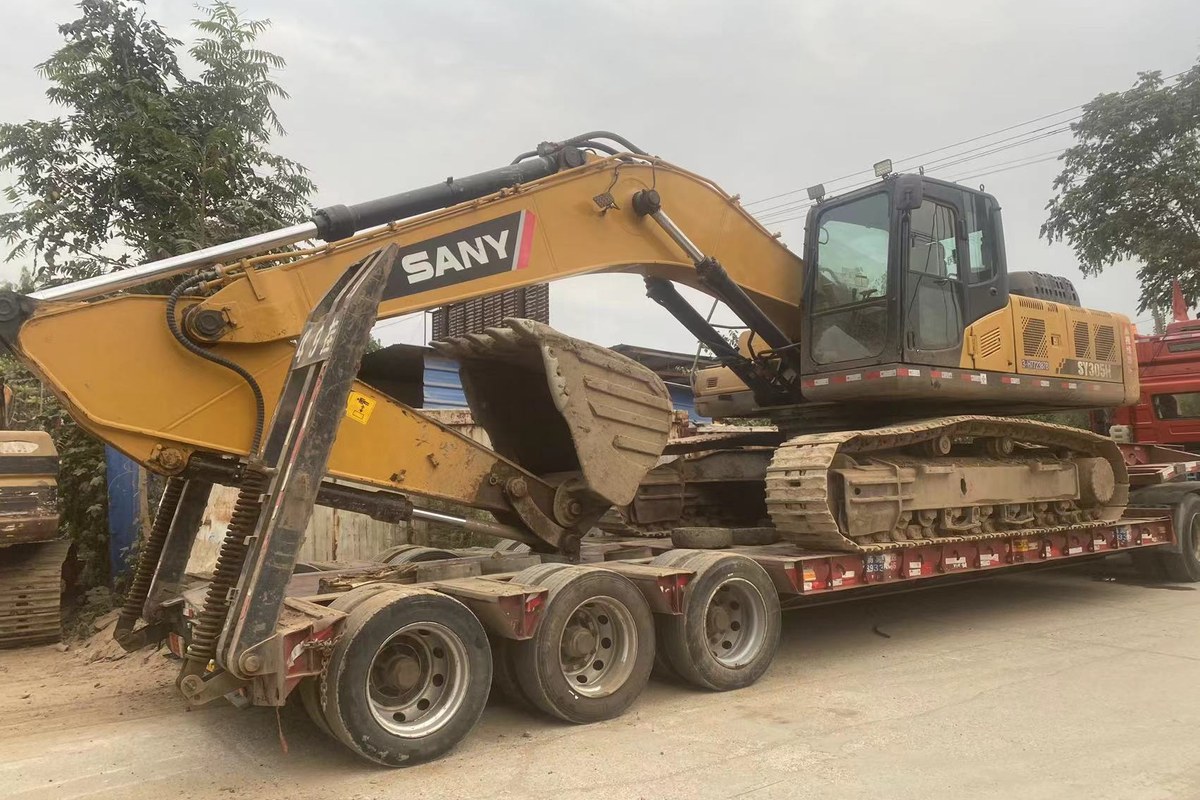
A used excavator buyer should request the same evidence for every brand: machine plate photos, hour meter, full walkaround photos, cab and monitor photos, cold-start video, idle and acceleration behavior, boom/arm/bucket movement, swing, travel, hydraulic leak check, engine bay photos, radiator and oil area photos, undercarriage close-ups and bucket pin/bushing condition.
Loading photos and export documents matter because they connect the chosen machine to the shipment file. They do not replace inspection proof, but they help the buyer confirm that the inspected unit, quote, invoice, packing or loading record and final shipment refer to the same machine.
| Decision area | Better evidence or choice | Risk reduced |
|---|---|---|
| Identity | Machine plate, serial/PIN, hour meter and current photos | Wrong unit or incomplete machine file |
| Mechanical condition | Cold start, engine smoke, movement test and hydraulic leak check | Hidden operating problems |
| Undercarriage | Track chain, rollers, idlers, sprockets and shoe condition | High repair cost after arrival |
| Cab and controls | Monitor, levers, seat, air conditioning and visibility | Operator acceptance problems |
| Shipment proof | Loading photos, invoice and export document consistency | Confusion between selected and shipped unit |
Evidence Table
| Decision point | Evidence PRIMA should save | Buyer value |
|---|---|---|
| Jobsite match | Material, bucket, attachment, daily hours and transport limit | Prevents buying a machine that is too small or too expensive to operate |
| Brand and model | Public model family, market familiarity and buyer’s local parts route | Prevents brand-only decisions |
| Condition proof | Photos, videos, leak checks, undercarriage and cab evidence | Separates a good listing from a risky listing |
| Fitment and parts route | Serial/PIN, old part numbers, photos and dimensions when parts support is needed | Prevents model-name-only parts mistakes |
| Shipment evidence | Loading photos, invoice, export file and document consistency | Connects the selected machine to the export record |
Key Facts For PRIMA Buyers
- Used excavator brand comparison should start with jobsite and size class, not brand ranking.
- The 20-24 ton class is common for general construction, but serial and configuration differences still matter.
- Used-machine condition proof should include cold start, hydraulic movement, leakage, undercarriage and machine identity evidence.
- Premium used brands and newer Chinese brands can both be practical when the proof matches the buyer’s work condition.
- PRIMA should position itself as an independent sourcing and evidence-checking partner, not an OEM or authorized dealer.
Before the buyer pays deposit
After narrowing the brand and size class, buyers can compare real machine options through PRIMA sourcing support instead of choosing from screenshots alone; the service focuses on jobsite fit, condition proof, inspection and export evidence. compare real machine options through PRIMA sourcing support.
Buyer FAQ
Which excavator brand is best?
There is no universal best brand. The better choice depends on jobsite, size class, condition proof, local parts support, mechanic familiarity, resale plan and budget.
Is a used CAT better than a newer Chinese excavator?
Not automatically. Used CAT may offer resale and parts familiarity, but condition proof is critical. A newer SANY or XCMG may be a stronger value choice when specification and parts support fit the buyer’s job.
Can I choose a used excavator by model name only?
No. Model name is only a starting point. Buyers should verify serial or PIN, configuration, inspection videos, undercarriage condition and parts-support route.
What evidence should I ask before importing a used excavator?
Ask for plate photos, walkaround photos, cold-start video, full movement test, hydraulic leak checks, undercarriage photos, bucket and pin/bushing condition, loading photos and document consistency.
Does PRIMA claim to be an official dealer for these brands?
No. PRIMA should use brand names for machine identification, comparison and sourcing support only, without claiming official, authorized or exclusive dealer status unless written evidence exists.
Useful PRIMA Links
- PRIMA used excavator supplier buyer guide
- Used excavator inspection checklist
- Used CAT 320D2 inspection guide
- Excavator parts supplier buyer guide
- Excavator parts RFQ file guide
External References
- CAT 320 Excavator official product page
- Komatsu PC210LC-11 official product page
- Hitachi ZX210LC-6 official product page
- Volvo EC210 official product page
- SANY SY215C official product page
- XCMG XE215G official product page
Conclusion
The best used excavator decision is not a slogan about one brand. It is a documented match between the buyer’s jobsite, the machine’s size class, inspection proof, parts-support route, budget and shipment file. PRIMA should help buyers compare CAT, Komatsu, Hitachi, Volvo, SANY and XCMG options with evidence that can be saved, checked and reused before payment and after delivery.