
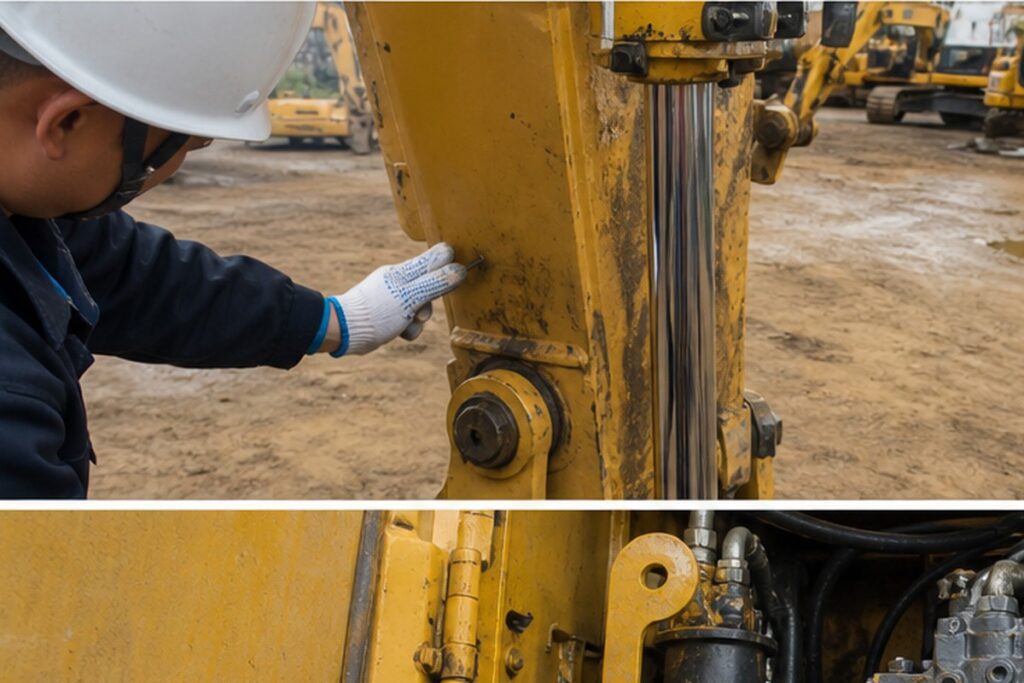
Buyers should inspect hydraulic leaks on a used excavator by checking cylinders, rods, seals, hoses, fittings, pump, valve block, swing bearing, travel motors, hydraulic oil condition and warm-operation seepage, then connecting every leak to a repair scope before import approval.
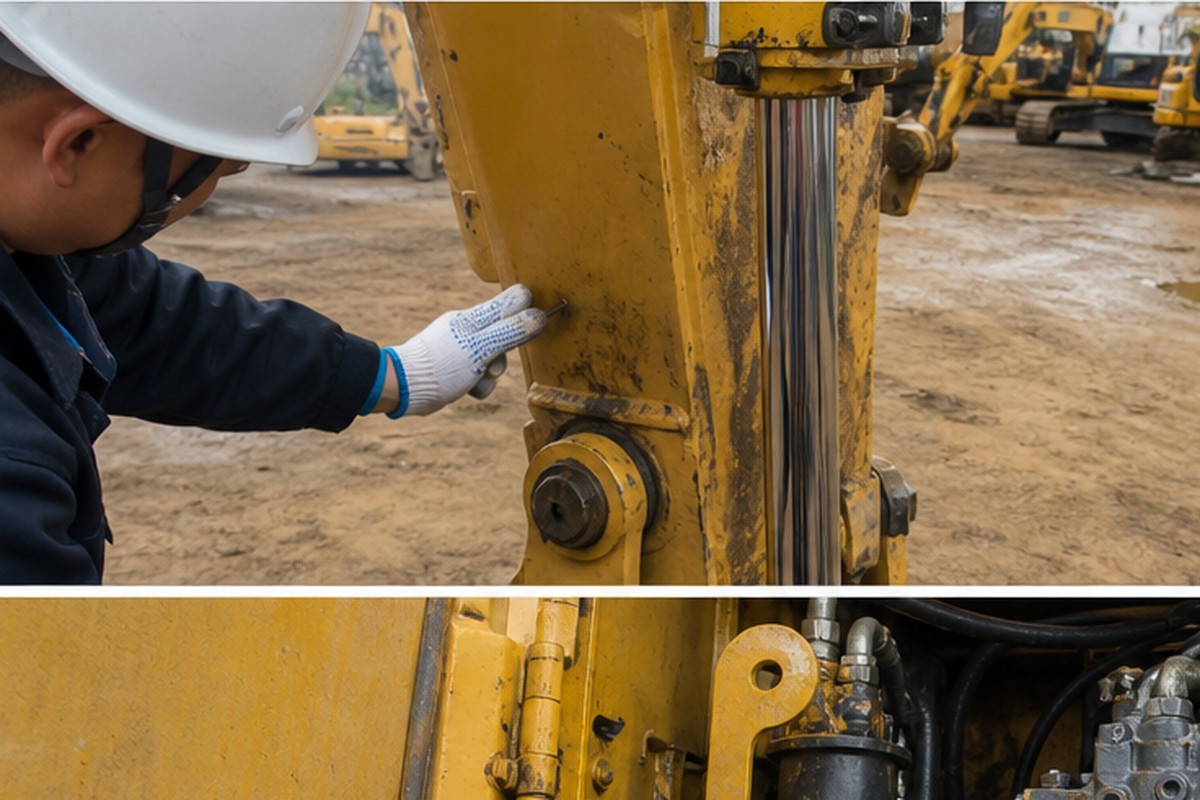
This PRIMA proof page connects used excavator import inspection with hydraulic parts risk. It links to the pre-shipment inspection guide, hydraulic cylinder guide, hydraulic pump guide and final drive guide.
Quick answer: what hydraulic leak evidence matters before import?
A used excavator hydraulic leak check should cover visible and warm-operation evidence. Buyers should inspect cylinder rods and seals, hose rub points, fittings, pump area, valve bank, swing bearing, travel motors or final-drive hubs, oil level and oil color. Old stains should be separated from fresh seepage or active dripping. PRIMA should connect each visible leak to a quote boundary: accepted as-is, repaired before shipment, priced as a future service item or blocked until better inspection evidence is provided. The page should not promise a leak-free used machine without exact inspection proof.
Buyer Summary
- Hydraulic leak inspection should happen after walkaround and during warm operation.
- Cylinders, hoses, pump, valve block, swing and travel areas need separate evidence.
- Fresh seepage is different from old dirt, but both need buyer context.
- Repair scope must be written before deposit or shipment approval.
Which cylinder and hose checks should come first?
Most visible leaks begin around rods, seals, hoses and fittings.
Boom, arm and bucket cylinders should be extended enough to inspect rod scoring, rust, oil residue and wiper seal condition. Hoses should be traced for rubbing, cracks, kinked areas and wet fittings.
PRIMA should request close photos in daylight and after operation. A dry cold machine can hide seepage that appears after the oil warms.
| Check | Evidence | Buyer value |
|---|---|---|
| Cylinder rods | Scoring, rust and seal residue | Seal risk |
| Hoses | Rub points, cracks and wet fittings | Failure risk |
| Warm check | Photos after operation | Finds active seepage |
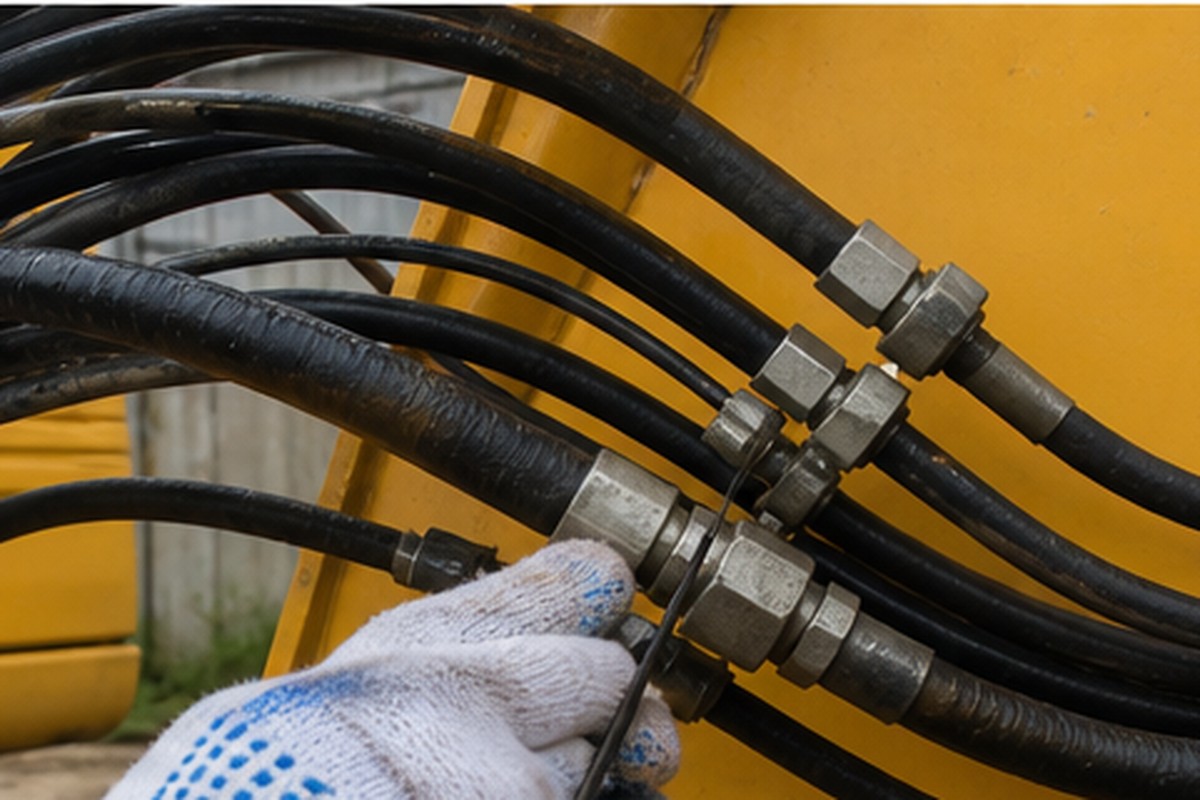
How should pump, valve and swing leaks be separated?
Wetness in different areas points to different repair paths.
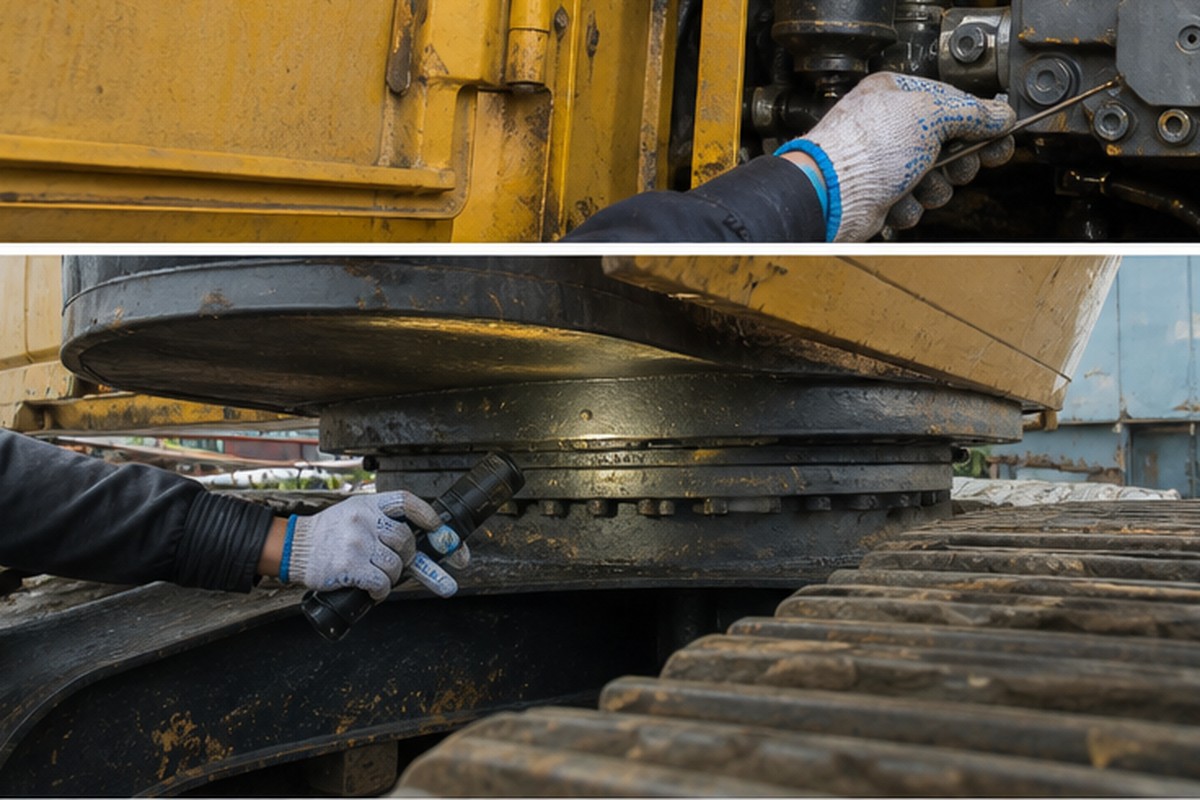
The pump area should be checked for fresh drips, noise and oil contamination. The valve bank should be checked for pooled oil around spool sections. Swing bearing and travel hubs should be inspected for wet dirt, oil trails and ground marks after movement.
PRIMA should not turn a visible wet spot into a confirmed diagnosis without mechanic notes. The page should state whether the leak is accepted, repaired or still uncertain.
| Check | Evidence | Buyer value |
|---|---|---|
| Pump area | Wetness, noise and oil condition | Hydraulic risk |
| Valve block | Pooled oil and spool-area photos | Control risk |
| Swing/travel | Wet dirt and ground marks | Drive risk |
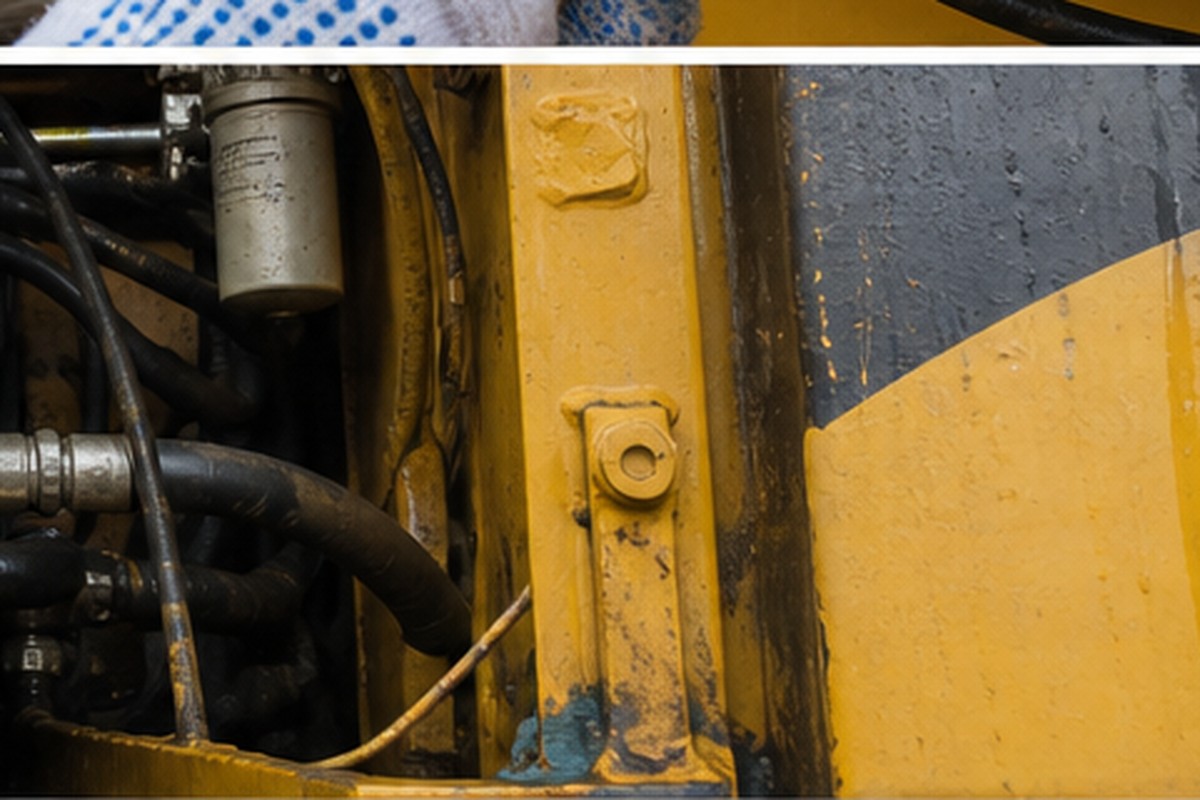
What oil condition evidence changes the decision?
The oil tells whether the leak is only external.
Hydraulic oil should be checked for level, color, foam, cloudiness or burnt smell where inspection access allows. Low level can support leak evidence; milky or foamy oil may suggest water or air contamination.
If the oil looks questionable, PRIMA should recommend a stronger inspection or service boundary instead of presenting the machine as ready to work.
| Check | Evidence | Buyer value |
|---|---|---|
| Oil level | Sight glass or dipstick context | Leak confirmation |
| Oil color | Clear, milky, foamy or burnt notes | System risk |
| Service boundary | Repair or as-is note | Buyer expectation |
How should leak evidence be used before shipment?
The buyer needs a decision, not only photos.
Each leak area should be classified: acceptable residue, active leak needing repair, future maintenance item or blocked until better evidence. If repair is agreed, the final file should show completion proof and loading photos.
The receiving team should compare the arrival machine to the approved leak file before putting the machine into work.
| Check | Evidence | Buyer value |
|---|---|---|
| Classify | Residue, active leak or blocker | Decision clarity |
| Repair proof | Before/after photos | Shipment control |
| Arrival check | Compare with approved file | Receiving control |
Evidence Table
| Buyer question | Evidence PRIMA should provide | Why it matters |
|---|---|---|
| Are cylinders leaking? | Rod, seal and wiper photos | Seal risk |
| Are hoses and fittings safe? | Rub, crack and wet fitting evidence | Failure risk |
| Is the hydraulic system healthy? | Pump, valve and oil condition notes | System risk |
| Is the repair scope clear? | Written boundary and final proof | Import control |
Key Facts For PRIMA Buyers
- Warm-operation photos can reveal leaks hidden during cold inspection.
- Old stains and fresh seepage should be separated before approval.
- Hydraulic leaks may come from cylinders, hoses, pump, valve block, swing or travel areas.
- PRIMA should not promise a leak-free used excavator without exact proof.
Buyer FAQ
Is a small hydraulic stain acceptable on a used excavator?
Sometimes, but the buyer should know whether it is old residue, fresh seepage or active leakage.
Can photos diagnose the exact failed hydraulic part?
Not always. Photos guide risk, but mechanic notes and operation videos may still be needed.
Should leaks be repaired before shipment?
Only if the repair scope is agreed and proof can be shown. Some buyers may accept clear as-is pricing.
What page should buyers read for hydraulic cylinder replacement?
The PRIMA hydraulic cylinder guide covers rod, seal, pin and rebuild/replacement checks.
Conclusion
Hydraulic leak inspection should convert visible evidence into a buyer decision. PRIMA should classify leak areas, repair boundaries and final proof before a used excavator leaves China.
References
- UK HSE excavator safety notes: General excavator safety and handling context.
2026-06-11 PRIMA evidence update
Adds main control valve and localized used-excavator inspection paths.
2026-06-17 PRIMA evidence update
Adds center-joint leakage and hose-orientation evidence to the used-excavator hydraulic leak path.
2026-06-13 PRIMA hydraulic evidence update
Adds a direct hose-fitment and hose-safety path from hydraulic leak diagnosis.