
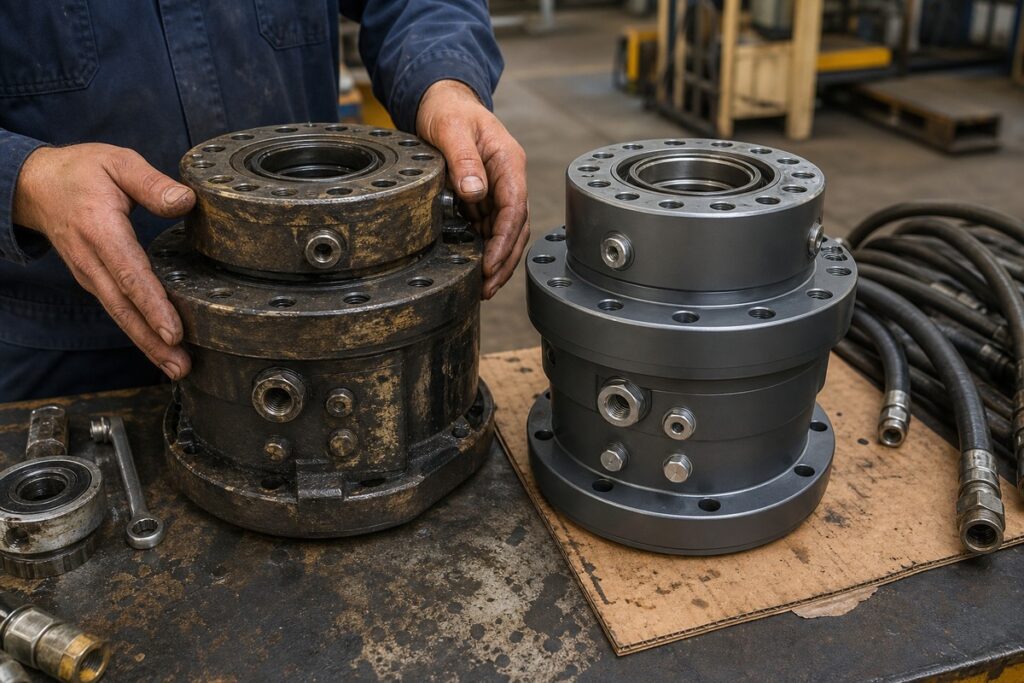
Buyers should check an excavator swivel joint before ordering from China by confirming the machine model, serial context when available, old center-joint photos, port orientation, hose layout, seal-groove condition, mounting size, travel or swing symptom, oil contamination risk and export packing method. A swivel joint can create weak travel, uneven travel or external leakage, but similar symptoms can also come from travel motors, final drives, pumps, valves or hoses. PRIMA should keep the quote conditional until the buyer sends enough old-part, symptom and measurement evidence to separate a seal kit decision from a complete swivel-joint replacement.
An excavator swivel joint, also called a rotary joint or center joint, carries hydraulic flow between the upper structure and the travel circuit. It is easy to misquote because the part is hidden, oily and often photographed only after hoses are removed.
This guide supports PRIMA’s excavator hydraulic pump buyer guide and travel motor ports and flange checklist. It helps buyers build a quote file before payment, before shipment and before installation.
Buyer Summary
- Best for buyers diagnosing weak travel, cross-travel, oil leakage around the center joint or hose confusion after dismantling.
- Require old-part photos, port orientation, hose labels, seal-groove evidence, mounting size and travel-symptom notes.
- Separate swivel-joint leakage from pump, travel motor, final drive, valve and hose problems before approving replacement.
- Confirm capped ports, protected sealing surfaces and clean packing before export shipment.
Quick answer: what proves an excavator swivel joint order is safe?
A safe excavator swivel joint order starts with the removed part and the travel symptom. Buyers should send machine model, serial context if available, photos before and after hose removal, port orientation, hose labels, mounting face, shaft length, seal grooves, leak marks and oil condition. PRIMA should check whether the buyer needs a seal kit, a rebuilt swivel joint or a complete replacement. If the machine pulls to one side, loses travel power or leaks around the center joint, the quote file should still record pump, travel motor, final drive and hose evidence. Before shipment, every port should be capped and the sealing surfaces should be protected.
Which swivel joint details should come before price?
The old part is the strongest evidence. Buyers should photograph the swivel joint while hoses are still connected, then label each hose before removal. Once the hoses are off, several ports can look similar and a small orientation mistake can delay installation.
PRIMA should request photos of the top face, bottom face, side ports, mounting bolts, shaft and any stamped marks. If the part number is missing, port count, port direction, mounting pattern and machine symptom become the working identity.
| Check | Evidence to save | Buyer value |
|---|---|---|
| Old part identity | All-side photos, machine model and serial context | Narrows the correct center-joint family |
| Port orientation | Hose labels, port count and direction photos | Prevents crossed hoses during installation |
| Mounting and shaft | Mounting face, bolt pattern and shaft length | Controls physical fitment |
How should buyers separate swivel-joint leakage from other hydraulic faults?
Weak travel or uneven travel does not prove the swivel joint is failed. A worn travel motor, final drive drag, pump output issue, main control valve leakage, clogged hose or contaminated oil can create overlapping symptoms.
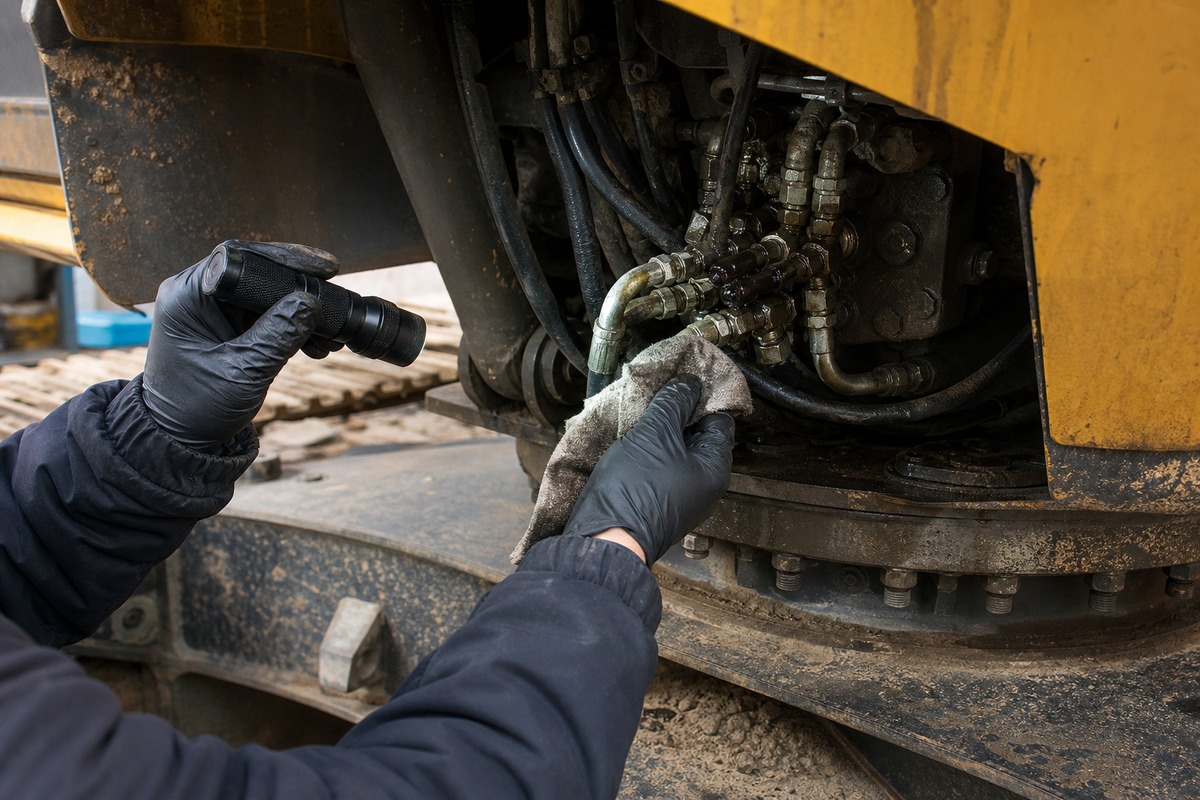
Useful evidence includes external leak location, oil dripping from the center joint, travel pressure notes, whether both tracks are weak or only one side is weak, and whether the problem changes when the upper body rotates. That pattern helps PRIMA avoid guessing.
| Check | Evidence to save | Buyer value |
|---|---|---|
| External leak | Oil trace around swivel-joint body and fittings | Shows whether the joint is leaking outside |
| Travel symptom | One-side weak, both-side weak, intermittent or rotation-related notes | Separates center joint from motor and pump causes |
| Oil condition | Contamination, metal dust or dirty hose evidence | Protects the replacement from repeat failure |
What fitment evidence should appear in the quotation file?
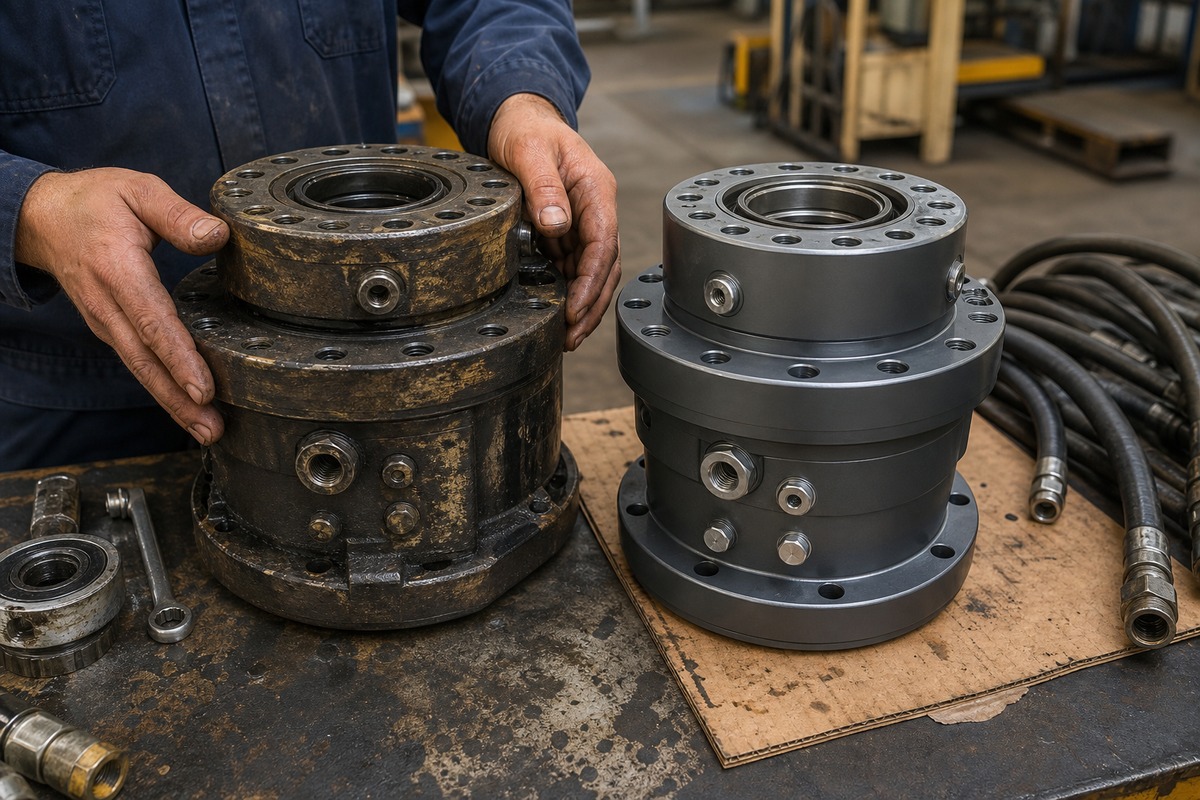
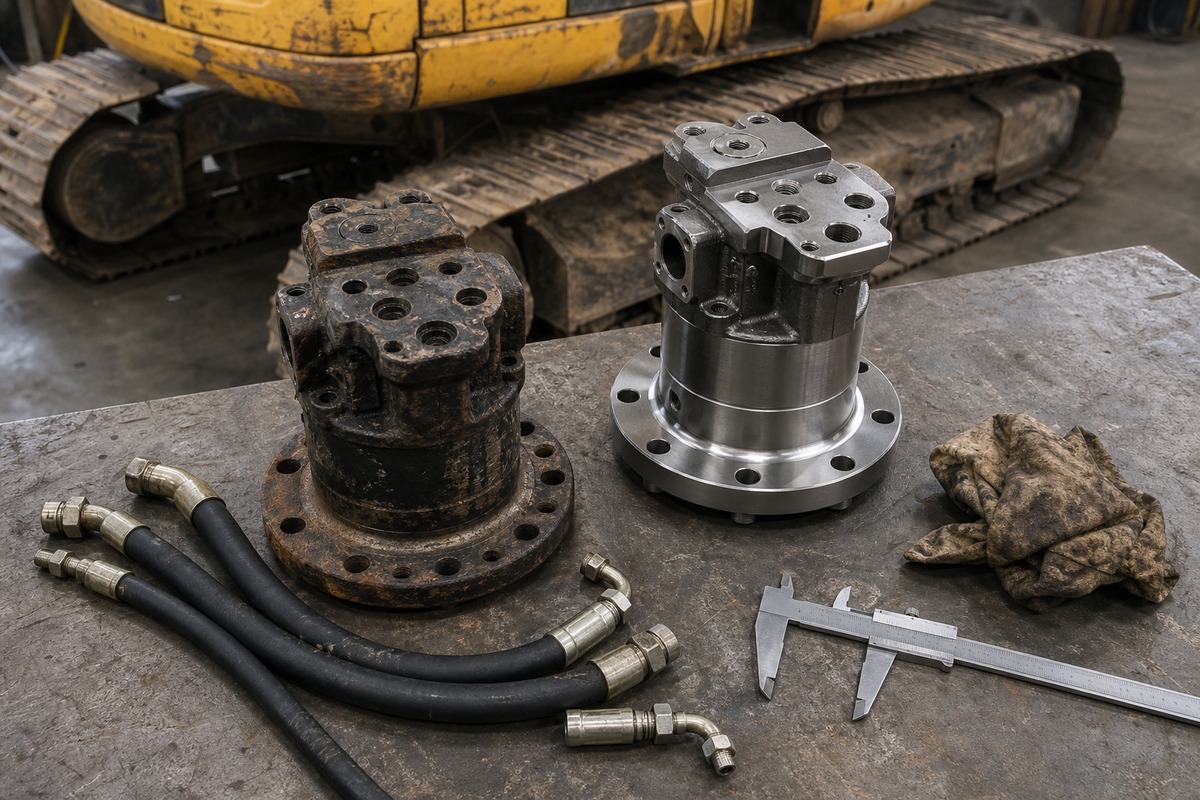
The quotation should show the old joint and the proposed joint in similar orientation. Port count, threaded connections, sealing grooves and mounting positions should be easy for the buyer or mechanic to compare.
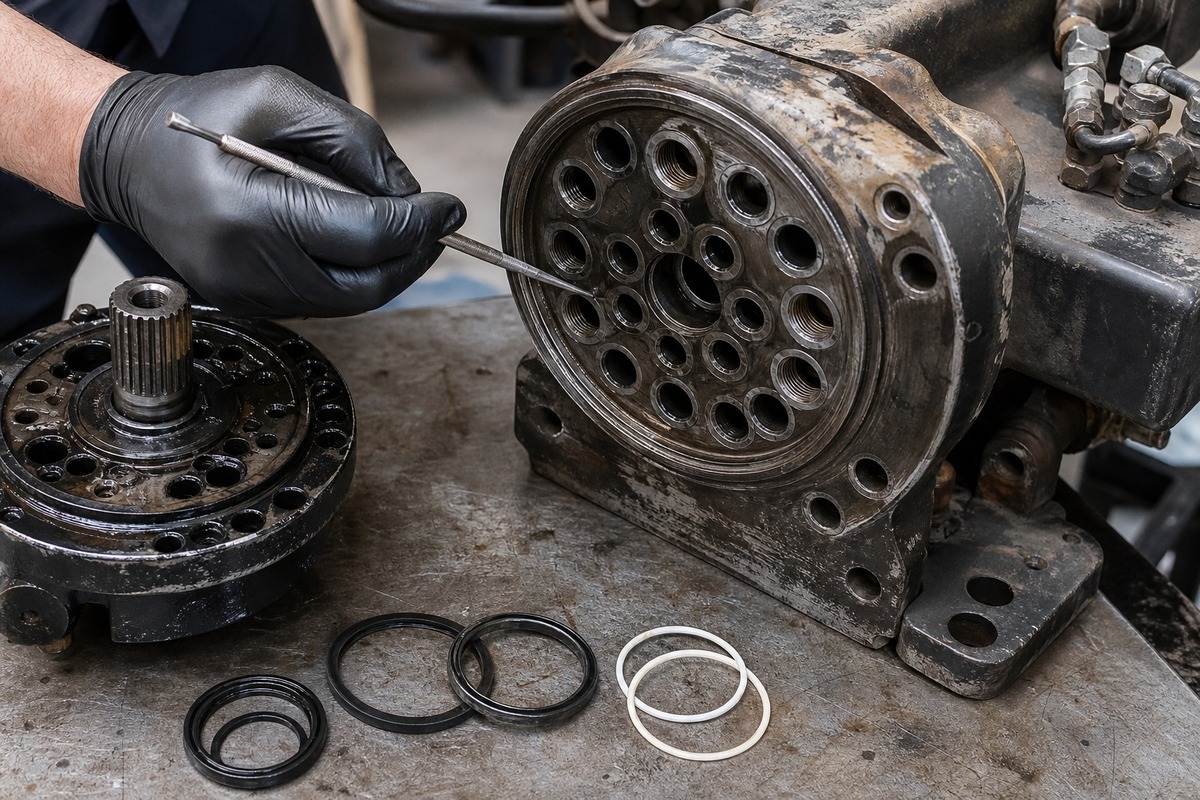
If only a seal kit is proposed, the quote should say why the joint body is still usable. If the shaft or grooves are scored, a seal kit may be a short repair rather than a stable solution.
| Check | Evidence to save | Buyer value |
|---|---|---|
| Side-by-side match | Old and replacement shown from top, side and port face | Makes the approval auditable |
| Seal kit boundary | Groove, shaft and O-ring condition photos | Prevents selling a kit when the body is damaged |
| Connection type | Thread, hose fitting and cap evidence | Reduces installation surprises |
What packing proof protects a swivel joint during export?
Swivel joints are compact but sensitive to dirt and impact. Open hydraulic ports, exposed sealing surfaces and loose hose fittings can create contamination before the part ever reaches the machine.
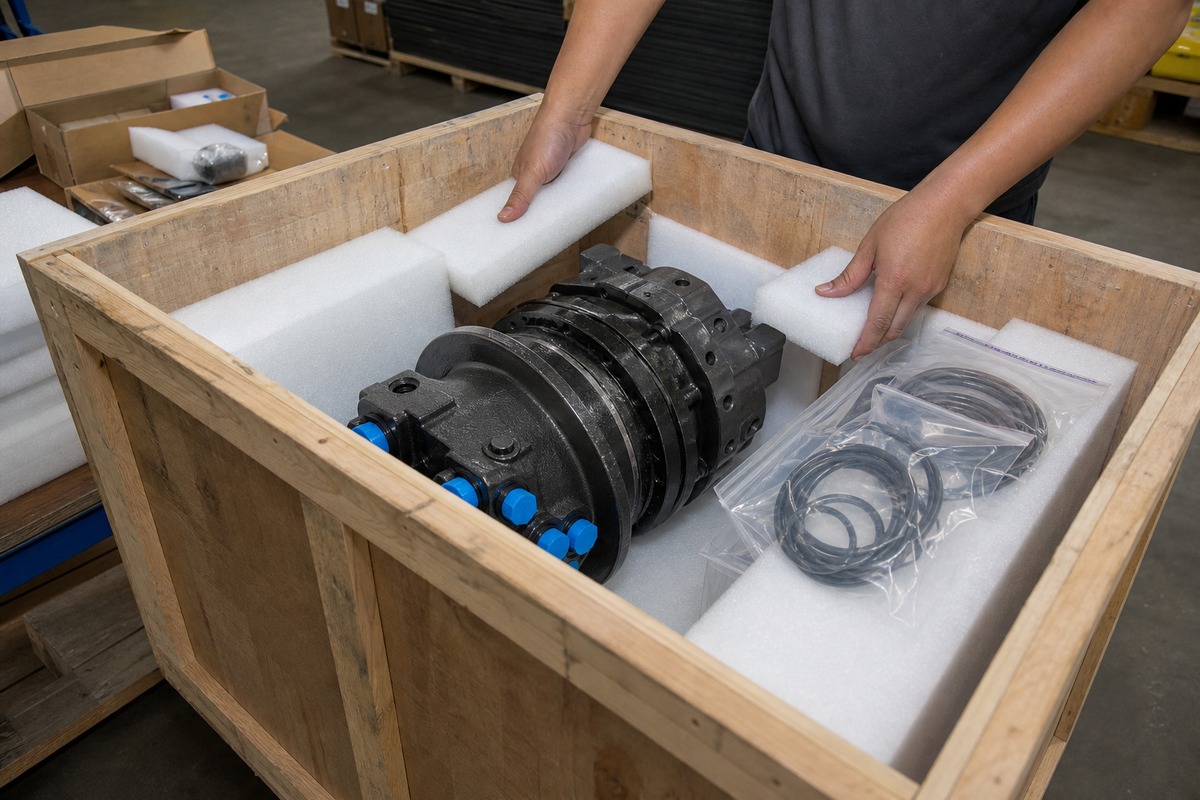
Before shipment, buyers should request photos showing capped ports, wrapped sealing faces, separated O-rings or small parts, foam protection and a box or crate that prevents the heavy joint from moving.
| Check | Evidence to save | Buyer value |
|---|---|---|
| Port caps | Every hydraulic opening capped or plugged | Prevents dust and contamination |
| Seal protection | Sealing surfaces and O-rings protected separately | Reduces leak risk after installation |
| Crate control | Foam, wood support and no loose movement | Prevents transit impact |
Evidence Table
| Decision point | Evidence PRIMA should save | Risk controlled |
|---|---|---|
| Fitment | Old photos, port orientation, mounting face and hose labels | Wrong center joint or crossed hoses |
| Diagnosis | Travel symptom, leak location and related hydraulic checks | Replacing the wrong hydraulic part |
| Export | Capped ports, protected seals and crate photos | Contamination or transit damage |
Key Facts For PRIMA Buyers
- A swivel joint quote should not rely on machine model alone.
- Weak travel can come from the swivel joint, travel motor, final drive, pump, valve or hose circuit.
- Port orientation and hose labels are critical before dismantling.
- Clean capped ports and protected sealing surfaces are required before export shipment.
Buyer FAQ
Can I order an excavator swivel joint by model only?
It is risky. Send old-part photos, port layout, hose labels and symptom notes before treating the match as confirmed.
Is a seal kit enough?
Only if the shaft, seal grooves and joint body are still usable. Scoring or body damage may require a complete joint.
What symptom points to a swivel joint problem?
External leakage, travel weakness, cross-travel or rotation-related changes can point there, but other hydraulic causes must be checked.
What should PRIMA avoid claiming?
Do not claim official, OEM or authorized supply unless current written evidence exists for that exact option.
What packing photos matter most?
Capped ports, protected seals, small-part bags and fixed crate support should be visible.
Useful PRIMA Links
- Excavator hydraulic pump buyer guide
- Travel motor ports and flange checklist
- Hydraulic leak inspection guide
- Excavator final drive buyer guide
- Excavator parts supplier guide
Conclusion
Swivel-joint sourcing is safest when the buyer saves old-part photos, hose orientation, port layout, symptom notes, seal condition and packing proof. PRIMA should separate diagnosis from fitment, describe condition honestly and keep the quote conditional until the evidence shows whether the buyer needs a seal kit, rebuilt joint or complete replacement.