
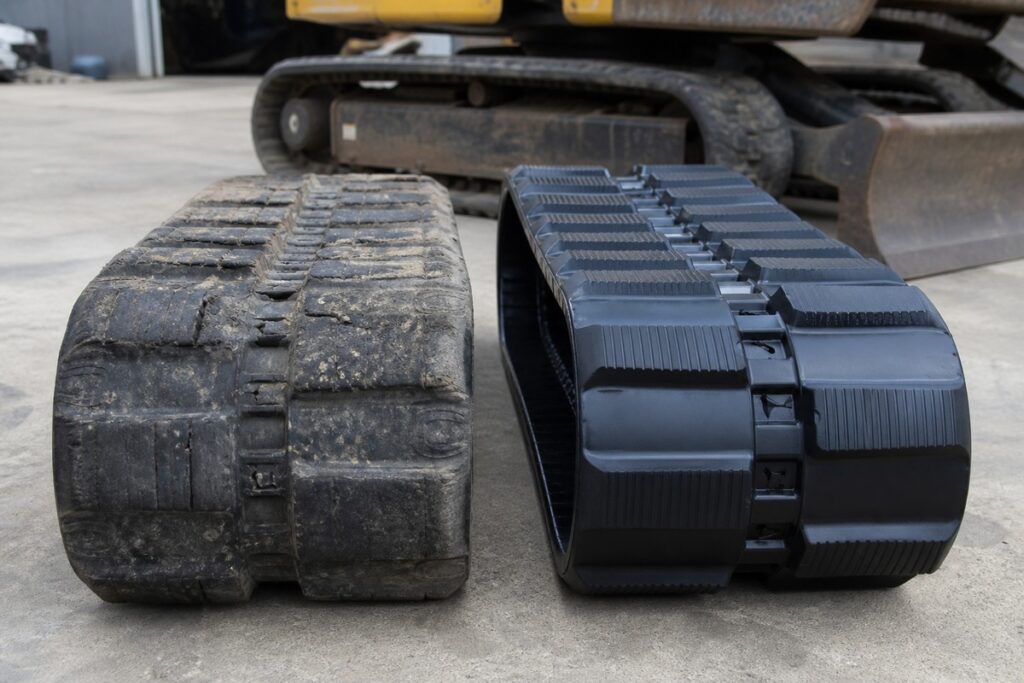
Buyers should check mini excavator rubber tracks before ordering from China by confirming the track size, width, pitch, number of links, inner lug pattern, tread style, sprocket condition, idler condition, roller wear, tensioner condition, application ground and packing method. Rubber tracks can fail early if the size is wrong, the inner lugs do not match, the sprocket is badly worn or the buyer installs new tracks on a damaged undercarriage. PRIMA should keep the quote conditional until the buyer sends old-track photos, size evidence and undercarriage photos.
Rubber track demand is strong in mini excavator and compact equipment clusters, but the risk is also practical: a buyer can receive the right-looking track and still have derailment, rubbing or fast lug damage if the undercarriage is ignored.
This guide supports PRIMA’s excavator undercarriage parts guide and track chain link-count checklist.
Buyer Summary
- Best for buyers replacing rubber tracks on mini excavators, compact excavators or light construction machines.
- Require track size, width, pitch, link count, inner-lug style, tread pattern and old-track photos.
- Check sprocket, idler, bottom rollers and tensioner before installing new tracks.
- Confirm coiled-track packing, straps and deformation protection before export shipment.
Quick answer: what proves a mini excavator rubber track order is safe?
A safe mini excavator rubber track order starts with the old track size and the undercarriage condition. Buyers should send track width, pitch, link count, inner lug pattern, tread pattern, machine model, old-track photos, sprocket teeth, idler, bottom rollers and tensioner condition. PRIMA should check whether the buyer needs one track, a pair, or related undercarriage parts. A new rubber track installed on a worn sprocket or seized roller may derail or wear quickly. Before shipment, the file should show the track coiled correctly, strapped on a pallet and protected from deformation.
Which rubber track measurements should come before price?
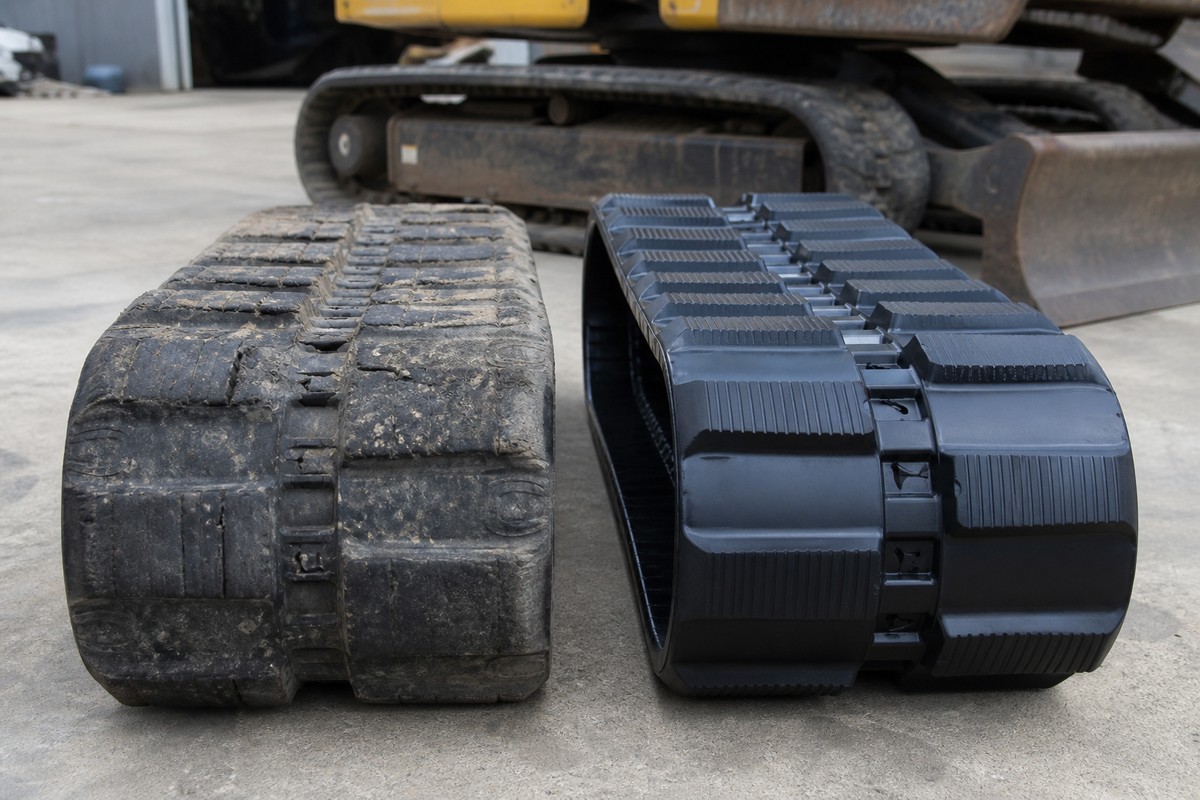
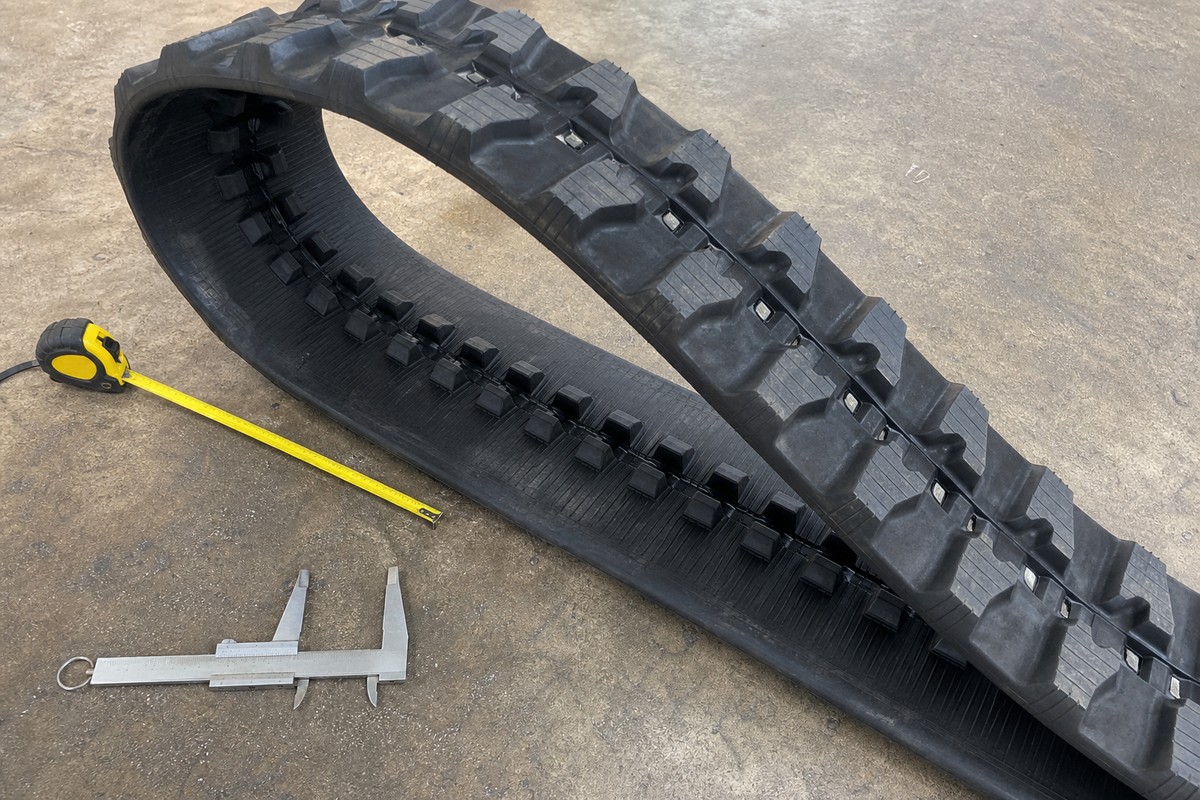
The buyer should locate the old track size or measure width, pitch and link count. When printed size is gone, photos of the old track laid flat, inner lugs and tread pattern help PRIMA compare the replacement.
Machine model is useful but not enough. Many mini excavators have alternative track widths, replacement histories or aftermarket undercarriage parts. The quote should state exactly which evidence controlled the choice.
| Check | Evidence to save | Buyer value |
|---|---|---|
| Track size | Width, pitch and link count | Confirms the basic specification |
| Inner lugs | Guide lug shape and spacing | Confirms sprocket and roller path |
| Tread pattern | Old tread and application ground | Matches jobsite condition |
How should buyers check sprocket, idler and rollers?
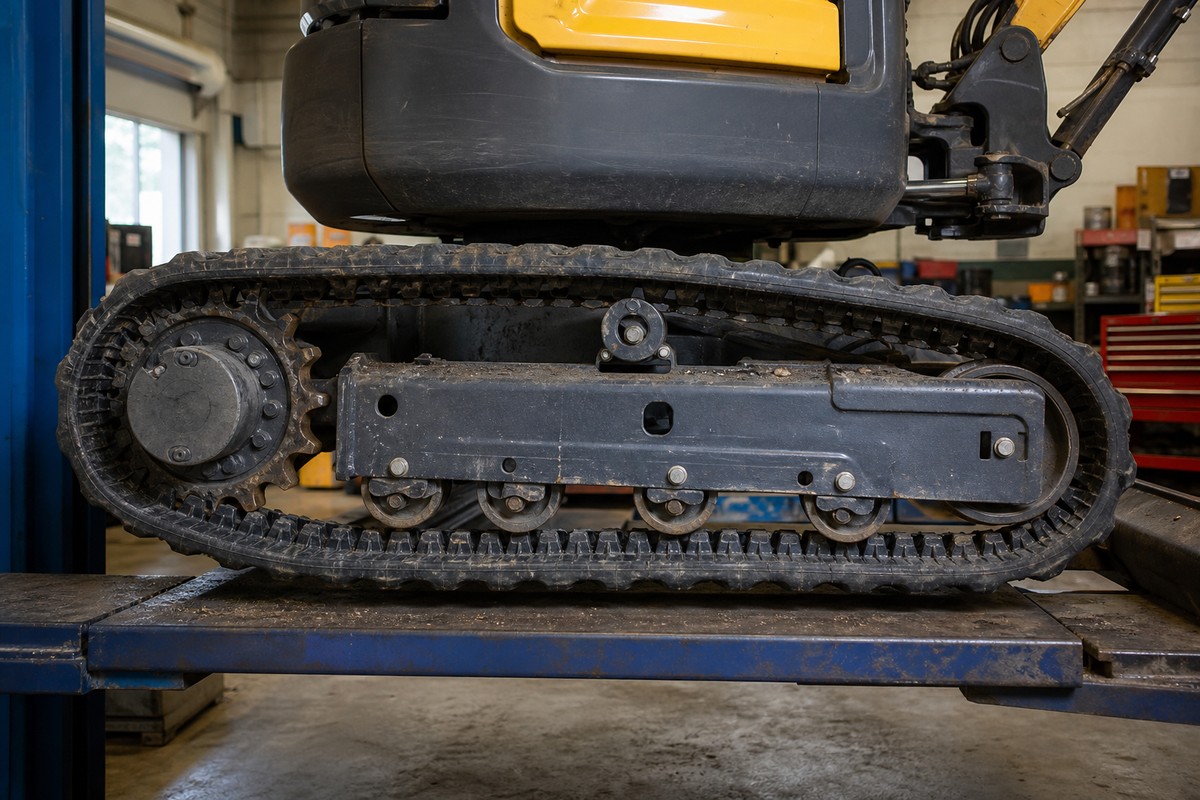
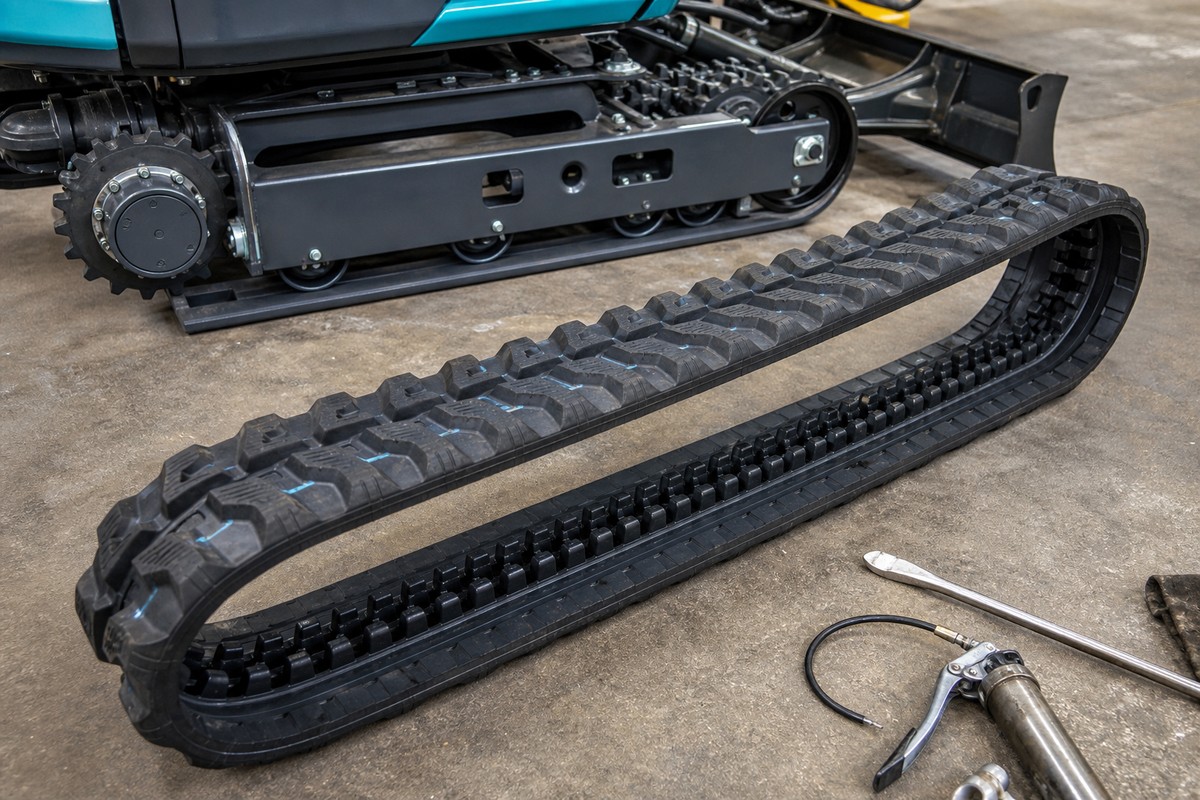
A new track is only one part of the undercarriage. Sharp sprocket teeth, damaged idler surfaces, seized rollers or a weak tensioner can damage a new rubber track quickly. Buyers should send side photos of the complete undercarriage before ordering.
PRIMA should mark the quote boundary clearly. If the buyer chooses track only while other parts are worn, the file should record the risk instead of promising that the track alone will solve running problems.
| Check | Evidence to save | Buyer value |
|---|---|---|
| Sprocket | Teeth profile and engagement with lugs | Prevents lug chewing and derailment |
| Idler and rollers | Wear, cracks, flat spots and seizure notes | Protects new track life |
| Tensioner | Adjustment range and grease-cylinder condition | Prevents loose or over-tight installation |
What application evidence should buyers send?
Rubber tracks work differently on dirt, mud, concrete, demolition debris and rocky ground. Buyers should describe the working surface and whether the machine turns often in tight spaces. That helps PRIMA avoid treating every track pattern as the same.
If the old track failed early, the buyer should send photos of cuts, chunking, lug tearing, edge damage or wire exposure. Those failure signs may point to undercarriage wear, wrong tension or harsh ground rather than track quality alone.
| Check | Evidence to save | Buyer value |
|---|---|---|
| Ground type | Dirt, mud, concrete, rock or demolition notes | Matches tread and buyer expectation |
| Failure marks | Cuts, lug tear, edge wear or wire exposure | Identifies cause of early failure |
| Machine behavior | Derailment, rubbing or vibration notes | Guides wider repair decision |
What packing proof protects rubber tracks?
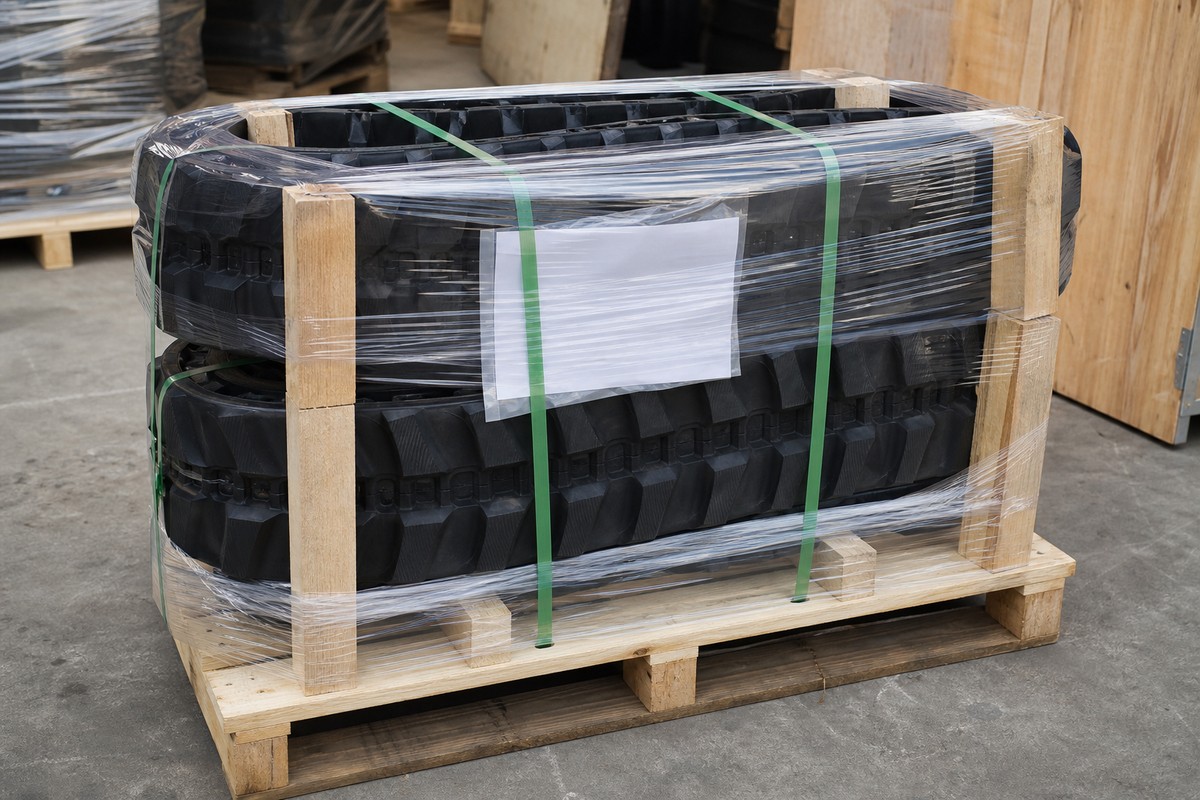
Rubber tracks can be deformed if they are bent sharply, strapped unevenly or stacked badly. Buyers should ask for photos before loading, especially for paired tracks.
The packing evidence should show the tracks coiled correctly, strapped to a pallet, protected from sharp edges and matched to the shipping list. This makes receiving inspection easier and reduces disputes over deformation.
| Check | Evidence to save | Buyer value |
|---|---|---|
| Coiling | Correct coil shape without sharp bends | Prevents deformation |
| Pallet | Straps, wrap and wooden support | Controls transport movement |
| Pair match | Two tracks shown together when ordered as pair | Prevents mixed shipment |
Evidence Table
| Decision point | Evidence PRIMA should save | Risk controlled |
|---|---|---|
| Fitment | Track size, lugs, tread and old-track photos | Wrong rubber track |
| Undercarriage | Sprocket, idler, roller and tensioner condition | Fast wear after installation |
| Export | Coiled tracks, straps, pallet and pair evidence | Deformation or shipment dispute |
Key Facts For PRIMA Buyers
- Rubber track size depends on width, pitch and link count.
- Inner-lug shape must match the sprocket and roller path.
- Worn sprockets, idlers or rollers can destroy a new track quickly.
- Packing should prevent deformation and show pair matching when two tracks are ordered.
Buyer FAQ
Can I order mini excavator rubber tracks by model only?
It is safer to send track size, old-track photos, inner lug pattern and undercarriage photos.
What if the printed track size is gone?
Measure width, pitch and link count, then send photos of the old track and machine undercarriage.
Should I replace sprockets with tracks?
Check sprocket teeth first. If teeth are sharp or badly worn, a new track may wear quickly.
Do tread patterns matter?
Yes. Ground condition and turning habits affect tread choice and expected life.
What packing proof should I request?
Ask for coiled tracks, straps, pallet support and paired-track photos before shipment.
Useful PRIMA Links
- Excavator undercarriage parts guide
- Excavator track shoe and bolt checklist
- Excavator sprocket buyer guide
- Excavator parts supplier guide
Conclusion
Rubber track replacement should be planned as an undercarriage decision, not only a track purchase. Buyers should save size, lug pattern, tread, sprocket, idler, roller, tensioner and packing evidence. PRIMA should record any undercarriage wear risk so a new track is not blamed for an old sprocket or tension problem.