
![[2026] Why African Equipment Dealers Are Switching to Chinese Used Excavators](https://primaexcavator.com/wp-content/uploads/2026/05/prima-62-intro-1024x683.jpg)
Something significant is happening in African equipment distribution that has not received enough attention in industry publications. After years of loyalty to Japanese and American excavator brands, a growing number of African equipment dealers are actively shifting their primary sourcing relationships toward Chinese suppliers. The catalyst is not ideology or trade policy — it is mathematics. When a CAT 320D from your traditional Japanese dealer costs $65,000 and the same machine from a Chinese source costs $25,000, the business case for switching becomes difficult to argue against, regardless of brand preference. We have seen this shift accelerate throughout 2025 and into 2026 from our position at the source market in Baoding, Xuwater Section.
Table of Contents
- The African Infrastructure Boom Is Creating Unprecedented Equipment Demand
- Chinese Used Excavators Offer a Price-to-Quality Ratio African Dealers Cannot Ignore
- How Prima Excavator Sources and Prepares Equipment for African Buyers
- Shipping and Customs: Getting Chinese Excavators into Africa Smoothly
- Conclusion
African equipment dealers are switching to Chinese used excavator suppliers because the price-to-value ratio has become irrefutable. CAT 320D machines sourced from Baoding cost approximately one-third of Japanese dealer pricing, while quality preparation by experienced technicians and formal customs documentation eliminate the risks traditionally associated with informal sourcing channels.
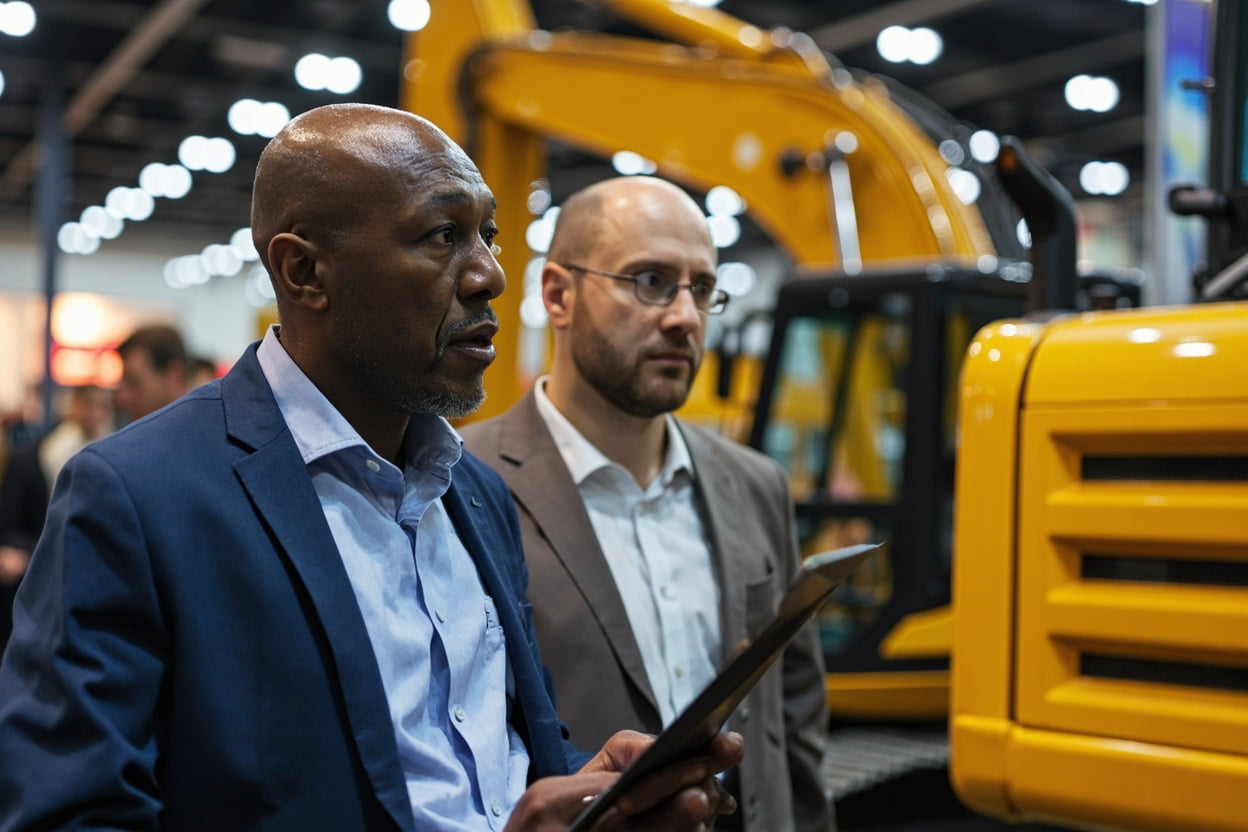
Here is what is actually driving this distribution shift, how African buyers are managing the transition, and what it means for the future competitive landscape of construction equipment supply in Africa.
The African Infrastructure Boom Is Creating Unprecedented Equipment Demand
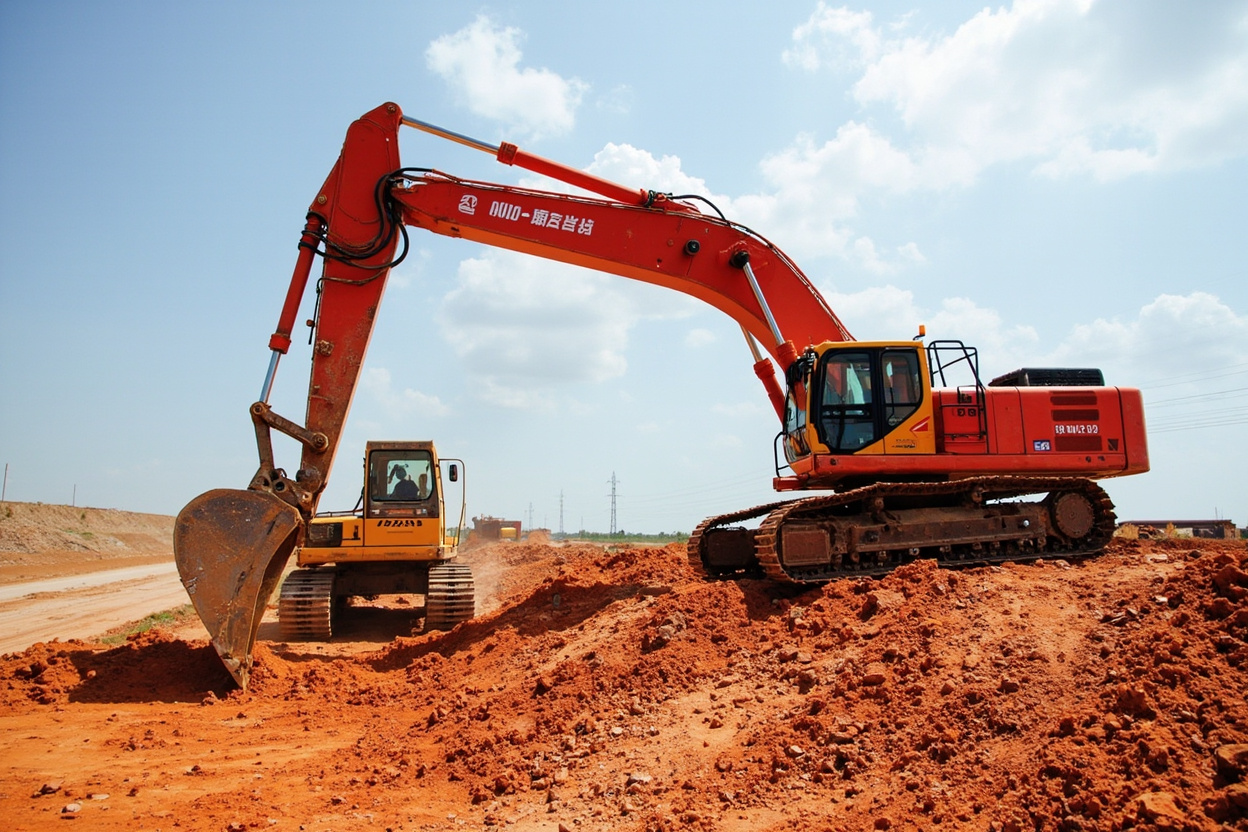
The scale of planned infrastructure development across Africa is staggering by any measure. The African Development Bank estimates that Africa requires $130-170 billion annually in infrastructure investment to meet its development targets, with roads, railways, mining access, and power generation forming the largest categories. These are excavator-intensive project types — machines that dig, load, and handle material continuously for years at a time. The volume of equipment required vastly exceeds what new machine procurement budgets can accommodate, making used equipment the practical choice for most projects and operators.
Africa’s infrastructure gap creates demand for thousands of heavy equipment units that budget constraints force to be sourced from used markets. Chinese suppliers operating from Baoding’s concentrated inventory can fulfill orders of multiple units within weeks — a speed and volume combination that traditional dealer networks cannot match when serving African buyers.
Why Used Equipment Makes Sense for African Operating Conditions
New excavators purchased at premium brand pricing carry a significant disadvantage in African operating conditions: the cost of unexpected breakdowns in remote project locations, far from authorized service technicians, can quickly exceed any perceived quality premium. Our approach — pre-shipment inspection and servicing by technicians with over a decade of experience — produces machines that perform predictably in remote conditions, reducing the risk of project delays from equipment failures that authorized dealer networks would charge significant premiums to address.
Chinese Used Excavators Offer a Price-to-Quality Ratio African Dealers Cannot Ignore
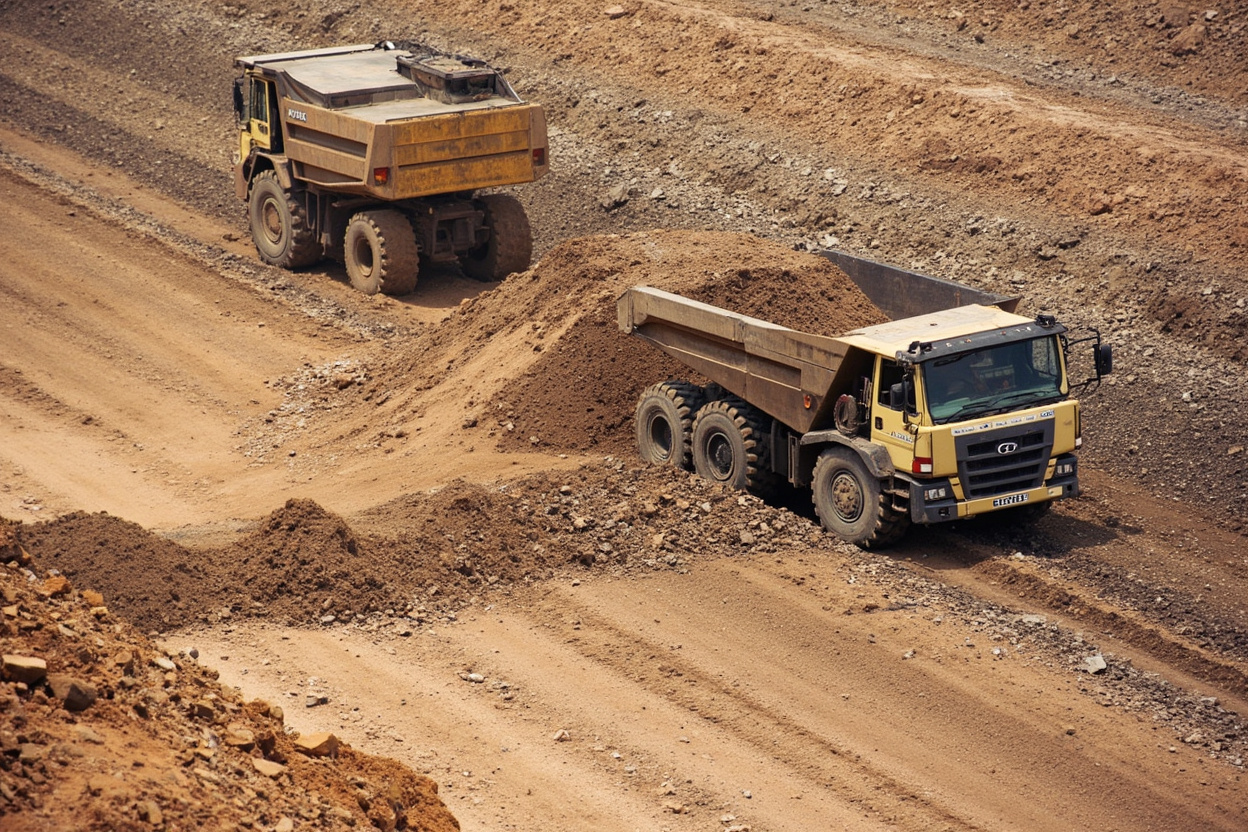
The core of the sourcing shift is straightforward economics. An African equipment dealer stocking three CAT 320D units for rental fleet faces a $195,000 capital requirement sourcing from Japan versus $75,000 sourcing from Baoding. At typical rental rates of $8,000-$12,000 per machine per month, the capital freed by Chinese sourcing — $120,000 across three units — can finance additional fleet expansion or reduce financing costs substantially. The competitive implications are profound: dealers sourcing from China can undercut competitors relying on traditional channels while improving margins simultaneously.
The arithmetic is compelling regardless of brand preference: three CAT 320D units from Baoding cost $75,000 versus $195,000 from Japanese dealer networks — freeing $120,000 in capital that African dealers can redeploy into fleet expansion or operational improvements.
Breaking the Brand Loyalty Barrier
The most significant initial obstacle when African dealers consider switching to Chinese sourcing is often not price — it is the perception that Chinese-sourced equipment carries hidden quality risks. Our response is simple: we invite buyers to inspect machines personally or through a designated representative before shipment, and we share detailed condition reports with photographs and video of machines under power. This transparency has proven more effective at overcoming skepticism than any sales argument we could make. Once a dealer receives their first shipment and sees the quality of preparation, the repeat order rate speaks for itself.
How Prima Excavator Sources and Prepares Equipment for African Buyers
Our sourcing model is deliberately different from simple reselling. We operate from the Baoding, Xuwater Section market — the largest used heavy equipment concentration in Asia — which gives us access to thousands of machines across all major brands. But access alone does not guarantee quality. Every machine we prepare for African export undergoes a structured preparation process managed by our technician supervisor with over a decade of CAT and Komatsu experience. This preparation — not merely resale of as-acquired machines — is what allows us to stand behind the equipment we sell with confidence.
We maintain inventory of 2018-2025 model year excavators with under 5,000 hours, sourced directly from the Baoding market. Our technician team — overseen by a supervisor with more than 10 years of heavy equipment repair experience — performs inspection, servicing, and road-testing on every export unit before shipping. This preparation process is the key differentiator between us and brokers who simply resell machines without service intervention.
The Preparation Process in Detail
The preparation sequence covers eight inspection areas: hydraulic pump performance and leakage check, engine compression and oil consumption test, undercarriage sprocket, idler, and chain wear measurement, final drive housing temperature monitoring under load, bucket linkage pin and bushing wear inspection, electrical system diagnostic scan, air conditioning system functional test, and cab operator station condition assessment. Any item outside acceptable tolerances is serviced before shipping. Machines that cannot be brought to standard are not offered for export — a filtering step that significantly reduces buyer-side surprises.
Shipping and Customs: Getting Chinese Excavators into Africa Smoothly
The logistics of moving heavy equipment from China to Africa have matured significantly. We work with established freight forwarders who specialize in construction equipment shipments to African ports — covering routes to Durban, Lagos, Mombasa, Dakar, and other major entry points with regular sailings and competitive rates. The shipping time from Chinese ports to major African destinations typically runs 25 to 35 days depending on routing, with container shipping providing protection against salt air and weather exposure during transit.
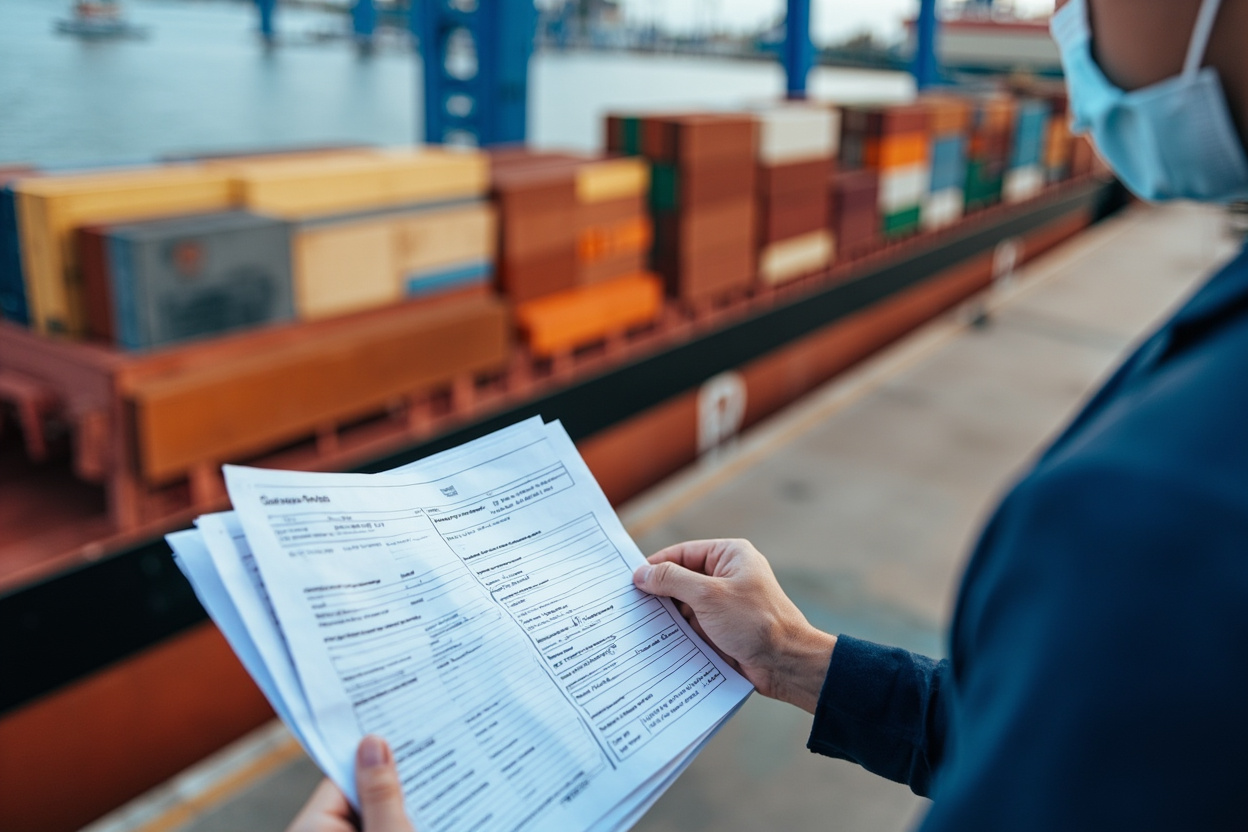
We handle full formal export customs documentation through official Chinese government channels, including commercial invoices, export licenses, and inspection certificates recognized by African customs authorities. Payments are made into verified Chinese domestic bank accounts subject to regulatory oversight — not through informal offshore arrangements. This formal documentation protects buyers from the customs seizure and clearance delays that sometimes affect equipment imported through informal channels.
The Role of Chinese Export Credit Agencies
Chinese export credit agencies provide financing support for equipment purchases by international buyers, often at competitive rates compared to traditional commercial financing. Understanding how export credit mechanisms facilitate international equipment trade is valuable context for African dealers evaluating financing options.
The Role of Chinese Export Credit Agencies
Chinese export credit agencies provide financing support for equipment purchases by international buyers, often at competitive rates compared to traditional commercial financing. Understanding how export credit mechanisms facilitate international equipment trade is valuable context for African dealers evaluating financing options.
The Belt and Road Initiative has accelerated infrastructure development across Africa and Southeast Asia, increasing demand for affordable construction equipment.
African customs regulations and import duty structures for heavy equipment vary significantly by country, affecting the total landed cost of imported excavators.
Conclusion
The shift by African equipment dealers toward Chinese used excavator sourcing is not a temporary market fluctuation — it reflects a structural realignment based on compelling economics. Price advantages of 40-60%, quality preparation by experienced technicians, and formal customs documentation remove the historical barriers that made African buyers hesitant about non-traditional sourcing channels. As more dealers experience the Chinese sourcing model firsthand, the transition is likely to accelerate rather than reverse.
| 1 | Sub-Saharan African infrastructure investment requirements are estimated at $130-170 billion annually, creating sustained demand for affordable construction equipment across road, rail, and mining project categories. Learn about Africa’s infrastructure development challenges and investment needs. ↑ |
| 2 | The Belt and Road Initiative has accelerated infrastructure connectivity projects across Africa, increasing the operational demand for construction equipment in regions previously underserved by modern machinery. Understand how BRI projects in Africa drive equipment demand and trade corridors. ↑ |