
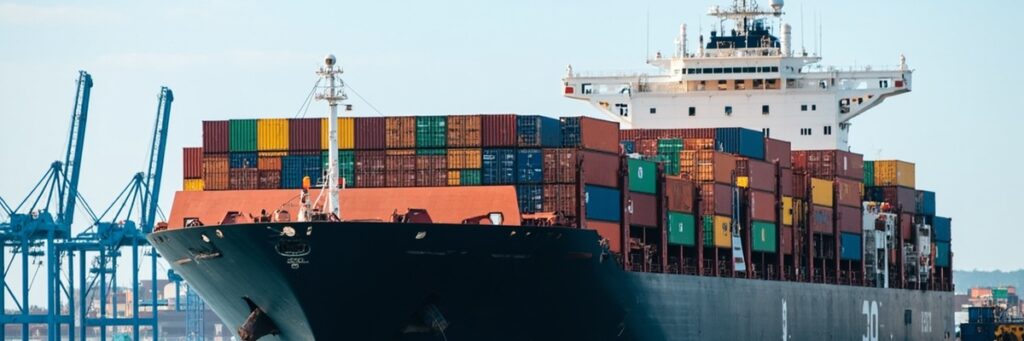
China’s construction machinery exports surged 33.4% year-on-year to $10.686 billion in early 2026, with excavator exports reaching 10,471 units in February alone. The Belt and Road Initiative continues driving unprecedented demand for Chinese excavators across Africa, Southeast Asia, and the Middle East.
China Excavator Export Growth in 2026
China’s construction machinery export sector has achieved remarkable growth in 2026, with total exports reaching unprecedented levels in Q1. The 33.4% increase year-on-year demonstrates the strong competitive position of Chinese manufacturers in global markets. Excavator exports specifically maintained strong overseas growth momentum, with February 2026 sales reaching 10,471 units—a 0.2% year-on-year increase continuing the positive trend.
High-end and electric models are driving much of this growth, with exports to African markets increasing 77% according to trade data. Chinese manufacturers have made significant advances in technology and quality, allowing them to compete effectively against established Japanese and American brands in international markets.
Belt and Road Initiative Impact on Excavator Demand
The Belt and Road Initiative (BRI) continues to be a major catalyst for construction equipment demand across participating nations. Major infrastructure projects set to reshape global trade routes in 2026 include the Simandou Trans-Guinean Railway in Guinea, which aims to unlock iron ore reserves by linking them to Atlantic export infrastructure. The US-backed Liberty Corridor project and various transcontinental bioceanic corridors are also creating substantial demand for heavy equipment.
Key BRI-connected projects driving excavator demand include the China-Kyrgyzstan-Uzbekistan Railway, the Lobito Corridor in Africa, and the GCC Unified Rail Network. These large-scale infrastructure developments require extensive earthmoving equipment, creating sustained demand for excavators from Chinese manufacturers who maintain strong supply relationships with BRI project contractors.
Key Market Opportunities for Exporters
Southeast Asia, Africa, and the Middle East represent the strongest growth markets for Chinese excavator exports. African markets have shown particularly robust demand increases, driven by infrastructure development and mining operations supported by BRI financing. The Middle East construction equipment market is also expanding, with countries investing heavily in transportation and urban infrastructure.
For buyers looking to source excavators for BRI projects, the complete guide to buying used excavators from China offers comprehensive procurement strategies and quality verification methods.
FAQ
How much have Chinese excavator exports grown in 2026?
Chinese construction machinery exports grew 33.4% year-on-year in early 2026, reaching $10.686 billion in January-February. Excavator exports specifically reached 10,471 units in February 2026, a 0.2% year-on-year increase continuing the strong overseas growth trend.
Which regions are driving demand for Chinese excavators?
Africa, Southeast Asia, and the Middle East are the primary growth drivers. Exports to African markets increased 77%, with particularly strong demand from countries involved in Belt and Road Initiative infrastructure projects.
What types of Chinese excavators are most popular for export?
High-end and electric models are increasingly popular, but standard hydraulic excavators in the 20-50 ton range remain the backbone of exports. SANY and XCMG dominate in the mid-range market, while premium manufacturers compete in higher-specification segments.
How do Chinese excavators compare to Japanese brands for export projects?
The honest comparison guide provides detailed analysis of quality, pricing, and performance differences between Chinese and Japanese excavator brands for international buyers.
Conclusion
China’s excavator export sector is experiencing exceptional growth in 2026, driven by Belt and Road Initiative infrastructure projects and improving product quality. Buyers sourcing equipment for international projects should consider Chinese manufacturers’ competitive pricing, expanding global dealer networks, and strong performance in emerging markets. The 33.4% export growth rate demonstrates the sector’s momentum and the international community’s growing acceptance of Chinese construction equipment quality.