
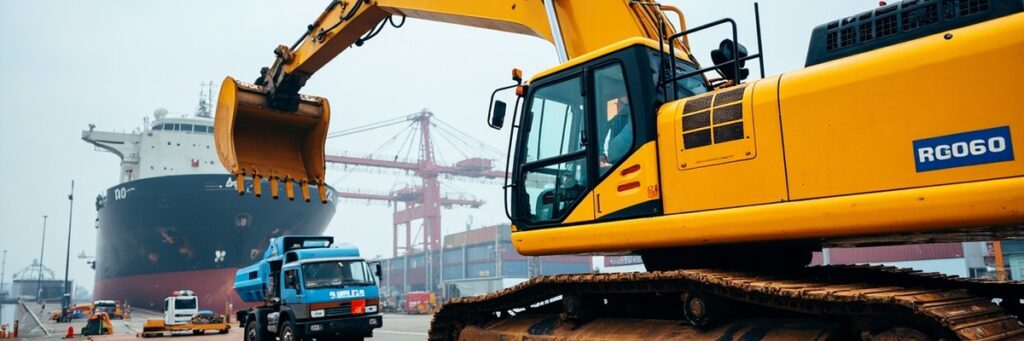
Shipping an excavator from China to international markets requires careful logistics planning, whether you are a distributor supplying African mining projects, a contractor importing equipment for a Latin American construction site, or a fleet operator expanding into new regions. The choice between container shipping and Roll-on/Roll-off (RORO) vessels is one of the most consequential decisions in the procurement process, directly affecting cost, transit time, machine condition, and compliance with import regulations at the destination port.
This guide explains the key differences between shipping methods, provides cost benchmarks for 2026, and offers practical advice for buyers navigating the complexities of international excavator logistics. Understanding these logistics fundamentals is essential for any buyer seeking to source excavators for sale from China in a cost-effective and reliable manner.
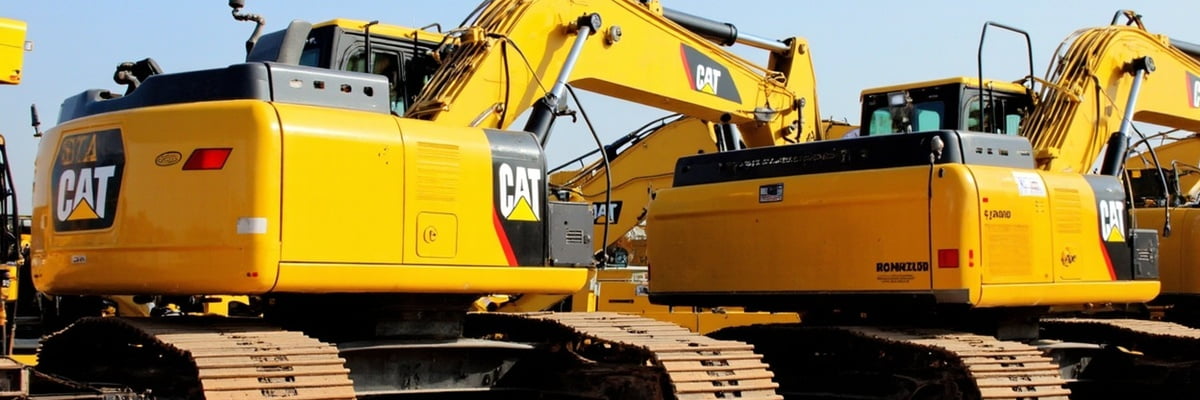
Container Shipping vs RORO: Which Is Right for Your Excavator?
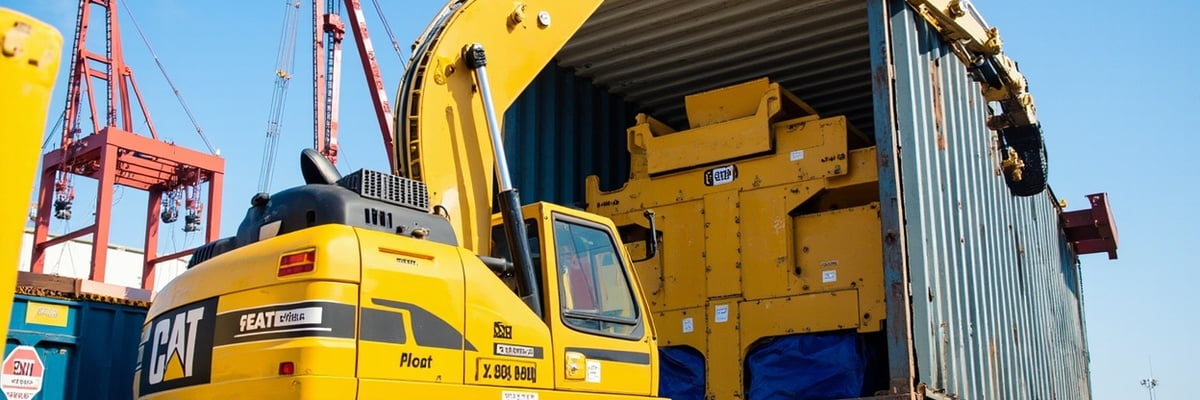
Container Shipping: Excavators that fit inside a 20-foot or 40-foot high-cube container can be secured and protected from seawater and cargo handling damage. Container shipping is typically preferred for mini excavators (under 15 tons) and for shipments where machine condition is paramount. Container vessels also offer more frequent sailings to major ports globally.
According to Gerudo Logistics, mini excavators are commonly shipped from China in 20-foot containers, with careful securing using chains and wooden blocking to prevent movement during transit. Container shipping provides the advantage of door-to-door service potential, where the container can be trucked directly from the supplier’s facility to the port.
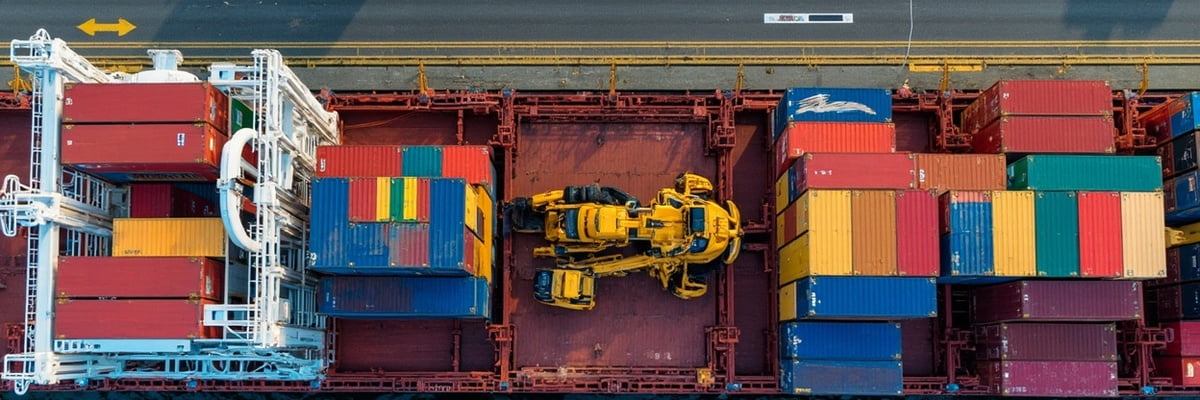
trong>RORO (Roll-on/Roll-off) Shipping: Larger excavators that exceed container weight or dimensional limits are ideal candidates for RORO shipping. RORO vessels are designed specifically for wheeled and tracked vehicles that can be driven on and off the ship. Tonlexing notes that RORO is commonly used for excavators and bulldozers from China, particularly for oversized or overweight machines that would require expensive container accommodation.
RORO is generally more cost-effective than container shipping for large machines, but it exposes the equipment to greater risk from seawater and cargo handling. Experienced RORO shippers use specialized lashing and blocking techniques to secure excavators on the vessel’s deck or in the hold.
Typical Shipping Costs from China in 2026
Shipping costs from China vary significantly based on the destination region, vessel availability, fuel surcharges, and seasonal demand. For a standard 21-ton excavator, RORO shipping to West African ports typically ranges from USD 3,000 to USD 6,000 depending on the port of origin in China and the destination. Container shipping for machines that fit in a 20-foot container generally costs between USD 2,500 and USD 5,000 to major African ports.
For Latin American destinations, transit times are longer, typically ranging from 35 to 50 days to ports in Chile, Peru, or Brazil. Shipping costs to South American ports for a RORO shipment generally range from USD 4,000 to USD 8,000 for standard-size excavators.
Documentation Requirements for Excavator Exports from China
Exporting excavators from China requires a specific set of documents that must be prepared accurately to avoid customs delays at both the origin and destination. Essential documents include the bill of lading, commercial invoice, packing list, certificate of origin, export declaration from Chinese customs, and equipment specifications including the machine’s serial number and hour meter reading.
According to MotenDo’s import guide, buyers should ensure their supplier provides a pre-shipment inspection report that documents the machine’s current condition, any existing damage, and verification of engine hours. This documentation is critical for insurance claims, customs clearance, and resolving any disputes after delivery.
Tips for Reducing Excavator Shipping Costs
Consolidating multiple machines in a single container or RORO shipment is one of the most effective ways to reduce per-unit shipping costs. Many exporters offer consolidated shipping services where multiple buyer orders are combined into a single shipment, spreading the base ocean freight across more machines.
Booking shipments during off-peak seasons—when construction activity slows in the Northern Hemisphere—can also yield meaningful savings, as ocean carriers reduce rates when demand softens. Buyers who plan purchases 60 to 90 days in advance typically have more flexibility to optimize shipping timing and cost.
How long does it take to ship an excavator from China to Africa?
Transit time from major Chinese ports (Shanghai, Tianjin, Qingdao) to West African ports typically ranges from 25 to 35 days. To East African ports, transit time is generally 30 to 40 days. South American destinations require 35 to 50 days depending on the specific route.
What is the difference between FOB and CIF shipping terms?
FOB (Free on Board) means the seller delivers the machine to the port of shipment and the buyer bears all costs and risks from that point. CIF (Cost, Insurance and Freight) means the seller covers the cost of shipping and insurance to the destination port. CIF is generally preferable for buyers who want the supplier to manage the logistics chain.
Do I need special permits to import excavators into my country?
Import permit requirements vary significantly by country and machine age. Many African countries require import permits for used heavy equipment, and some impose age restrictions on imported excavators (typically maximum 8-10 years old). Buyers should verify specific requirements with their country’s import regulations before purchasing.
Related Articles: Used Excavator Market Africa 2026 | Excavator Financing for Emerging Markets Guide | Excavator Spare Parts from China Guide