
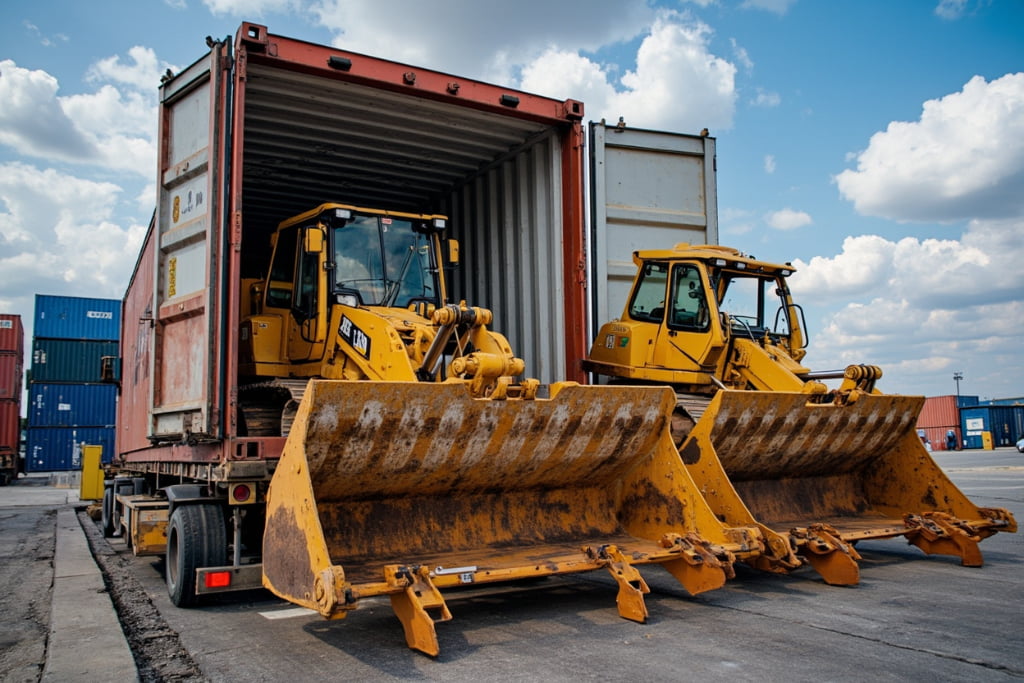
Africa’s mining sector imported more than $4.2 billion in heavy equipment in the first quarter of 2026, with used excavators accounting for nearly 40% of that volume. Dealers across West Africa are increasingly turning to Chinese suppliers to fill the gap left by high OEM prices.
Table of Contents
Buying used excavators from China in 2026 makes more financial sense than ever—here is why operators across Africa and Latin America are shifting their sourcing strategies, and what it means for equipment dealers who act now.
In this guide, I will walk you through the current state of China’s used excavator export market in 2026, the key factors driving demand in Africa and Latin America, and how dealers can source reliably without falling into the traps that catch first-time buyers.
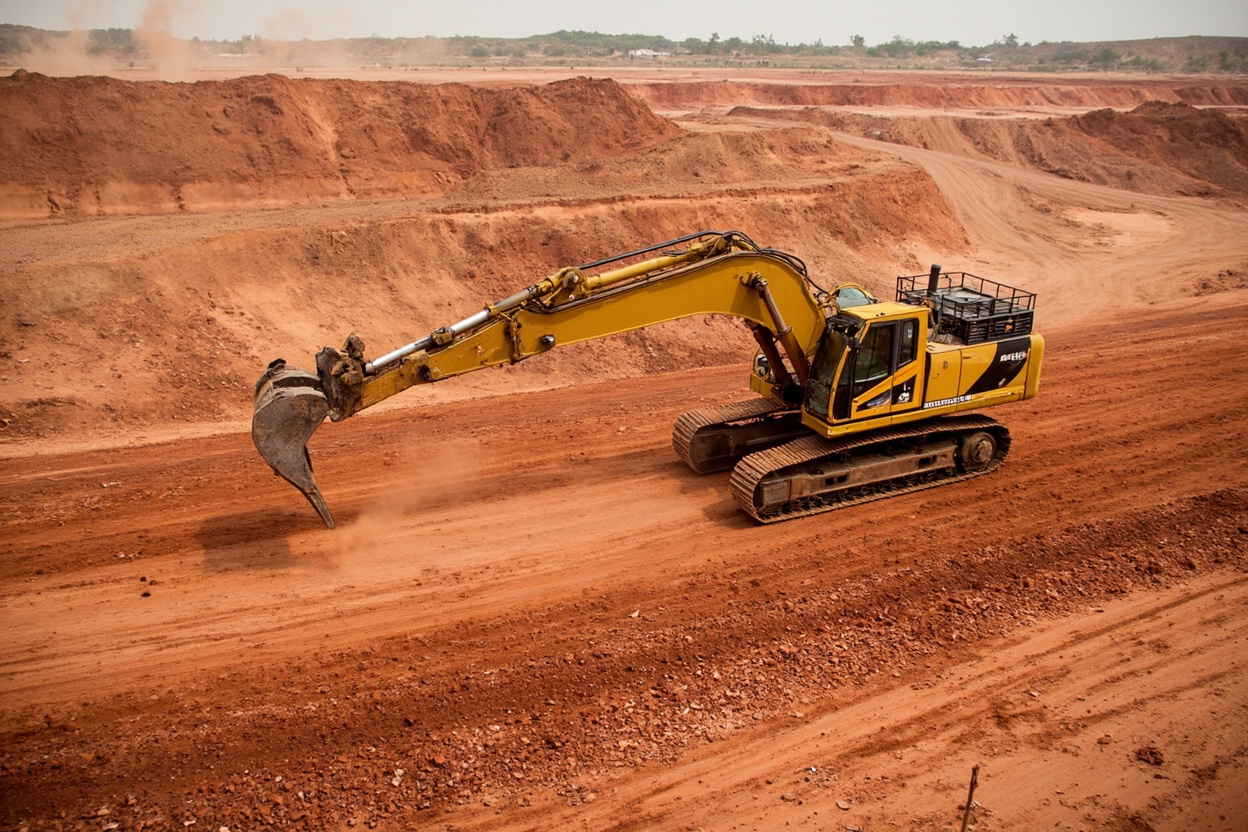
The $20,000 Price Gap Driving Africa’s Shift to Chinese Excavators
You have been buying from traditional suppliers for years. Prices have gone up 20% since 2023, and delivery times stretch to four months or more. Meanwhile, your customers in Ghana, Zambia, and Tanzania are asking about alternatives.
Chinese used excavator suppliers now offer CAT 320D units in the $22,000 to $28,000 range—half the price of equivalent units from European distributors—with delivery times of 25 to 30 days to major African ports. For dealers managing margins in tough markets, this price-quality equation is getting harder to ignore.
Price Comparison: Chinese Suppliers vs. Traditional OEM Channels
For a typical mining operator buying a CAT 320D with 3,000 to 4,000 operating hours, the price difference between sourcing from a European dealer and a Chinese supplier like Prima Excavator is substantial. European distributors typically price these units between $45,000 and $55,000, while Chinese suppliers operate in the $22,000 to $30,000 range. International trade economics1 suggest this gap has widened since 2024 due to currency fluctuations and shipping cost increases affecting traditional routes.
Delivery Times: China Direct vs. Via Middlemen
When you buy through a middleman in Dubai or Europe, you add 15 to 20 days to your lead time and pay a markup that can reach 30%. Sourcing directly from suppliers in China’s Hebei province—specifically the Baoding Xushui market—cuts out those middle layers entirely. Our experience shipping to Dar es Salaam, Lagos, and Luanda shows that freight forwarding2 arrangements from Chinese ports reduce total lead time to under 30 days for most African destinations.
What Dealers Need to Know About Quality When Buying from China
You have heard the horror stories. Machines that arrive with hidden hour meter fraud, parts swapped out, or corrosion damage that was painted over. These are real risks in any used equipment market, including China. But they are manageable with the right inspection process.
The key to buying used excavators from China with confidence comes down to three things: independent inspection before shipment, clear documentation of operating hours and maintenance history, and working with suppliers who have an actual physical yard—not just a trading company website. Our 10-year track record in Baoding Xushui has taught us exactly what to look for, and we share that knowledge with every dealer we work with.
The Inspection Checklist Every Buyer Should Require
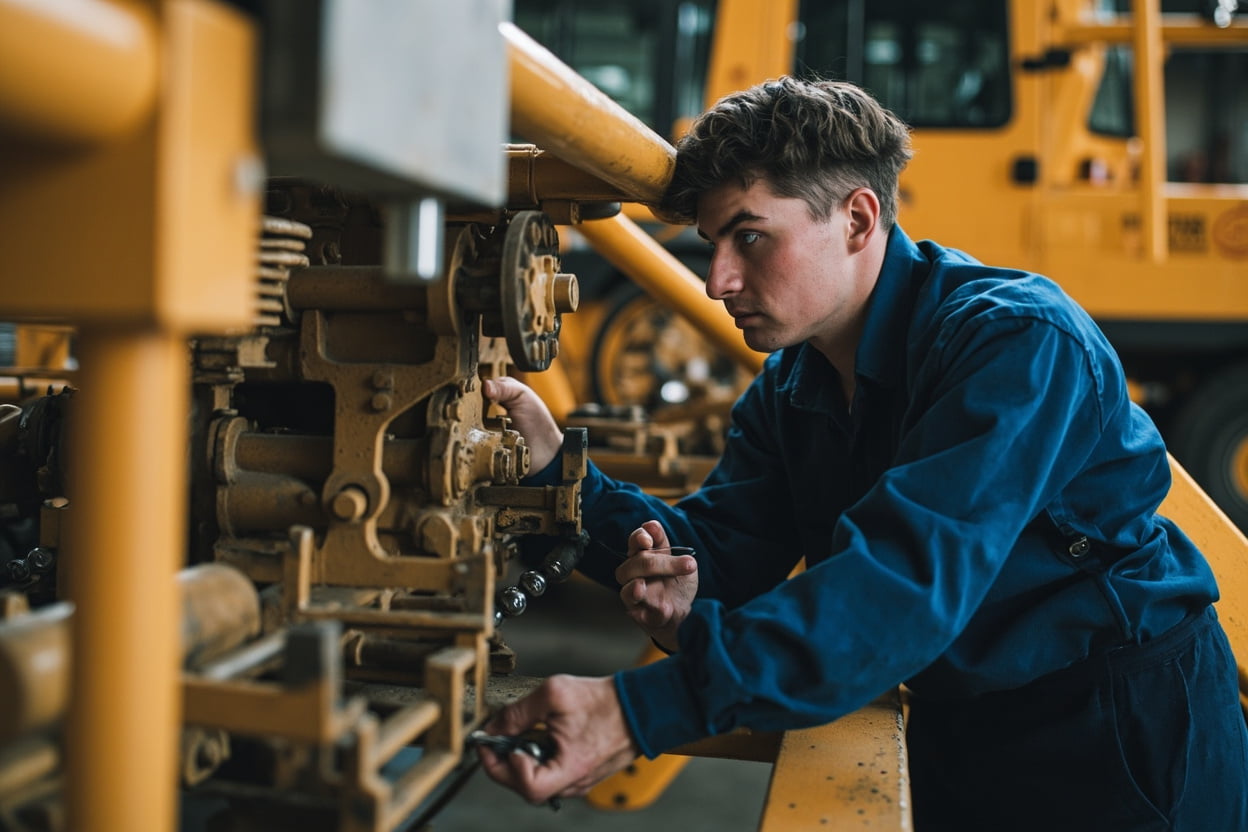
Before any machine leaves our yard, we run it through a 27-point inspection that covers hydraulic system pressure, hour meter accuracy verification against service records, undercarriage wear measurement, engine compression tests, and electrical system diagnostics. Construction equipment evaluation standards3 set by international graders give buyers a common language to assess condition—requesting a grade report from an independent inspector is the single most effective way to protect yourself.
Documentation That Matters
Operating hours are only as reliable as their documentation. We provide original service logs, import records for machines that have worked in Chinese domestic projects, and photographs of the hour meter at time of inspection. For units exported from China, customs clearance paperwork provides a secondary verification trail. We have seen cases where hour meters were rolled back by as much as 2,000 hours—the only protection is demanding documentation and walking the machine yourself or hiring a local inspector.
How to Navigate Shipping and Customs When Importing Used Excavators from China
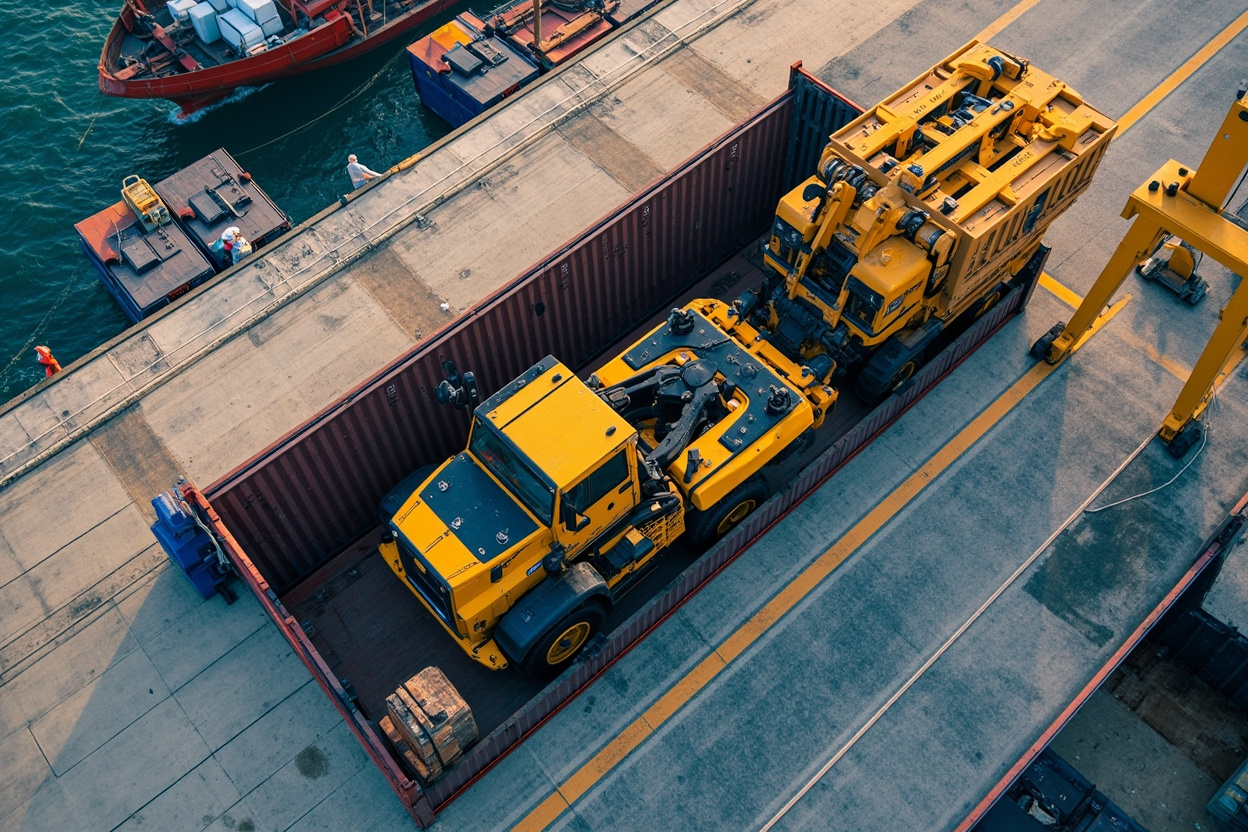
Shipping a 25-ton excavator from China to Africa is not simple, but it is straightforward if you work with suppliers who understand the process. The paperwork is where most first-time buyers get caught.
Prima Excavator handles full export documentation for every shipment—customs declarations, packing lists, Bill of Lading, and Certificate of Origin included. We do not use freight forwarding intermediaries who add hidden fees. Your machine ships with complete formal export documentation, which means no risk of customs seizure at the destination port.
Risks of Using Freight Brokers Who Skip Customs Documentation
Some freight brokers offer to handle customs on your behalf using blanket declarations—treating multiple machines as a single shipment to reduce paperwork. This practice, known as using “blanket clearance” or “blanket clearance,” is common in the industry and carries serious legal risk. At the destination port, customs authorities in most African countries can seize equipment that arrives with incomplete or misleading documentation. Customs declaration requirements4 for used heavy equipment vary by country—requesting full formal export customs documentation protects your investment.
Shipping Routes and Lead Times to African Markets
| Destination Region | Major Port | Est. Transit Time | Shipping Type |
|---|---|---|---|
| West Africa | Lagos (Nigeria), Tema (Ghana) | 25-30 days | RORO preferred |
| Southern Africa | Durban (SA), Walvis Bay (Namibia) | 30-35 days | RORO or container |
| East Africa | Dar es Salaam (TZ), Mombasa (Kenya) | 20-28 days | RORO preferred |
| North Africa | Algiers, Casablanca | 35-40 days | Container |
Why the Used Excavator Market in Africa Keeps Growing
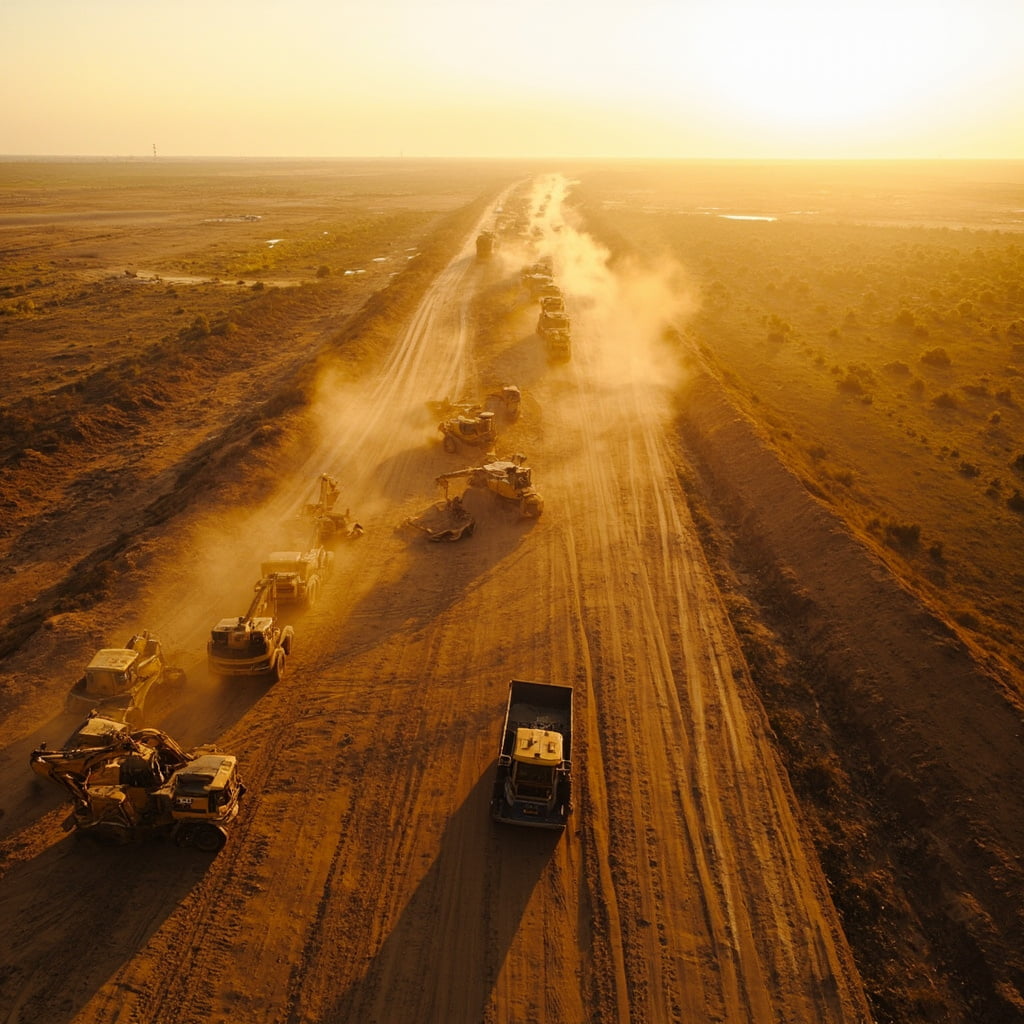
The numbers tell the story better than I can. Africa’s infrastructure investment hit record levels in 2025, with the African Development Bank committing $163 billion to transportation, energy, and mining projects across 40 countries. Zambia alone added 340 kilometers of new mining roads in the first quarter of 2026. Every road needs an excavator. Every excavator eventually needs replacing. That is where Chinese used equipment becomes the obvious answer for dealers who cannot afford the 18-month wait for a new machine from Europe or Japan.
Conclusion
The opportunity for African equipment dealers in 2026 is clear: Chinese used excavators offer the right balance of price, quality, and availability. Reach out to Prima Excavator5 to discuss your sourcing needs and get a quote for your next container.
References:
| 1 | Trade economics and currency factors affect the relative pricing of heavy equipment across different supplier regions. International trade dynamics affecting equipment pricing. ↑ |
| 2 | Freight forwarding arrangements from Chinese ports to African destinations have standardized through major shipping lines. Freight forwarding logistics for heavy equipment. ↑ |
| 3 | International equipment grading standards provide a common framework for assessing used construction machinery condition. Equipment evaluation and grading standards. ↑ |
| 4 | Customs declaration requirements for used heavy equipment vary by country and carry legal consequences for misdeclaration. Customs declaration requirements for industrial equipment. ↑ |
| 5 | Prima Excavator specializes in sourcing and exporting used excavators from Baoding, Hebei Province to dealers across Africa and Latin America. Prima Excavator official website. ↑ |