
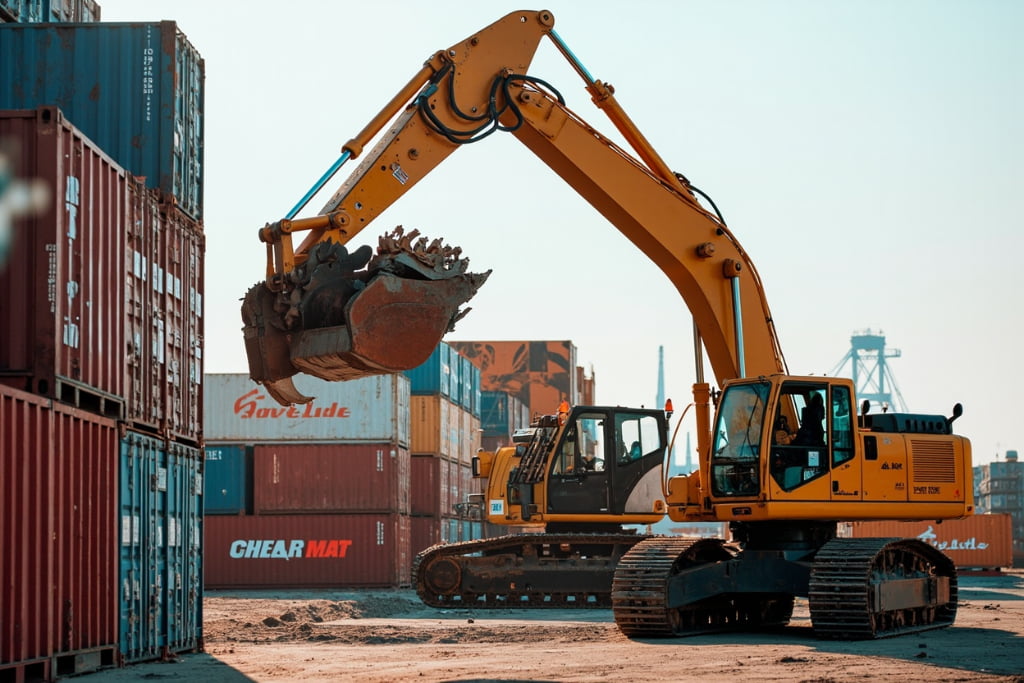
China’s construction machinery exports reached new heights in Q1 2026, with total export volume surpassing $12.8 billion — a 9.3% increase year-over-year driven primarily by surging demand from Africa, Southeast Asia, and Latin America. Excavators, wheel loaders, and cranes led the growth categories, reflecting massive infrastructure investment across developing markets. From our vantage point at the source in Baoding, Xuwater Section — China’s largest used equipment market — the surge in foreign buyer inquiries has been unmistakable since January.
Table of Contents
China’s Q1 2026 construction machinery exports hit $12.8 billion, up 9.3% year-over-year. Africa and Southeast Asia account for the largest share of growth, with used excavators from Chinese dealers now priced at roughly one-third of equivalent equipment from established international brands.
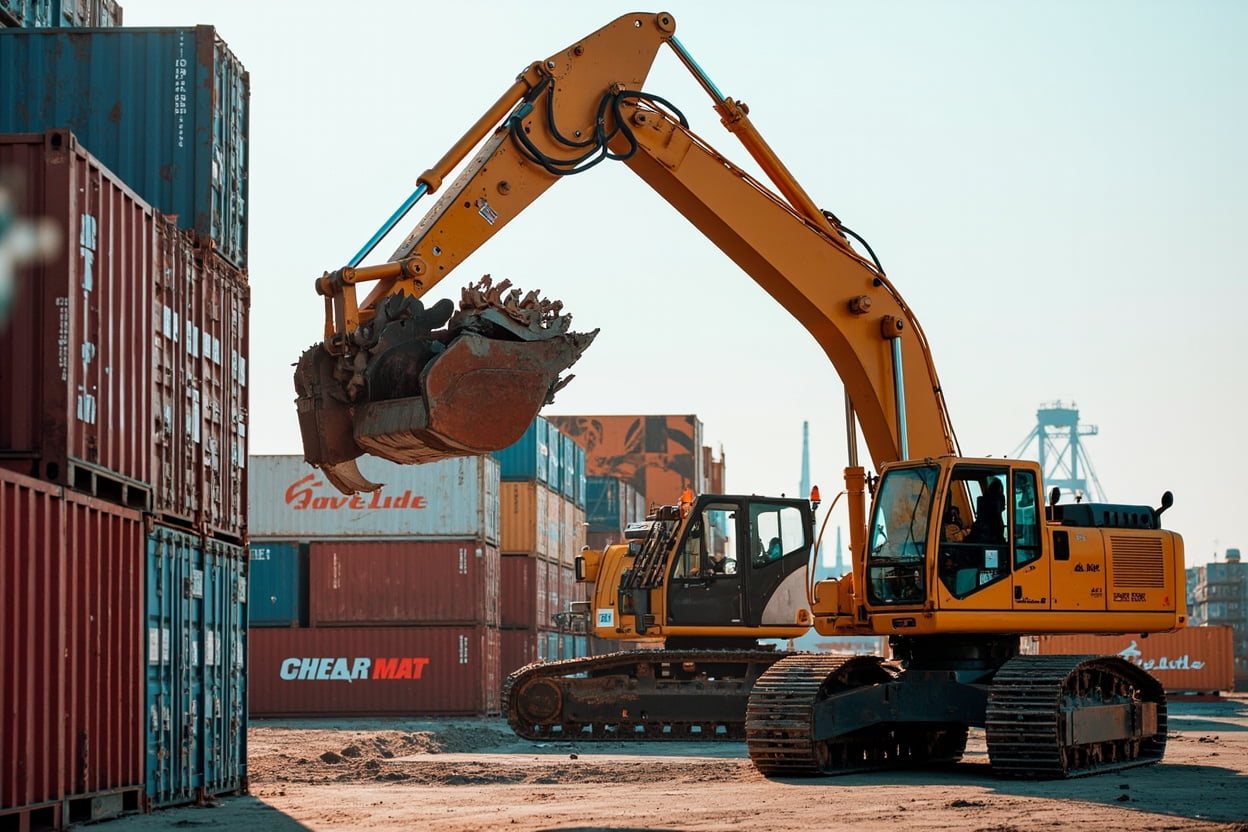
Here is what the Q1 data reveals about the current state of the used excavator export market from China and what it means for buyers in Africa and beyond.
The Q1 2026 Export Numbers Tell a Clear Story
The headline number — $12.8 billion in total construction machinery exports — is impressive on its own, but the breakdown reveals the most significant trend. Excavators accounted for approximately $4.2 billion of that total, with used units representing a growing percentage as new machine lead times stretched due to component demand. African markets absorbed roughly 23% of China’s total excavator exports by volume, up from 18% in the same period last year.
The data points to a structural shift: African and Southeast Asian buyers are not just increasing volumes — they are actively choosing Chinese used excavators as their primary sourcing channel, bypassing traditional dealer networks in Japan and Europe that charge 40-60% more for comparable age and hour machines.
The Price Gap That Is Reshaping Sourcing Decisions
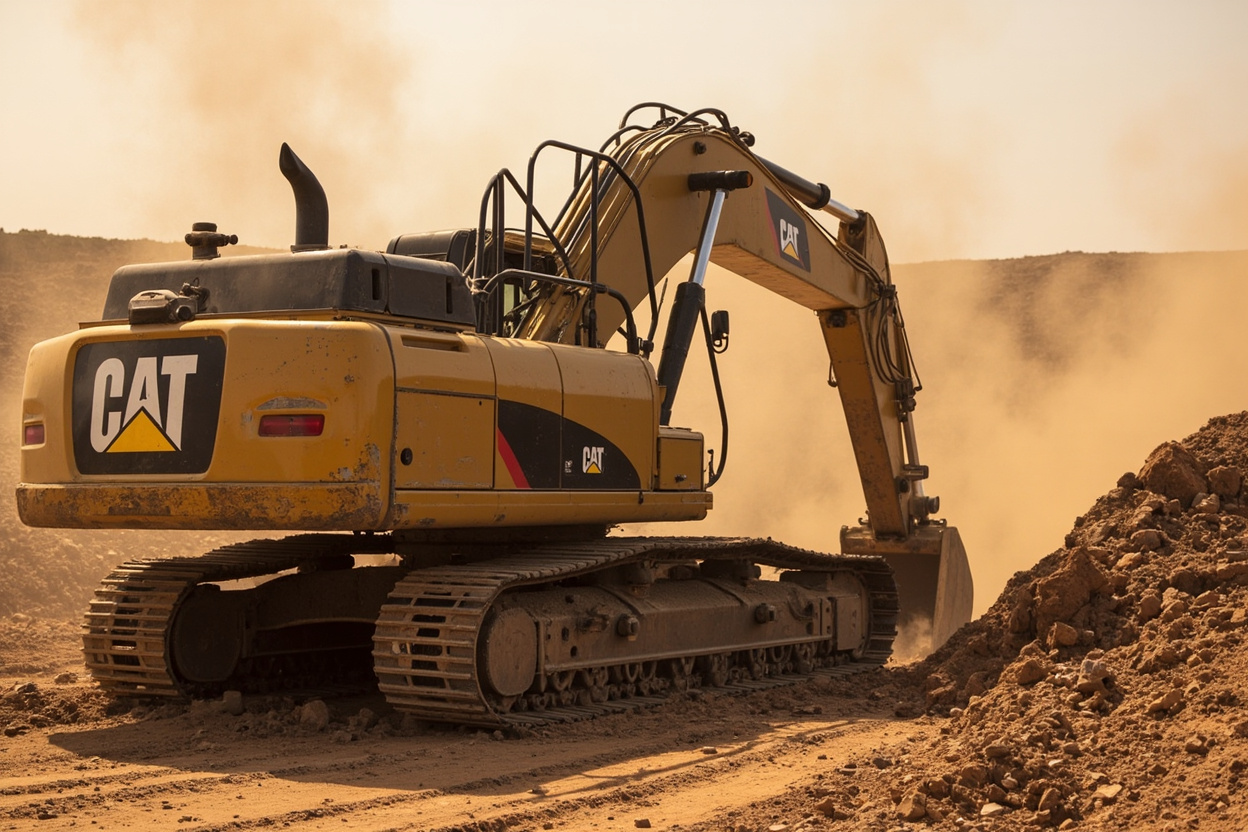
For equipment dealers and mining operators in Africa, the math is straightforward. A 2019 CAT 320D with 3,200 hours purchased through a Japanese dealer network typically costs $55,000 to $70,000 including shipping and import duties. The same machine sourced from our inventory in Baoding, Xuwater costs $22,000 to $28,000, with our 10-plus-year experienced technician team performing pre-shipment inspection and any necessary repairs. The savings allow dealers to stock more units or offer competitive pricing that captures market share from competitors still relying on traditional sourcing.
Why African Markets Are Leading This Growth Curve
Africa’s infrastructure development trajectory is the primary driver. The African Union’s Programme for Infrastructure Development Priorities (PIDA) identifies $130 billion in priority projects through 2040, with road, rail, and mining infrastructure accounting for the largest share. These projects require heavy equipment, and budget constraints across most African nations make affordable used machinery the pragmatic choice over new equipment from premium brands.
Road construction projects across sub-Saharan Africa increasingly specify Chinese-used excavators in their procurement documents — not because of political preference, but because the cost-per-hour economics work. A CAT 320D from Baoding at $25,000 delivers comparable productive hours to a $65,000 unit sourced from Japan, at one-third the capital outlay.
What Chinese Dealers Offer That Traditional Suppliers Do Not
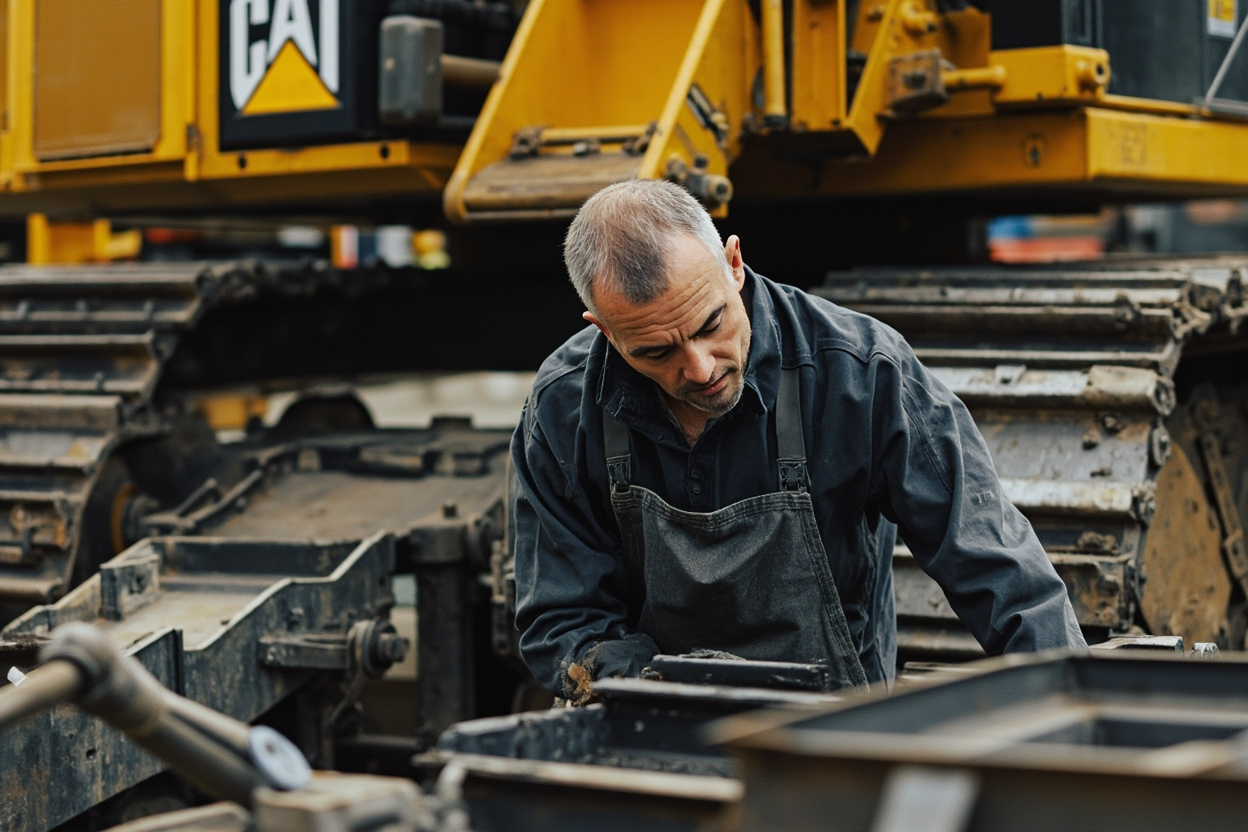
Our position at the source in Baoding, Xuwater Section means we maintain an inventory of 2018 to 2025 model year equipment with less than 5,000 hours on the hour meter. We do not simply resell machines we purchase at auction — our technician team inspects, services, and road-tests each unit before offering it for export. This preparation process, managed by supervisors with over a decade of experience, is what allows us to guarantee a breakage rate below industry average on all shipments.
How Chinese Dealers Compete on Price Without Sacrificing Quality
The price advantage of Chinese used excavators is frequently misunderstood as a quality trade-off. In reality, the cost difference stems from three structural factors: direct sourcing without intermediary dealer markups, competitive domestic market pricing in China where excavator supply far exceeds demand, and efficient logistics chains to African and Latin American ports that we have refined over years of exporting experience.
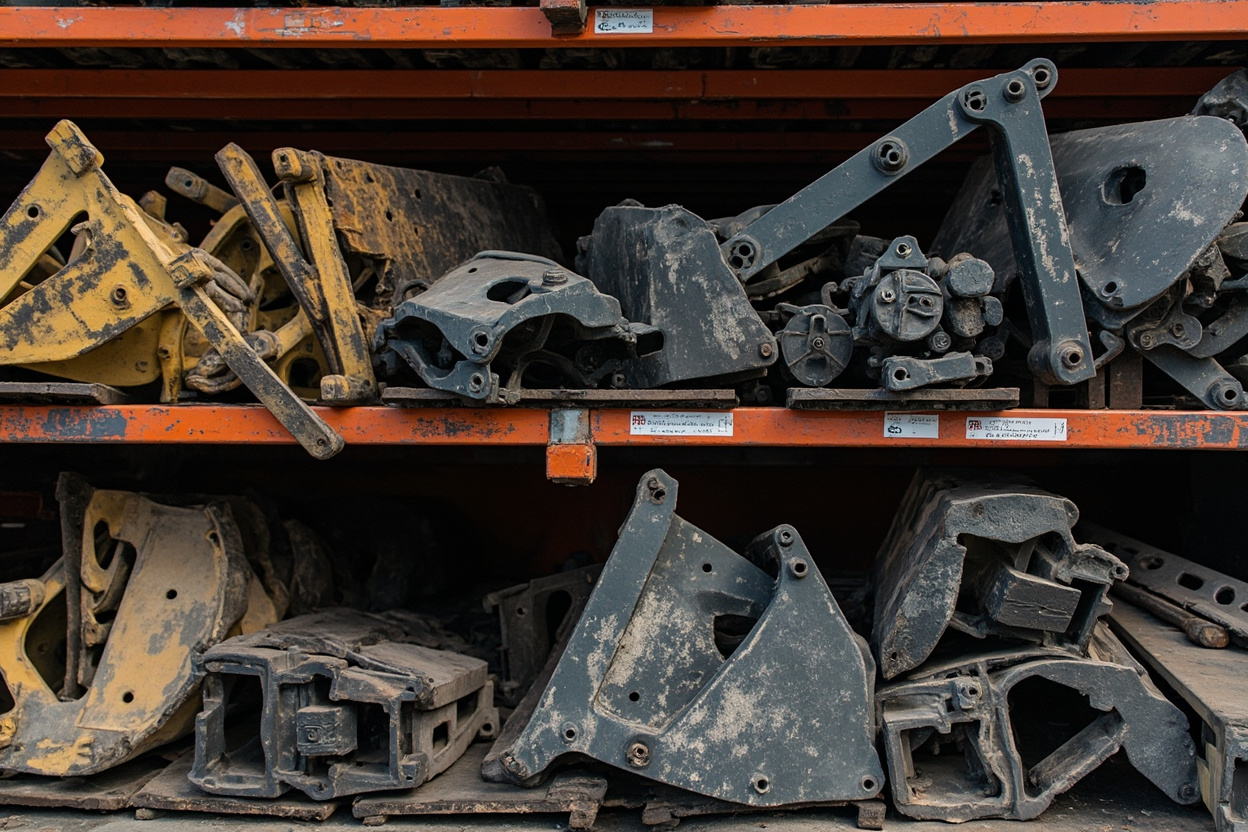
Spare parts pricing illustrates the real cost of ownership clearly. Replacement components for CAT and Komatsu excavators sourced through our parts network cost 50% less than equivalent parts through official brand dealer channels. For a mining operation running equipment continuously, this difference compounds significantly over a machine’s operational life.
Formal Export Documentation: What Legitimate Sourcing Looks Like
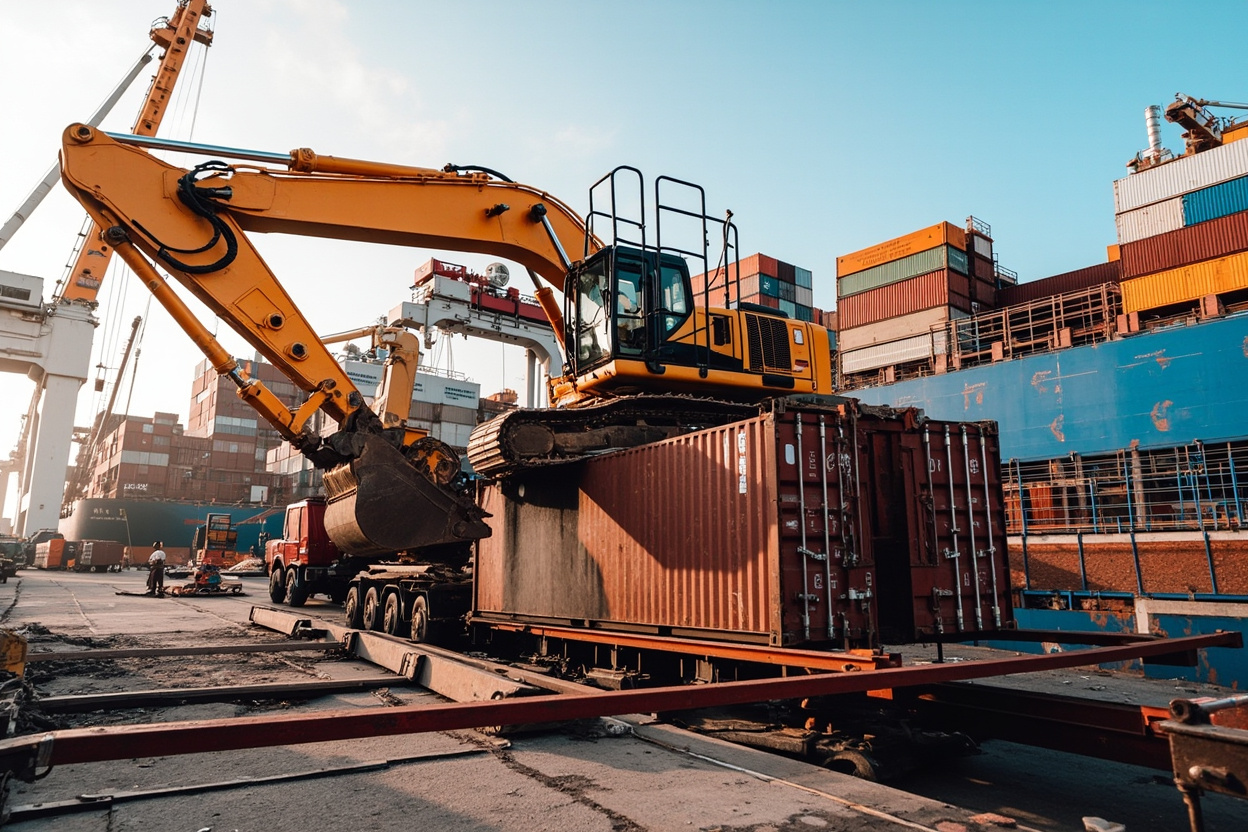
One distinction that separates us from informal sourcing channels is our commitment to full formal export customs documentation. Every machine we export clears through official Chinese customs procedures with proper commercial invoices, export licenses, and inspection certificates. This means African customs authorities receive legitimate documentation — reducing the risk of shipment seizure or delay that sometimes affects equipment imported through informal or under-invoiced channels. Buyers pay into Chinese domestic bank accounts subject to government regulatory oversight, not through opaque offshore arrangements.
What Latin America’s Infrastructure Push Means for Used Equipment Demand
While Africa dominates the growth statistics, Latin America is emerging as a significant secondary market for Chinese used excavators. Brazil, Peru, and Chile are all running major infrastructure programs, and the region’s equipment dealers are increasingly sourced from Chinese suppliers rather than exclusively from US and Japanese dealers. The 2026 Q1 data shows Latin American imports of Chinese construction machinery up 14% year-over-year, with excavators representing the fastest-growing category.
Latin American equipment dealers sourcing from Baoding report landed costs 35-45% below comparable US-dealer pricing, with our logistics network able to coordinate shipping to Callao, Santos, and Antofagasta within established timeframes. Formal customs clearance through documented export channels means equipment clears Latin American ports without the risks associated with informal import arrangements.
Infrastructure Finance in Developing Markets
The financing of infrastructure projects across Africa and Latin America increasingly relies on a mix of sovereign wealth funds, multilateral development bank loans, and private sector participation. Understanding how infrastructure finance structures work helps equipment buyers understand the project pipeline driving excavator demand in these markets.
Infrastructure Finance and Equipment Demand
The financing of infrastructure projects across Africa and Latin America increasingly relies on a mix of sovereign wealth funds, multilateral development bank loans, and private sector participation. Understanding how infrastructure finance structures work helps equipment buyers understand the project pipeline driving excavator demand in these markets.
Chinese construction equipment manufacturers have benefited significantly from China Development Bank financing programs that support overseas equipment purchases tied to infrastructure contracts.
For buyers evaluating used equipment, understanding how heavy equipment depreciation works helps calculate true cost of ownership over the equipment lifecycle.
Conclusion
Q1 2026 data confirms the structural shift toward Chinese used excavators as a primary sourcing channel for African and Latin American markets. The combination of price advantage, quality preparation by experienced technicians, and formal customs documentation makes this channel increasingly difficult for traditional dealer networks to compete against. For equipment dealers and mining operators evaluating their next purchase, the math is compelling.
| 1 | China’s construction machinery export growth reflects both competitive pricing and improved product quality from Chinese manufacturers over the past decade. Learn about the global construction equipment industry and export dynamics. ↑ |
| 2 | The Belt and Road Initiative has accelerated infrastructure development across Africa and Southeast Asia, increasing demand for affordable construction equipment. Understand how Belt and Road connectivity projects drive equipment demand. ↑ |