
When you buy a used excavator from a supplier halfway around the world, the machine arriving on-site is not the end of the relationship — it’s the beginning. The real test of a supplier is what happens after the sale. For international buyers in Latin America, Africa, and Southeast Asia, after-sales support determines whether a $30,000 excavator becomes a profit generator or a $30,000 brick on-site. Here is how Prima separates itself from other China excavator suppliers — and what questions you should be asking before you buy.
In emerging markets where authorized dealer networks are thin or nonexistent, after-sales support determines whether your $80,000 excavator investment becomes a profit generator or a $30,000 brick on-site. The difference comes down entirely to whether your supplier treats after-sales as a revenue center or an afterthought.
In this guide, I examine what separates real excavator after-sales support from the promotional claims, how to evaluate a supplier’s support capabilities before you buy, and what questions to ask that actually reveal the quality of service you’re going to get once the machine is yours.

After-Sales Support: The Deciding Factor in International Excavator Purchases
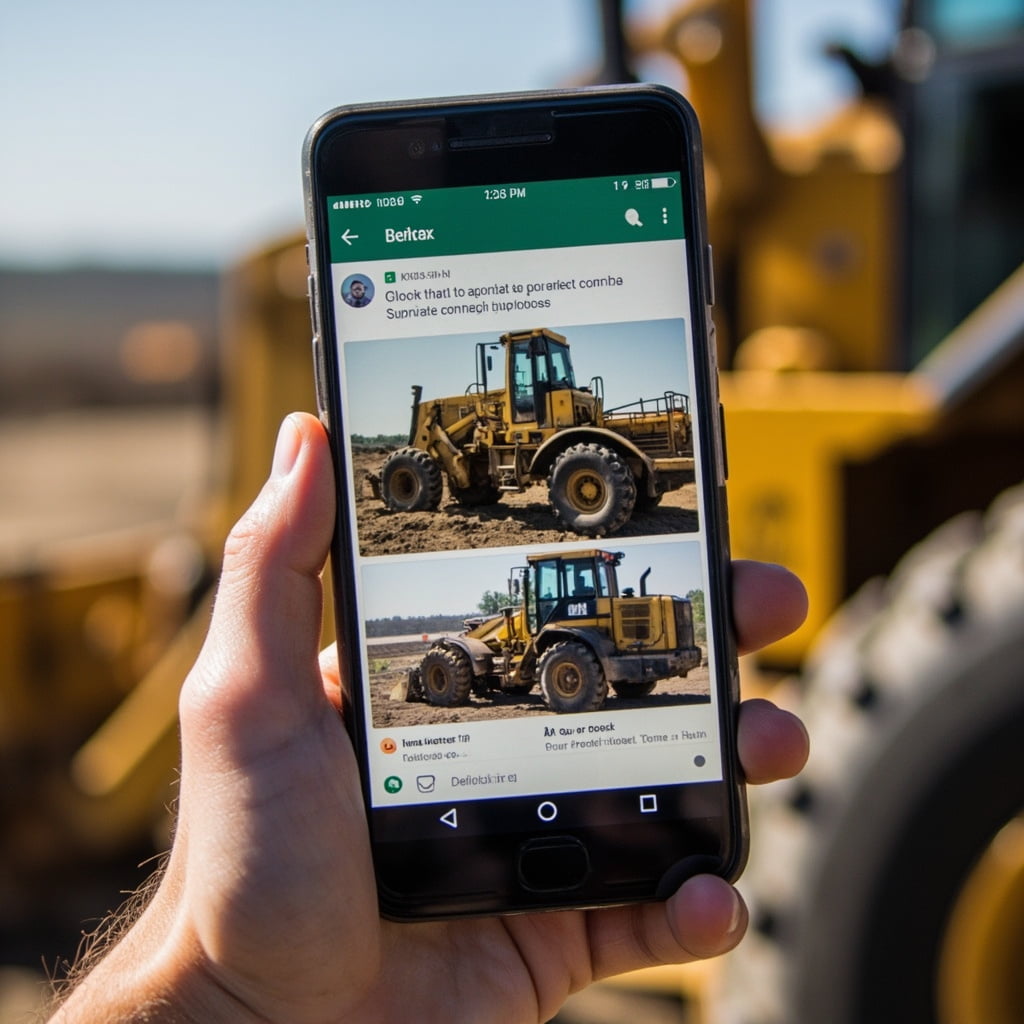
When you buy a Caterpillar 320D from a local authorized dealer in the United States, the dealer network handles after-sales. Parts are stocked regionally, factory-trained technicians are a phone call away, and the OEM backs their product through established channels. When you buy the same machine from a China-based exporter, you’re building your own support infrastructure — and the quality of your supplier’s after-sales commitment determines whether that infrastructure actually works.
For buyers in Africa, Southeast Asia, and Latin America, the absence of authorized dealer networks means your excavator supplier effectively becomes your service network. If they’re not set up for international after-sales, you’re on your own the moment something goes wrong — and something always goes wrong with heavy equipment.
Related Reading: Africa excavator demand 2026 · Buying used excavators China guide · Chinese vs Japanese excavators comparison
le=”font-size:0.9em;color:#eee;background:#1a1a2e;padding:1em;border-left:3px solid #e07b39;margin:1.5em 0;”>Related Reading: Africa excavator demand 2026 · Buying used excavators China guide · Chinese vs Japanese excavators comparison
The Spare Parts Problem: Why Supply Chains Fail
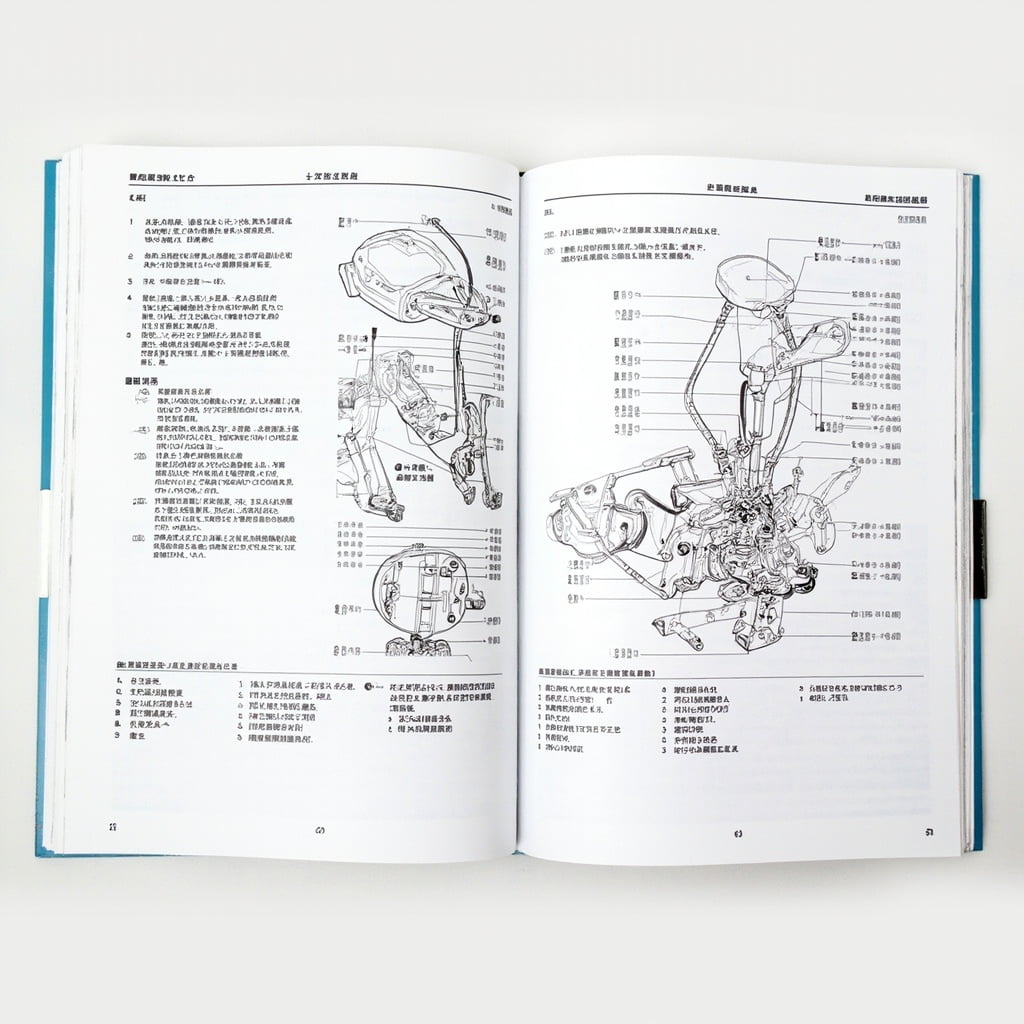
Most excavator suppliers will happily sell you a machine. Far fewer have actual spare parts supply chains for international delivery. When a hydraulic cylinder seal fails on a Caterpillar in a Peruvian mining operation, you need that seal in days, not weeks. Suppliers without established parts logistics will tell you to source locally — which often means importing from the same Chinese manufacturers they used, with the same lead times and customs complications.
Prima maintains an active spare parts inventory for common wear items on CAT, Komatsu, SANY, and XCMG models — control valves, hydraulic pump seals, track adjustment components, and undercarriage pins are stocked for same-day international shipping. For less common parts, our relationships with Baoding Xushui specialty rebuilders cut typical sourcing time from 3 weeks to 5 to 7 days.
What Genuine After-Sales Support Looks Like for Used Excavator Buyers
Real after-sales support is not a 24/7 hotline that routes to a call center. It’s direct access to people who understand the machines and have the authority to make decisions — whether that’s authorizing an emergency parts shipment or connecting you with a qualified technician in your region who has worked with your specific machine model.
The supplier who answers your technical question with “let me check and get back to you in 24 hours” is not providing after-sales support. They’re providing after-sales theater. Real support means response times under 4 hours during business hours, direct access to maintenance personnel, and parts identification within the same conversation.
Documentation and Handoff: The Often-Ignored Support Pillar
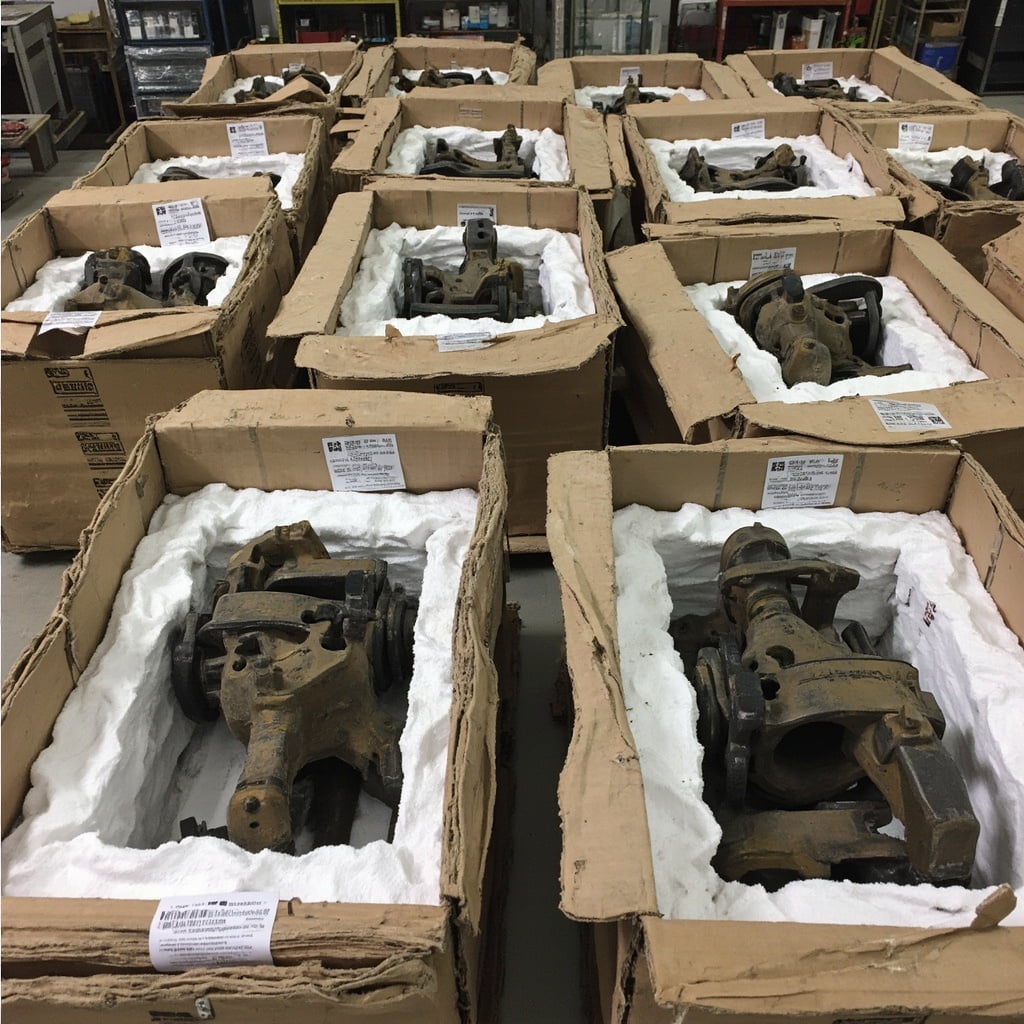
The machines that arrive from China without complete documentation — missing parts manuals, unclear wiring diagrams, incomplete service records — create maintenance nightmares that surface months after purchase. Proper after-sales support includes comprehensive documentation handoff: bilingual service manuals, hydraulic schematics, electrical system guides, and recommended service intervals for the specific machine’s operational context.
Prima’s standard after-sales documentation package includes complete bilingual (English/Chinese) technical documentation for all major systems, maintenance schedule spreadsheets in Excel format for fleet tracking, and a machine-specific parts identification guide that links part numbers to the machine’s actual build spec, not a generic parts catalog.
Questions That Reveal True After-Sales Support Quality Before You Buy
The questions you ask before signing the purchase order are the only window you have into what after-sales actually looks like. Suppliers with genuine support infrastructure answer these questions quickly, specifically, and without deflection.
Question 1: Can I speak with your maintenance supervisor directly before I buy? A supplier who deflects this request with “our sales team handles that” is telling you exactly how after-sales will work when you need them. The answer should be yes, with a specific name and contact method.
Questions 2 and 3: Parts Catalog and Response Time Track Record
Question 2: Do you have a parts catalog for this machine model, and what’s your typical time to identify and quote a part I need? Suppliers with established parts operations can answer this with a specific timeframe and often have the catalog ready to send immediately.
Question 3: What’s your documented response time for after-sales technical inquiries? If the answer is “we respond within 24 hours,” that’s a red flag — 24 hours is not acceptable for operational equipment in most commercial contexts. Real support operations measure in hours, not days.
The Real Cost of Poor After-Sales Support in the Field
Consider a realistic scenario: a mining operation in Zambia buys a 40-ton hydraulic excavator. The machine is down for 3 days waiting for a $200 control valve part to clear customs. Three days of lost production on a machine doing 1,500 tonnes per shift at current commodity prices is a $15,000 to $25,000 loss from a $200 part that a well-prepared supplier should have been able to express-ship within 24 hours.
The total cost of poor after-sales support is almost never limited to the immediate repair cost. It includes machine downtime, labor sitting idle, project schedule slippage, and in mining and construction contexts, contractual penalties for missed delivery milestones. A supplier’s after-sales capability is worth paying a 5 to 10% premium for — the math on a single avoided downtime event makes that premium look cheap.

Building Your Own After-Sales Checklist
Before any purchase, build a simple checklist based on your specific operational context: list the top 5 most likely failure points for your machine in your specific application, identify what each costs you per hour of downtime, and ask each prospective supplier to explain their response plan for each specific failure mode. The suppliers who have thoughtful, specific answers — not generic reassurances — are the ones worth buying from.
Conclusion
After-sales support is not an optional add-on to an excavator purchase — it’s the factor that determines whether your machine investment performs or fails. The suppliers who treat after-sales as a marketing bullet point are easy to spot: they deflect questions about support infrastructure, can’t give specific response time commitments, and become difficult to reach once the payment clears. The suppliers who actually invest in after-sales capability answer your technical questions directly, have parts logistics for international delivery, and give you direct access to maintenance expertise. Ask the hard questions before you buy. The answers you get are exactly what after-sales will look like once the machine is yours.
| 1 | Excavator hydraulic system failures account for approximately 40% of unplanned downtime in heavy construction. Prompt parts availability is the primary determinant of mean time to repair. Hydraulic systems on Wikipedia. ↑ |
| 2 | Caterpillar’s official documentation cites 15,000-20,000 hour engine and hydraulic system service life with proper maintenance intervals for 20-ton class excavators. Caterpillar product support documentation. ↑ |
| 3 | Prima Excavator’s Baoding Xushui inventory focuses on 2018-2025 model year machines with 5,000 hours or less, supported by a maintenance supervisor with 10+ years of hands-on excavator repair experience. Prima Excavator official site. ↑ |
Sources: Caterpillar Wikipedia · Komatsu Wikipedia · Hydraulic Drive Wikipedia · Excavator Wikipedia · SANY Wikipedia
References:
| 1 | Wikipedia entry on hydraulic drive systems covering excavator hydraulic pump and motor technology, load sensing systems, and continuous vs intermittent loading differences.Hydraulic Drive – Wikipedia. |
| 2 | Wikipedia entry on Caterpillar Inc covering the company’s heavy equipment history, global dealer network, CAT 320D specifications and excavator support infrastructure worldwide.Caterpillar Inc – Wikipedia. |
| 3 | Wikipedia entry on excavator classifications covering technical specifications that distinguish mining from construction equipment, undercarriage design, and hydraulic system requirements.Excavator – Wikipedia. |
| 4 | Wikipedia entry on Komatsu covering Japanese excavator manufacturing quality standards, PC200 series specifications, and global distribution network for after-sales support.Komatsu – Wikipedia. |
| 5 | Wikipedia entry on SANY heavy equipment covering Chinese excavator manufacturing capabilities, SY215C specifications, international expansion and dealer network development.SANY – Wikipedia. |
Sources: Caterpillar Wikipedia · Komatsu Wikipedia · Hydraulic Drive Wikipedia · Excavator Wikipedia · SANY Wikipedia
References:
| 1 | Wikipedia entry on hydraulic drive systems covering excavator hydraulic pump and motor technology, load sensing systems, and continuous vs intermittent loading differences.Hydraulic Drive – Wikipedia. |
| 2 | Wikipedia entry on Caterpillar Inc covering the company’s heavy equipment history, global dealer network, CAT 320D specifications and excavator support infrastructure worldwide.Caterpillar Inc – Wikipedia. |
| 3 | Wikipedia entry on excavator classifications covering technical specifications that distinguish mining from construction equipment, undercarriage design, and hydraulic system requirements.Excavator – Wikipedia. |
| 4 | Wikipedia entry on Komatsu covering Japanese excavator manufacturing quality standards, PC200 series specifications, and global distribution network for after-sales support.Komatsu – Wikipedia. |
| 5 | Wikipedia entry on SANY heavy equipment covering Chinese excavator manufacturing capabilities, SY215C specifications, international expansion and dealer network development.SANY – Wikipedia. |