

Latin America’s construction equipment market is undergoing a fundamental shift. Chinese excavator manufacturers—SANY, XCMG, Zoomlion, and Liugong—have doubled down on the region since 2024, establishing dedicated dealer networks, parts warehouses, and financing structures in Brazil, Chile, Peru, and Colombia. The result: Chinese brands now compete directly with Caterpillar and Komatsu at price points 30–40% lower, with after-sales support that has improved dramatically from the spotty service of five years ago. This article breaks down what’s driving the shift, which markets are hottest, and what buyers need to know before purchasing Chinese excavators for Latin American operations.
Latin America’s construction sector is expanding at an unprecedented pace. China’s excavator manufacturers—SANY, XCMG, and Zoomlion—are capturing market share across Brazil, Chile, and Peru by combining competitive pricing with rapidly improving after-sales networks. This guide covers the key markets, equipment types, and due diligence steps for buyers considering Chinese-made excavators in Latin America in 2026.

In this guide, we examine four dimensions of this market shift: the infrastructure investment driving demand, the key country-by-country opportunity map, the quality and support reality of Chinese brands today, and the practical purchasing pathway for international buyers sourcing from China.
Infrastructure Investment Driving Latin America’s Excavator Demand
The Latin American infrastructure investment boom is not speculative—it is backed by committed government spending across the region’s largest economies. Brazil’s PPI-driven infrastructure program has earmarked $65 billion for highways, ports, and rail through 2027. Chile’s government increased its five-year mining infrastructure budget by 22% in 2025, targeting copper mine access roads and processing facility construction. Peru’s Proregion infrastructure expansion program allocates similar sums to Andean mining access and agricultural corridor development.
Copper is the single largest demand driver for heavy excavation equipment in Latin America. The International Copper Study Group projects global copper demand growth of 3.2% annually through 2028, with Latin America supplying over 40% of that demand. Every new pit expansion, every access road, every overland conveyor installation requires hydraulic excavators in the 20–50-ton class—the bread-and-butter range for SANY SY215, XCMG XE215, and Caterpillar 320 equivalents.

The BRICS Connection: Latin America’s Strategic Alignment with Chinese Financing
Brazil, Argentina, and several smaller regional economies have deepened trade relationships with China following Belt and Road Initiative expansion into South America. Chinese state-backed financing for infrastructure projects frequently comes tied to Chinese equipment procurement—creating a structural advantage for SANY and XCMG that has nothing to do with product quality and everything to do with project finance structures.
This does not mean Chinese equipment is substandard. It means buyers need to understand the full commercial picture: the financing terms, the parts supply commitments, and the dealer accountability that come attached to projects financed through Chinese capital.
Brazil, Chile, Peru: The Three Markets Buyers Watch Closely
Across the region, three markets stand out as the highest-opportunity destinations for used and new Chinese excavators: Brazil, Chile, and Peru. Each has a distinct demand profile, regulatory environment, and competitive landscape.
Brazil is the 800-pound gorilla of Latin American construction equipment. The country’s National Confederation of Industry reports that construction activity in São Paulo, Minas Gerais, and the Northeast region drove a 14% increase in excavator fleet utilization rates in 2025. Brazilian buyers prioritize hydraulic reliability and parts availability—Caterpillar and Komatsu dominate the new equipment market, but a vibrant import market for used equipment from the United States and Asia has emerged.
Chinese brands entered Brazil primarily through the used equipment channel, with SANY and XCMG gaining ground in market share through competitive pricing on machines as young as 3–5 years old. The Brazilian Importers Association notes that Chinese-used excavator imports grew 31% year-over-year in Q1 2026.
Chile and Peru: Mining-Driven Demand in the Andes
Chile and Peru operate differently from Brazil. These are mining-driven economies where excavator demand correlates directly with copper prices and mine expansion cycles. When copper prices are above $4.00/lb—as they have been since mid-2024—mining companies accelerate new pit development, triggering equipment purchases. When prices dip, fleets contract.
This cyclicality creates opportunity for buyers who understand the market. Chinese excavator suppliers have positioned themselves to offer flexible leasing and financing structures that traditional OEM dealers cannot match, attracting smaller mining contractors who need capital efficiency alongside equipment reliability.
SANY vs. XCMG vs. Zoomlion: How Chinese Brands Stack Up in Latin America
Three Chinese brands dominate the Latin American conversation: SANY, XCMG, and Zoomlion. Each has a distinct regional strategy and equipment profile that makes them better suited to different buyer profiles.
SANY has the most established Latin American dealer network of any Chinese excavator manufacturer. The company opened its South American headquarters in São Paulo in 2023 and has invested heavily in localized parts inventories at major ports. SANY’s SY215 and SY365 models have gained reputation for competitive hydraulic system reliability, though electronics and control systems still lag Caterpillar equivalent in some fleet manager assessments.
XCMG has focused on the large-tonnage segment, targeting mine operators who need 40-ton-plus hydraulic excavators for overburden removal and pit development. XCMG’s XE380D and XE490D have gained traction in Chilean open-pit mines where Caterpillar and Komatsu have traditionally dominated. The price gap versus comparable Cat 374 and Komatsu PC400 models is consistently 25–35%, making XCMG a compelling budget alternative for contractors with copper-price-sensitive contracts.
What Fleet Managers Actually Say: The After-Sales Reality Check
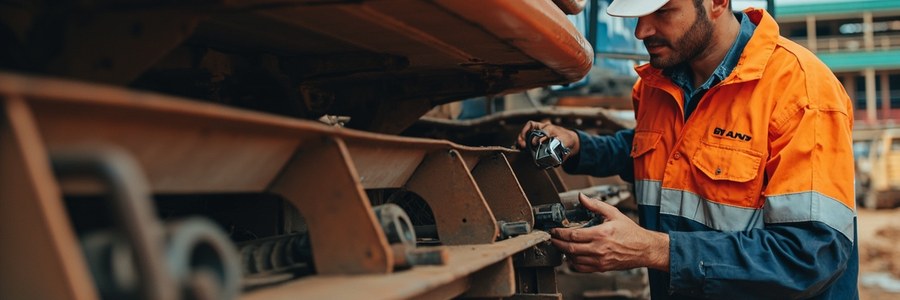
The honest answer from fleet managers operating Chinese excavators in Latin America: after-sales support has improved significantly since 2023 but remains inconsistent outside major markets. A dealer in Santiago or São Paulo provides service comparable to mid-tier CAT distributors. A dealer in northern Peru or rural Brazil is still a work in progress.
The critical due diligence step before purchasing: verify the specific dealer territory coverage for your operating location. Prima’s supplier after-sales support analysis covers how to evaluate dealer networks for Chinese excavator brands, including parts sourcing speed and field service response times.
Practical Purchasing Pathway: How to Buy Chinese Excavators for Latin America
Buying Chinese excavators for Latin American operations requires navigating export documentation, shipping logistics, and import regulations across multiple jurisdictions. Here is the practical pathway that experienced buyers follow.
Step 1: Verify equipment specification compatibility with your market. Latin American countries have varying emissions standards. Brazil’s PROCONVE emissions regulations align with US EPA Tier 3 equivalent for non-road diesel engines—verify that any equipment you import meets current standards. Chile’s Superintendence of Environment requires CE or EPA emissions certification for equipment operating in regulated zones.
Step 2: Source through a verified supplier with Latin America experience. Direct purchasing from Chinese manufacturers is possible but requires significant business infrastructure—Chinese language capability, formal import contracts, and the ability to conduct or commission on-site inspections. Working with an experienced intermediary like Prima reduces transaction risk substantially: we handle the complete inspection and documentation process on your behalf.
Shipping Logistics: From Chinese Port to Latin American Destination
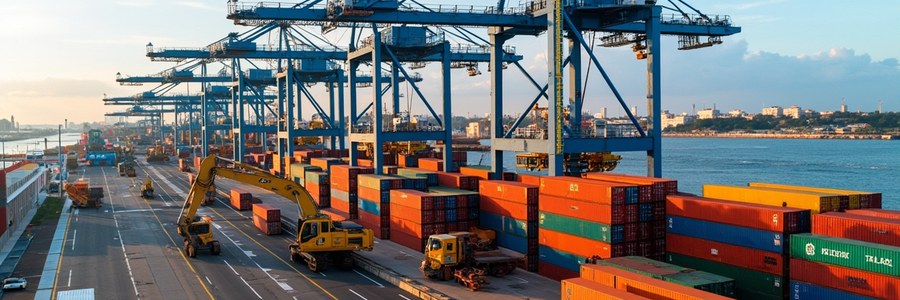
The typical shipping route from China to Santos, Brazil or Callao, Peru runs 35–45 days port-to-port via the Pacific or Panama Canal. Freight costs for a 20–50 ton excavator range from $3,500–$8,000 depending on vessel type and fuel surcharges, accounting for 8–15% of total landed cost on mid-range equipment.
For buyers purchasing through Prima, we handle container booking, port handling, and customs documentation as part of the standard service package. China’s export logistics infrastructure for heavy equipment has matured significantly, with specialized open-top and RORO vessels now serving major Latin American ports on regular schedules.
Conclusion: The Opportunity Is Real, the Execution Matters
Chinese excavator brands are genuinely competing for Latin American market share in 2026, and for buyers in Brazil, Chile, and Peru, this competition translates into real cost advantages. SANY, XCMG, and Zoomlion offer equipment that performs adequately for most mining and construction applications at prices 25–40% below comparable Caterpillar and Komatsu models.
The caveat that matters: after-sales support quality varies by dealer territory and brand. Buyers who do proper due diligence on equipment specification, dealer network coverage, and shipping logistics before purchasing consistently report positive outcomes. Buyers who purchase on price alone frequently encounter service gaps that erode the cost advantage.
If you are evaluating Chinese excavators for Latin American operations, talk to Prima’s team directly. We have sourced and delivered equipment to buyers across Brazil, Chile, Peru, and Colombia, and we can walk you through specification selection, dealer verification, and shipping logistics for your specific project requirements.
| 1 | Infrastructure investment and construction sector growth across Latin America driving demand for hydraulic excavators in 2025-2027. Latin America Infrastructure Wikipedia overview.↑ |
| 2 | Copper demand growth projections and Latin America’s role as primary global copper supplier driving mining equipment utilization rates. Chile mining industry Wikipedia reference.↑ |
| 3 | Chinese state financing tied to Belt and Road Initiative creating procurement advantages for Chinese equipment manufacturers in participating Latin American economies. Belt and Road Initiative Wikipedia overview.↑ |
| 4 | XCMG company profile and product range including large-tonnage hydraulic excavators competing with Caterpillar and Komatsu in mining applications. XCMG Wikipedia company overview.↑ |
| 5 | After-sales support evaluation framework for international excavator procurement, including dealer network coverage assessment and parts availability verification. Prima supplier after-sales support guide.↑ |