
Excavator undercarriage parts are not a simple accessory order. A wrong track roller, idler, sprocket, or track chain can stop a machine, waste freight, and create a dispute that neither side can solve cheaply. Professional buyers should treat undercarriage sourcing as a fitment-control process, not a price list.
For excavator undercarriage parts, buyers should confirm brand, model, serial number, chain link count, track pitch, sprocket teeth count, roller dimensions, quantity per side, part condition, warranty terms, and pre-shipment evidence. PRIMA’s stronger product directions include CAT, SANY, Volvo, and XCMG, with support for track rollers, carrier rollers, idlers, sprockets, track chains, track shoes, and related wear parts.
Buyer Summary: This Professional Buyer Guide is for equipment dealers, repair shops, fleet owners, contractors, and importers buying excavator undercarriage parts from China. It explains the full undercarriage category, PRIMA’s stronger CAT/SANY/Volvo/XCMG directions, OEM vs aftermarket vs used vs rebuilt options, the 53-link vs 51-link chain mistake, pre-shipment photos/videos, inspection reports, warranty terms, and export packing. Use this page before confirming quotation, payment, or shipment.
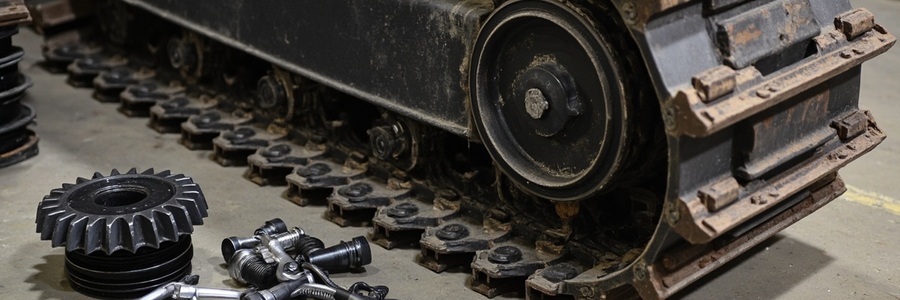
This guide upgrades the earlier excavator spare parts fitment checklist into a deeper undercarriage-specific hub. It also supports PRIMA’s excavator spare parts catalog, where buyers can start from available parts and then verify fitment.
Which excavator undercarriage parts should buyers include in an inquiry?
A complete undercarriage inquiry should separate track rollers, carrier rollers, idlers, sprockets, track chains, track shoes, track bolts, track nuts, and related wear parts. Buyers should confirm quantity per side, model, serial number, old part photos, and whether the order needs OEM, aftermarket, used, or rebuilt parts.
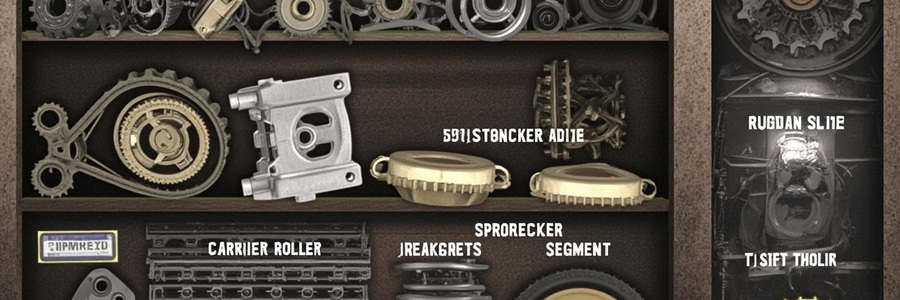
Undercarriage components wear together. Replacing one part without checking connected components can create faster wear or poor performance. A dealer building stock may buy by model and component category. A repair shop solving one machine failure should check the full wear system before ordering.
| Part | Professional Fitment Data | Buyer Risk If Ignored |
|---|---|---|
| Track roller | Roller type, diameter, flange type, bolt pattern, quantity per side. | Wrong roller cannot mount or wears unevenly. |
| Carrier roller | Mounting dimensions, roller diameter, model and serial range. | Upper track support mismatch. |
| Idler | Idler size, track frame match, recoil/tensioner relation. | Poor track tension or frame mismatch. |
| Sprocket | Teeth count, pitch, bolt holes, segment or full sprocket. | Mismatch with chain pitch and link count. |
| Track chain | Link count, pitch, chain width, pin/bush condition. | Wrong length makes the chain unusable. |
What fitment data prevents wrong undercarriage orders?
Model name alone is not enough. Buyers should send machine brand, model, serial plate, old part photos, chain link count, track pitch, sprocket teeth count, roller dimensions, bolt-hole pattern, quantity per side, destination, and expected quality level before quotation.
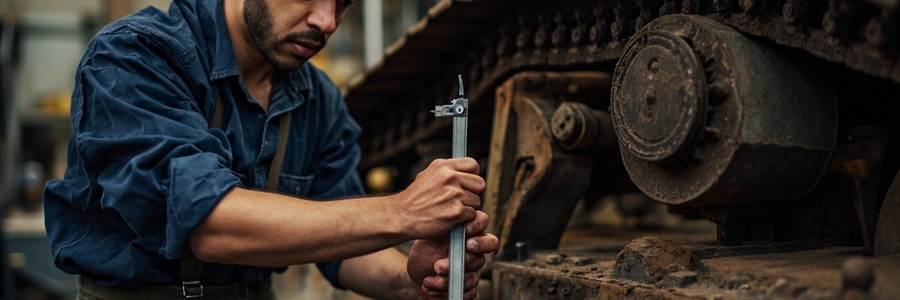
Excavators inside the same model family can vary by generation, market, serial range, and previous repair history. That is why PRIMA should not quote critical undercarriage parts only from a model name such as CAT 320, SANY SY215, Volvo EC210, or XCMG XE series. Photos and measurements reduce the gap between “probably fits” and “can be installed.”
What does the 53-link vs 51-link chain mistake teach buyers?
A real fitment mistake is when a buyer needs a 53-link track chain but receives a 51-link chain. The chain may look similar in photos, but it cannot be used on the machine. This error usually happens when a supplier does not understand model-specific undercarriage configurations deeply enough.
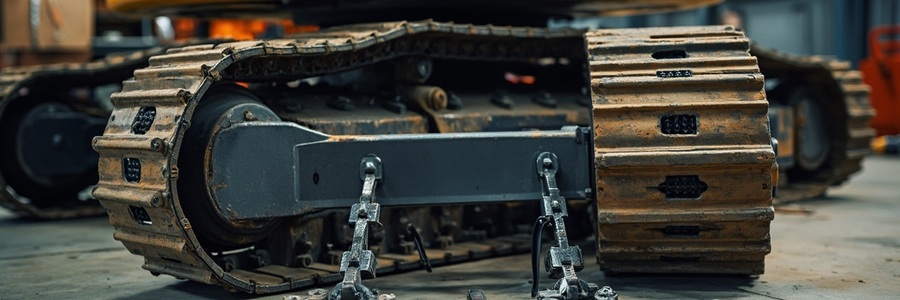
This is the kind of mistake that turns a low quote into an expensive problem. The buyer loses repair time, freight may not be recoverable, and replacement takes additional weeks. To prevent this, the quotation should include chain link count, pitch, sprocket compatibility, quantity per side, and photo evidence before payment.
How should buyers choose OEM, aftermarket, used, or rebuilt undercarriage parts?
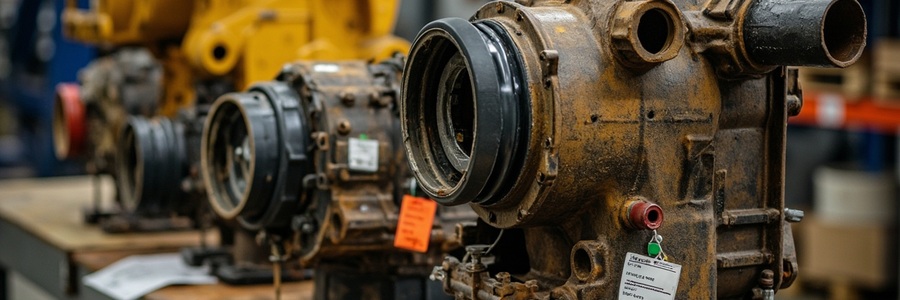
OEM, aftermarket, used, and rebuilt undercarriage parts can all be valid choices, but they have different price, risk, warranty, and downtime implications. Buyers should choose based on machine value, working condition, urgency, repair budget, local service capability, and expected warranty support.
| Option | Best Use Case | Buyer Check |
|---|---|---|
| OEM | High-value machines, severe work, stronger warranty expectation. | Confirm origin, warranty, part number, and packaging evidence. |
| Aftermarket | Cost-sensitive repair when fitment and material are clear. | Check measurements, material, supplier warranty, and testing. |
| Used | Older machines, urgent replacement, budget control. | Request real photos, wear condition, and usable-life judgment. |
| Rebuilt | Selected components where rebuild process and testing are clear. | Ask what was rebuilt, what was tested, and what warranty applies. |
What warranty, inspection, and packing evidence should PRIMA provide?
PRIMA can provide photos, videos, inspection reports, inventory photos, measurement photos, and shipping photos where applicable. Most original parts can provide a 1-year warranty, while a small number of consumable parts usually carry a 6-month warranty. Warranty terms should always be confirmed by part type and order terms.
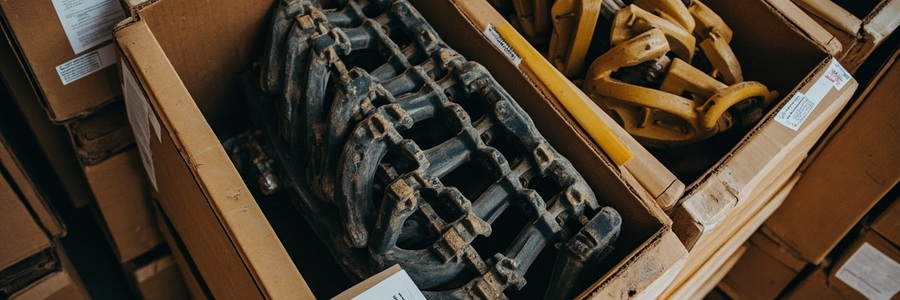
Heavy undercarriage parts need economical but protective shipping. The cheapest packing method is not always the best if rollers, chains, and sprockets move during transport. Buyers should ask for packing photos, labels, packing list, gross weight, and whether wooden boxes, pallets, or reinforced packing are needed.
Evidence Table
| Claim | Evidence | How to Verify |
|---|---|---|
| PRIMA supports full undercarriage category sourcing. | Track roller, carrier roller, idler, sprocket, track chain, track shoe, bolts, nuts, and related parts. | Start from PRIMA spare parts catalog and request fitment check. |
| Chain link count must be confirmed before payment. | 53-link requirement and 51-link shipment are not interchangeable. | Send old chain photos, link count, pitch, sprocket data, and serial plate. |
| OEM, aftermarket, used, and rebuilt options have different price and risk. | Condition grade, warranty term, testing, and photos should be listed in the quote. | Compare quotation line by line before payment. |
| Undercarriage components are recognized as a system by major OEM parts catalogs. | OEM catalogs group rollers, idlers, sprockets, chains, and related wear parts. | Cat undercarriage parts and Komatsu undercarriage parts. |
Buyer FAQ
Can PRIMA supply a full excavator undercarriage package?
Yes. PRIMA can support track rollers, carrier rollers, idlers, sprockets, track chains, track shoes, bolts, nuts, and related wear parts, depending on model and availability.
Which brands are stronger for PRIMA?
PRIMA’s stronger directions include CAT, SANY, Volvo, and XCMG. Komatsu, Hitachi, and other mainstream brands can also be handled by request where sourcing and fitment evidence are available.
Why is model name not enough?
Model names can hide serial-range and configuration differences. Buyers should provide serial number, old part photos, measurements, chain link count, pitch, sprocket teeth, and quantity per side.
What is the warranty policy?
Most original parts can provide 1-year warranty. A small number of consumable parts are usually 6 months. Warranty terms should be confirmed by exact part type, quality option, and order terms.
What evidence should buyers request before shipment?
Buyers should request real photos, videos, measurement photos, inspection report where applicable, inventory photos, packing photos, labels, and shipping photos before final payment.
These related buyer guides strengthen the parts, undercarriage and cab sourcing path for importers who need fitment evidence before quote confirmation.
Conclusion
Excavator undercarriage parts are a core PRIMA opportunity because the buyer intent is urgent, technical, and commercially valuable. To reduce wrong-part risk, buyers should confirm serial number, old part photos, chain link count, pitch, sprocket teeth, roller dimensions, condition grade, warranty, and packing evidence before payment. Use this guide with the spare parts fitment checklist and PRIMA’s excavator spare parts catalog.
| Internal guide: Excavator spare parts fitment checklist |
| Internal catalog: Excavator spare parts catalog |
| Reference: Cat undercarriage parts |
| Reference: Komatsu undercarriage parts |