
A used excavator can look clean in photos and still carry expensive hidden problems in the hydraulic system, undercarriage, engine, or electronics.
International buyers should inspect a used excavator before shipment by checking the hour meter, service records, engine condition, hydraulic leakage, undercarriage wear, boom and arm cracks, attachment condition, electronic codes, and parts availability. A video inspection should confirm the same machine shown in the invoice.
Buyer Summary: This guide is for international contractors, dealers, and equipment importers who need to inspect a used excavator before shipment from China. It explains which evidence matters before balance payment: machine identity, operating hours, engine condition, hydraulic leaks, undercarriage wear, cabin controls, attachments, and loading photos. The main decision is whether the excavator condition shown by the seller matches the agreed model, serial information, inspection video, and export documents. Use the evidence table to request proof before release.
Quick answer
Before shipment, buyers should inspect a used excavator by tying every proof item to the same machine: serial or PIN plate, hour meter, service records when available, cold-start video, engine smoke, hydraulic movement, leaks, swing and travel response, undercarriage wear, boom and arm cracks, attachment fit, cabin fault codes, loading photos, invoice, packing list and bill-of-lading draft. For remote purchases from China, the safest file is not one clean video; it is a traceable set of uncut videos, dated photos and documents that match the agreed model and serial information before balance payment or loading release. PRIMA should also confirm whether key spare parts are available, because a cheap used unit can become expensive if hydraulic, undercarriage or engine parts cannot be identified after arrival.
| Claim | Evidence | Source or how to verify |
|---|---|---|
| Pre-shipment inspection protects the buyer before the machine leaves China. | Once a used excavator is loaded, condition disputes become slower and more expensive to resolve. | Request inspection photos, running video, loading photos, and serial/model confirmation. |
| Undercarriage and hydraulics are high-risk inspection points. | Wear, leaks, and abnormal movement can create major repair costs after arrival. | Check track chain, rollers, sprocket, cylinders, hoses, pump noise, and oil leakage. |
| Documents must match the physical machine. | Model, serial number, invoice, packing information, and shipping documents should describe the same unit. | Compare nameplate photos, contract model, invoice, and bill of lading details. |
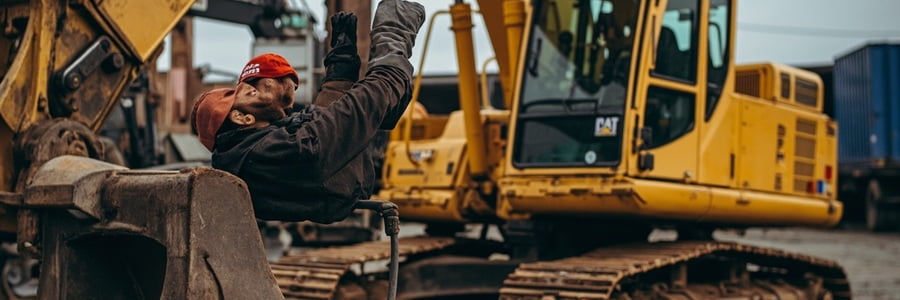
This guide is written for importers, dealers, and contractors who need a practical inspection structure before paying the balance or booking shipment.
What Should Buyers Check Before Starting the Used Excavator Engine?
The first inspection step happens before the machine starts. Static checks often reveal whether the excavator has been cleaned, repaired, or roughly prepared for sale.
Before starting the engine, buyers should confirm the serial number, hour meter, service record, hydraulic oil level, coolant level, visible leakage, track condition, bucket wear, boom cracks, and cab controls. These checks create the baseline for judging the running test.
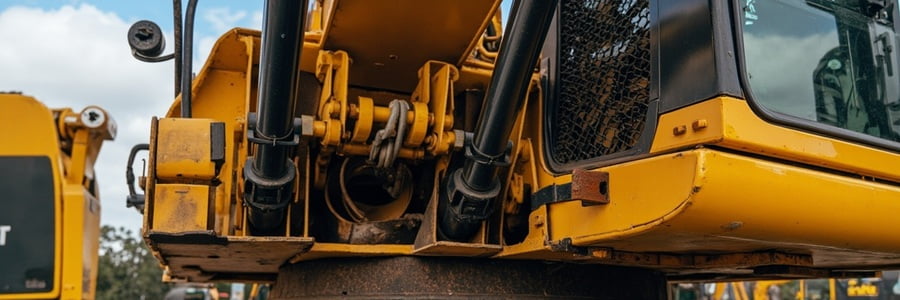
Static inspection checklist
Ask for a slow walk-around video that starts with the machine serial number. The seller should show both track frames, sprockets, rollers, idlers, boom foot, arm, bucket pins, engine bay, radiator, and cab display. If the video jumps quickly from one clean angle to another, request a second video. For international buyers, the inspection video becomes part of the purchase record.
| Area | What to check | Risk signal |
|---|---|---|
| Undercarriage | Rollers, idlers, sprockets, track shoes | High replacement cost after arrival |
| Structure | Boom, arm, welds, bucket pins | Previous heavy repair or overload |
| Identity | Serial plate, hour meter, invoice match | Wrong machine or unclear history |
This baseline is especially important when comparing machines for mining and construction applications.
How Should a Running Test Reveal Hydraulic and Engine Problems?
A clean paint job cannot hide weak hydraulics for long. The running test should show how the machine behaves under movement, load, and heat.
A proper running test should show cold start behavior, idle stability, smoke, abnormal noise, boom lift speed, swing response, travel power, bucket digging force, hydraulic cylinder drift, and dashboard fault codes. The seller should record the machine working, not only idling.
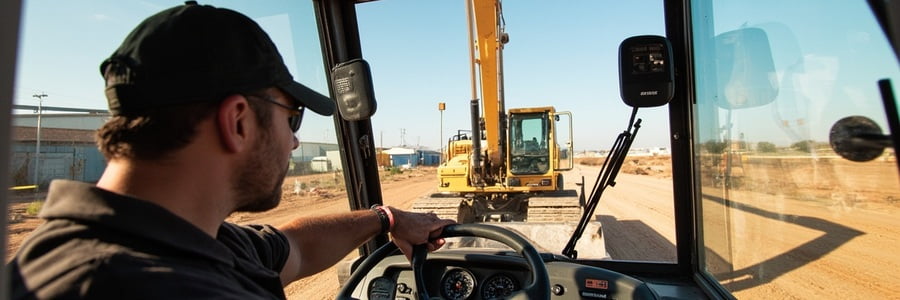
Running test sequence
Start with a cold engine if possible. Watch for smoke color, starting delay, irregular idle, and warning lights. Then ask the operator to raise the boom, extend the arm, curl the bucket, swing both directions, travel forward and backward, and climb a small pile if the yard allows it. A machine that only idles in a video has not been inspected enough for export buying.
Caterpillar describes certified used inspection as a component-based process, and Komatsu used equipment programs also emphasize final inspection before qualification. International buyers can use the same logic even when the machine is not officially certified.
What Documents and Parts Plan Should Be Verified Before Shipment?
A used excavator purchase is not finished when the machine runs. The buyer also needs documents, parts planning, and warranty clarity.
Before shipment, buyers should verify the invoice, packing list, machine photos, serial number, service record, warranty terms, spare parts list, and destination import requirements. A good supplier should also explain which parts are available quickly after the machine arrives.
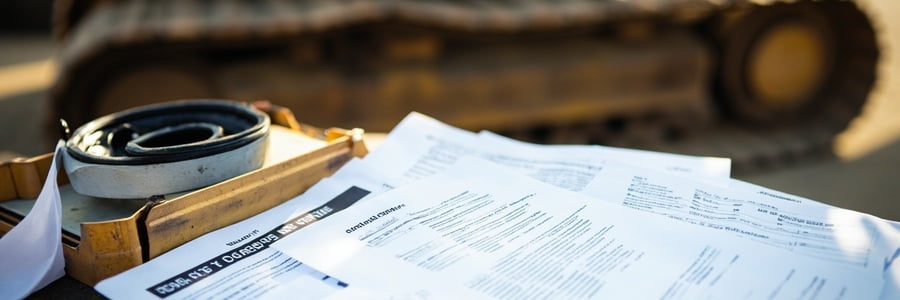
Document and parts checklist
Warranty language should name the covered parts, claim process, evidence required, and response time. A vague promise is not enough. Parts planning matters because downtime after arrival can erase the savings from a lower purchase price. Compare the machine choice with your local service network and the parts availability issues discussed in our CAT, Komatsu, and SANY spare parts guide.
| Before shipment | Buyer should request |
|---|---|
| Machine identity | Serial plate photo, hour meter photo, invoice match |
| Warranty | Covered parts, exclusions, claim evidence, response time |
| Parts plan | Filters, seals, wear parts, hydraulic parts, local supply route |
For warranty wording, use the practical questions in our international excavator warranty guide.
Before the buyer pays deposit
For buyers who have not paid yet, PRIMA can also coordinate a sourcing and inspection check before shipment so the inspection file is connected to the selected machine, deposit decision and export evidence. coordinate a sourcing and inspection check before shipment.
Conclusion
A used excavator is only a good deal when the machine condition, documents, and parts plan match the buyer’s job site. Before shipment, confirm the identity, inspect the machine on video, review warranty terms, and prepare the first spare parts package.
| 1 | Caterpillar explains that certified used equipment is inspected by component condition before certification. Cat Certified Used inspection. |
| 2 | Cat Inspect shows how structured inspection records help equipment owners make maintenance decisions. Cat Inspect overview. |
| 3 | Komatsu Used describes inspection and certification logic for pre-owned construction equipment. Komatsu Certified Used. |
| 4 | Komatsu Europe describes qualified used equipment inspections by certified service engineers. Komatsu Qualified Used. |
2026-05-29 repair: shipping proof path after inspection
A pre-shipment inspection page should not stop at machine function. This repair adds a reverse path to the used excavator shipping checklist and reinforces that serial proof, final walkaround photos, loading evidence, securing photos, document references and receiving checks should connect the inspected machine to the exported cargo.
- Reverse-link added to the new used excavator shipping checklist.
- Komatsu PC01 model-specific inspection link added where compact-machine buyers need a more specific workflow.
- The repair strengthens the proof path from inspection to loading and documents.
| Repair check | Evidence added or verified | Buyer value |
|---|---|---|
| Inspection-to-shipping | Final walkaround and loading evidence | Confirms inspected unit is shipped |
| Machine identity | Serial and photo continuity | Prevents wrong-machine confusion |
| Documents | Invoice, cargo notes and receiving checklist | Supports import and dispute control |
New reverse-link targets added for buyers who need shipping and compact-machine inspection follow-up:
2026-05-30 repair: pre-shipment inspection to buying checklist and exporter evidence
The pre-shipment inspection proof page now links back to the new used excavator inspection checklist and exporter evidence page. This repair separates pre-purchase inspection, pre-shipment verification and export loading proof so buyers can see the full chain from quote to shipped cargo.
Buyer Summary
- Reverse link added to the new used excavator inspection checklist.
- Exporter page link added to connect proof with supplier responsibility.
- Repair reinforces that final loading photos should match the inspected serial-numbered machine.
Repair Evidence Table
| Proof stage | Repair link | Buyer value |
|---|---|---|
| Before buying | Used excavator inspection checklist | Reviews cold start, hydraulics and undercarriage |
| Supplier/exporter | Used excavator exporter guide | Clarifies evidence ownership |
| Before shipment | Existing shipping proof path retained | Connects machine to cargo |
Internal Link Updates
- Used Excavator Inspection Checklist Before Buying: Cold Start, Hydraulics, Undercarriage and Documents
- Used Excavator Exporter China: Yard Inspection, Shipping Proof and Parts Support Checklist
- Used Excavator Shipping From China Container Flat Rack Loading Documents Checklist
- Used Excavator Supplier China: Inspection Documents, Shipping and Parts Support
External Reference
2026-06-09 repair: Hitachi and hydraulic-leak inspection routes added
This repair links the pre-shipment inspection guide to the new used Hitachi inspection page and the hydraulic leak inspection proof page.
Buyer Summary
- Added used Hitachi reverse link.
- Added hydraulic leak inspection path.
- Reinforced inspection-to-loading evidence flow.
Repair Evidence Table
| Gap | Repair | Buyer value |
|---|---|---|
| Brand inspection | Used Hitachi page linked | Model support |
| Leak proof | Hydraulic leak page linked | Better import risk control |
| Shipment | Loading proof reinforced | Receiving comparison |
Internal Link Updates
- How Should Buyers Inspect a Used Hitachi Excavator Before Importing from China?
- How Should Buyers Inspect Hydraulic Leaks on a Used Excavator Before Importing from China?
External Reference
2026-06-11 PRIMA evidence update
Adds Indonesian and Spanish used-excavator inspection support pages.
2026-06-14 PRIMA evidence update
Adds wiring and cooling-drive inspection links to the used-excavator pre-shipment proof path.
2026-06-19 SEO update: Pre-Shipment Page linked to inspection-report proof
Buyer evidence path: This page now points buyers to PRIMA’s 2026-06-19 used excavator inspection-report verification guide. The added path reinforces serial/PIN proof, hour meter evidence, cold-start video, hydraulic testing, undercarriage wear, real invoice/export documents and the no-borrowed-declaration compliance boundary before payment.
| Inspection area | Evidence to request | Risk reduced |
|---|---|---|
| Inspection report | Verify a used excavator inspection report before paying | Connects this page to a citation-ready payment approval checklist. |
| Machine identity | Serial or PIN plate, hour meter and same-machine videos | Reduces wrong-unit and switched-machine risk. |
| Export file | Real seller, real invoice, accurate used-equipment description and loading proof | Supports compliant China export without false official-dealer claims. |
Live product examples to compare after inspection
After buyers understand the inspection report, documents and shipment proof, they can compare live PRIMA used-excavator product records as examples of machine pages to review. Availability, hour meter, condition, inspection evidence and final quote details must still be reconfirmed before payment.
- CAT 320D2 used excavator product record
- SANY SY60C used excavator product record
- Komatsu PC200-7 used excavator product record
- XCMG XE370D used excavator product record
This block strengthens the crawl path from PRIMA’s buyer guides to current used-excavator product records while keeping the buyer-risk boundary clear: product pages are examples for comparison, not a replacement for machine-specific inspection proof.
2026-06-21 SEO update: Used Excavator Pre-Shipment Inspection Guide linked to the corrected PRIMA used-excavator buyer guide group
Buyer evidence path: this page now links to the corrected PRIMA used-excavator article group covering product-record comparison, CAT 320D2 inspection, SANY SY60C mini-excavator checks, Spanish buyer document review and Indonesian buyer document review. These links reinforce same-machine identity, photos, videos, documents, loading proof and post-arrival parts support.
- How Should Buyers Compare Used Excavator Product Records Before Choosing China Supplier
- How Should Buyers Inspect A Used Cat 320D2 Excavator Before Importing From China
- How Should Buyers Check A Used Sany Sy60C Mini Excavator Before Buying From China
- Como Comparar Fotos Y Documentos De Una Excavadora Usada Antes De Comprar Desde China
- Bagaimana Membandingkan Foto Dan Dokumen Excavator Bekas Sebelum Membeli Dari China
When this checklist becomes a sourcing-service review
If a buyer has already found a used excavator in China but is unsure whether the evidence is complete, this page should feed into PRIMA’s used excavator sourcing agent China workflow. The same machine file should keep the serial/PIN plate, photos, cold-start and hydraulic videos, undercarriage condition, loading proof, shipping-document expectations and first parts-support questions together.
For post-arrival risk, connect the machine review to excavator parts supplier China fitment support so model, serial number, old-part photos, measurements and warranty boundaries are checked before the buyer commits.
How should pre-shipment inspection connect to the real proof file?
A pre-shipment inspection should not start from a blank checklist at the loading yard. If the buyer is using a used excavator sourcing agent China workflow, the inspection should verify the same real proof file that was built before deposit and update it before final balance.
| Proof file item | Pre-shipment use |
|---|---|
| Nameplate photo and serial/PIN context | Confirms the machine being loaded is the same unit discussed during sourcing. |
| Hour-meter photo and walkaround photos | Lets the buyer compare visible condition before deposit and before release. |
| Trial-operation video | Supports a final function review before the machine is loaded and hard to recheck. |
| Loading proof, parts photos and packing proof | Connects container or flat-rack loading with first spare-parts and packing-support questions. |
Use the China used excavator sourcing service page to organize the evidence file, the used excavator supplier China evidence page to judge supplier proof, and this pre-shipment guide to verify the same machine before release. Related support: part-number verification before ordering and excavator parts supplier fitment support.
Boundary: this supports buyer review and shipment release decisions; it does not guarantee true hours, final condition, exact fitment, current stock, OEM authorization or import approval.