
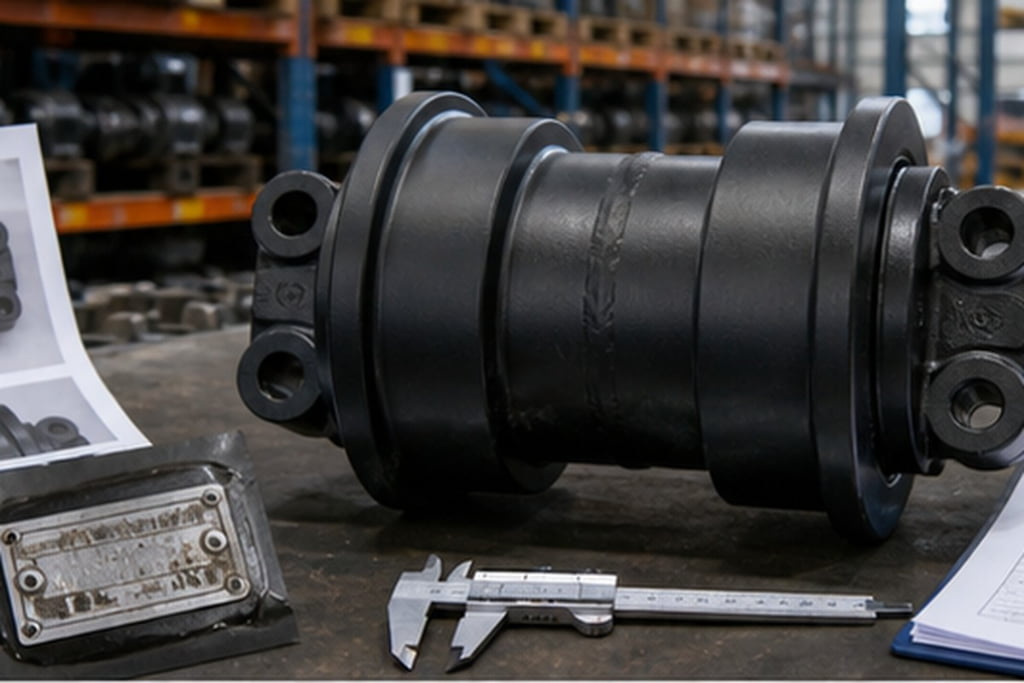
Before buying an excavator carrier roller, buyers should confirm machine model, serial number, roller dimensions, shell wear, shaft or seal condition, bracket style, track sag, chain pitch and export packing requirements, because carrier roller wear is often connected with wider undercarriage alignment and tension problems.
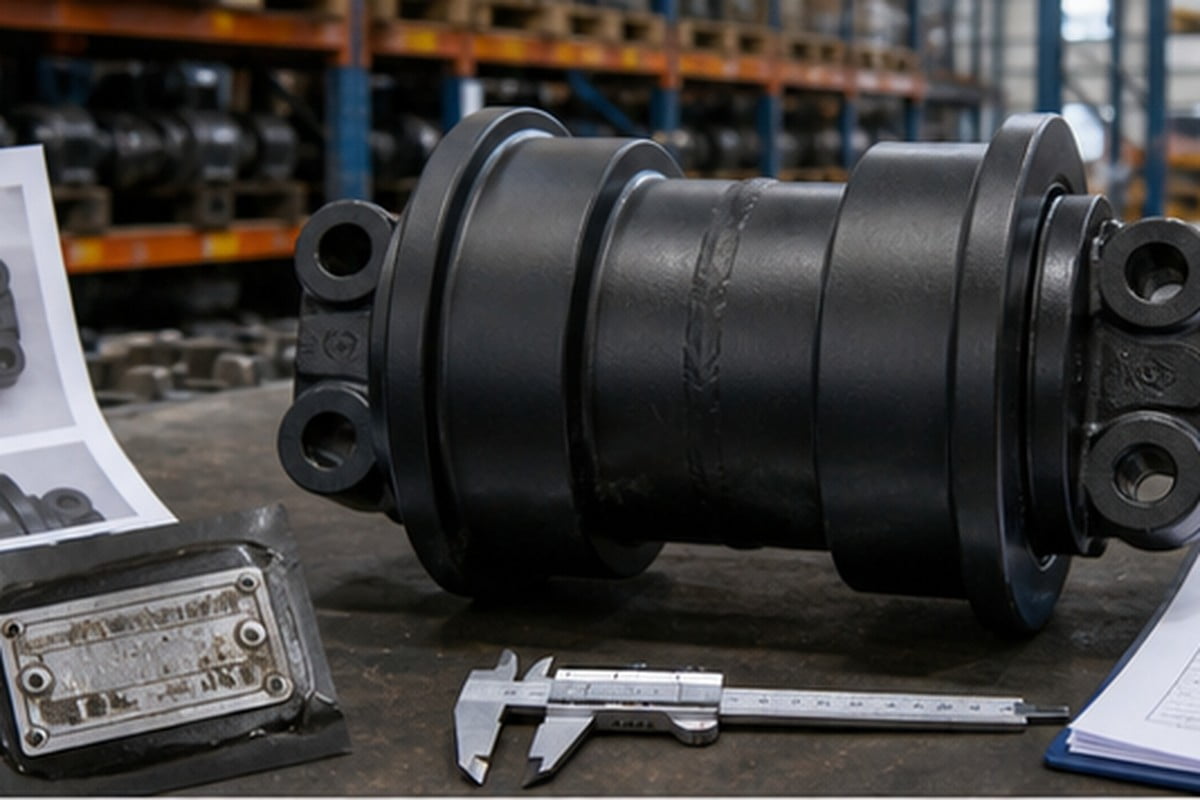
Carrier rollers support the upper run of the track chain, so a wrong or weak roller can create noise, track sag, uneven chain movement and early undercarriage wear. This guide extends PRIMA’s excavator undercarriage parts guide, track roller guide, idler guide and sprocket guide.
Buyer Summary
- Carrier roller quotations should start from model, serial, roller dimensions, bracket style and clear old-part photos.
- Top roller shell wear, shaft play, seal leakage and bracket damage can change whether the buyer needs one roller or a wider undercarriage repair.
- Track sag, chain pitch, sprocket wear and idler alignment should be checked together before confirming the part.
- Export packing should protect compact heavy rollers against impact, rust and mixed-order confusion.
What carrier roller data should buyers send before quotation?
The safest quote file includes machine identity, old roller photos, dimensions, mounting style and the condition of nearby undercarriage parts.
Carrier rollers can look similar across excavator models, but width, shaft design, flange profile, bolt pattern and bracket style may differ. A buyer should send the full excavator model, serial plate photo, old carrier roller photos from several angles, visible part number if present, roller outside diameter, face width, shaft or bore information and the side or position on the machine.
PRIMA should also ask for photos of the upper track run, track frame and nearby track chain. If the quote is for several machines, each roller should be labeled by machine and position. This prevents a warehouse or repair shop from mixing similar carrier rollers after arrival.
| Buyer data | Evidence to request | Why it matters |
|---|---|---|
| Machine identity | Model and serial plate photo | Confirms model range |
| Old roller | Photos, dimensions and part number | Matches replacement geometry |
| System condition | Track sag and frame photos | Finds related wear |
How to judge top roller shell, shaft, seal and bracket wear
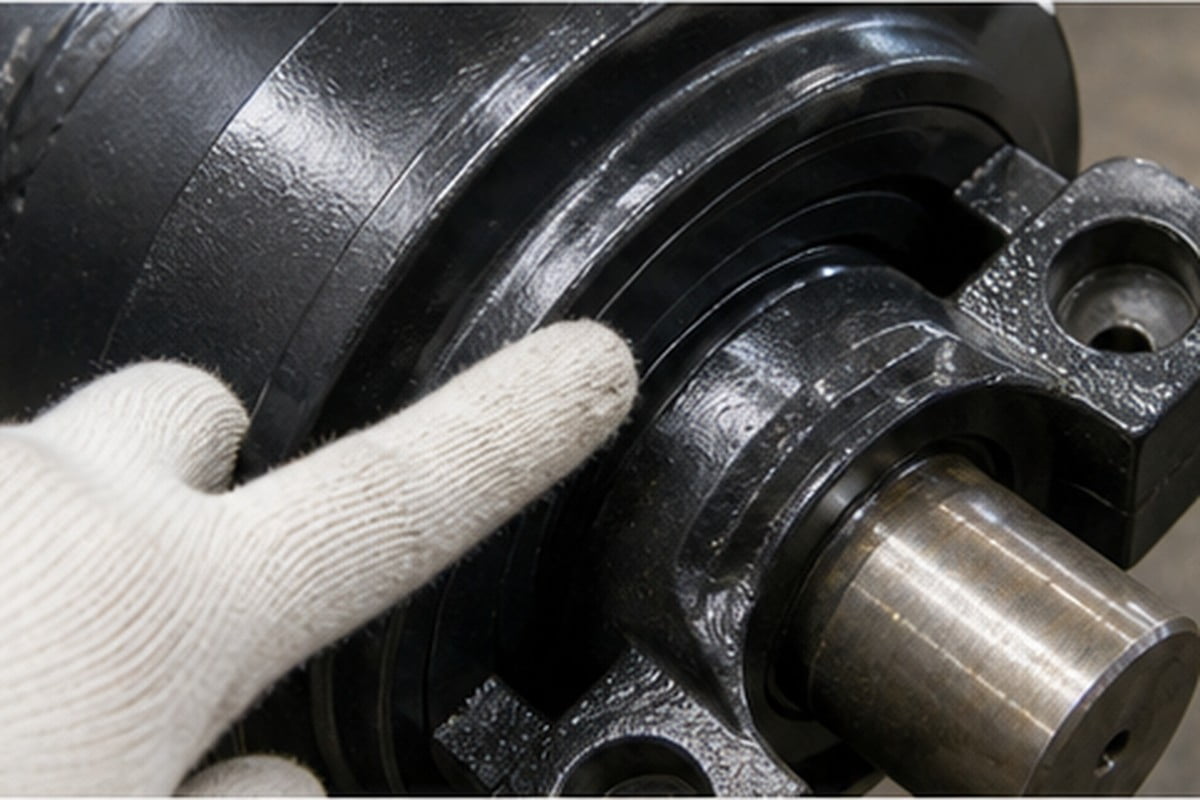
A carrier roller may fail through shell wear, shaft looseness, bearing noise, seal leakage or bracket damage.
The roller shell should be checked for uneven groove wear, flat spots, cracking and edge damage. Shaft play, rough rotation and grease or oil leakage suggest bearing or seal problems. If the bracket or mounting surface is distorted, a new roller can sit at an angle and wear quickly even if the replacement part is correct.
Buyers should photograph the roller from the side and front, and should show whether the roller turns freely. For used carrier rollers, PRIMA should avoid vague descriptions such as good condition. Actual photos and a simple wear note are more useful for dealers, repair shops and fleet buyers.
| Inspection point | Photo evidence | Buying impact |
|---|---|---|
| Shell wear | Side and running surface | New, used or reject |
| Shaft/seal | End view and leakage mark | Risk of early failure |
| Bracket | Mounting face and bolts | Fitment and alignment risk |
How track sag, chain pitch and frame alignment affect carrier roller life
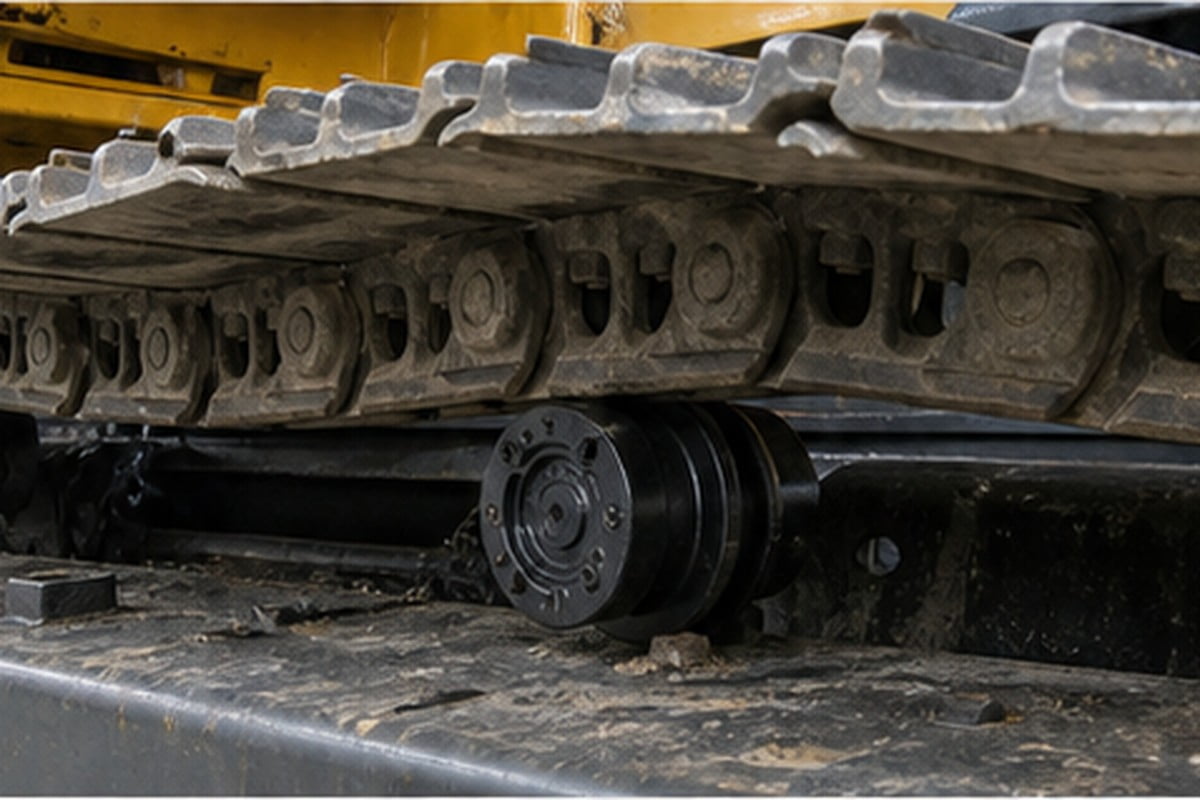
Carrier rollers work with the whole undercarriage, so replacing only the top roller may not solve the cause.
Excessive track sag can overload the carrier roller and create chain slap. Wrong chain pitch, hooked sprocket teeth, worn idlers or misaligned track frames can also make the upper track run move unevenly. When the buyer reports repeated carrier roller failure, PRIMA should ask for track tension, chain, idler and sprocket photos before quoting only one part.
This system view protects buyers from a false repair. A carrier roller with the right dimensions may still fail early if the chain is stretched or if the track frame is bent. For export buyers, it is cheaper to check the whole evidence file before shipment than to discover the related problem after the part arrives.
| Related factor | Evidence | Risk |
|---|---|---|
| Track sag | Upper chain photo | Roller overload |
| Chain pitch | Pitch and link photos | Mismatched rolling surface |
| Frame alignment | Track frame view | Side loading |
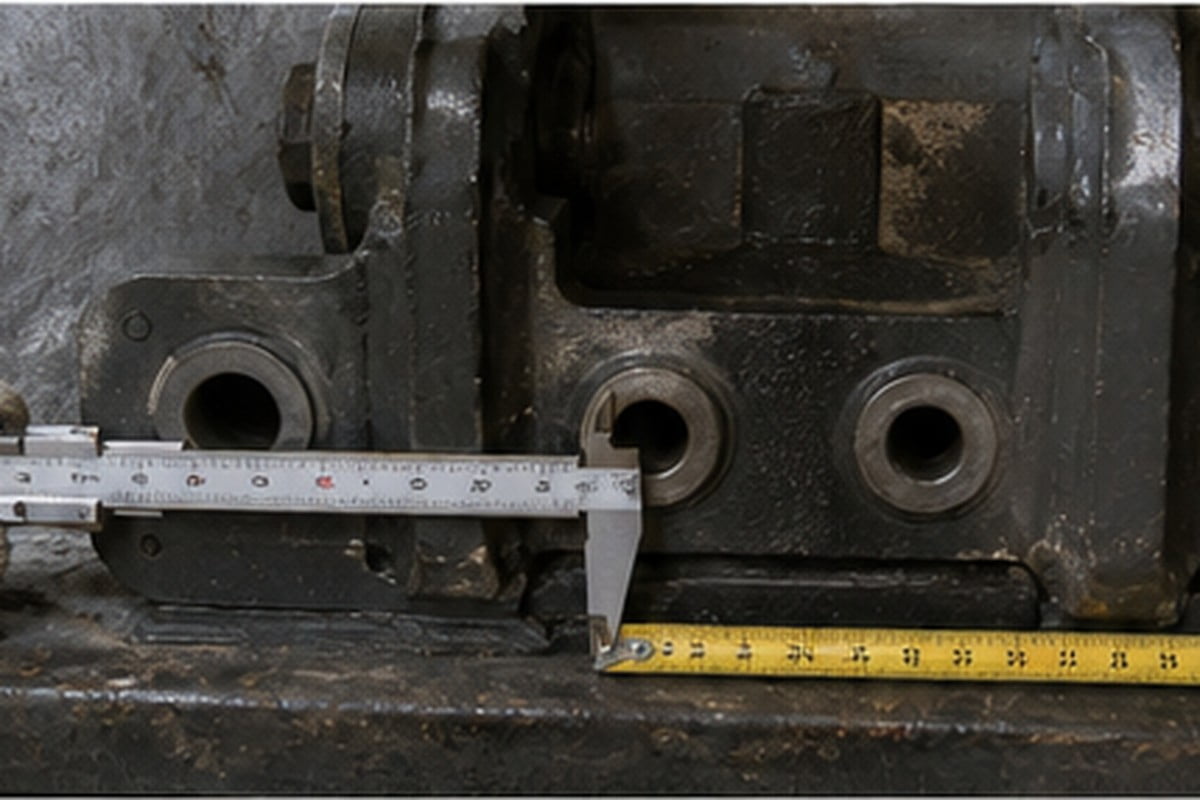
OEM, aftermarket and used carrier roller options: what evidence should match?
Condition options should be compared by fitment evidence, wear level, urgency and warranty boundary.
OEM or original carrier rollers may be preferred for high-hour fleet machines, but cost and lead time can be higher. Aftermarket rollers can be practical when dimensions, material confidence and supplier quality are clear. Used carrier rollers may help urgent or budget repairs, but they need actual photos and honest wear grading.
PRIMA should match the option to the buyer’s machine value and downtime risk. A dealer stocking common undercarriage parts may prioritize consistent aftermarket supply, while a repair shop handling one emergency machine may accept a used roller if fitment and condition evidence are strong enough.
| Option | Best fit | Evidence needed |
|---|---|---|
| OEM/original | Longer-life repair | Part identity and warranty boundary |
| Aftermarket | Cost-controlled replacement | Dimensions and quality proof |
| Used | Urgent or budget repair | Actual condition photos |
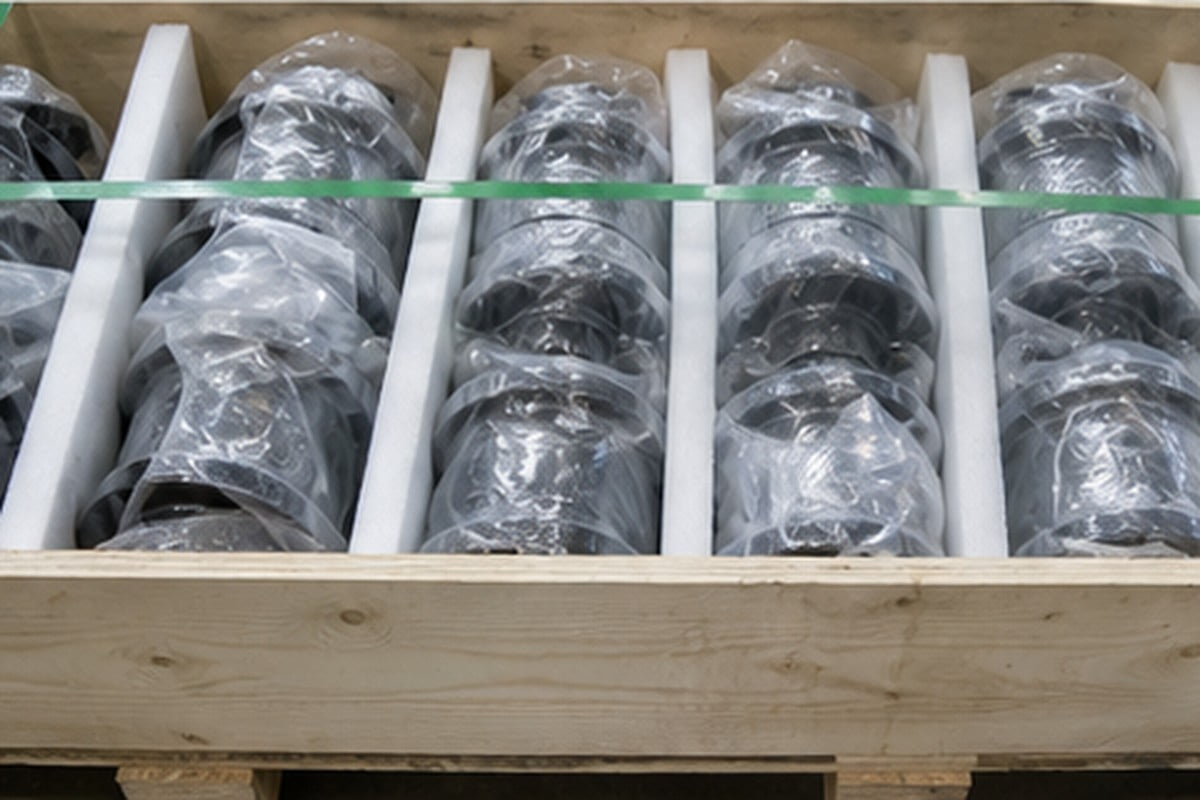
How PRIMA packs carrier rollers for export shipment
Carrier rollers are compact but heavy, so packing must prevent impact, rust and mixed-order errors.
Before shipment, PRIMA can provide actual-part photos, measurement photos, packed photos and label evidence. Rollers should be grouped by order or machine, protected against surface rust, and fixed so they cannot roll or strike other components inside the crate. Mixed undercarriage orders should keep carrier rollers separate from track rollers, idlers and sprockets.
For importers and repair shops, good packing evidence reduces disputes. The buyer should be able to compare the quoted roller, the uploaded media, the packing label and the invoice before the cargo leaves.
| Packing step | Proof | Buyer value |
|---|---|---|
| Part match | Actual roller photos | Confirms correct item |
| Protection | Wrapped and fixed rollers | Reduces damage |
| Labeling | Machine/order labels | Prevents sorting mistakes |
Evidence Table
| Buyer question | Evidence PRIMA should request | Value |
|---|---|---|
| Will the carrier roller fit? | Model, serial, old roller photos and dimensions | Reduces wrong-part risk |
| Is the roller the only problem? | Track sag, chain, idler and sprocket photos | Finds related wear |
| Can it ship safely? | Packing photos and order labels | Reduces damage and confusion |
Buyer FAQ
Is a carrier roller the same as a track roller?
No. A carrier roller supports the upper track run, while track rollers support the lower loaded track run.
Can PRIMA quote a carrier roller from model name only?
A model name is only a starting point. Final confirmation should include serial, dimensions and old-part photos.
Should buyers replace carrier rollers in sets?
It depends on wear. If several rollers show similar wear or the chain is sagging, buyers should check the whole undercarriage before ordering one piece.
Conclusion
Carrier roller sourcing should be handled as an undercarriage evidence task, not a simple part-name order. PRIMA can reduce wrong-fit and early-failure risk by checking dimensions, track sag, bracket condition and export packing before shipment.
References
- CAT undercarriage overview: General undercarriage component context.
- Berco undercarriage products: Reference for undercarriage component families.
2026-06-05 repair: carrier roller connected to rodillos and track-shoe evidence
This repair connects carrier roller fitment with Spanish rodillos support and track-shoe wear context so buyers check the undercarriage as a system.
Buyer Summary
- Added rodillos del tren de rodaje link.
- Added track-shoe wear context.
- Connected top roller, chain sag and packing proof.
Repair Evidence Table
| Gap | Repair | Buyer value |
|---|---|---|
| Localized support | Spanish component page linked | Better LATAM route |
| Track shoe wear | Shoe guide linked | System diagnosis |
| Quantity | Packing proof reinforced | Receiving control |
Internal Link Updates
- Como Verificar Rodillos del Tren de Rodaje de Excavadora Antes de Comprar desde China?
- How Should Buyers Check Excavator Track Shoes Before Ordering from China?
External Reference
2026 Component Fitment Evidence Update
Carrier roller page refreshed with new 2026 component-ordering support links.